Fall Birdwatching Preparation-Getting the Feeders Ready For the Season
Dan’s Almost Daily Journal-Volume 64-Looking Forward to Another Season Watching Birds at My Feeders and Participating in Project FeederWatch
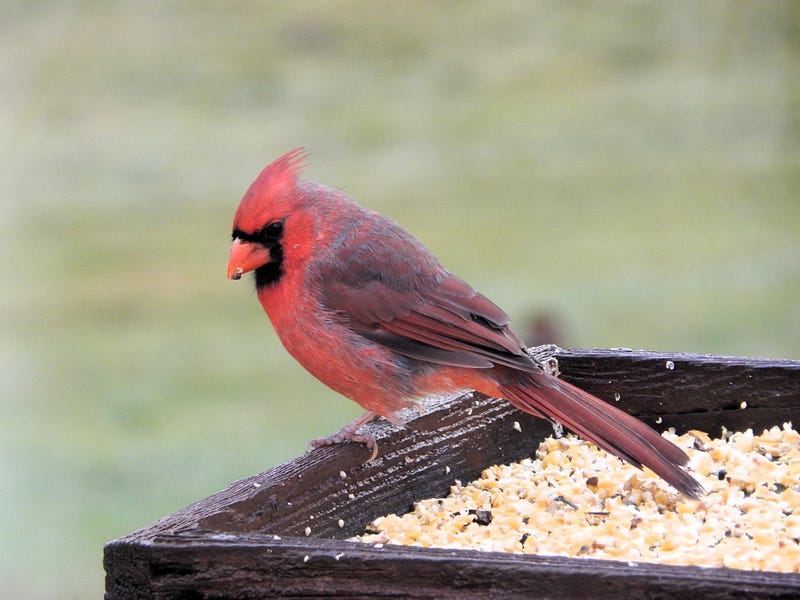
Welcome back, fellow birdwatchers. It’s that time of the year once again. Although birdwatching is a year-round activity, I especially enjoy it in the Fall and Winter. I normally don’t feed the birds in the summer. I don’t think it's necessary, and also, it becomes too expensive. I start putting out seed this time of the year and continue through April.
In May, I will sometimes put out some seed to attract any migrating birds. Later in the Summer, I will put a little seed on the platform feeder to see the juvenile birds and/or the ones that are molting. Good opportunities for photos.
It is much easier to photograph the birds at the feeders as opposed to in the yard, woods, or trees. I find it extremely challenging to get good photos in the Summer. In order for that to be a success, I definitely need a better camera with a stronger zoom lens.
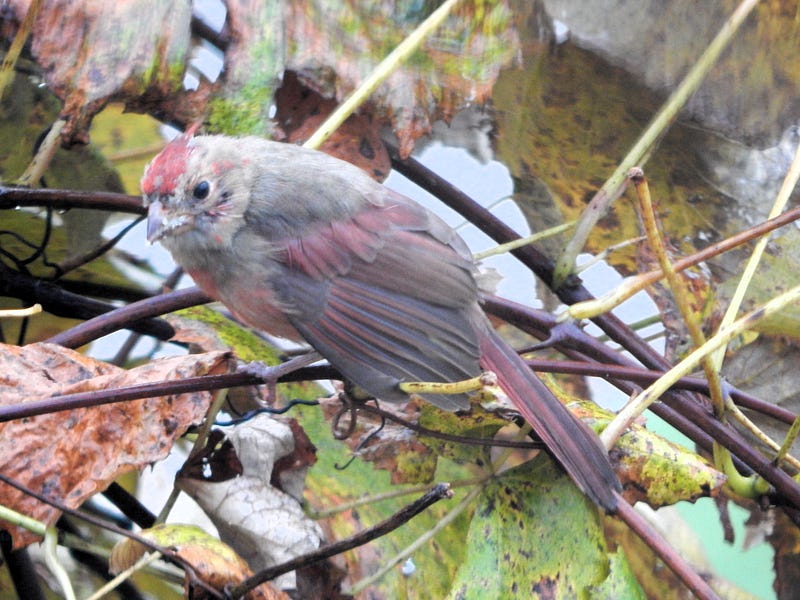
That said, it is fun to identify birds while hiking/and or biking. I often use Merlin, a fantastic birding app that allows for the identification of birds using sound. Most times, I am able to verify the species by spotting the birds. If you can get a good photo and are unsure of the species, the app can also use your photo for identification.
October is moving along, and soon November will be here. I’m starting to see “Winter” birds such as the Dark Eyed Junco. As a rule, once they arrive, colder temperatures are not far behind. I also have seen quite a few Black-Capped Chickadees, as they start coming into yards looking for food at the feeders.
End of Story Extra-Volume 5
This is a new feature in my articles. I will post an added bonus at the end of the article, separate from my usual 3 story links. It could be a photo, an extra paragraph, or something else. Stay tuned and keep reading.
I have been working on getting my feeders ready for the season. I have a variety of feeders, including a platform, thistle seed feeder, tube feeders, suet feeders, and a hopper feeder. I even have one that is a mini picnic table. I will show below some of how I set them up and get them ready.
Project FeederWatch Begins 11/1/23!
For those who follow my articles, you know that I participate in Project FeederWatch each year, which runs typically from November through April. It is a great citizen science project for people of all ages. It is easy to participate in, and it provides valuable data regarding bird populations and locations. I will write a more detailed article regarding Project FeederWatch near the end of October.
Preparing and Setting Up The Feeders
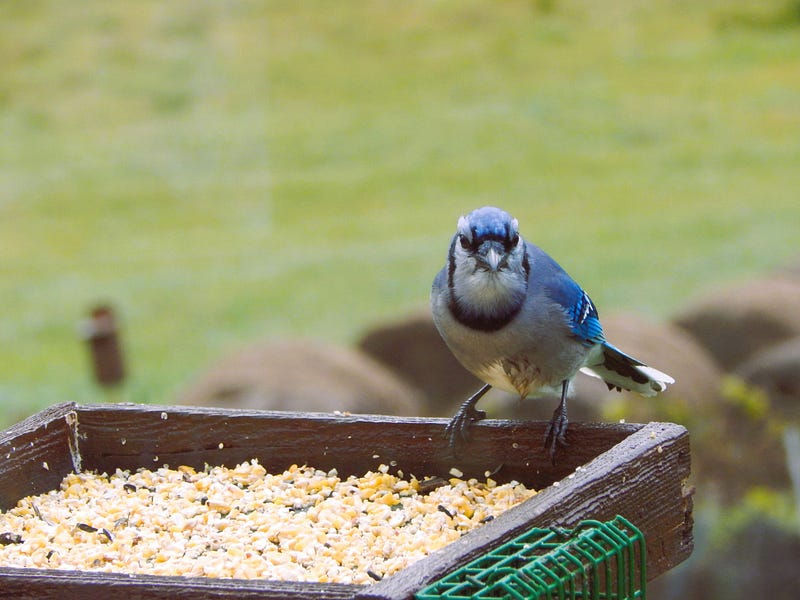
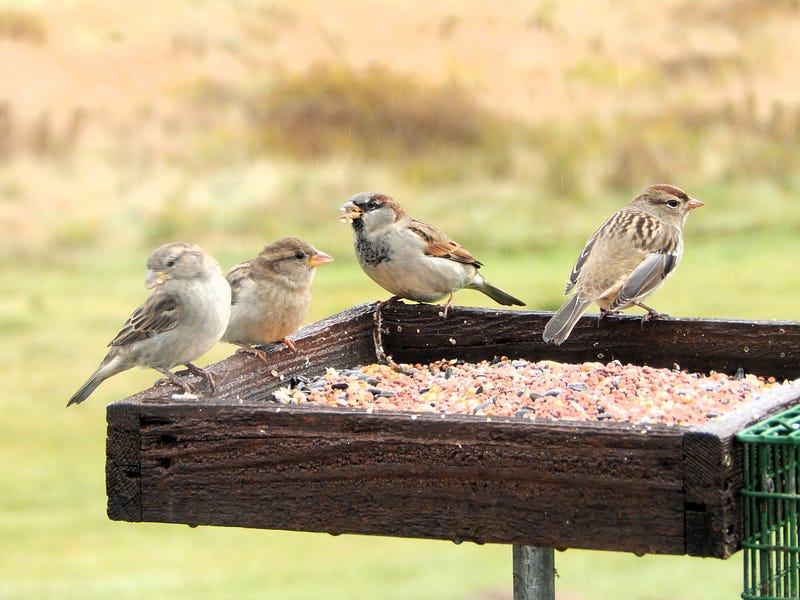
I started with the platform feeder, my main feeder, and my favorite feeder for photography. It is outside our family room bow window which faces Southeast and is on a pole about 10 feet high (half-inch galvanized pipe) so it can be viewed from inside. How do I fill it? Well, that’s another story. Platform feeders allow for multiple birds to feed at once, and, as I mentioned, are great for photography. Since we live in the country, surrounded by farm fields, the background for the photos is nice also.
This feeder is getting shaky, and I probably will have to replace it next year. It must be at least 10 years old. For now, I cleaned it and gave it a fresh coat of stain. I also replaced the suet basket, since of of the latches was broken and the suet kept falling out.
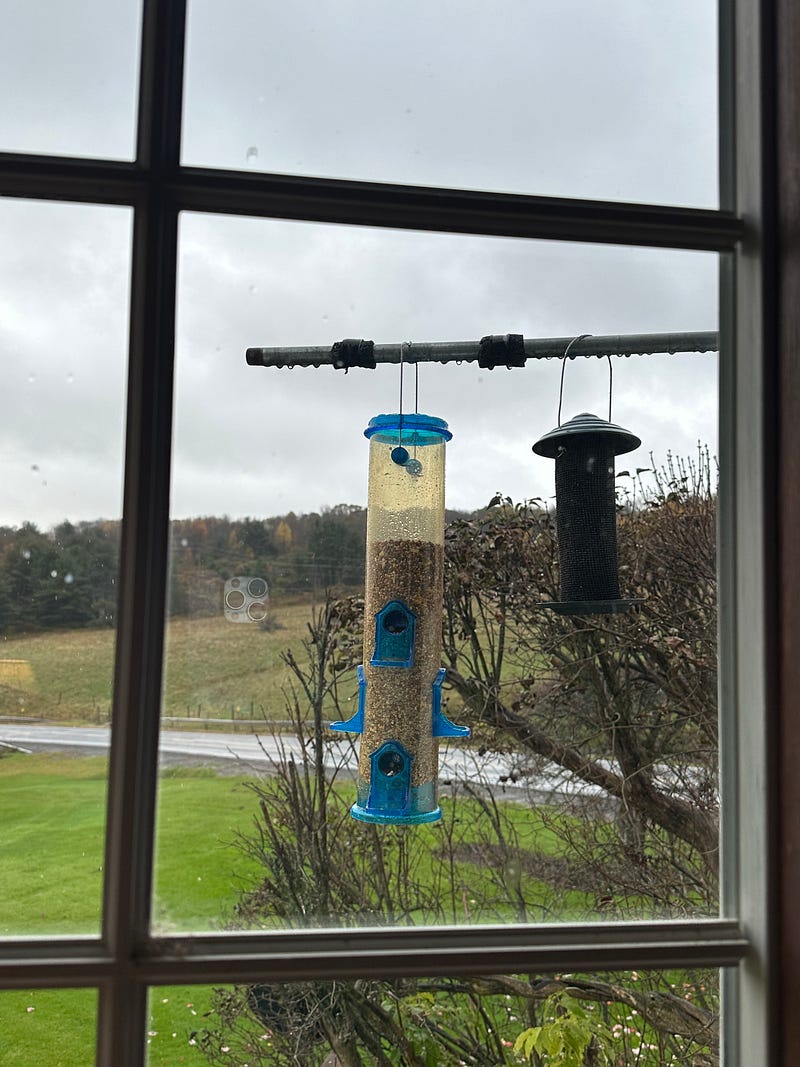
Next, I cleaned and repaired the tube feeder and thistle seed feeders that hang outside the kitchen window. The bracket holding on the bottom of the thistle feeder had rusted off, so I refastened it using a wire up through the center of the feeder. It should hold, at least for this season. I do leave the thistle feeder out year-round to attract the American Goldfinches.
Feeders on the West Side of the House
Over on the other side of the house, which faces Northwest, I have 5 more feeders set up. Our deck is on that side also; I try to avoid putting feeders there due to the mess. I learned that the hard way.
In the yard, beyond the deck, I have 2 garden hooks/poles set up. On the pole closest to the deck, I have a wooden hopper feeder and a wooden suet/seed cake feeder. I cleaned these and gave them a coat of stain to help preserve them. The birds love sitting on top of the poles, and they also love this side of the house because of the huge pine trees, which create a woodsy area of the yard.
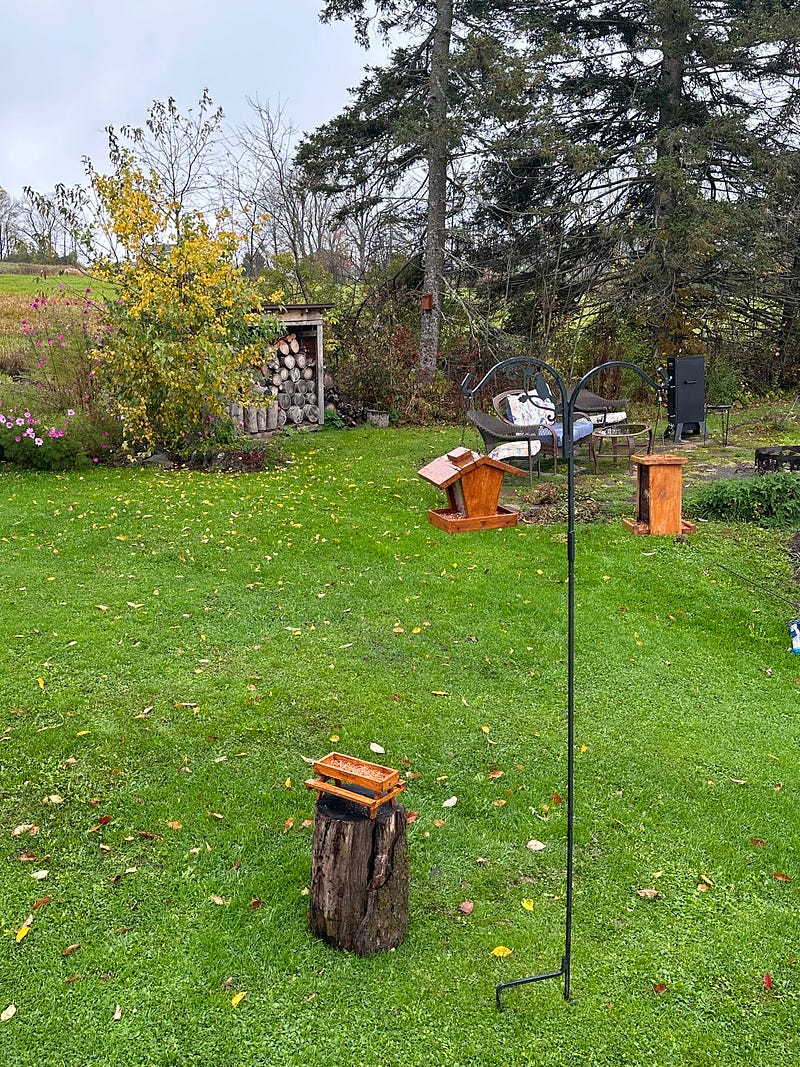
Next to the garden hook/pole is a stump on the ground with a picnic table feeder. The birds also love this feeder, as do the squirrels when they come around. We haven’t had too many squirrels in the past few years, probably due to the farm cats next door that frequent our yard. Luckily, they don’t seem to bother the birds.
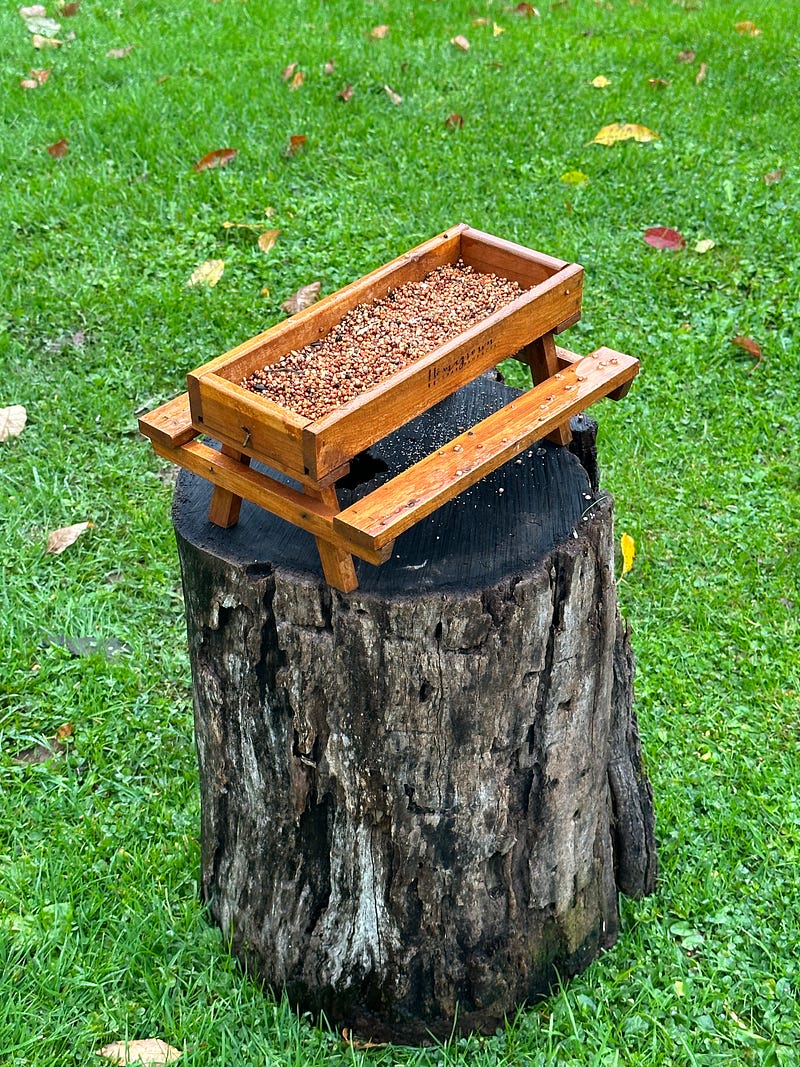
A little further back, closer to the trees and next to the stone patio/fire ring, I have another garden hook/pole with 2 more feeders. Here I have a plastic tube feeder and a suet feeder.
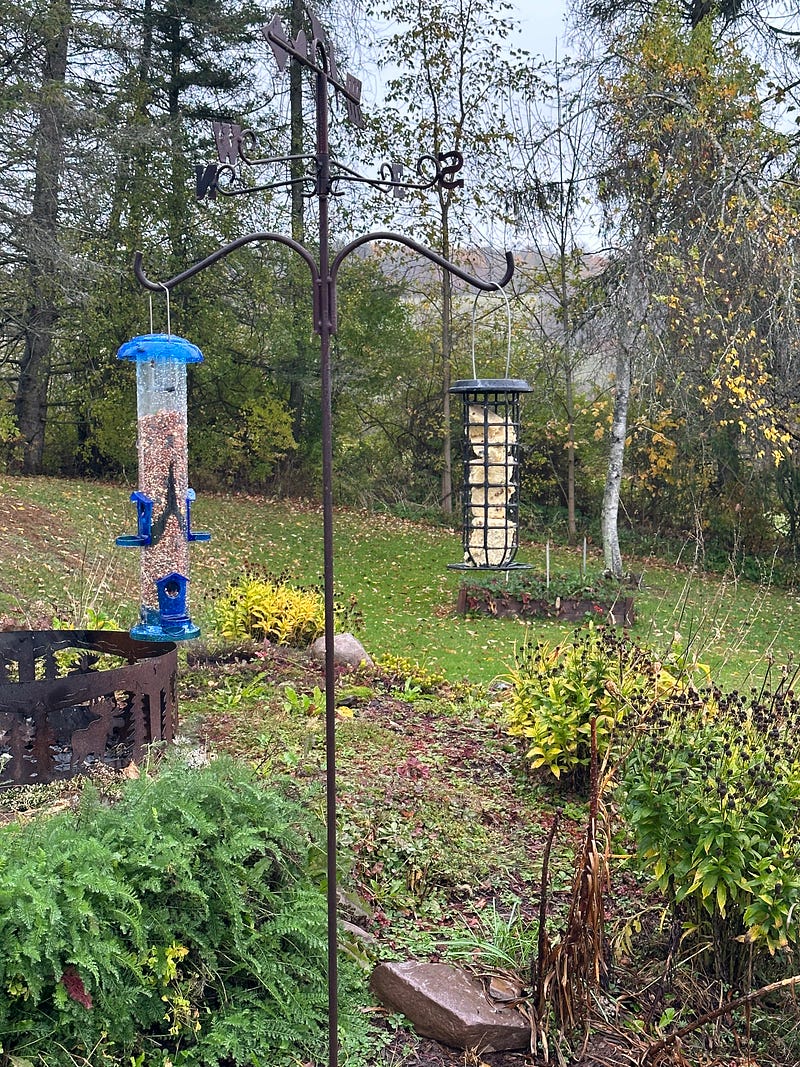
Yeah, I know, I have quite a few feeders. 7 in total. I normally only put out seed on weekends, when I normally do my 2 consecutive bird counts for Project FeederWatch. During the other days, the birds clean up what is left, which is usually more than enough to last the week.
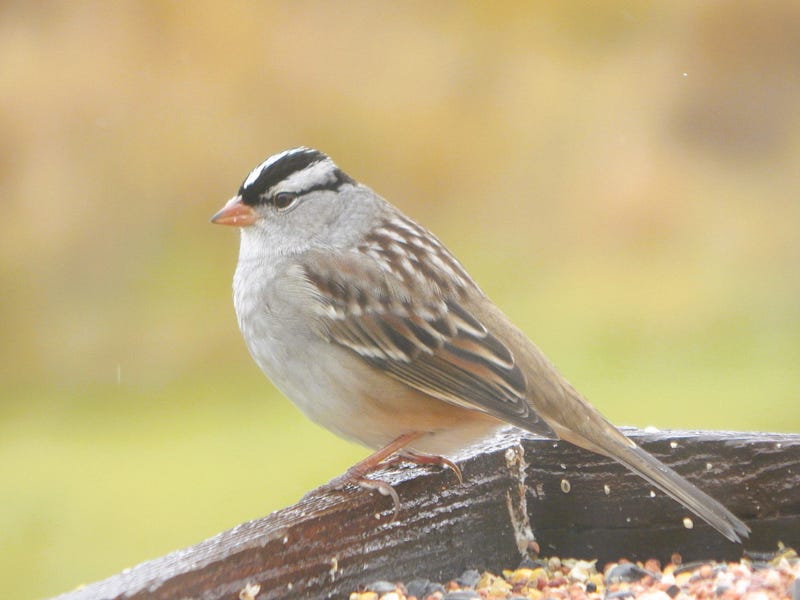
Today I filled the feeders, to see what birds are around. So far, I have seen Blue Jays, Northern Cardinals, House Sparrows, White-Crowned Sparrows, Mourning Doves, and Dark-Eyed Juncos.
Stay tuned for more updates and more information on Project FeederWatch. Have you set up your feeders yet?
End of Story Extra-Volume 5
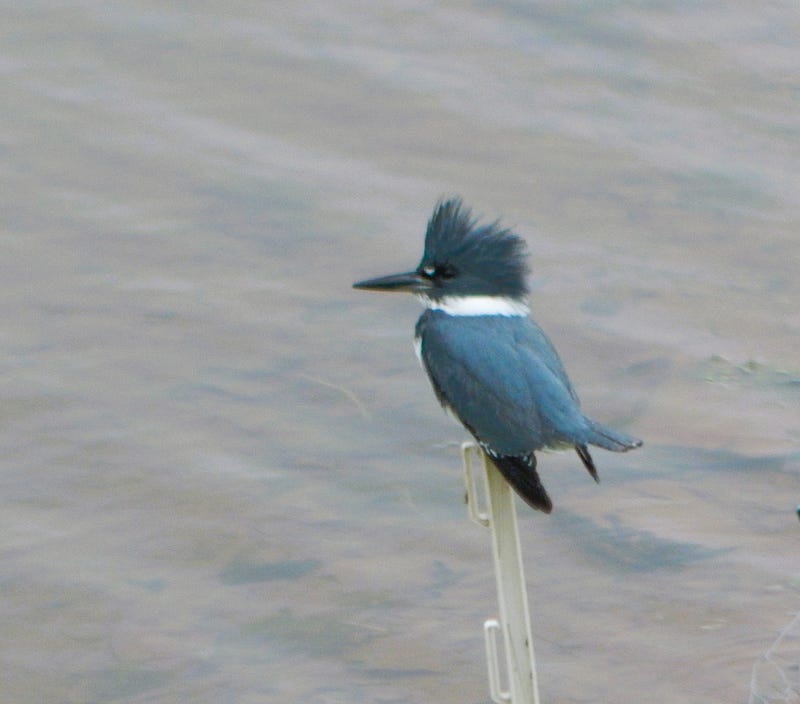
This time, I have an extra photo for you. You guessed it, a bird photo. This is of a male Belted Kingfisher that has frequently been seen this year near the pond for at least 2 or 3 months now. It always sits on the same fence post near the pond. I believe they are year-round residents in this area.