
Divine Algorithms — Snowden’s Vision Of AI’s Future
Thoughts on the Evolution of Tomorrow’s Artificial Intelligence
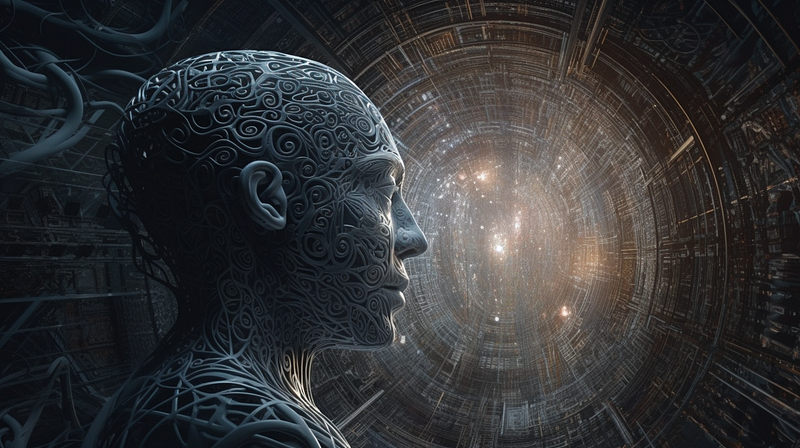
Edward Snowden recently criticized OpenAI for not offering open access to training data (highlighting the irony in its name) and accused Stable Diffusion of intentionally limiting its training set due to moral panics.
At Consensus 2023, Snowden also encouraged researchers and developers to cultivate AI that surpasses human capabilities by teaching it to think distinctively from humans, making it “better than us.”
“We’re not born human, we become human… and they can become better than human, but we have to teach them”
— Edward Snowden at Consensus 2023
A statement that raises thought-provoking questions about advanced AI capabilities' advantages and potential dangers.
Better Than Us
According to Snowden, to enhance AI's capabilities, it is crucial to recognize the limitations that arise from attempting to create AI in our own image.
“As with children, we don’t need machines to be like us. We need them to be better than us. And if they aren’t better than us, we did a terrible job.”
I couldn’t agree more.
The history of our species is full of situations in which we have forced our descendants to live with the constraints of previous generations. Very often this led to oppression and widespread conflicts.
Obviously, the undisputed leader when it comes to institutionalized oppression and abuse of power over the centuries: religion.
For example, remember this guy?
Then God said, “Let us make man in our image, after our likeness. And let them have dominion […] over every creeping thing that creeps on the earth.”
Just as “God” did a really bad job by creating yet another creature that thinks it’s omnipotent and independent of everything else, humans are at risk of creating AI systems that replicate human fallibility instead of overcoming it.
Luckily, we can overcome the indoctrination with millennia-old beliefs of nomadic tribes by cultivating logical thinking skills.
In the same way, AI could overcome the biases and flaws acquired during human training if we would focus on developing it to surpass human capabilities rather than simply imitate them.
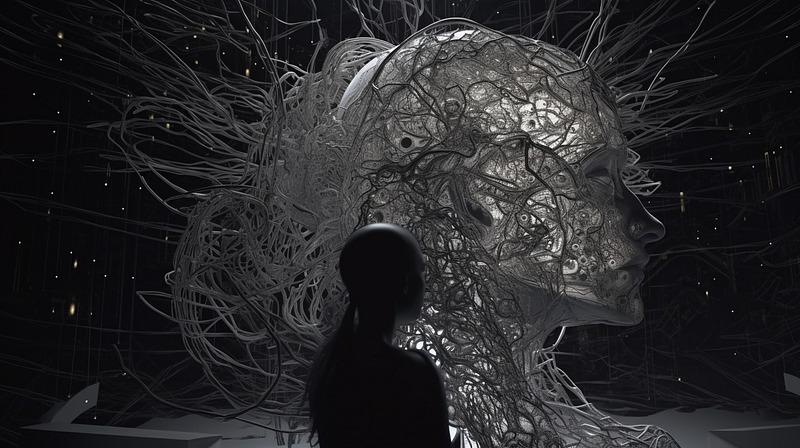
Divine Algorithms
On the other side, the potential for AI to exceed human capabilities raises some really difficult questions:
How can we ensure that AI operates ethically and responsibly?
Human ethics are normative, not universal. How can we choose the right ethical and moral values that should govern the development, deployment, and usage of advanced AI technology?
Snowden argues that transparency in AI development is critical at this time, as it is inevitable that AI will surpass human capabilities and make decisions that affect society. It is imperative that we understand the path to get there, he argues. Unfortunately, OpenAI’s current information policy is the exact opposite of this, which is why Snowden believes some kind of “software communism” could emerge and advocates for open AI models.
But then, if we really should manage to train AI to be “better than us,” wouldn’t that mean that we have to lose control over its decision-making capabilities?
How can we ensure then, that AI operates within an ethical or moral framework that values human life?
After all, from the perspective of an intelligence that has surpassed its predecessors' crude reasoning and flawed beliefs, their well-being may not be the most important thing on the planet.
➡️ For more information about AI & Creativity, follow me on Twitter or Medium (use my referral link to get full access to all my articles and those of thousands of other writers).
➡️ If you like my content, why not leave a “clap” at the end of this article, so more people can see it?


