What is Distributed Energy Resources (DER)
DER- Introduction, Production, Transmission, Distribution, Storage, Applications, Renewable Energy, Smart Meters, Smart Grid Technology. #Winning article of IEEE MEC SB Focus Contest
The world today is seeing an unprecedented surge in the usage of energy. There are two main reasons backing the surge. The first one is that our dependence on electrical energy is so high that even one day without it can put inevitable damage on us. The second reason will be the science and technology revolution of the 21st century which is driving our lives. Due to these two reasons, we have found that the existing system is not able to give us a desired output or performance. That is how we have landed into a new concept named Smart Grid Technology and more precisely known as “Distributed Energy Resources” (DER).
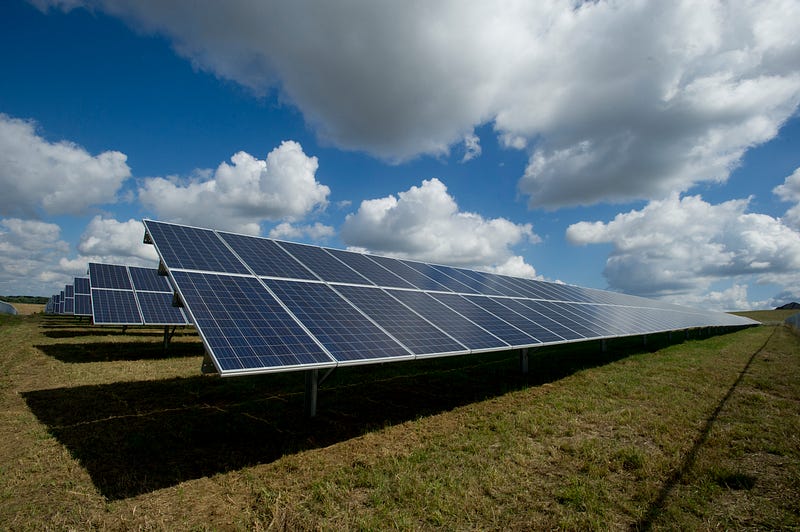
The conventional system
As we all are familiar with various terminologies with respect to energy, we also are aware that energy is produced, transmitted and consumed. These three are distinct systems and the energy system is nothing but an integration of these systems into one.
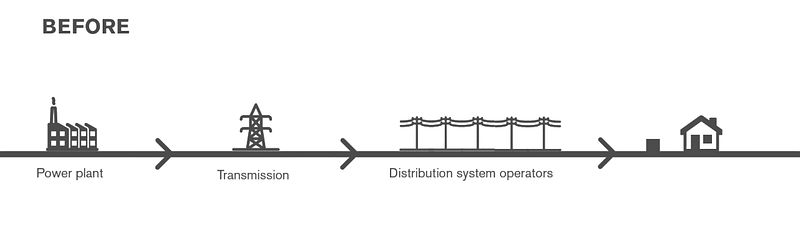
The first phase is known as production. The energy is produced in a power plant where it is converted from mechanical or chemical energy into electrical energy. Power plants produce electricity on a large scale in order to be cost-effective as well as to meet a large end consumer demand. Production can also be referred to as sources of electrical energy. The commonly known sources are Hydro, Thermal or Nuclear powerplants.
The second phase is known as transmission. Just as the name suggests, the produced energy must reach its rightful consumer. Transmission is there to solve the issue by simplifying the same. Simplification makes sure that this process is done easily, cost-effective and efficient. If a town has a large population with 10,000 houses, instead of drawing 10,000 power lines from the power plant to these houses, only one line will be there till the town and it will be later distributed amongst the consumers. Transmission is usually done through overhead power grids or even underground power lines.
The third and last phase will be consumption. Although consumption can be given importance, electrical engineering and peripherals deal more with production, transmission and distribution. Electrical engineers need not be worried too much on the utility of electricity to the consumer but rather provide appropriate supply to him. So, we can correct the last phase as distribution. From the example mentioned the only line is required for transmission, but there are 10,000 consumers, so there need to be that many unique connections. Also to be noted that each consumer uses electricity variably. So it is not just enough that we equally divide the lines, but also ensure that each consumer is able to consume the power according to the demand. Distribution is as critical as transmission.
Distributed Energy Resources- A new conceptual system
The North American Electric Reliability Corporation (NERC) had made a report in 2015 concerning Bulk Electric System (BES) which is a subset of Bulk Power System (BPS) which is the most used electrical system. This report suggested the growth of a very important factor in the energy sector- Distributed Energy Resource (DER).
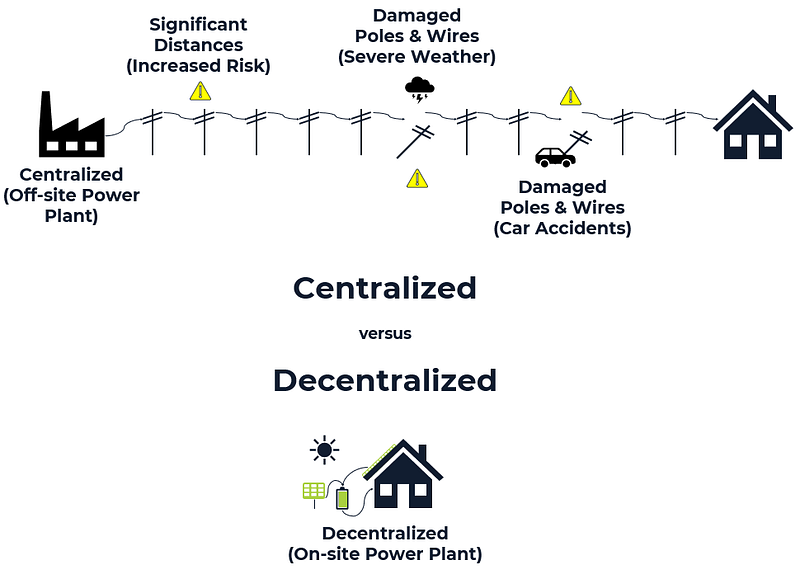
Unlike the existing conventionally used system, Distributed Energy Resources is a decentralised system. The existing system is far too centralised, inefficient and outdated to meet the present energy demand. DER is generally considered to be a hybrid system and also is decomposed into different modules rather than a singular one. This makes it more compatible as well as convenient.
What is DER and what all does it constitute?
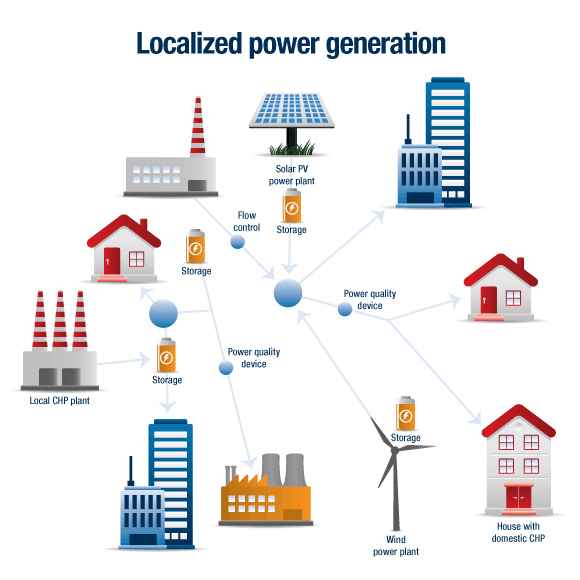
Unlike the power plants which are far away from the city or it serves, DER is located closer to the area it serves or in the site itself. Distributed systems also use renewable energy contrary to the existing system which uses conventional forms of energy. A popular example of DER will be a building or a township which is producing the energy required for it in the compound itself rather than taking it from the grid/power supply. CIAL airport in Kochi, India can be a familiar example for DER. It is the world’s first fully solar-powered airport.
Components
Just like the ordinary system, DER is made up of multiple components when put together to form a single system. Hence, called as distributed. The main components are generators, storage and distribution. The terms Distributed and Distribution are not supposed to be confused with as these two are distinct.
Generation
This term refers to power generation. As compared to conventional sources, these are small scale and easier to operate, manage and maintain. Generally, any source which produces from 1 KW to 10 MW can be fit into this.
Sources
Fuel cells
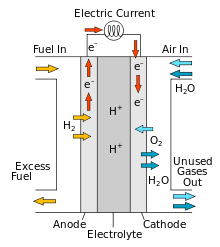
It is an electromechanical cell which converts chemical energy often hydrogen or natural gas to electricity in the presence of oxygen. Fuel cells work in a different principle than batteries which is also a form of chemical energy. The combustion in fuel cells is 100% clean and green.
2H2 + O2 — → 2H2O
Microturbines
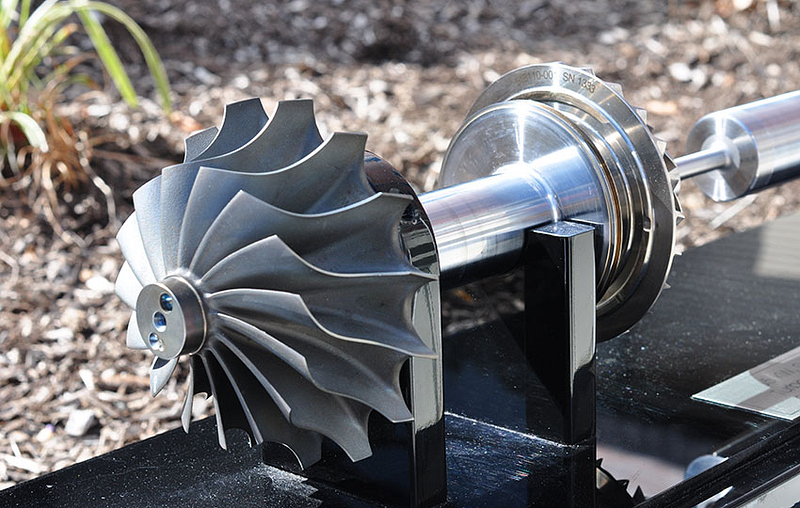
Usually the size of a refrigerator, microturbines use gas as a fuel to run the turbine and give an electrical output. These can have a maximum efficiency of up to 25–33% but generally are considered too low efficient. Microturbines generally can be considered to work on the principle of turbochargers or internal combustible engines. They can produce anywhere between 25kW and 500kW of power.
Photovoltaics
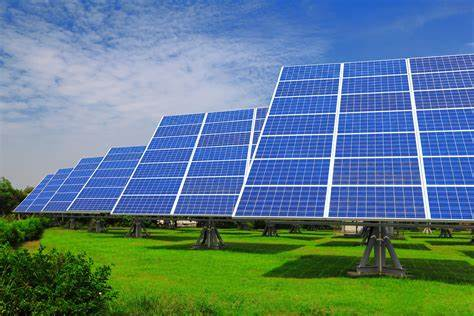
The most popularly used solar panels are called photovoltaics. The smallest unit is called a solar cell, which is capable of converting sunlight or solar radiation to electric current. A solar cell is mostly made up of crystalline silicon, while new technology is being adopted called a thin-film solar cell. Since there are no moving parts and no emission, these require no maintenance and also have zero operational cost.
Wind Turbines
The fast-moving air (12–14 km/h) is called wind and it has enough strength to rotate the blades of a windmill which in-turn move the coil producing electrical energy. Even though this requires a high initial cost and maintenance, it will prove cost-effective in the long run. Multiple windmills can be put together and transformed into a wind farm. Europe is one of the largest utilisers of wind energy.
Waste to Energy
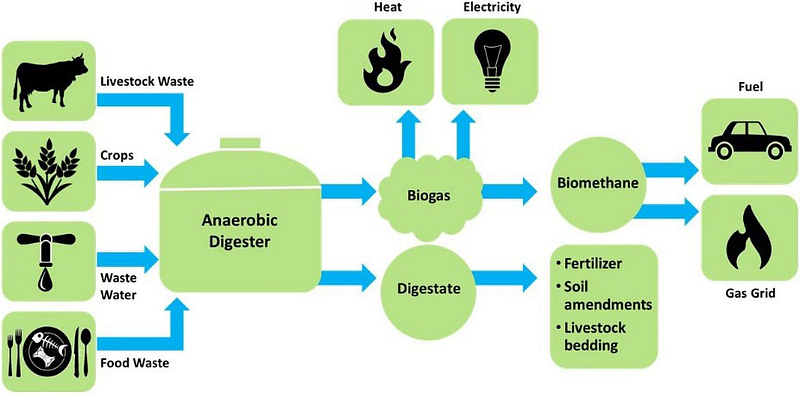
This is something which can be commonly tried out in homes, a cluster of homes, villas, flats and apartments. The solid waste which is generated in our homes or firms can be treated where generated itself. Bio-pit and bio-gas digester bin can be used to produce biogas which can be used to generate electricity. The slurry obtained as a byproduct can be used as fertiliser.
Storage
It is not just enough that we produce electricity. We might not require it to be used immediately. Thus it requires temporary storage. Later, power can be derived as required from storage.
PV Storage
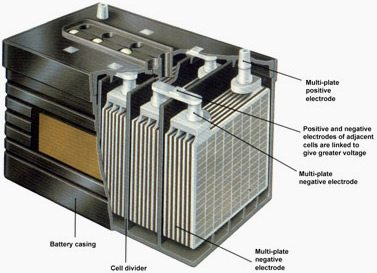
This is a commonly used storage technique and is known to us in a different label called as rechargeable batteries. This storage uses chemical reactions to function either as a charging/discharging device. During charging the equation is totally the reverse of discharging. Rechargeable batteries are also called secondary cells.
The different types of batteries include lead-acid batteries, nickel-cadmium batteries, and lithium-ion batteries. Lead-acid batteries use lead oxide (PbO2) in acidic medium (Sulphuric acid). Nickel and Cadmium Hydroxide (Cd(OH)3) is used in Ni-Cd cells. These are also used in electronic gadgets and electric vehicles. The movement of ions regulates the electric current in the circuit.
Flywheels
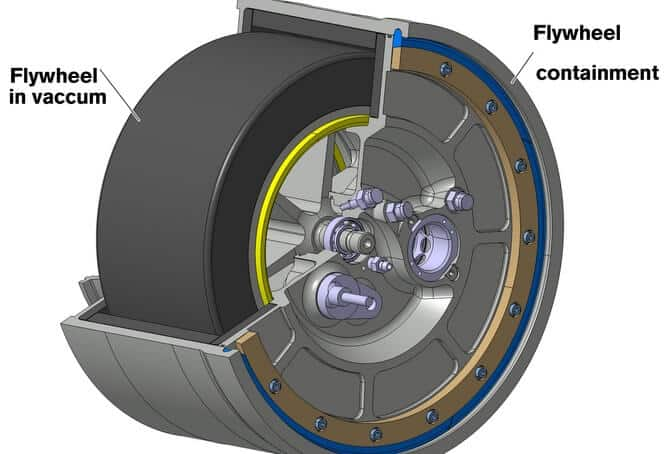
This is a mechanical device used to store energy. The device works on the inverse principle of an electrical generator, i.e. to convert electrical energy to mechanical kinetic energy. The working of the flywheel is comparable to that of a motor. The flywheel has a fast-spinning rotor, often made of steel which is being replaced with high tensile carbon. In order to reduce the friction, it is often enclosed in a vacuum column and magnetic bearings are used. On charging, the speed of the rotor increases vehicle while on discharging the speed of the rotor decreases.
Distribution
Microgrid
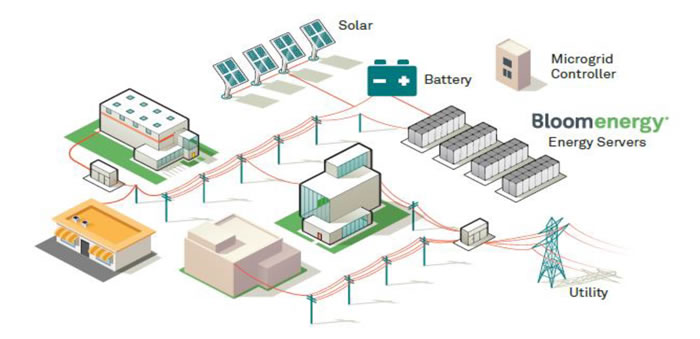
This is a method used to distribute electricity on a small scale. The grid operates at low voltage and doesn’t require the usual stepping-up or stepping down of voltages. The biggest advantage of this is that it is very easy to control it, unlike a macro grid. The idea of microgrids propped up after the world’s biggest power blackout in the history on July 31st 2012 in India.
UPS
Stands for Uninterrupted Power Supply. It acts as an oscillator, converting DC current from a battery to AC power for consumption. UPS works full time to ensure uninterrupted power to the system.
Characteristics of DER
- Premium power
- Back-up power
- Peak shaving
- Low-cost energy
- Usage of smart meters and gauges enable low power demand during peak hours.
- Use of virtual power plants
- IEEE 1547 sets the specific curve for voltage and frequencies
- IEEE 2030.7 is used for communication, having four blocks- Voltage, Frequency, Local Area.
- Interconnection between DER and Grid possible
Advantages
- Low-cost factor- This will mean that cost per kWh
- Off-grid- This means that dependency on the centralised grid can be reduced
- Switching is possible- You can easily switch from the power supply and DER
- Less transmission loss- Since power need not be transported over long distances, the loss of electricity is very low.
- Clean and renewable energy- Non-Conventional sources are non-polluting as well as are renewable.
- Overhead power lines- Completely eliminate this problem
- Sustainable- Enables effective load and energy management.
- Penetration- Even places without electricity, far away from the grid and where power is hard to reach due to penetration.
Virtual Power Plants (VPP)
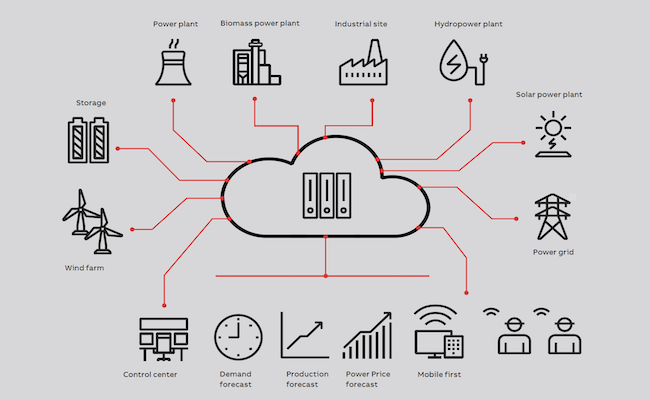
This is a cloud-based DER system. It is an integration of multiple DER networks together. VPP is able to give ancillary services to stabilise the power grid. VPP does make good use of new technology like IoT and Communication Technology to improve the performance of the system.
Smart Grid
We already understood that DER is a part of Smart Grid technology. This technology ensures community participation in energy systems, unlike traditional systems where the consumer’s role is just to pay the bills. Ideally, as a consumer, he also should be aware of how the energy is produced, the carbon footprint and new technology. Thus a consumer will be able to participate and can make efforts to replace traditional sources with renewable energy solutions.
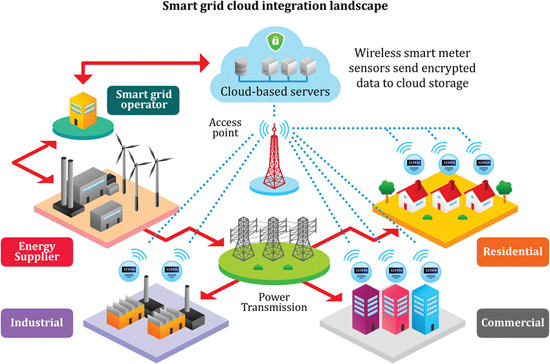
Smart grids will be able to detect power burnouts, blackouts, faults, change according to surge/drop in demand etc. These will also reduce transmission loss and loss due to the Joule effect. The technology uses Cloud-based servers to store and analyse information about the grid.
IEEE has started its own project in 2010 called the IEEE Smart Grid Initiative which aims in modernisation and organisation of power grid. IEEE: C37.118, IEEE 1547, and IEEE 1686–2007 standards were developed. IEEE is one of the main organisations in the forefront for Smart Grid initiative through publications, papers, manuscripts, creating standards etc. The first paper was released in 2011 in IEEE Smartgrid Newsletter.
Existing DER systems in the world
Virtual Power Plant is a technique which is used in parts of Europe, Australia and the US. Australia’s AGL Ltd has announced a DER project in the city of Adelaide. A similar project is being planned in Denmark. Kiwi power, a global energy company, has planned a project that it will implement in Ontario, Canada after its operational success in Texas, USA, using VPP.
Tesla has already built a microgrid in the island of T’au in American Samoa. It has built a Solar city with $2.6 billion. There will be enough power storage backup for three days on the island in the absence of sunshine.
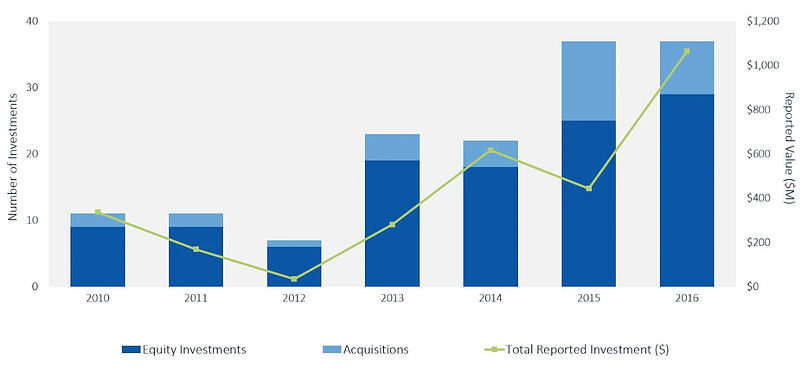
Future of DER and Smart Grid
The ideal situation in this world will be when each individual house will have it’s own sustainable Distributed Energy Resources System. Each house will have a rooftop solar panel, a rechargeable battery and its connection. Although it may seem to look like a distant dream to many, various countries have already started working over it. Governments are giving subsidies and incentives for people to come forward and voluntarily enrol in the programme. China and India are way ahead in this. A commendable effort is taken by India to form a solar alliance.
More energy sources like mini-hydel power plants, the tidal system run by private establishments will be prominent. In the IEEE Spectrum Magazine published in 2013 January, an article mentioned that Japan is planning to phase out 50 GW of Nuclear Energy within the next 2–3 decades and replace it with renewable sources and decentralise the grid.
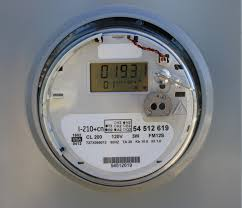
Devices like smart meters can improve consumer experience and efficiency of the system. They can record consumer usage behaviour across various time periods. These can work on WiFi and communicate between the supplier and consumer while in need. The UK is one of the countries to have used the smart meter system. In North America, ANSI protocol is used while the OSGP protocol is used in Europe. The biggest application of DER is going to be in the field of electric vehicles. Europe is also the first continent to have an international level Smart Grid Project across different EU states. The USA is also planning to implement a similar project, through a legal framework.
Deregulation is the way forward in the energy sector. The governments are expected to remove regulations on private players, strict norms etc.
Conclusion
With an increase in demand for energy and resources, it is high time that we change the system step by step. From an ordinary grid system, we need to move to smart grid technology and that is why DER is essential.
With more liberalisation and privatisation we are going to see an extensive boom in the energy sector where participation of individuals and companies will increase and they will decide the future of the energy sector.
References
- Wikipedia
- The Verge
- IEEE Xplore
- IEEE Spectrum
- Bing
- Renewable Energy magazine
- Nature.com
- TD world
- NERC
- Green Tech Media
- National Geography
- NSGM Govt
- Australian Govt
- Utility Dive
- Livemint
- Wbdg
- NCERT 12 Chemistry
Image Credits
- Puns group
- Wise energy
- Wikipedia
- University of Sheffield
- EESI
- Electrical Engineering Portal
- Electrical Funda Blog
- Green Tech Medi
- GTM Research
- IIOT World
- Bloom Energy
- Medium
- EPA
- EDSO
- IEEE Smart Grid
I have started a Telegram Channel which will contain the record of all my articles. Follow my personal blog for behind the scenes and informative content.