
Distance makes no difference with love — The complete Teri McQueen interview
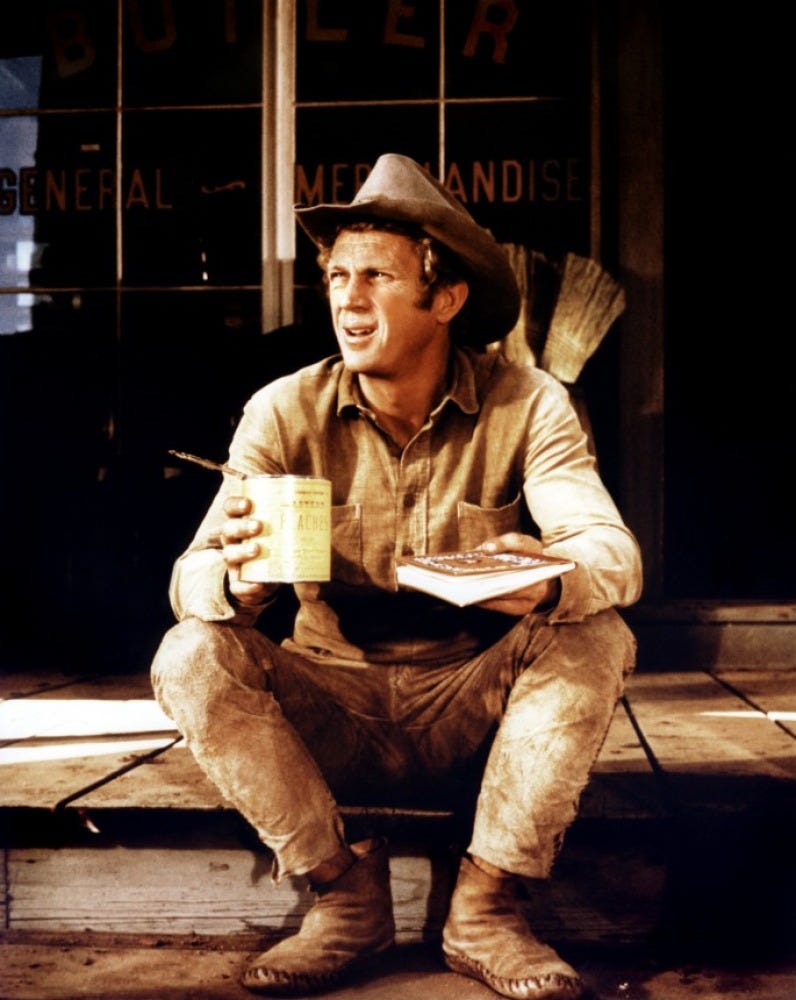
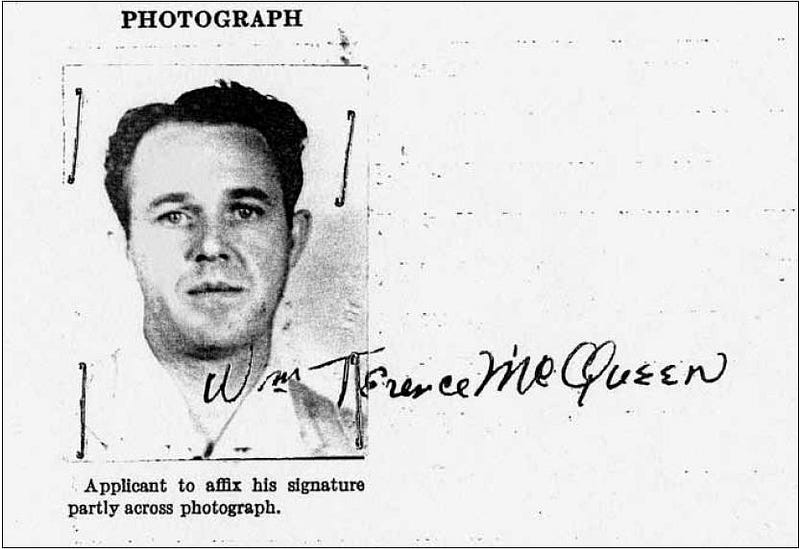
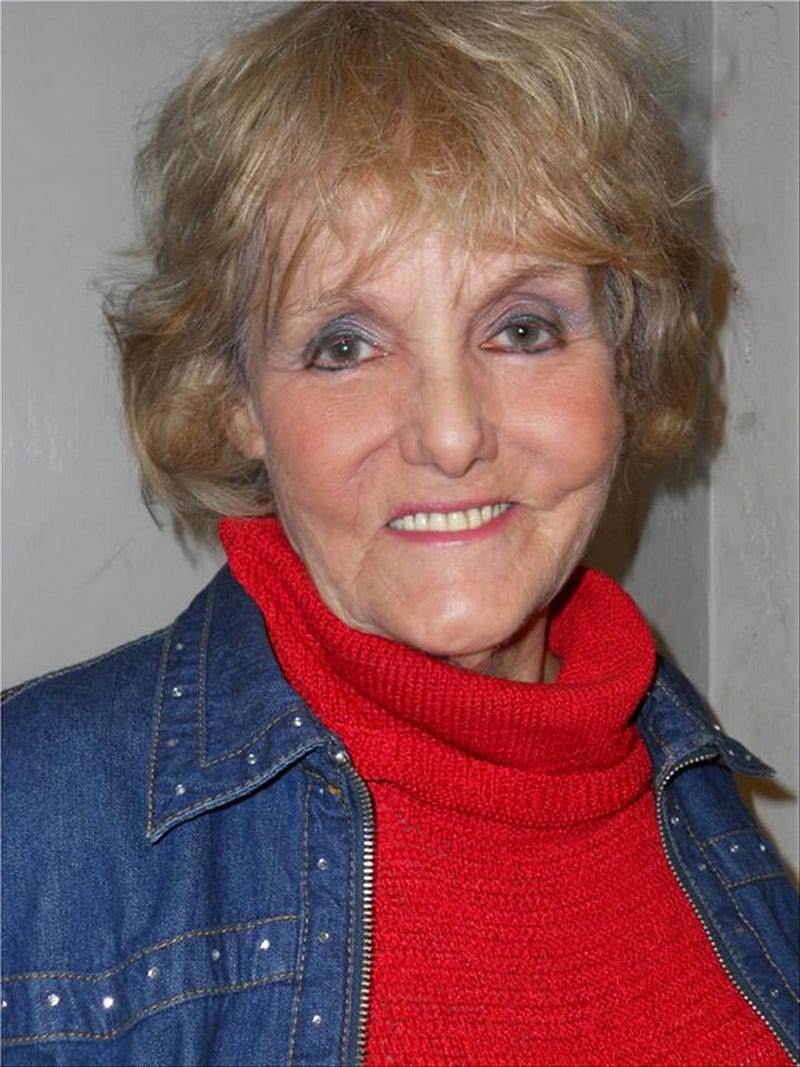
Teri McQueen kept an extraordinary secret for nearly 70 years. That is, until best-selling author Marshall Terrill, in the midst of researching the exhaustive Steve McQueen: The Life and Legend of a Hollywood Icon, his fifth book devoted to the late cultural phenomenon, came upon the military records of William Terrence McQueen, the restless merchant mariner who abandoned his son, the King of Cool, for the allure of the Seven Seas.
Terrill was flabbergasted when he realized that the elder McQueen had listed a second dependent. The news was especially noteworthy considering that the King of Cool, along with all existing biographies, had insisted that he had no siblings. A private investigator was tasked with locating William’s heretofore unconfirmed daughter with second wife Alma Doris Moody.
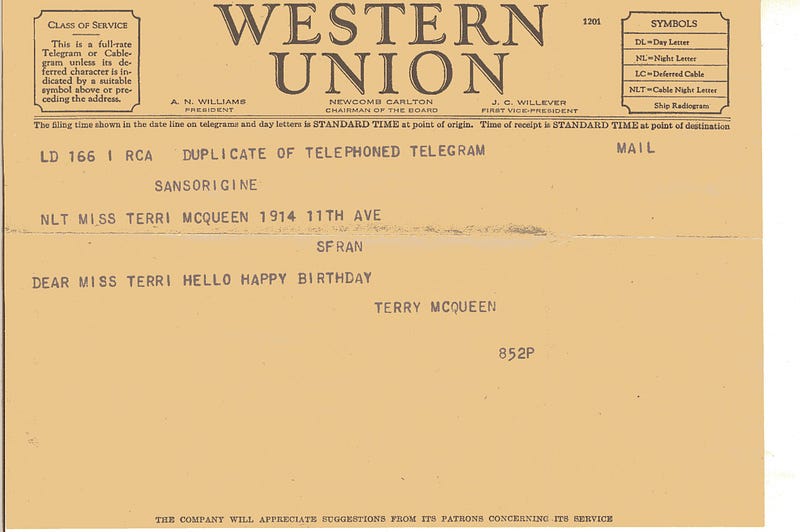
Ten years younger than Steve, living anonymously in Missouri, and feeling that no one would believe her if she stepped forward, Teri possessed correspondence from her late father, including a Western Union telegram wishing her a happy birthday. Terrill ultimately verified the humble, down-to-earth lady’s identity, and an exciting chapter of her life emerged.
Father and daughter only intersected a handful of times while the latter was still an infant. Ironically, at one time Teri lived several hundred yards away from both her father’s final residence and gravesite and never knew until recently.
Teri began stitching the pieces of the puzzle together one afternoon when she arrived home unannounced as her mother was watching Wanted: Dead or Alive [1958–1961], the half hour CBS Western series that made the King of Cool a household name. Prone to imbibing, Teri’s mother inexplicably let her guard down, remarking how strongly Steve resembled his father.
Teri never met her half-brother. They came shockingly close several years after Teri auditioned for famed Bonnie and Clyde director Arthur Penn in hopes of nabbing Jane Fonda’s eventual role in The Chase, an underrated indictment of violence in American society costarring Marlon Brando and Robert Redford.
By the spring of 1968, Teri was barely making ends meet in Hollywood as a struggling actress. She bravely visited the set of the testosterone-fueled classic Bullitt and tried to get a note to her famous brother to no avail. A further opportunity eluded them, as Steve succumbed to mesothelioma some 12 years later at the relatively young age of 50.
Still, their journeys are remarkably similar. From hard-scrabble beginnings severely exacerbated by abusive relatives and constant relocation to multiple failed marriages, both managed to persevere and overcome the seemingly insurmountable odds.
A multifaceted individual, Teri has spelunked extensively, trained horses, earned a record production degree, and worked in real estate. She continues to work regularly in a Kohl’s department store in Southern Colorado. Her three children and still-accumulating grandchildren provide lasting contentment.
In her first interview since Terrill’s tome introduced her to the world, Teri sits down for a no-holds barred conversation, revealing whether her father actually flew under the Golden Gate Bridge, if her life has changed since fans know she is a real McQueen, her debut in front of thousands at the annual Steve McQueen Days Festival in Slater, an intriguing dream about the bona fide King of Cool, what she hopes to say to him in the hereafter, and how his legacy still impacts young people [in an unfortunate irony, Teri waged a three-year ordeal with an inoperable stomach cancer tumor much like her half-brother, passing away on May 15, 2019, at age 79].
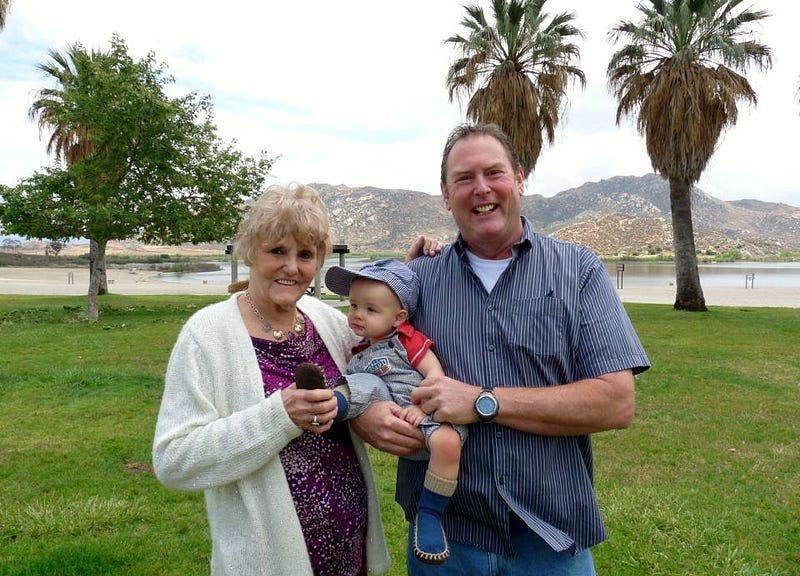
The Complete Teri McQueen Interview
Where were you born?
I was born in Seattle Washington, on May 5, 1940 and was named after my father, who was known then by his middle name “Terry.”
[Author’s Note: Teri’s official birth certificate lists her full name as “Terri Carol McQueen.” Complicating matters, the King of Cool later had a daughter named Terry. Born in 1959, she tragically succumbed to respiratory failure in 1998, mere months after undergoing a successful liver transplant. A younger brother, Chad, survives her and operates McQueen Racing LLC. According to biographer Marshall Terrill, the whole line of McQueens have historically tweaked the letters in their names and have often employed what he terms as “The Name Game”].
We lived there until I was about three years old, then we moved to San Francisco. I wasn’t living with Mom as she was working in San Francisco. I was being boarded by a family in Redwood City, California.
My grandmother, Mabel Moody, came down and picked me up when I was four and took me back to Spokane, Washington, where the rest of our family lived. I always called her “Mino.”
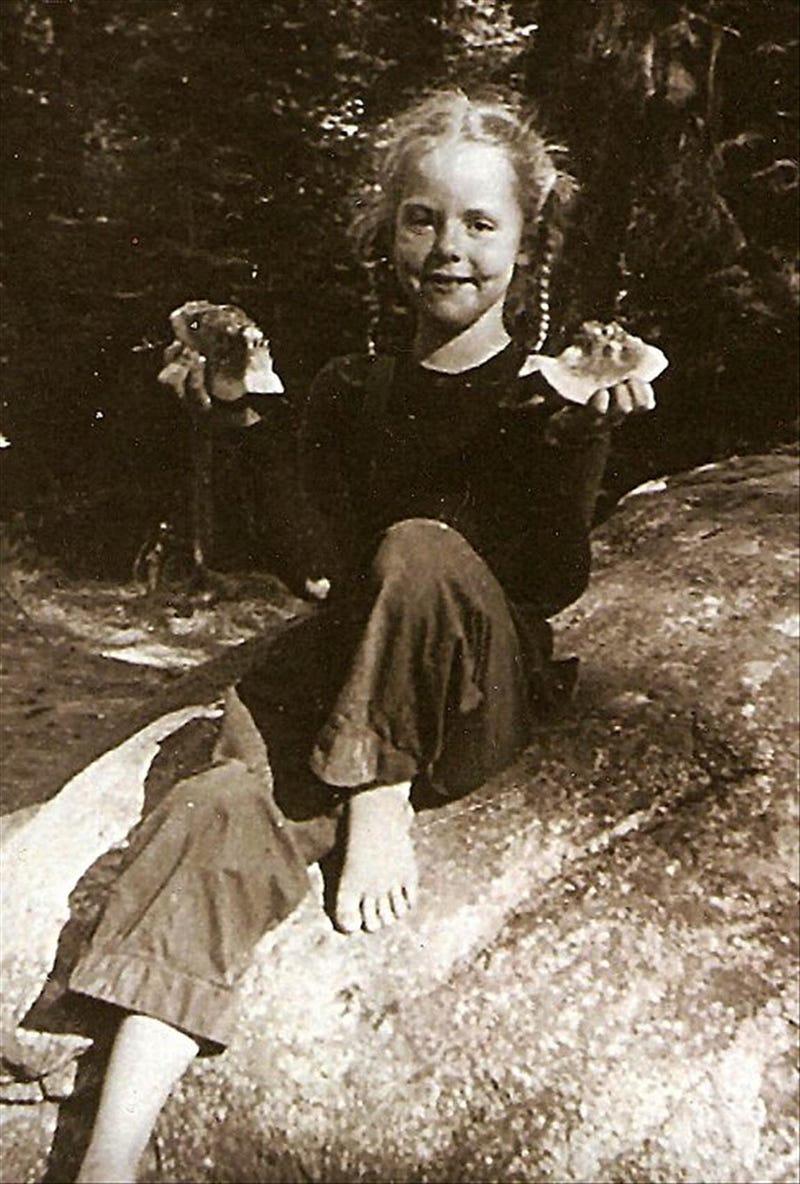
Did you have a happy childhood?
I had a miserable childhood, as I was being shuttled here and there continually. I never really had a home at all. I lived with my grandmother for a very short time, then my aunt came and picked me up, taking me to Omak, Washington. She didn’t think my grandmother was strong enough to be raising me.
Mino passed away by my fifth birthday, so my mother returned home. We stayed with my aunts in Spokane, Washington, for a bit. One year I would go to school in Omak, then the next would be in Spokane. Mom remarried when I was seven, and we moved to Orofino, Idaho.
Her husband was a lumberjack, and he was the dearest thing that ever happened to me. It was difficult at first for me to accept him, but he became my best friend, my father, my mother, just everything. However, he and Mom did not have a good relationship because he and Mom were both alcoholics.
I was too young to realize the effects of alcohol at the time. They separated by 1951 or ’52. I was broken-hearted about it, but he stayed in my life. After the divorce, he never took another drink, and no matter where he was, he was in contact with me. He would have me come visit him or vice versa. We were very close.
After they divorced, I moved back to Omak with my aunt and uncle. That was not a good place at all. They had three children. I know my aunt loved me to death, but my uncle really resented me being there. It was very obvious and uncomfortable.
I returned to Spokane — where my mother did not want me — but she took me in. She was renting a room in a woman’s house. We stayed there a short time, and when I was about 14 years old, she disappeared on me.
Why did your mother suddenly disappear?
We had moved into an apartment by that time by ourselves. We were having some terrible battles over her alcoholism. After about two days, she called and asked me to come meet her in town and have dinner together or perhaps see a movie. She also wanted me to bring her fur coat — she had a mink coat she wanted to have cut into a shorter coat.
So I got on the bus with her mink coat and went into town. I sat and waited all day long at a cafeteria where I was supposed to meet her. When they closed, I had no place to go, since I had used all my money for the bus fare. I called my aunt and uncle who lived there in town, and they came and got me.
About three days later, my uncle called me into the kitchen and told me, “Well, here’s why your mom didn’t show up. She went to Coeur d’Alene, Idaho, and got married again.” And her new husband was not a good person. They were both alcoholics. It was not a good match. Mom tried to take me into their house, but he despised my intrusion with every ounce of his being.
Your boyfriend serendipitously came to the rescue.
Ron’s mother invited me to stay with them, so I gladly accepted. Of course, as things go, I got pregnant. We had a nice church wedding when I was 15. The priest from the church notified my mother that if she didn’t give me permission, he would drive me to Coeur d’Alene himself and see that we got married properly.
Mom gave in just fine, and I had a very nice wedding. But we were both quite immature and way too young. I was crazy about him, but I had never had anybody in my life that cared for me. I don’t know what you can make of all this, it sounds like a bad book. But it was my life.
I got my first job after I lied about my age. I worked with Woolworth’s five and dime store. When my son, Pat, was almost a year old, he was trying to walk. His dad called him to come towards him.
Pat was toddling towards me. Ron got upset, reached out and wacked the kid across the head. That sent him flying across the room into a coffee table and knocked one of his teeth out. I called my aunt and uncle in Omak again, and they came and got me.
The Catholic priest met me and told me if I took one step off the staircase, I was going straight to hell. Anyway, I was thereby excommunicated from the church. But by that time I had learned enough about the Catholic Church that I didn’t believe a word they said, so it didn’t bother me too much.
Eventually you decided to move to California with your second husband.
I stayed in Omak and lived there awhile. I found my first apartment and got a new job. When Pat was roughly four years old, I had moved back to Spokane — I had a lot of friends there — and met a nice man, Lee Houseman, who was two years older than me.
We got married and moved to Montara, California, since Lee worked in San Francisco. I was happy as I could be — just ecstatic. I knew he was a good man and would be kind to me and to my son. Those points sold me completely.
I became pregnant again and named my second child Dale, who was born in Nov. 1962. Lee was driving to and from work on these foggy roads, so I never gave another second thought when he would say it was foggy out and he didn’t want to drive home. He started spending more and more time in San Francisco.
Lee had a friend there who convinced him he could be a party boy all the time if he didn’t have a wife. The friend happened to be an attorney, so he drew up divorce papers and delivered them to me. I was definitely insulted and infuriated by it. I said, “Okay, you don’t want me, then I don’t want you.”
About a week later, Lee came back and apologized profusely to me. At that point, my pride was too much, and I wouldn’t take him back. We were married for three years, and it’s probably the biggest regret of my life that I let him get away.
We had fun together, but I had been hurt so often by the people in my life, it was difficult for me to trust anyone. However, I truly liked and respected him, and we’re good friends to this day.
Then I eventually met my third husband, Tony. We had a daughter, Antonette, born in May 1970. Sadly, it didn’t work out. We were divorced when Antonette turned 15. He died in 2000. I’ve been alone, very happily I might add, ever since.
Did you daydream about having an older brother?
From the time I was little — I don’t know if it was because Mom told me I had an older brother or what — I wanted an older brother more than anything in the world. For some reason, I had daydreams of having an older brother. All the kids I knew had older brothers or older sisters.
Steve was my fantasy brother for many, many years, but it took awhile before I could put a name to him. After I realized who he was, that was incredibly amazing. I wanted to go to Hollywood in the worst way.
Of course, I finally made it, but then I was old enough to realize I couldn’t claim our relationship because I didn’t want to be seen as trying to ride on his coattails. I never wanted him to ever have that impression — that I came to take something from him.
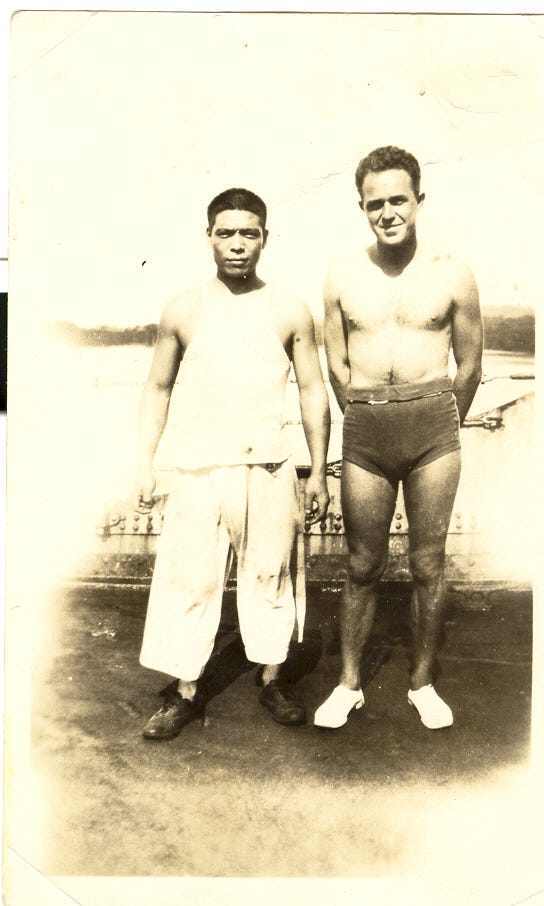
How did you learn that you were related to the King of Cool?
My mother had told me my father, William, was the love of her life, and there was no else who could ever compare. She felt she had married my stepfather because he looked like my dad.
Mom had saved a few things for me, including a birthday telegram sent to us when I was three years old. She told me he had been married before and had a son who was in reform school.
After I was married, one day I came into the house and found my mother watching television. She hated westerns and cowboy shows, but I loved them. My stepfather used to take me to the theater to watch them. Anyway, I was a little stunned that she was paying such close attention to this cowboy show.
I imagine she was probably drinking at the time, as she let down her defenses with me. She admitted to me how much he looked like my father. After that, it wasn’t too hard putting two and two together. She was mesmerized watching him; and I never saw her watch him again.
I found out his name was Steve McQueen, and the show was called Wanted: Dead or Alive [1958–1961]. I watched the show constantly after then and always caught his movies at the theater.
My mother had some friends who lived in Petaluma, Calif., and I think they were the ones who said I had a brother. They told me to get in touch with Paul Sedam, a close friend of my father’s. Out of respect for my mother, I never did. I was always sorry I didn’t.
All these years later, biographer Marshall Terrill turned up some “things” about Paul, and maybe I wouldn’t have been very happy to meet him. I still regret I never got to meet Steve while he was alive.
Did you try to meet your brother?
A strange thing — when Steve was filming Bullitt in L.A. in spring 1968, I visited the set. At the time I was married to my daughter’s father, Tony. My memory was I had personally talked to someone on the street that was holding the crowds back, asking them to deliver a note identifying myself to Steve.
That was my memory, so that’s what I told Marshall when he was interviewing me for Steve McQueen: The Life and Legend of a Hollywood Icon. But after I attended the Steve McQueen Days Festival in Slater in June 2011, my son said, “Don’t you remember, Mom, I stayed in the car with you.”
Tony said he took the note to the assistant. He wouldn’t let us get out of the car. I had forgotten that entirely and had believed so intently that that note had been delivered. Looking back, it’s very likely my husband felt threatened by my having a very famous brother and never tried to deliver my note.
I waited for months for a call from Steve. In the letter, I had written that if he wanted to verify my identity, to please get in contact with Paul Sedam. Paul would vouch that I wasn’t some crackpot off the street.
I really felt Steve would have looked into that. All these years, I thought Steve refused to see or connect with me, and now I’d like to believe that if the note had reached him, we would have met.
Did you notice many similarities between your life and Steve’s?
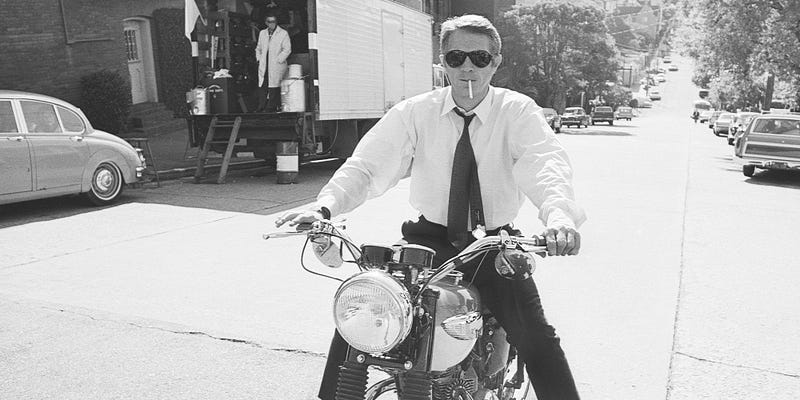
We were brother and half-sister, but it was a distant relationship. We have the same DNA, and our lives are so parallel in what we experienced growing up, it’s simply amazing. I was never a bad child — I had a lot of freedom growing up. I did what I wanted to do because there was nobody to tell me I couldn’t.
I’d be out on my bicycle with my dog roaming everywhere. If I wasn’t home when my mother got home from work, or I didn’t make my bed, she would always threaten me with sending me to reform school. I never understood where that came from until not too many years ago.
I realized, “Well, Steve’s stepfather sent him to reform school.” And my mom thought, ‘Okay, that’s what you do with kids that won’t behave — you send them to reform school.’ She knew Steve had been sent there. She was not the nurturing-mother kind of any sort. Both she and Steve’s mother should have never had children.
We also felt the same sense of abandonment, the same ‘If I don’t do it, nobody else will.’ You know, you finally figure out you have to stand on your own two feet and take control.
You can’t depend on anybody, and you become very distrustful of everyone around you — ‘They’re all out to get me or take something away.’ All of that. It was if we were living together. I can understand a lot of the emotions Steve would have had during that time.
Did you get an opportunity to meet your father, William?
Not past the time of about two or three years old. He was overseas a lot of the time. That was when he sent the telegram to my mother, when he was on a ship.
There’s been a lot of bad talk about my dad, but you know something, he was a man. He made bad choices for his women. You can’t put all that on him. His women didn’t do any better without him.
In those days men didn’t have anything to say about the way the children were raised. Men were the bread-winners. Very few of them had a significant relationship with their children. Men came home tired at night and drank their beer or coffee and went to bed. They didn’t participate in their children’s lives.
I think my dad got a bad rap when he left. But he was driven away by my mother and then Steve’s mother, so I can’t hold him to blame for that.
From what I understand, about the time my mother remarried, my dad was on leave and came to Spokane to reconcile with Mom and to bring us back to California. She refused to go. Whether she was involved with my stepfather at that time, I don’t know. I never realized that until not too long before my mom died. She was very secretive.
What happened to your mother, Doris?
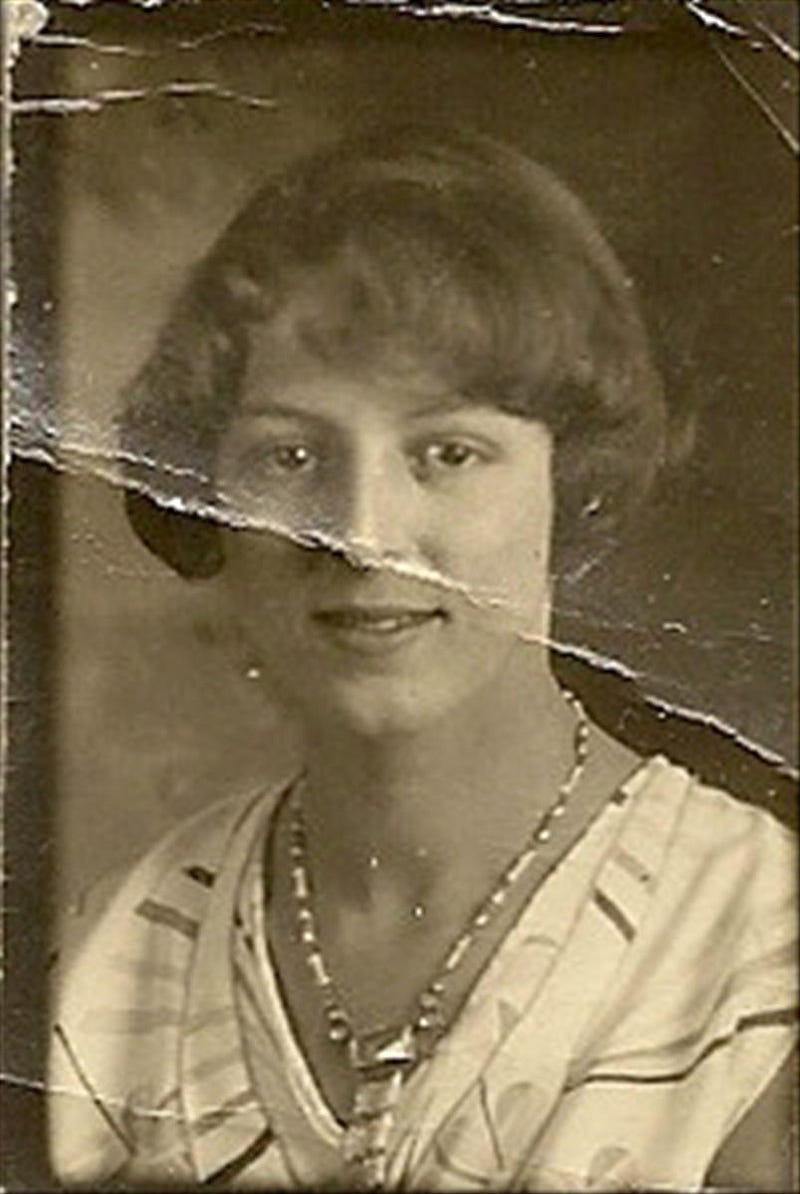
She was approximately 89 when she passed away in 2004. During the time she was married to her last husband and living in Spokane, she had a major coronary during one of their separation periods.
She was in her 50s, and she knew if she continued the way she was going, she was not going to live very long. So she quit smoking and drinking, and she never consumed another cigarette or drink. But her heart gradually deteriorated. Her left valve was completely gone, and she wasn’t a candidate for surgery at all.
If she was mobile for any period of time, she became very tired and knew she had to stop completely or her heart would give out on her. Later she developed diabetes, so she had a lot of ailments before she died.
She lived with me for awhile after I realized she was not capable of taking care of herself. She started having terrible hallucinations. Sadly, I had to put her in a nursing home, as I was working and she couldn’t be left alone for a minute.
She stayed there for less than a month before she passed away. She refused to eat anymore. I’d go down there and sit with her and try to get her to eat. And she would have a bite to keep me happy while I was there.
Mom was scared of dying. She didn’t believe in God, as she was an atheist. No matter what I would tell her, she really believed there would be nothing left when she died. I’m pretty spiritually in tune myself, and I know for a fact there is life after death.
We are spirits living in a body, not flesh and blood. I couldn’t get that across to her, and that was my one big thing that really bothered me — she was scared when she died.
Were you always close with your mother?
We were. Occasionally if I didn’t call her on a day, she thought I was trying to punish her [laughs]. She would say, “You’ve never forgiven me.” And I always told her, “Yes, I have forgiven you, Mom.”
No matter what, she was my mother, and I loved her dearly. She gave me some hard times, but there was an awful lot to her history that made her the way she was. You know, life happens, and it shapes up as we grow. We cannot get away from that. We are a product of our lives, our environment, and our experiences.
You know, you’re a very deep person.
Probably too much so [laughs]. Sometimes it turns people off, so I try to keep it at a minimum.
Is it true you visited your father’s grave recently?
Last spring I went to Los Angeles with my son who lives there. I have become quite close with Veronica Valdez, the chief researcher for Marshall’s book, Steve McQueen: The Life and Legend of a Hollywood Icon.
Veronica drove me and my children around Los Angeles, showing us where my dad had lived. It was quite an experience.
To give you a little back story, I had moved to Long Beach not too long after I divorced my last husband in 1989. My original plan was to move to Hollywood and take some classes on animation and computers, but I never got around to it.
I fell totally in love with the area in Long Beach, so I ended up going to Long Beach City College and taking music classes of all things. I really hadn’t had an opportunity to develop much into music because I was told what I had to listen to or what I couldn’t listen to.
While I was looking for an apartment in Long Beach, the apartment I chose was on the same street my dad once lived on — only several blocks separated us. So after all those years, when Veronica and I pulled up in front of my dad’s old apartment, I was thinking we would have to walk a ways before we found it since there were a lot of cars in the street.
When she said, “This is it,” I looked up, and my heart almost stopped. I was in such deep shock because I had been in that complex looking for an apartment in 1989. I must have turned pale as a ghost. My son and daughter were going, “What’s wrong, Mom? What’s wrong?”
The apartment they had showed me was on the upper floor, a little studio apartment. Turns out, my dad had lived in the one downstairs. Whew…I was following in his footsteps and didn’t even know it.
I was obviously drawn there spiritually, but I was totally unaware. In 1989 there were a lot of elderly people in the street. In fact, the lady who I ultimately rented a house from had to have known my father. She was 98 or 99 years old, and I could have asked her about him, but I never did.
A lot of strange things happen in our lives. I had tried to find my dad’s grave when I lived in Long Beach, but I had the wrong name and came up with zero. And here he was so close.
It was a real treat and a true blessing when Veronica took me to his gravesite. There’s no headstone on his grave. I hope someone can change that one day. That visit gave me such closure.
Have you visited Santa Paula?
No, I haven’t. I’m looking forward to doing that sometime in the future. My stay in California the last time was pretty short. I’ve got a new grandbaby coming in mid-May, so I’ll be going back to California before you know it.
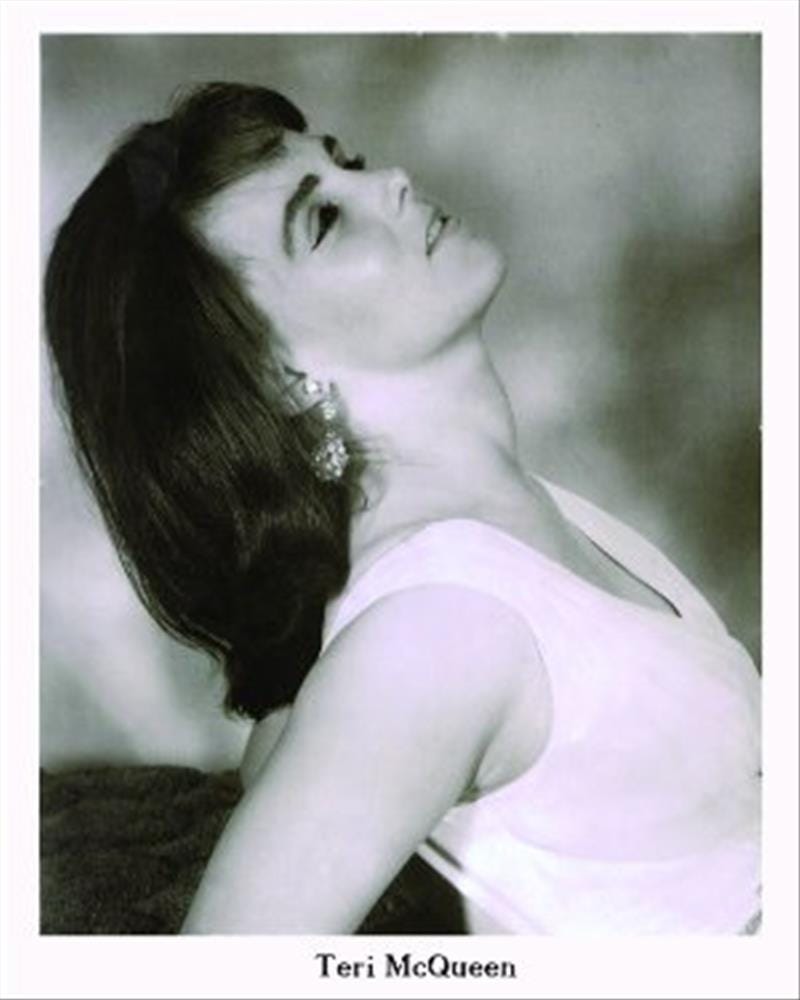
Did you pursue an acting career?
I participated in some small theatre stuff in Campbell, California, after I was married. You know, when you grow up the way I did — and Steve too — you see an awful lot. You begin to feel an awful lot. There is a naturalness towards being able to express just about anything.
You can fall into character so easily when you have been hurt as many times as he and I both were growing up. It’s a process that develops as you learn to survive. Being able to express those feelings is a natural quality that comes from pain. They say you can’t sing a love song until you have experienced the pain of loss, and it’s true.
The range of emotions isn’t there for an awful lot of people. If you look through the people in Hollywood that have really made it, they have all had some serious suffering in their life, in one form or another. The pain makes you a different individual.
I went the Hollywood circuit for a short time, and that ended too, because of Tony. I had made the rounds of the different casting agents around town and hadn’t gotten anywhere. What I did was have some photo headshots made.
I wrote a long letter to go with it, and I sent it directly to every producer’s name I could find in The Hollywood Reporter and Variety. It must have been a pretty strong letter [laughs], saying what a great actress I could be. I tooted my own horn so to speak. It did catch one producer’s attention — Sam Spiegel [e.g. The African Queen, On the Waterfront, Lawrence of Arabia].
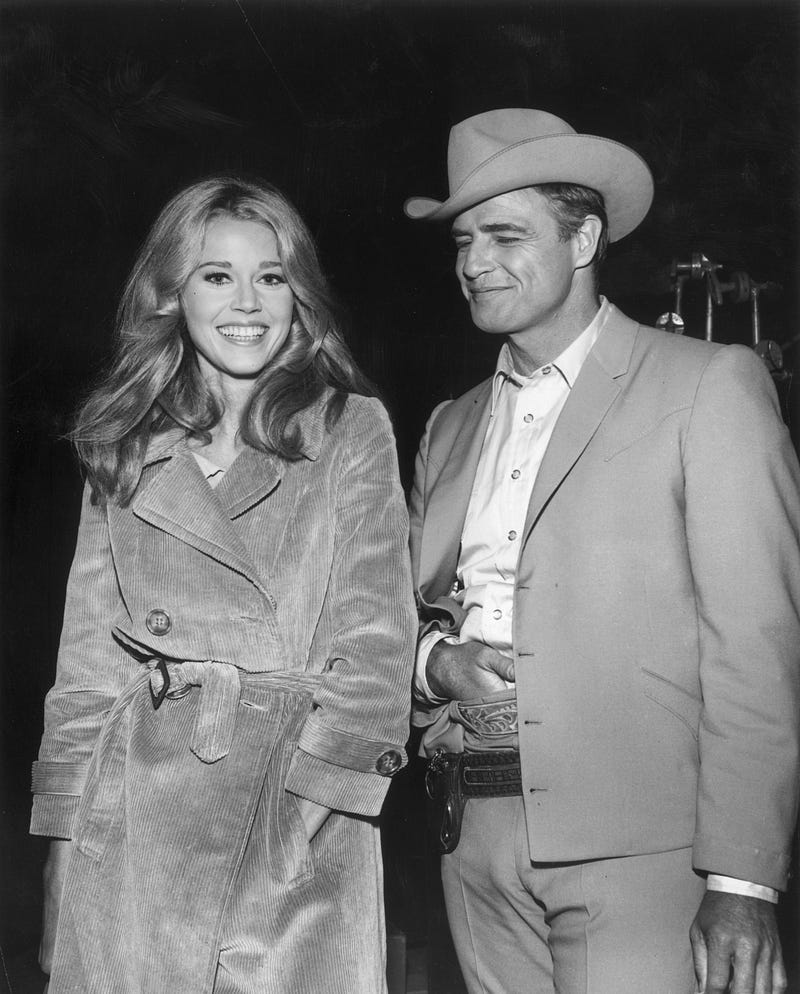
You came very close to working with Marlon Brando in The Chase, an ambitious 1966 drama released by Columbia Studios.
There was a movie directed by Arthur Penn of future Bonnie and Clyde fame and produced by Spiegel called The Chase. The all-star cast featured Brando, Jane Fonda, Robert Redford, Angie Dickinson, and Robert Duvall.
That was the one audition I was ever called in for. I read for the part on three separate occasions that Jane Fonda eventually got.
On the third reading, I was told by Spiegel, Penn, and the casting director that I definitely had a role in the film, but I would not have Jane’s part. They had found her in Europe, she had gotten out of her contract there, and she would be available for her role after all.
One of the biggest reasons I couldn’t have that role was because Brando refused to play with anybody taller than him. But there were three other female roles that would not be in the same scenes with him, and I was told I would get one of them.
That weekend they were having a get-together meeting for the actors at one of the Hollywood hotels. Jane and Brando weren’t present. But Robert Redford was gonna be there, so I was pretty excited about going to it.
I wasn’t married to Tony, although we were dating. He came down from San Francisco, where he lived. When he realized what I was going to do, he convinced me not to go. I never had another chance.
Spiegel did tell me if I ever came to New York, he would definitely have work for me there. He was hard to forget, a little tiny fellow. I will never forget his shoes. They had a huge buckle across the instep. He reminded me of a leprechaun. I’ve heard stories, but he was a total gentleman and treated me very respectably with no hint of impropriety.
If you watch the movie, there’s a scene where Redford’s character, “Bubber,” has just gotten out of prison.
Jane, playing “Anna Reeves,” was lying on the floor, and “Bubber” was on top of her — not totally on top of her — dripping champagne on her. He had given her some diamond ear rings, but she threw them across the room, saying she didn’t want any diamond ear rings.
That’s the part I read for. It was the highlight of my life. I wish I would have been able to continue and explore that part of my life. Then again, you see and hear an awful lot of seedy things about Hollywood, so maybe I’m better off that I didn’t.
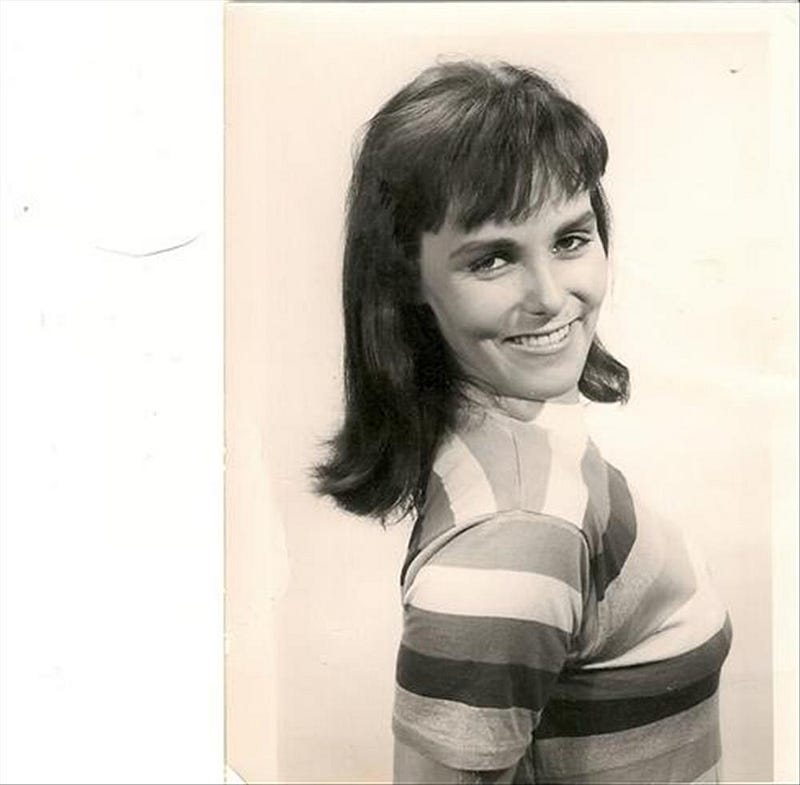
You have definitely lived an interesting life.
I was talking to my son about an interview I’d had with Marshall. I admitted, “I haven’t done anything in my life. There’s nothing to talk about.” Marshall politely disagreed and said that I was an adventurer and that I have done quite a lot.
I used to be a spelunker. I had a very exciting trip into a death-defying cave. I’ve trained horses. I got into a little bit of theatre. I achieved a degree as a recording producer during my Long Beach sojourn, but I have never used that, either. But it sure was fun.
I was a real estate agent for awhile. I would study in the bathroom after my last husband was asleep because I wasn’t allowed to do it. I kept all my papers and books hidden under our little clawfoot tub.
I kept telling him I wanted to go into real estate, and he would always laugh about it. I’d say, “Look, let me go down there and take the test. If I can’t pass, you’ll never hear another word about it.”
He laughed and said, “Sure, it’s a deal, as long as you never say another word about it.” Anyway, I passed on my first try. He had had friends go and take the test three different times and still not pass. He got pressure from work for them to let me go to work.
And so I did. That’s how we moved out of California and to Colorado from the money I made in real estate. But I never pursued my license in Colorado, and I probably should have. I found if a person’s determined enough to do something, they can do it.
I had a cabinet store which sold kitchen cabinets, flooring, and provided general design work. If you can believe it, I also operated a candy store at one time, with the help of my husband’s friend. I’ve been busy my life in spite of everything.
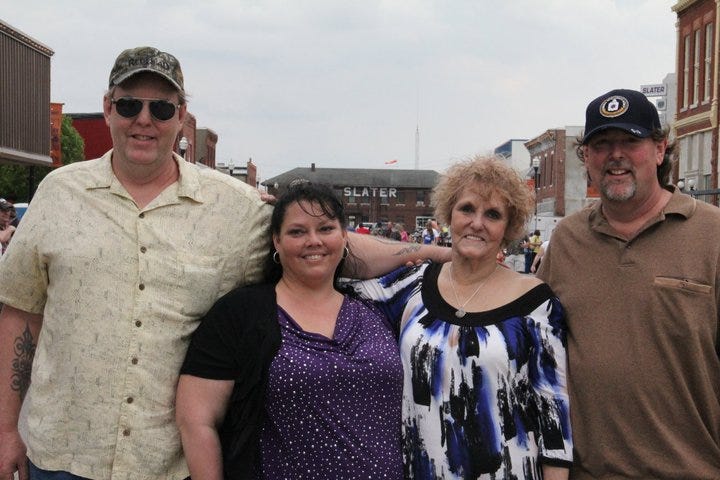
Did you ever tell anyone you were related to Steve?
Every time I would write a check, someone would say, “Any relation to Steve?” Most often I would just laugh and say, “Don’t I wish!” There was once or twice, just for shock value, I said, “Yes, I’m his sister.” I’m sure it was never taken seriously by anybody.
My children knew, and they had said something to a few of their friends. This is what kind of surprised me…after I returned from the Steve McQueen Days Festival in Slater, my second husband Lee’s wife contacted Marshall and told him that I had mentioned it to Lee, and he had never really believed me [laughs].
And he was my husband. He must have thought, ‘Wishful thinking.’ It was just a crazy moment to hear that story all these years later.
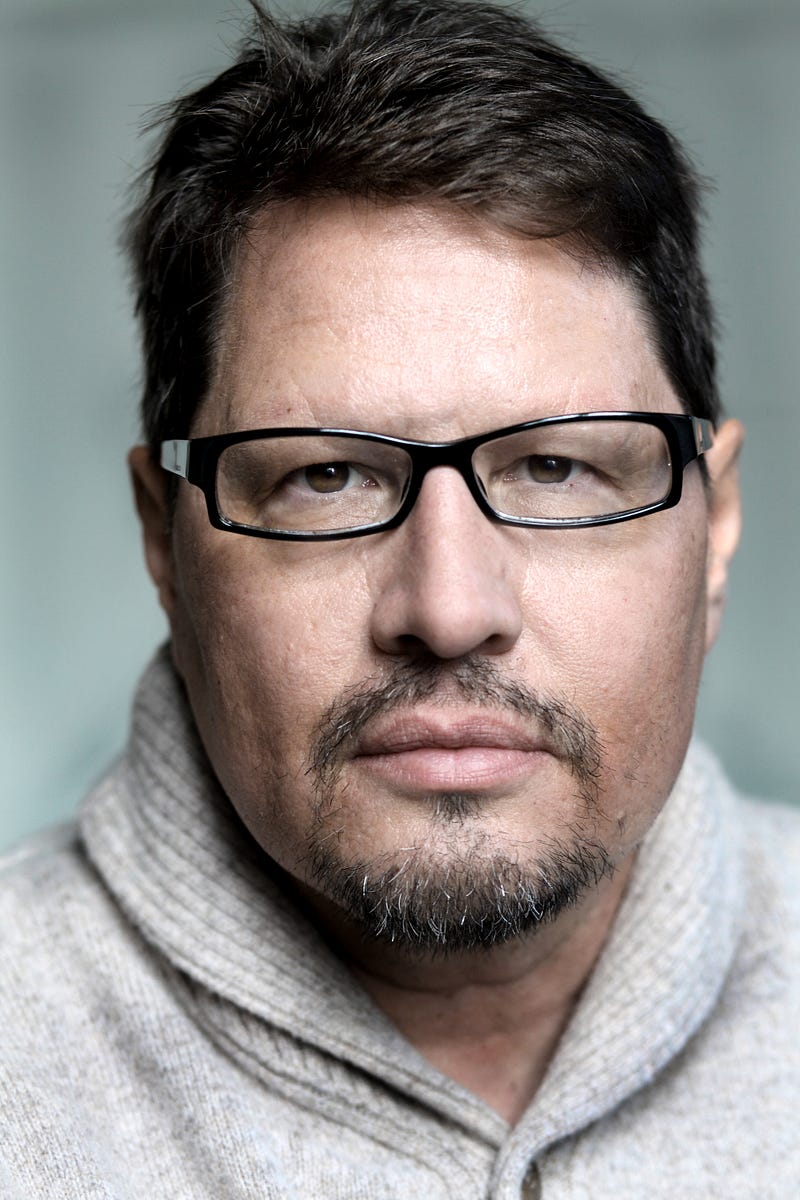
How did Marshall Terrill track you down?
My daughter, Antonette, called me one evening from Colorado in early Jan. 2010. She said, “Mom, there’s a private detective here, and he’s looking for you.” Her tone of voice was, ‘My God, Mother, what have you done?’ [laughs].
I said, “You can rest in peace; there’s absolutely nothing I have done to have anybody coming after me.” Antonette got enough out of him that it had something to do with a research project.
I immediately thought it had something to do with my uncle passing away. Years ago, my aunt included me in her will, but my uncle wrote me out after she died first. She might have told me it had to do with Steve McQueen and would I mind if she gave the detective my telephone number. I said, “Sure, that’s absolutely fine.”
So when I got the telephone call, it was actually Marshall. He said, “This might be the strangest phone call of your life, but do you know you’re Steve McQueen’s half-sister?” And I replied, “Oh honey, I’ve known that for quite a few years” [laughs]. Marshall responded, “But you’ve never said anything about him and have kept quiet for seven decades. Why?”
Marshall told me he found me when he accessed my father’s military records. My dad listed me as his only dependent and Marshall said, “Bingo, Steve has a half-sister.”
You know, you read so much about someone coming out of the woodwork insinuating they’re related to a famous person, and it’s kinda sick. I never wanted to be in that category or anyone to feel I was trying to get something from them in any way.
Anyway, Marshall ended up hiring Colorado Special Investigations. He says they went through about 20 old phone numbers and were able to locate me through my daughter. Marshall says he couldn’t have found me on his own and had to hire a firm. Well, they found me!
Has your life changed any since folks know who you are?
No, not at all [laughs]. Despite the national publicity Marshall Terrill received for his book, surprisingly there has been little publicity about me outside of Slater. I did bring a newspaper down to my boss at Kohl’s Department Store so he could take it home to his wife. She’s a big Steve McQueen fan, and they both got a kick out of it.
Other than that, I don’t have any flashbulbs when I walk down the street. Nobody asking for autographs here.
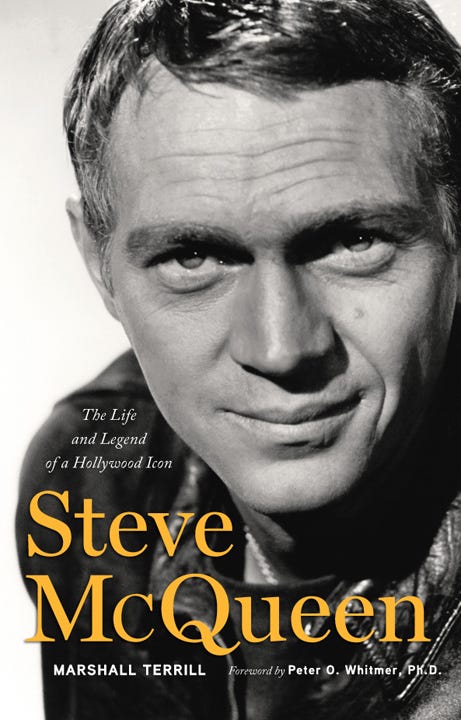
What did you think about Terrill’s Steve McQueen: The Life and Legend of a Hollywood Icon biography?
If folks would read Life and Legend, they would realize how much Marshall separated fact from fiction. It’s such an extraordinary book. It painted the fullest picture to date of my father, and of course, Steve’s life.
I felt so much closer to Steve than I had ever imagined possible while reading it. I felt such a kinship to him. Reading some of that stuff about my father and Steve was hard at times, but it was the truth.
I didn’t always go along with some of the ideas presented in the book — i.e. the psychological aspect. In fact I was really upset by what I call psychic babble. I don’t like key holing at all, and psychologists love to key hole people. That bothered me.
But the book itself and the material were so insightful. It spoke of the spirit of the man. It explained why he behaved the way he did, along with his anger. Maybe I read more into it than a lot of other people would, but I saw Steve as an extremely good person who wanted so badly to be of help to people.
And yet he was terribly put off by the greed that people exhibited and the need for ‘I’ll give you this if you give me that.’ It angered him. I don’t think he really enjoyed his life in Hollywood. He did what he had to do.
But as evidenced by his life after he met Barbara, I think he was really happy. He was away from the Hollywood scene. He was able to relax, not have all that pressure on him, and be himself, just like an everyday working man on the street.
Steve was certainly sharp and intelligent enough to know how to manipulate a contract, but I don’t feel that was a part of himself he enjoyed that much. There was a much gentler side to him that he did not expose to many people, other than Barbara and probably Neile and Ali.
Did you know Steve was ill?
I was living in the Silicon Valley in Campbell, California. I won’t say I was sheltered, but I wasn’t allowed many pursuits during that era. I knew Steve was ill but not until very close to the end.
I knew he wasn’t doing much film work and had been divorced from Ali MacGraw and had a new wife, Barbara Minty, whom I spoke to during Steve McQueen Days. Very lovely lady and was nothing but kind on the phone. She says she would like to meet me one day.
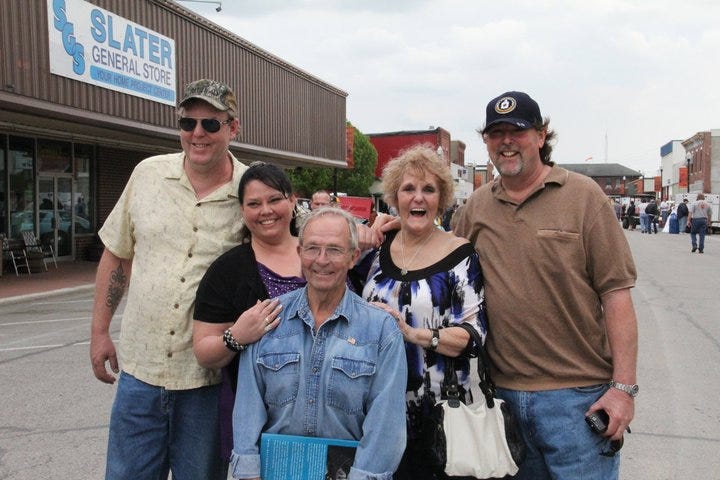
What was your experience like at the Steve McQueen Days Festival?
It was incredible. I’m a small-town girl, I don’t like large cities or crowds. My formative years were in Omak, Washington, and Orofino, Idaho. I love small town folks and the camaraderie. You know, when everybody knows everybody.
So it was like going home. Everybody treated me as I was someone returning. There was so much love in that town, oh my goodness. Just a wonderful, wonderful feeling.
They made me feel like a celebrity, there’s no doubt about it. I sat with Marshall at a book signing table. I didn’t want to sell anything. I know they make money, but that wasn’t why I went. So I made some small postcard photos, which I signed and gave away.
Marshall was after me to bring some real photos to sale, so my daughter printed out a bunch of my Hollywood head shots, and I sold a few of those. But mainly just talking to people and listening to their remembrances of Steve. I truly felt like part of a family there.
A delightful lady from Beech Grove, Indiana, Gloria Grant, was also at the table and signed autographs, and she was directly related to Steve on the McQueen side. Gloria was another great find of Marshall’s.
She remembered some really nice stories about my dad. One that comes to mind is this: my mother had told me about my father flying under the Golden Gate Bridge. That incident caused him to lose his pilot’s license. But it just may be family lore. Marshall and Veronica could never confirm if this was true.
Gloria admitted it would have been just like my dad to try a stunt like that. The fact that it was never reported was simple: they didn’t want other people doing that type of stunt. That makes sense to me.
My dad’s connection to flying likely started Steve’s interest in it near the end of his life. I have absolutely no interest in flying. People I have known have died or come awfully close to it. I like my feet on the ground.
My son has an interest in flying, and I have steered him away from that the best I can. Now he’s in his 50s, so he can do what he wants [laughs].
Gloria also relayed to me that shortly before my dad died, he returned to Indiana to make his goodbyes to everybody. So they knew he wasn’t well.
Several farmers told me if I ever returned I would be welcome to come stay at their place. And Jean Black, editor of The Slater Main Street News, is such a lovely lady. It was really great.
The amazing thing is that Marshall not only wrote the definitive book but is one of the co-founders of the Steve McQueen Days Festival along with Jean Black. Marshall really is doing everything he can to keep Steve’s legacy alive, and he has treated me with great kindness.
Would you like to do another McQueen-related event?
Oh, I would love to. I sold my home in Missouri and moved to Colorado where my daughter and grandchildren are. So I don’t live as close to Slater anymore. I still work at Kohl’s Department Store.
But who knows. Going to Slater didn’t put a closure on anything, it opened up a whole nest of worms [laughs]. Folks talk about closure, but now I’m pulled in deeper to the whole thing. God bless Marshall, because he sure did an outstanding job on his book.
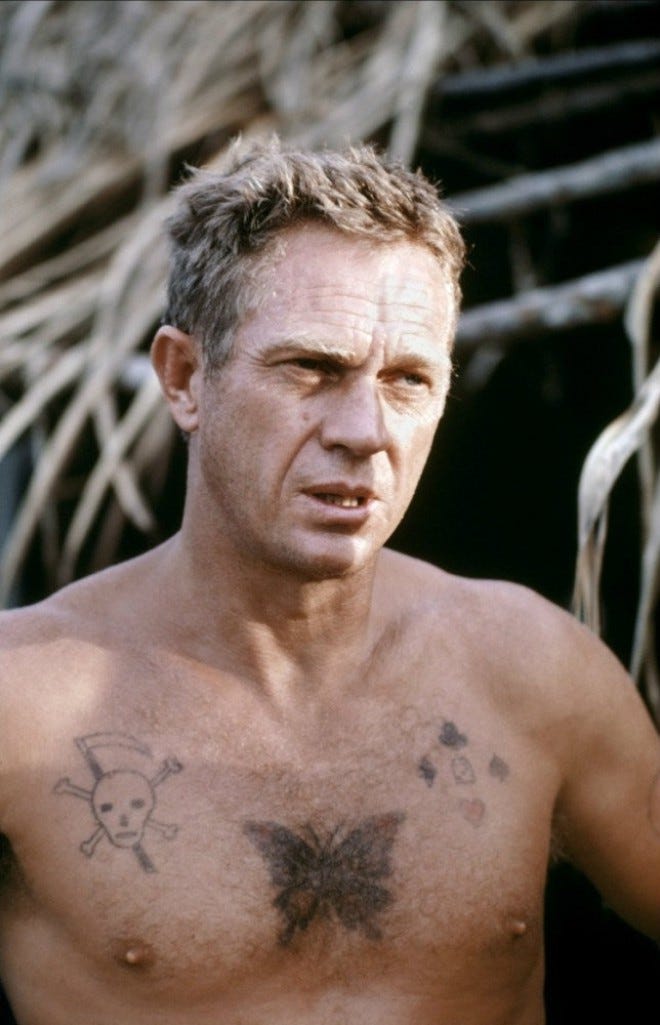
What are your favorite McQueen films?
I absolutely love Papillon, the one he did with Dustin Hoffman in 1973. Of course, Bullitt was great.
His tough characterizations are the ones I like most. He was so young when he starred on Wanted: Dead or Alive, and he really hadn’t developed his own style very much. A lot of people say he had no style, but he definitely did.
If you could have met your brother, what would you have said to him?
I probably would have said I understood a great deal of what he went through and that I felt as if I had gone through much the same things. I never spent any time in a detention home, but it could have just as easily happened to me if I hadn’t had aunts and uncles who stepped in at the right moments.
I would have told him I believed he was a very strong individual. Of course, drugs weren’t that prevalent when he was a teenager, except maybe marijuana. More than likely he did imbibe on that a little bit [laughs].
I would have told him I wish he would have been in my life. It’s quite possible that neither one of us would have been as lonely as we were if that had happened.
I had a dream not too long ago. Steve was a young man, and he asked me to write to him. I promised I would. Just before he left, he turned to me and inquired, “Are you ready for all this?” This was just before I visited the Slater Festival.
And he said he would be back. So I’ve been waiting for him to reappear but he hasn’t yet. I did start a letter to him on my laptop. The dream was very real.
We’re all connected, whether it’s in this life or the other life or between. It’s a strong connection. Too many people have had the same experiences. It’s pretty hard to discredit them all.
What is Steve’s legacy?
Perseverance of being able to step up out of the mire, no matter what the odds are. That you can do it. Steve is a tremendous role model for our youth that has no direction. He went through a lot. Kids today can see Steve’s life and how he became such a great icon.
Steve had such a positive impact on the Boys Republic even when he became an adult. He was a generous, generous person with his time. He truly cared about those kids. That shows an awful lot about his character. I’m certainly proud of him in that respect.
He could guide people in such a positive direction, so I think his life has got to be really encouraging for people. He was strong, yet he exhibited gentility, even in his films. And his movies aren’t going anywhere. Without question, he was a special person.
To all of Steve’s fans, I want to thank you from the bottom of my heart for having the interest to keep Steve and his memories alive.
******************DON’T GO ANYWHERE YET!*******************
Exclusive Interview: “I really wish Steve could see the woman that I’ve grown up to be because I’m older than he was when he died. I’ve had my fun like he had his fun. But I wish he’d seen how much influence he had on me…I try to be honest, straightforward — as he’d say, ‘hold your mud.’ I learned a lot from him. I miss him every single day because he was my pal…you can’t find friends like that…and I never have.” In “The Definitive Account of Barbara Minty’s Love Affair with Bad Boy Steve McQueen,” the action star’s widow takes a nostalgic if practical minded journey through her Polaroid-filled back pages in her most wide-ranging interview to date. Humorous, often poignant anecdotes abound, such as landing smack dab near the Arizona-Mexico border for an extended stay in a vintage camper, dressing up like a frontier woman, how her father became a shotgun carrying extra, eavesdropping on dirty jokes courtesy of cowboy Slim Pickens, and the time James Garner showed up at her door unannounced.
Exclusive Interview No. 2: In “Steve McQueen Took a Major Part of His Life — In Step with Passionate Wordsmith Andrew Antoniades,” the first-time British author, guilty as charged for the mammoth coffee table book entitled Steve McQueen: The Actor and His Films, doesn’t hold back, weaving fascinating anecdotes of growing up with his father and being blown away by viewing Papillon, whether McQueen only made movies for the money — think The Towering Inferno — why he gave the stodgy Le Mans a second chance, the reason McQueen temporarily quit making movies at the height of his fame in 1967, and whether McQueen was wrong to turn down One Flew Over the Cuckoo’s Nest.
© Jeremy Roberts, 2011, 2017. All rights reserved. To touch base, email [email protected] and mention which story led you my way. I appreciate it sincerely.