
Discovering the High Scardus Trail
Exploring a New Transnational Trekking Route
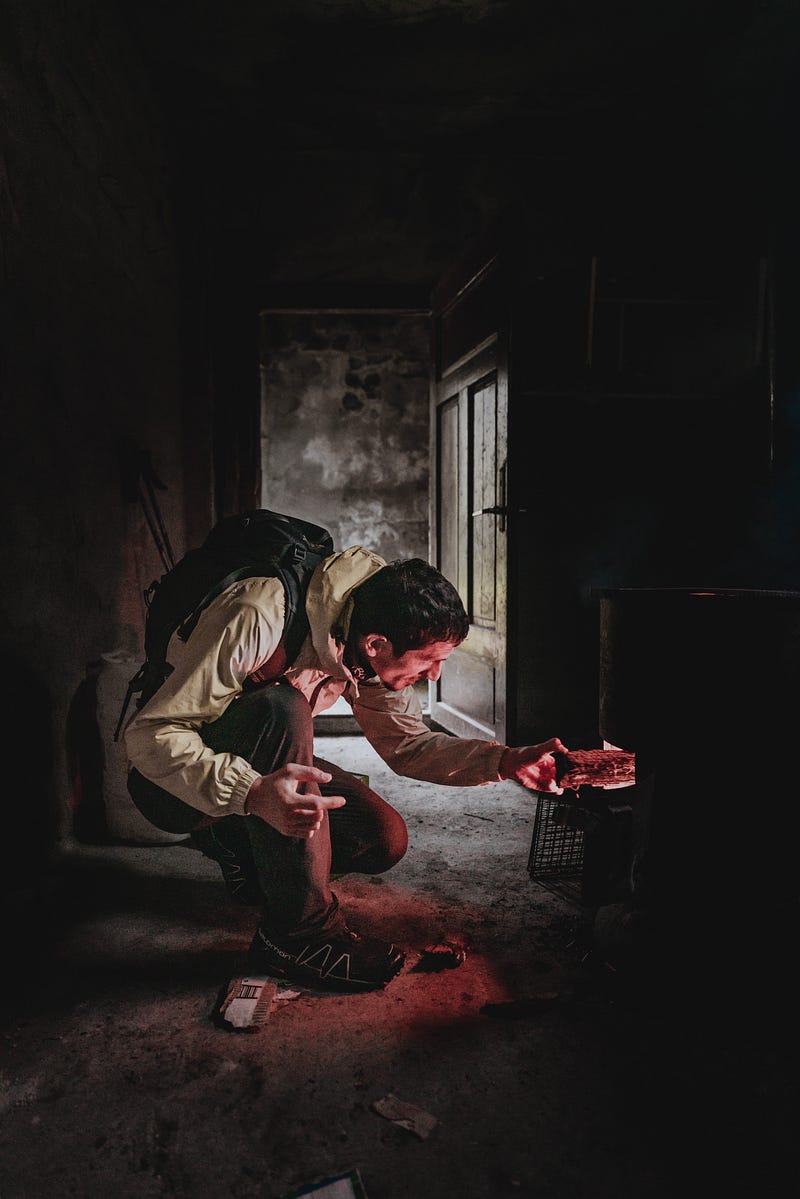
“He is Bear Grylls; the ultimate survivor,” aspiring mountain guide Yengi proclaims in broken English as his countryman Deni Hameli kindles a fire in an abandoned mountain hut in the Leshnica valley of North Macedonia. We had spent most of the day being battered by rain, wind, and hail — or at least when we weren’t taking shelter under rocky overhangs or warming ourselves in shepherd’s huts in the mountains near the Kosovo border. It was starting to look doubtful that we would make it up and over the pass in time before heavy thunderstorms rolled in, but at least for the moment, we had fire and shelter.
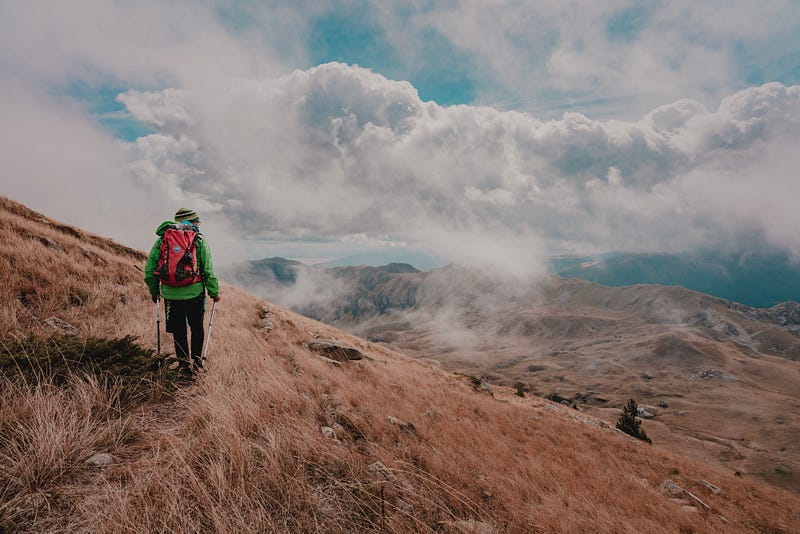
I was thrilled when I received word that I would be joining as the photographer for a ten-day scouting trek of the High Scardus Trail, Europe’s newest long-distance, transnational hiking trail (but also perhaps it’s oldest, as some of the trail segments were part of the Roman’s Via Ignatia route from Rome to Constantinople). I had only recently learned of the trail’s existence, and while awash with anticipation of the unknown, I prepared to return to the mountains; longing for the promise of untouched wilderness, remote villages unversed in tourism, and the appeal of crossing international boundaries on foot. To make things even more interesting, we would be joined by local guides and experts of the region, including several of the individuals most involved in the High Scardus project. Boundless excitement spurred my imagination, but my imagination couldn’t come close to preparing me for what was in store for us.
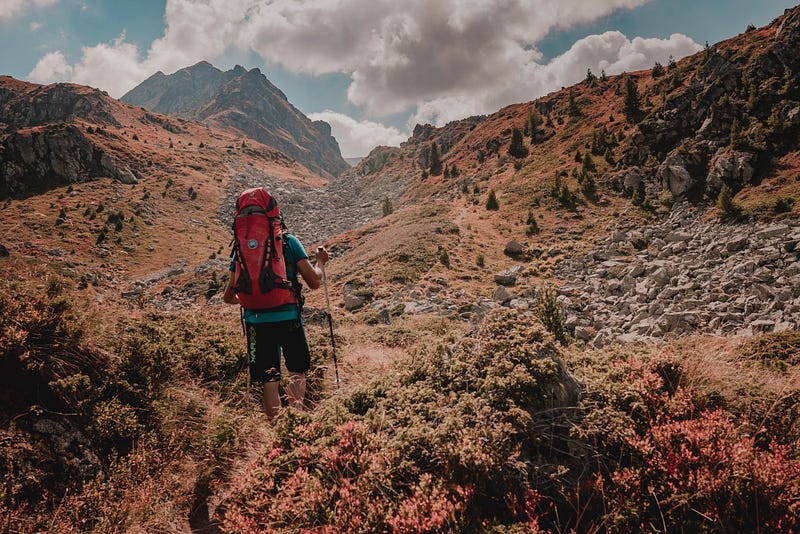
Perhaps the most special thing about the journey for me, was that it was also my first assignment as a commissioned travel photographer. During 10 days of walking between North Macedonia, Kosovo, and Albania, my literal job was to hike mountainsides exploding in vibrant hues of red, yellow, and orange. My office stretched for miles of unbroken trekking through paths adorned with wild raspberries, junipers, and the most delicious blueberries I’ve ever tasted. And instead of hearing the chime of incoming emails, my ears became attuned to the familiar ringing bells and barking dogs alerting us of nearby shepherd’s flocks.
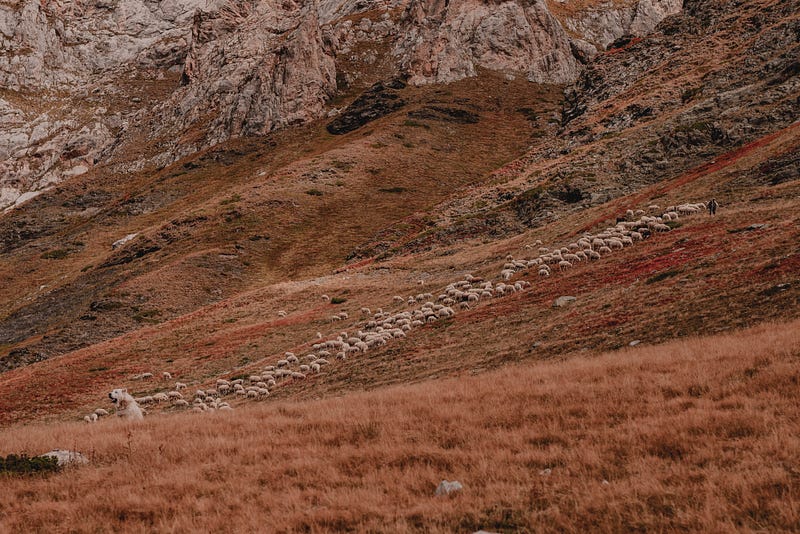
The flocks are almost a daily occurrence along the High Scardus Trail. One often finds them at the borders between nations where there is not the slightest hint of a frontier or the existence of a state. The sheepdogs (a breed unique to the Sharri Mountains) will be minding the perimeters of the flock, and they can be dangerous if one comes too close to their charges.
While breaking for lunch one Friday high up in a mountain pass, the enchanting voice of a distant muezzin’s call to prayer rose up on the wind from a mosque in an invisible village far below. Each stage of the trail has its own unique character, with a perfect balance of trekking peaks, rugged highlands, quiet birch forests, clear alpine lakes, and pastures abounding with life.
Perhaps as remarkable as the staggering beauty and sheer wildness of the path and surrounding landscapes is the striking diversity in both the atmosphere and ethnicity of the stage destinations. The second stage took us to Brezovice, a communist-era ski that looks slightly haunted when out of operation, out of season, which Deni Hameli (Kosovar mountain search and rescue specialist, and a key contributor to the High Scardus Project) gave us a walking tour of: “And that hotel over there, it’s called ‘The Partisan!’” Deni pointed out with a smile.
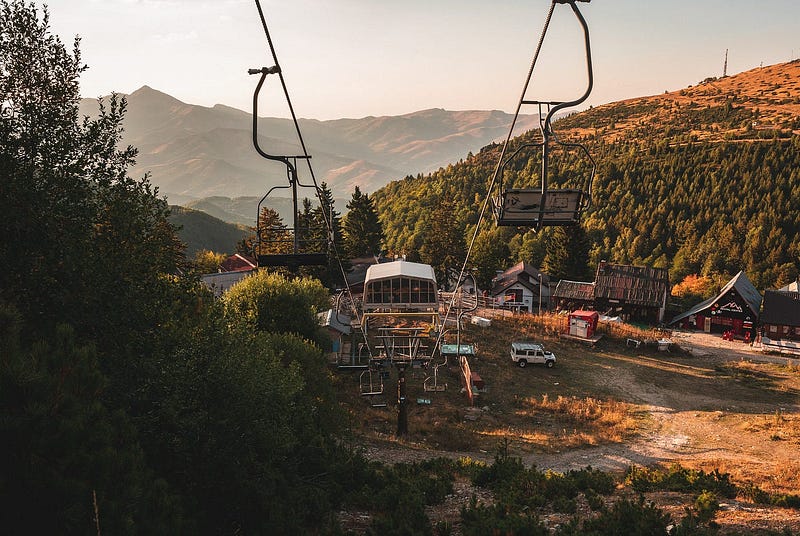
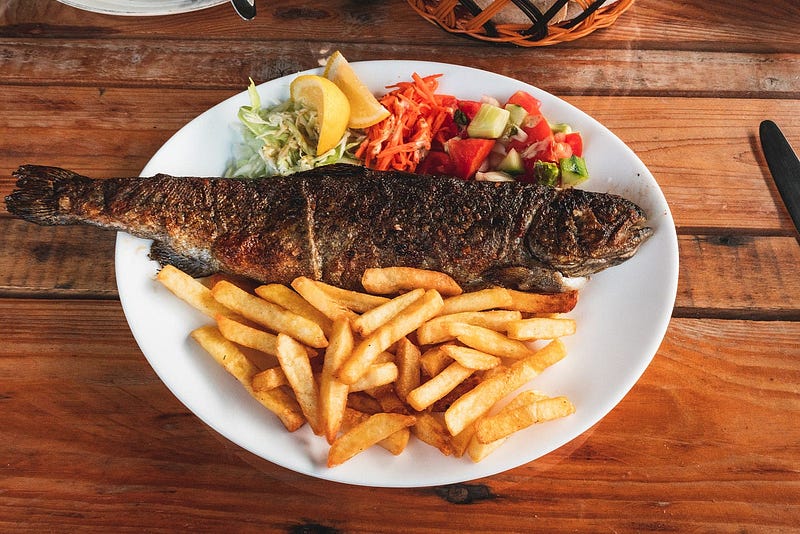
Two nights later, outside a Muslim Gorani village, my Austrian companion, Stefan, and I stayed at a guesthouse that sustains itself with hydroelectric power from a mountain stream, as well as with food from a fish farm on the premises. From here, we crossed into North Macedonia and stayed in an Albanian village in the home of Mohammed, an avid gardener and beekeeper. From there, we traveled through thunderstorms back into Kosovo to the Muslim Serb town of Brod, marking four days between three different ethnic groups as well as languages.
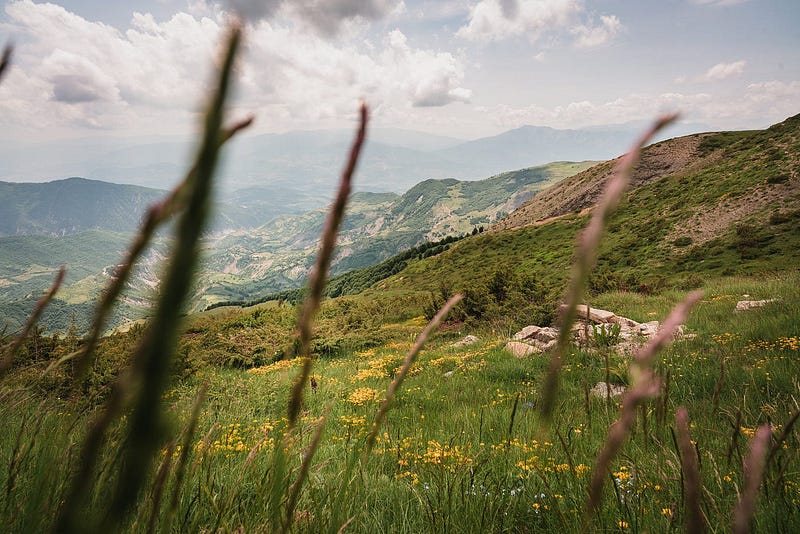
Given all of the above, what made this experience truly unforgettable was the novelty of getting to experience this virgin, unknown hiking path alongside the very people who have poured their time and energy into it. Both Deni, and Jovan Bozinovski, a Macedonian, and founder of the High Scardus Trail, had established and marked considerable stretches of the trail with their own hands. Deni often recounted to us stories from the many ski tours or peak ascents he had guided in these cherished mountains of his homeland.
And over dinner by headlamp under starlight on Mt. Korab, Jovan displayed on his phone old promotional videos made by the Ljuboten mountain club in the ’50s and ’60s — relics from the golden days of Yugoslavia, a compelling reminder that he is carrying forward a tradition, not just a trail. Between them and our other companions from the region, we always had a translator through which to communicate with the shepherds or with our hosts along the way. This was invaluable to Stefan and I as outsiders in our attempts to understand the people whose homes and lives we were entering, as so few of the locals speak English.
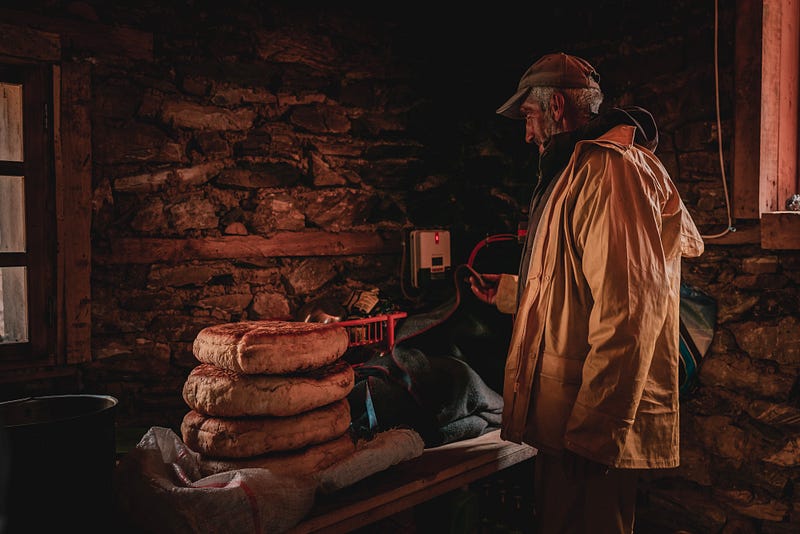
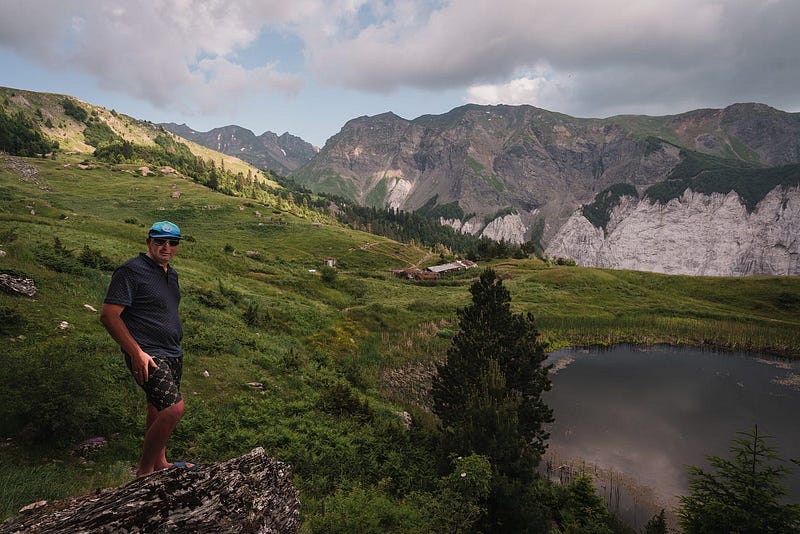
After descending into Albania from Mount Korab, we come to the shepherd’s pastures of the Diber region. Here we met Erind, the son of the shepherd who housed us. He had returned in recent months from living in London for nearly a decade. He leads me off-trail to a hidden panorama I wouldn’t have otherwise found, and along the way he shares with me a bit of his story. “For work, it’s [London’s] good. For living, no. Seven years go by, you remember nothing.”
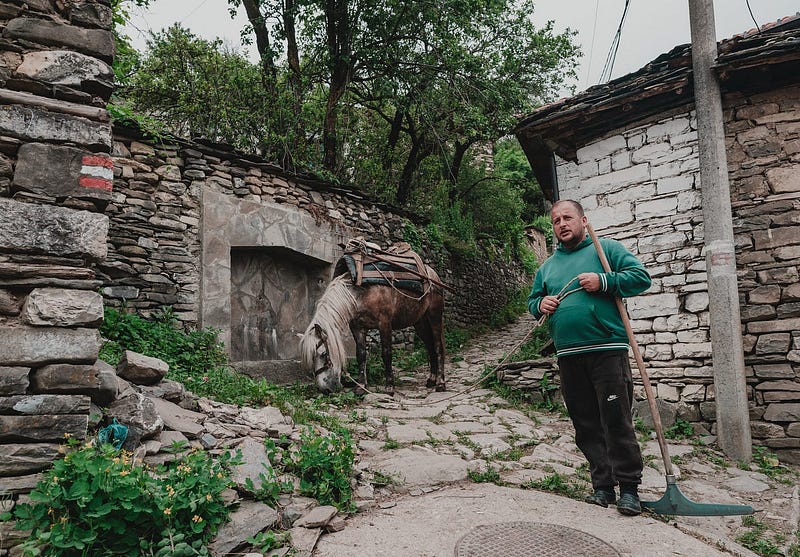
From Diber, we cross a pass to descend into a valley where the stone village of Rabdisht is situated. We encounter a farmer leading a horse through the cobbled streets as we walk in the morning with Sabriu, the former doctor who owns the guesthouse in which we had stayed. Aside from the occasional power lines and satellite dishes, these frontier stone villages make you feel like you are journeying through time. The food and hospitality we experienced at Guesthouse Sabriu were among the best I have experienced in Europe. After dinner, we found ourselves partaking in a traditional Albanian circular dance around the table, accompanied by music, laughter, and bottomless warmth.
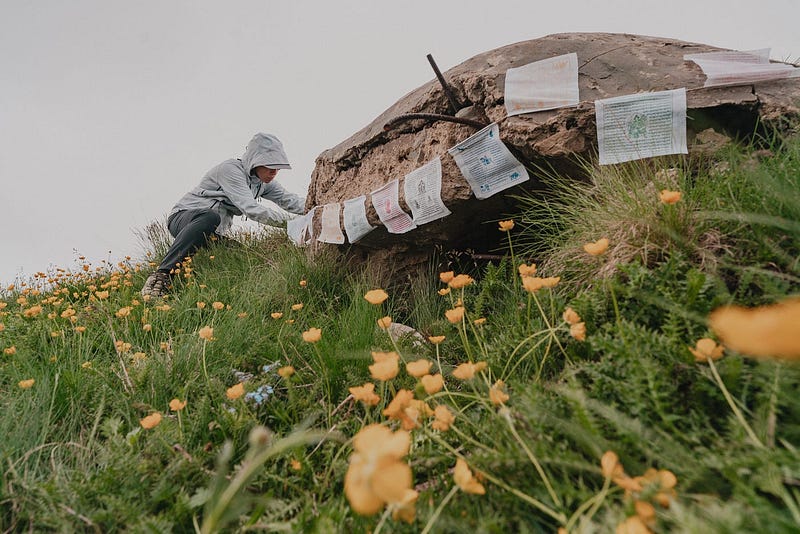
One of the unique characteristics of Albania is that it is strewn with concrete bunkers that date back to the days of Enver Hoxha’s isolationist Communist dictatorship. Paranoia led Hoxha to order the construction of tens of thousands of these bunkers (the estimates fluctuate greatly) all over the country to defend against what he thought was an imminent invasion from the outside world. No one ever came, however, or perhaps no one was even thinking about little Albania in post-WWII Europe as the Cold War escalated. We decided to adorn these symbols of fear with Buddhist prayer flags — universal symbols of compassion.
On the second to last stage of the High Scardus, we are greeted by a local shepherd as we sit at breakfast outside of the mountain hut where we had spent the previous night. His name was Naum; he had grown up around animals but had taken up shepherding late in life, after closing a shop in his village that he had owned for 20 years. Having spent his early childhood in Australia, he spoke terrific English and exhibited a wealth of knowledge in poetry, literature, and philosophy unlooked for in such a remote corner of Europe.
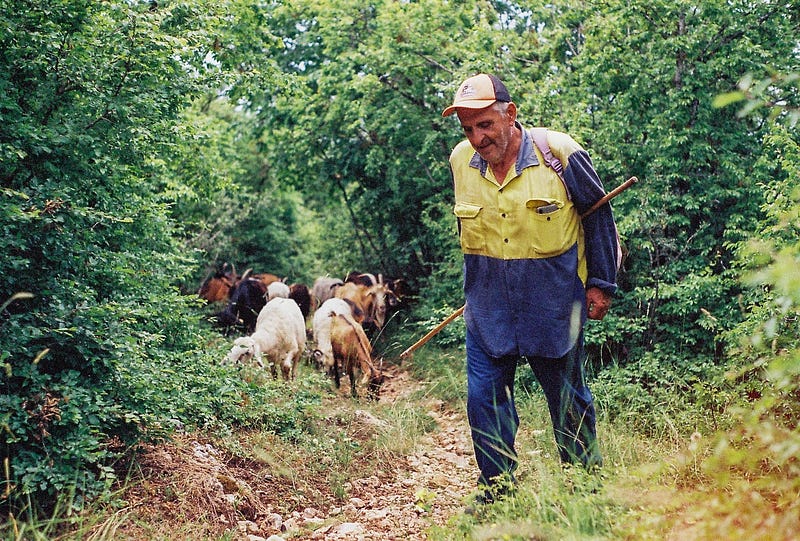
After parting ways with the Trail Angels in Ohrid, I stayed several days to spend more time with Naum. While tracking his flock across the slopes of Galicica National Park, he and I contemplate philosophy and morality, while Naum’s beastly sheepdog saunters around the flock’s perimeter, panting in the summer heat. I ask about him. “The animals feel a lot safer when he’s around. But don’t try and pet him. He’s known to bite outsiders in the bum.” We eventually discuss the flight of the youth from the villages to the cities. “It’s a big problem. Like they’re fleeing from something. Everyone is searching for something they won’t find.”
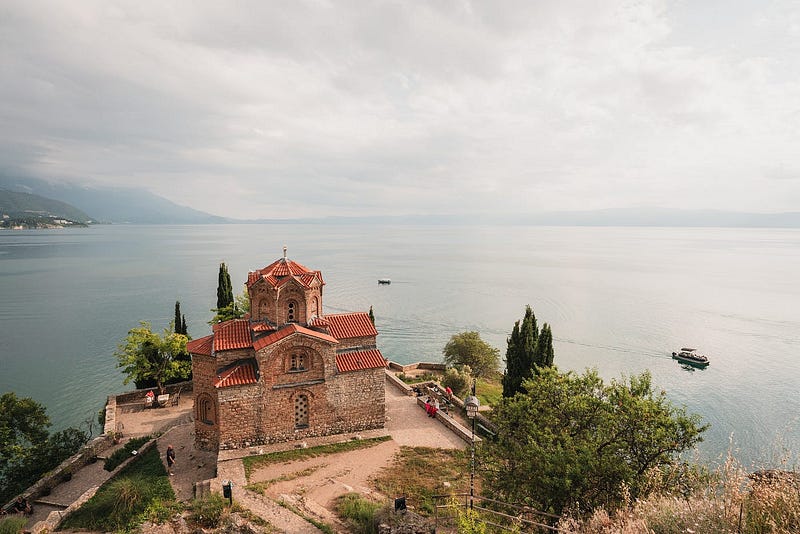
From the summit of Magaro Peak, looking out across two lakes and three countries, I reflected that even after such a unique and memorable week and a half on High Scardus, I still have so much of it left to see, as the Southern route crosses through multiple national parks and protected areas of North Macedonia and Albania. My travels are taking me elsewhere for now, but I look forward to the day that I will return to High Scardus and take another unforgettable sojourn into the unexpected.
Nearly two years after my first visit to High Scardus Trail, I was honored to have five of the images featured in an online article for National Geographic, my second feature with them in two years.
Related stories from High Scardus Trail:
For more of my photography, you can follow me on Instagram.


