
When the Unthinkable Happens to Your Business
Disaster Response: Immediate Action is Essential
What do you do when a natural disaster, accident, or criminal act damages your business?
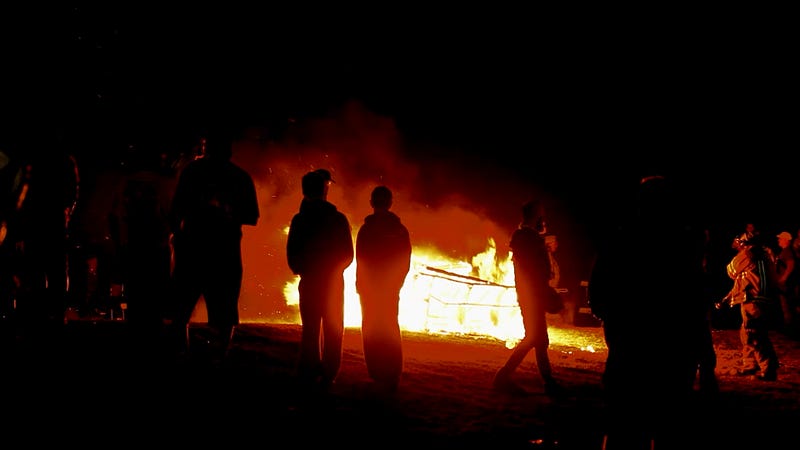
When a natural disaster, accident, or criminal act causes property damage to your business, doing the right things can control the damage.
Doing the wrong things can exacerbate the situation and even increase your losses, so have a plan in place before you need it.
We are living in crazy times. Freak storms, wildfires, floods, protests, and riots are generating havoc in communities across the country.
If property damage occurs, remember that the damage being done does not necessarily stop once the fire is put out, the water is turned off, and the actual disaster is under control. You need to take immediate steps to protect your undamaged property and to salvage whatever damaged items you can.
Here’s what to do:
Verify the safety of the building before entering it.
Don’t get hurt. If there’s water damage, there’s the potential for electric shock; if there’s structural damage, walls or ceilings could fall; you could be hurt by debris, broken glass, nails, or other items.
Be sure the emergency services personnel have deemed it safe for you to enter the building before you do so.
Make the necessary notifications.
This includes contacting your insurance carrier, employees, customers, and suppliers.
If the damage prevents you from accessing your facility, find a place to operate, such as a nearby hotel or executive suite complex.
Keep all receipts for temporary office space and related costs; these expenses are typically covered by insurance.
If you can’t access your phone system online yourself, call your phone service provider.
Arrange for calls to be routed to a location where they can be answered.
Prevent further damage.
While waiting for the insurance adjuster, take whatever immediate steps are necessary to prevent further property damage, such as shutting off water and electricity, boarding up broken windows, covering damaged roofs with tarps, and doing preliminary emergency clean-up.
Keep track of what you did, including costs, to support your insurance claim.
Take photographs of the damage.
This will assist in your claims process.
Contact a qualified professional restoration contractor.
Coordinate this with your insurance carrier. Tell the restoration contractor what sort of business property — such as paper and electronic files, business equipment, merchandise, etc. — you are attempting to salvage.
Disaster restoration takes special skills and knowledge; get bids from several professionals before making a final selection. Professional restoration companies know an immediate response is critical and will usually have someone on site within one to two hours and be prepared to start work right away.
Note: This advice is geared toward business based in the United States. While it is likely applicable to businesses in other countries, please confirm the steps you should take with your insurer and/or local authorities.
This is a modified excerpt from Protecting Your Business by Jacquelyn Lynn.
Thanks for reading. You might also enjoy:
Here’s a little more about me:
I’d love to connect with you! May I send a brief inspirational message every Saturday morning? Visit CreateTeachInspire.com/saturday to receive messages like these:


