
Did you know that your body is home to trillions of microorganisms?
These microorganisms, collectively known as the microbiome, play a vital role in your overall health and well-being.
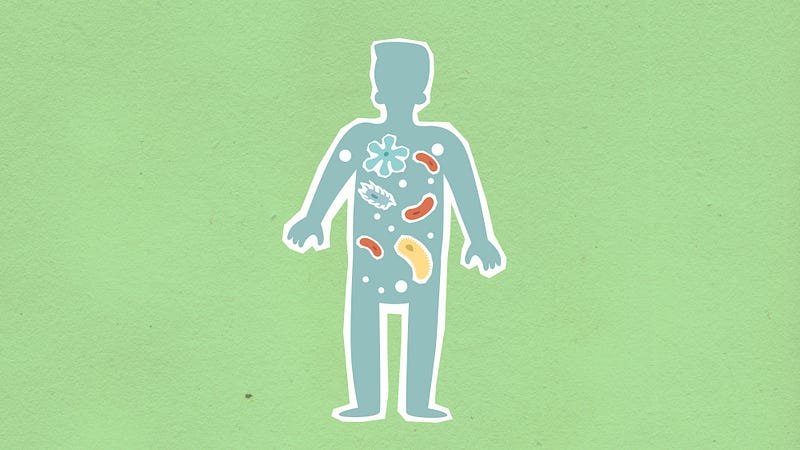
The gut microbiome is the collection of microorganisms that live in the digestive tract of humans and other animals. This includes bacteria, viruses, fungi, and other microscopic organisms that play important roles in digestion, nutrient absorption, and overall health.
Links Between Gut Microbiomes and Health Problems
Research in recent years has revealed that the gut microbiome is also closely linked to a range of other health conditions, including mental health, immune function, and even some chronic diseases. For example, studies have found that imbalances in the gut microbiome, often referred to as dysbiosis, may be linked to conditions such as irritable bowel syndrome (IBS), inflammatory bowel disease (IBD), and even some forms of cancer.
Researchers have found that imbalances in the gut microbiome, often referred to as dysbiosis, can have wide-ranging effects on the body. Here are some specific examples of the links between gut bacteria and various health conditions:
- Inflammatory bowel disease (IBD): Studies have found that people with IBD have a less diverse gut microbiome than healthy individuals, and that this dysbiosis is associated with increased inflammation and disease severity. Researchers are still working to understand the exact mechanisms behind this link, but it is thought that dysbiosis in the gut may trigger an abnormal immune response, leading to inflammation and damage to the digestive tract.
- Colorectal cancer: Dysbiosis in the gut microbiome has been associated with an increased risk of colorectal cancer. Researchers believe that imbalances in the gut microbiome may lead to inflammation and damage to the cells lining the colon, which can contribute to the development of cancer.
- Irritable bowel syndrome (IBS): While the exact causes of IBS are not yet fully understood, research suggests that dysbiosis of the gut microbiome may play a role. Studies have found that people with IBS often have an altered gut microbiome composition, with lower levels of beneficial bacteria and higher levels of potentially harmful bacteria.
- Mental health: There is growing evidence to suggest that the gut microbiome may play a role in mental health. Studies have found that people with depression and anxiety often have a less diverse gut microbiome than healthy individuals. While the exact mechanisms behind this link are not yet fully understood, it is thought that imbalances in the gut microbiome may lead to increased inflammation, which has been linked to a range of mental health conditions.
These are just a few examples of the links between gut bacteria and various health conditions. As research in this area continues to advance, we are likely to gain a better understanding of the complex interactions between the gut microbiome and overall health.
Links Between Gut Microbiomes and Good Health
On the other hand, a healthy and diverse gut microbiome has been linked to a range of positive health outcomes. For example, as I mentioned earlier, studies have found that a high-fiber diet is associated with a more diverse gut microbiome, which in turn is associated with reduced inflammation and improved mental health. Other research has suggested that probiotics and other supplements that support the growth of beneficial gut bacteria may also have a range of health benefits.
The gut microbiome plays an important role in maintaining overall health and wellbeing, and dysbiosis of the gut microbiome has been linked to a range of health conditions. Here are some examples of how a healthy gut microbiome can support good health:
- Digestive health: The gut microbiome is responsible for breaking down and digesting certain foods, and for producing important nutrients such as vitamins B and K. A healthy gut microbiome can help to promote regular bowel movements and reduce the risk of conditions such as constipation, diarrhea, and bloating.
- Immune function: The gut microbiome plays a critical role in regulating immune function. Beneficial bacteria in the gut help to stimulate the immune system, while potentially harmful bacteria can trigger an immune response. A healthy gut microbiome can help to support immune function and reduce the risk of infections and other immune-related conditions.
- Weight management: Studies have found that the gut microbiome may play a role in weight management. Research suggests that imbalances in the gut microbiome may be associated with an increased risk of obesity and metabolic disorders, while a healthy gut microbiome may help to promote weight loss and improve insulin sensitivity.
- Brain function: As I mentioned earlier, there is growing evidence to suggest that the gut microbiome may play a role in mental health. Studies have found that the gut-brain axis, the communication pathway between the gut and the brain, is bidirectional and that imbalances in the gut microbiome may be linked to a range of mental health conditions.
- Heart health: Some research suggests that the gut microbiome may play a role in heart health. Studies have found that certain strains of gut bacteria may be associated with lower levels of inflammation, which can reduce the risk of heart disease. Additionally, the gut microbiome may be involved in the production of compounds such as short-chain fatty acids, which can help to lower cholesterol and blood pressure.
These are just a few examples of how a healthy gut microbiome can support good health. By maintaining a diverse and balanced gut microbiome through a healthy diet and lifestyle, we can help to promote overall health and wellbeing.
Overall, the gut microbiome is a fascinating and rapidly evolving area of research, with many potential implications for human health and wellness.
Links Between Gut Microbiomes and Mental Health
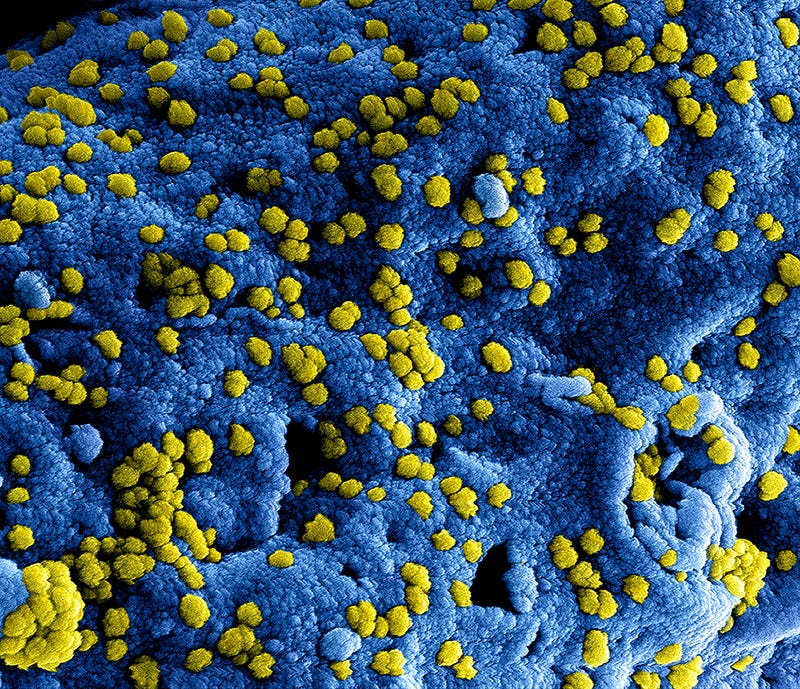
For instance, research has shown that the microbiome in your gut can affect everything from your digestion to your mood. In one study published in the journal PLOS ONE, researchers found that people who ate a high-fiber diet had a more diverse microbiome, which was associated with lower levels of inflammation and better mental health.
The gut microbiome has been linked to mood and mental health in a number of ways, both positively and negatively. Here are some examples:
- Anxiety and depression: There is growing evidence to suggest that imbalances in the gut microbiome may be linked to anxiety and depression. Studies have found that people with anxiety and depression may have different gut microbiome compositions than people without these conditions. Additionally, some research suggests that certain strains of gut bacteria may be associated with lower levels of anxiety and depression symptoms.
- Stress: The gut microbiome has also been linked to stress. Studies have found that changes in the gut microbiome composition can be associated with stress-induced behavioral changes, and that beneficial bacteria in the gut may help to reduce the physiological response to stress.
- Brain function: As I mentioned earlier, the gut-brain axis is bidirectional, meaning that the gut can influence the brain and vice versa. Studies have found that changes in the gut microbiome composition can be associated with changes in brain function and behavior, and that the gut microbiome may be involved in the production of neurotransmitters such as serotonin, which is involved in mood regulation.
- Autism: There is some evidence to suggest that imbalances in the gut microbiome may be linked to autism spectrum disorder (ASD). Studies have found that children with ASD may have different gut microbiome compositions than children without the condition, and that certain strains of gut bacteria may be associated with improvements in ASD symptoms.
- ADHD: Some research has suggested that imbalances in the gut microbiome may be linked to attention deficit hyperactivity disorder (ADHD). Studies have found that children with ADHD may have different gut microbiome compositions than children without the condition, and that certain strains of gut bacteria may be associated with improvements in ADHD symptoms.
These are just a few examples of how the gut microbiome can impact mood and mental health, both positively and negatively. By maintaining a healthy and diverse gut microbiome through a healthy diet and lifestyle, we can help to promote good mental health and wellbeing.
Infections
Another example of the importance of the microbiome is in the treatment of infections. Traditional antibiotics are often indiscriminate in their attack on bacteria, killing off both good and bad bacteria in the process. However, researchers are exploring new ways to target specific harmful bacteria while preserving the beneficial bacteria in the microbiome.
In terms of protection, the gut microbiome can help to prevent harmful bacteria from colonizing the gut and causing infections. Certain strains of gut bacteria can produce antimicrobial peptides, which can kill or inhibit the growth of harmful bacteria. Additionally, a healthy and diverse gut microbiome can help to promote immune system function, which can also help to prevent infections.
However, infections can disrupt the gut microbiome by killing off beneficial bacteria and allowing harmful bacteria to thrive. For example, the use of antibiotics can be lifesaving in the treatment of bacterial infections, but it can also have a negative impact on the gut microbiome. Antibiotics are designed to kill bacteria, but they cannot distinguish between good and bad bacteria, so they can wipe out beneficial bacteria in the gut along with harmful ones. This can lead to a decrease in overall gut microbiome diversity and potentially harmful imbalances.
Treatment Possibilities
One promising approach is the use of bacteriophages, which are viruses that infect and kill specific strains of bacteria. In a recent study published in the journal Scientific Reports, researchers used a cocktail of bacteriophages to successfully treat a life-threatening infection caused by a drug-resistant strain of bacteria.
Research is currently underway to develop new antibiotics that can selectively target harmful bacteria while leaving beneficial bacteria in the gut unharmed. This could help to preserve the integrity of the gut microbiome while still effectively treating bacterial infections.
In addition, there is also interest in developing probiotics and other therapies that can help to restore and maintain a healthy gut microbiome. For example, fecal microbiota transplantation (FMT) involves transplanting fecal matter from a healthy donor into the gut of a patient with a gut microbiome imbalance or infection. FMT has shown promise in treating conditions such as recurrent Clostridium difficile infection and inflammatory bowel disease.
Overall, the gut microbiome plays a complex and important role in protecting the body from infections and maintaining overall health. As we continue to learn more about the gut microbiome, there is hope that we can develop new and innovative therapies to treat gut microbiome imbalances and infections.
It’s amazing to think that these tiny microorganisms that we can’t even see with the naked eye play such a crucial role in our health and well-being. And as we continue to learn more about the microbiome, we may be able to develop new treatments for a wide range of diseases and conditions.

If you enjoyed this article and would like to support me while becoming a medium member and being able to read unlimited medium, Please consider becoming a member via my affiliated link:
More you might like:


