
Decoding ‘Imagine’: John Lennon’s Vision of Peace
Decoding Music
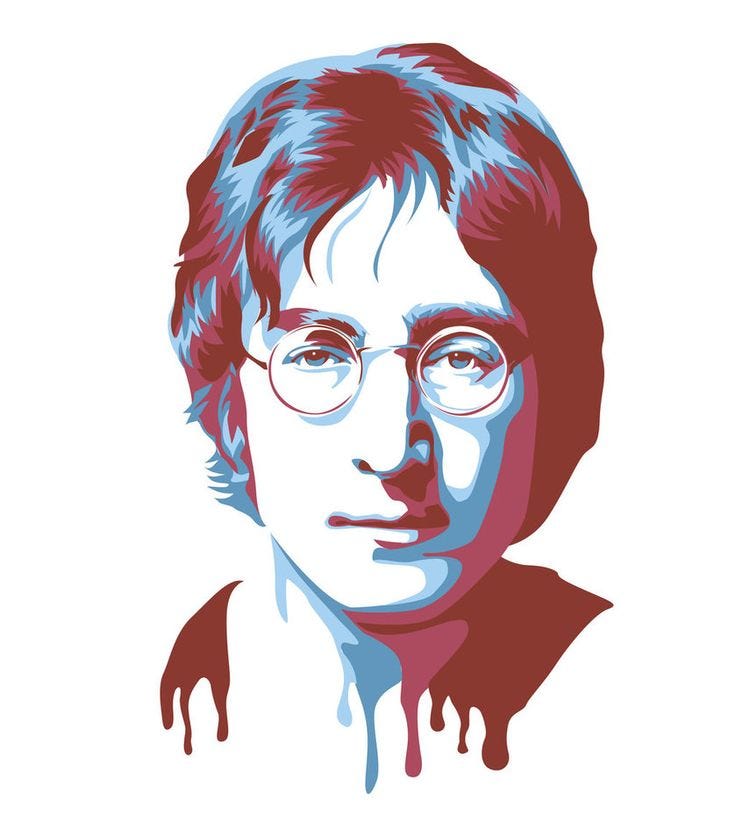
Released in 1971, ‘Imagine’ by John Lennon is more than just a song; it’s a musical embodiment of peace, unity, and hope.
With its beautiful piano melody and profound lyrics, the song has touched the hearts of millions, transcending generations and cultures. It’s a testament to the power of music to convey deep emotions and inspire change.
From the moment the first notes of ‘Imagine’ play, listeners are transported to a world of possibilities— a world where the barriers that divide us melt away, and the shared dreams of humanity come to the forefront.
The song’s universal message resonates with people from all walks of life, making it one of the most recognized and beloved songs in music history.
In the context of the early 1970s, a period marked by political unrest, social upheaval, and the Vietnam War, ‘Imagine’ emerged as a beacon of hope.
It was a call to action, urging listeners to envision a world of peace and to work towards making that vision a reality. Over the years, the song has been covered by numerous artists, each bringing their unique interpretation, yet the core message remains unchanged.
As we delve deeper into the song’s history, lyrical content, and lasting impact, we’ll discover why ‘Imagine’ continues to be a source of inspiration and a timeless classic.
The Genesis of ‘Imagine’: Lennon’s Inspirations
The creation of ‘Imagine’ was influenced by a blend of personal, artistic, and political factors in John Lennon’s life. As a former member of The Beatles, Lennon had already established himself as a musical icon.
However, post-Beatles, he embarked on a journey of self-discovery, introspection, and activism, which deeply influenced his solo work.
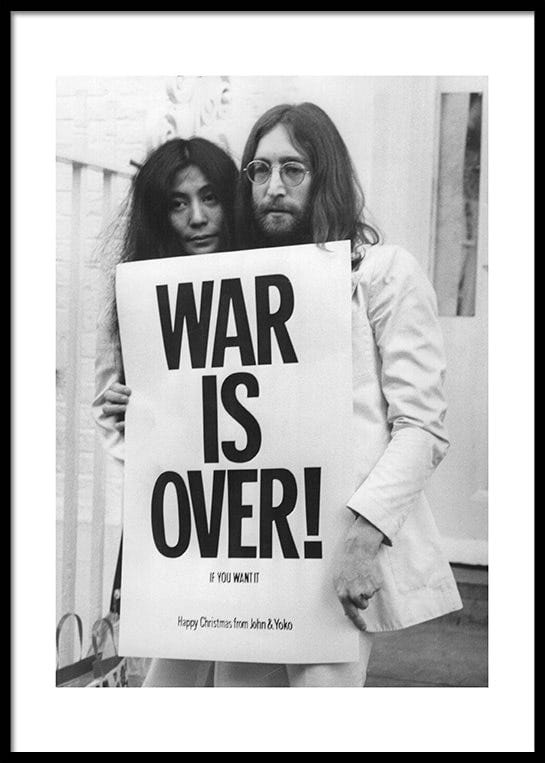
One of the primary inspirations for ‘Imagine’ was Yoko Ono, Lennon’s wife and artistic collaborator. The couple shared a deep bond, and their collaborative art projects often revolved around themes of peace and love.
In fact, the song’s lyrics were directly influenced by Yoko’s poetry, particularly a piece titled ‘Cloud Piece’ from her book ‘Grapefruit’. The poem urged readers to ‘imagine the clouds dripping’ and ‘imagine goldfish swimming across the sky’, emphasizing the power of imagination to transform reality.
Another significant influence was the socio-political climate of the early 1970s. The world was grappling with the aftermath of the 1960s, a decade marked by civil rights movements, anti-war protests, and a general call for peace and equality.
The Vietnam War, in particular, was a contentious issue, and Lennon, like many of his contemporaries, was deeply affected by the conflict and its implications.
‘Imagine’ was, in many ways, a response to this tumultuous period, offering a vision of hope amidst the chaos.
In essence, ‘Imagine’ was born out of Lennon’s personal journey, his collaborations with Yoko, and his reflections on the state of the world. It was a song that encapsulated his dreams, hopes, and aspirations for a better future.

Lyric Analysis: A World Without Borders
The lyrics of ‘Imagine’ are poetically captivating, evoking deep emotions, yet they carry a profound message that has resonated with listeners for decades. Through his words, John Lennon paints a picture of a utopian world, free from the divisions and conflicts that plague humanity.
Let’s delve into the lyrics and uncover the deeper meanings behind them.
‘Imagine there’s no heaven / It’s easy if you try / No hell below us / Above us only sky’
With these opening lines, Lennon challenges traditional religious beliefs, urging listeners to envision a world where the concepts of heaven and hell don’t exist.
It’s a call to live in the present, to focus on the here and now, rather than the afterlife. By doing so, Lennon suggests that people might come together in harmony.
‘Imagine all the people / Living for today…’
This refrain emphasizes the importance of living in the present moment, of cherishing the now. It’s a reminder that if we focus on the present, we can work together to create a better future.
‘Imagine there’s no countries / It isn’t hard to do / Nothing to kill or die for / And no religion too’
Lennon touches upon the root causes of many of the world’s conflicts: nationalism and religious differences. By imagining a world without borders or religious divisions, he highlights the potential for global unity and peace.
‘Imagine all the people / Living life in peace…’
This line encapsulates the song’s core message: a dream of planetary wholeness and harmony. It’s a vision of a world where people of all backgrounds come together in mutual respect and understanding.
‘Imagine no possessions / I wonder if you can / No need for greed or hunger / A brotherhood of man’
Lennon critiques materialism and the societal emphasis on wealth and possessions. He proposes that without these distractions, humanity could focus on more important values, such as compassion and brotherhood.
‘Imagine all the people / Sharing all the world…’
The song concludes with a call for global integrity, for a world where resources and opportunities are shared equally among all.
The lyrics of ‘Imagine’ are a blueprint for a better world. Through his words, John Lennon challenges societal norms and urges listeners to dream big, to envision a world of peace, unity, and love.
The Legacy of ‘Imagine’: Its Impact and Relevance
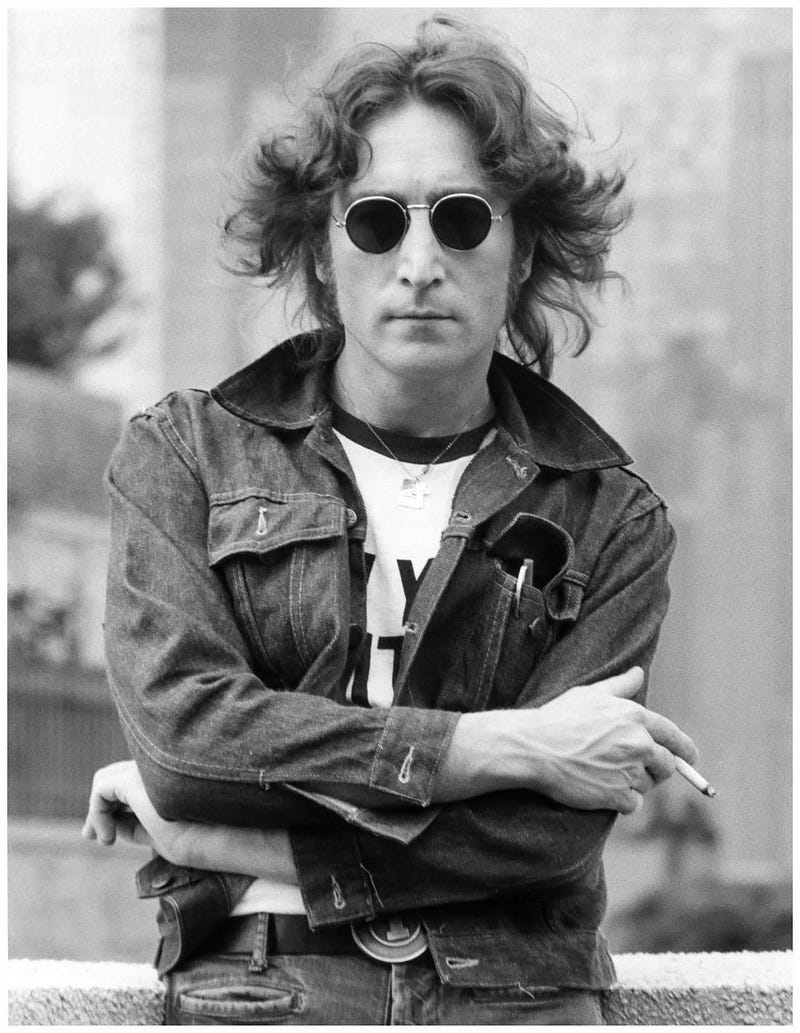
Since its release in 1971, ‘Imagine’ has left an indelible mark on the world of music and beyond. Its message of peace, unity, and hope has resonated with countless individuals, making it a timeless anthem for change. The song’s legacy is multifaceted, and its impact can be seen in various spheres of society.
A Symbol for Peace Movements: ‘Imagine’ quickly became an anthem for peace movements around the world. Its call for a world without borders, religions, or possessions resonated with those advocating for global unity and disarmament. The song was frequently played at anti-war rallies, peace marches, and events promoting international cooperation.
Covers and Tributes: Over the years, numerous artists from diverse genres and backgrounds have covered ‘Imagine’.
Each rendition brings a unique perspective, yet the core message remains unchanged.
From Lady Gaga’s performance at the 2020 Tokyo Olympics to renditions by artists like Elton John, Madonna, and Stevie Wonder, the song continues to inspire new generations.
Use in Popular Culture: ‘Imagine’ has been featured in numerous films, documentaries, and TV shows, often used to underscore moments of hope, unity, or reflection. Its universal appeal makes it a favorite choice for filmmakers and storytellers looking to evoke deep emotions in their audience.
Continued Relevance: In today’s world, where divisions seem more pronounced than ever, the message of ‘Imagine’ remains as relevant as it was in the 1970s. The song serves as a reminder of the potential for global unity and the importance of working towards a better future.
It’s a call to action, urging listeners to not just dream of a better world but to actively work towards it.
Honors and Recognition: ‘Imagine’ has received numerous accolades and honors over the years. It was inducted into the Grammy Hall of Fame and ranked by Rolling Stone as one of the ‘500 Greatest Songs of All Time’. The song’s enduring popularity is a testament to its powerful message and Lennon’s genius.
Conclusion: ‘Imagine’ as a Beacon of Hope
As we reflect on the profound impact and timeless appeal of ‘Imagine’, it’s evident that John Lennon’s masterpiece is more than just a song.
It’s a clarion call for peace, unity, and understanding. A song that, despite being penned over five decades ago, continues to inspire and resonate with listeners around the world.
The beauty of ‘Imagine’ lies in its simplicity. With its gentle piano melody and heartfelt lyrics, the song invites listeners to dream of a world free from divisions, hatred, and prejudice. It’s a world where people live in harmony, cherishing the present moment and working together to create a brighter future.
The song’s message is universal, transcending cultural, religious, and geographical boundaries. It speaks to the innate human desire for peace and connection, urging us to look beyond our differences and recognize our shared humanity.
In a world often marred by conflict, division, and misunderstanding, ‘Imagine’ serves as a reminder of the potential for positive change and the power of collective action.
John Lennon’s vision of a better world, as articulated in ‘Imagine’, is not just a utopian dream. It’s a call to action, challenging each one of us to play our part in creating a more inclusive, compassionate, and just society.
The song encourages us to question the status quo, to challenge societal norms, and to work towards a world where love, understanding, and unity prevail.
My Secrets On How To Write on Medium, And Make Money.
Fuel Your Curiosity, Ignite Your Inspiration: Subscribe to My Newsletter Today!
👉 Why Subscribe?
Exclusive Content: Gain access to new and uncensored articles about fascinating subjects you won’t find anywhere else. Delve deeper into the realms of music, coding, and mindful musings.
Mindful Musings: Dive into thoughtful explorations on topics designed to stir your intellect. 🪐
- Code Unveiled: As a web developer, I am thrilled to share tips and tricks to smooth out your coding ventures. 🏆
- Rhythmic Resonance: Journey through the profound impact of music, one beat at a time. 🥁
🌟 Be the First to Know: Subscribers are the first to receive fresh content, ensuring you’re always at the forefront of insightful discussions.
Your engagement propels this journey forward! Discover more insights in the articles to come by staying connected. 🗣️
- Subscribe to My Newsletter 📝
- Follow on Medium 🧠
- YouTube 🚀
- Instagram 🍒


