
Decoding David Bowie: The Chameleon of Rock
Decoding Music
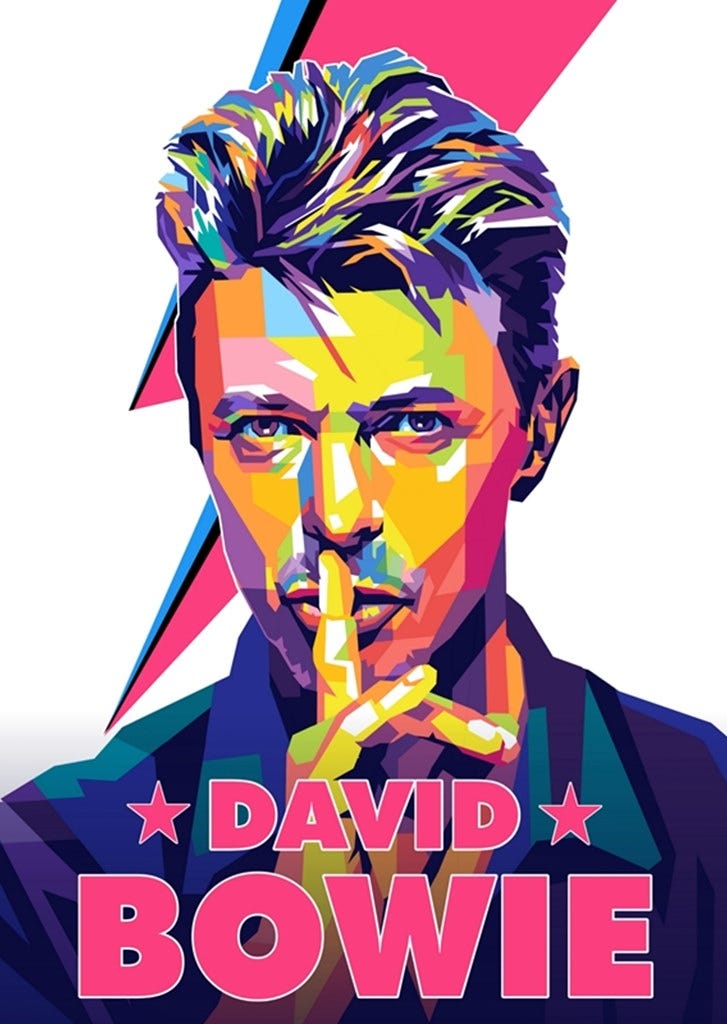
The Enigma of David Bowie
David Bowie, born David Robert Jones, wasnot just a musician; he was a phenomenon. From his early days in the London music scene to his final album, released just days before his death, Bowie was a master of reinvention. His ability to adapt, change, and challenge musical norms made him one of the most influential artists of the 20th century.
Bowie’s music transcended genres. He dabbled in rock, pop, electronic, jazz, and even ventured into the world of classical music. But it wasn’t just his musical versatility that set him apart; it was his innate ability to tell stories, both personal and fictional, through his songs and alter egos. Each album, each song, and each persona was a new chapter in the ever-evolving story of David Bowie.
His impact on the music industry is immeasurable. He challenged gender norms with his androgynous looks, pushed musical boundaries with his innovative sounds, and always stayed true to his artistic vision. This article aims to decode the enigma of David Bowie, delving deep into his most iconic personas, albums, and songs, and understanding the man behind the legend.
Ziggy Stardust: The Birth of an Alien Rockstar
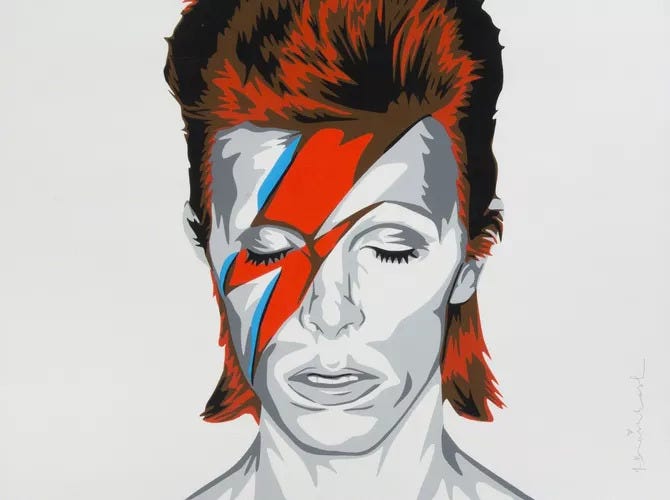
In 1972, the world was introduced to Ziggy Stardust, an androgynous, alien rock star who became one of David Bowie’s most iconic personas. With a shock of red hair, a lightning bolt across his face, and a flamboyant wardrobe, Ziggy was the epitome of glam rock.
The album ‘The Rise and Fall of Ziggy Stardust and the Spiders from Mars’ is a concept album that tells the story of Ziggy, an extraterrestrial being who acts as an intermediary between Earth and space. As he becomes a rock star, he gets consumed by his own fame, leading to his eventual self-destruction.
Songs like ‘Starman’, ‘Suffragette City’, and ‘Rock ’n’ Roll Suicide’ not only showcased Bowie’s musical genius but also highlighted themes of hope, rebellion, and the pitfalls of fame. The album’s eclectic mix of rock, soul, and pop was groundbreaking, and its influence can still be felt in today’s music.
Ziggy Stardust was more than just a character; he was a reflection of the times. The early 70s was a period of change, both socially and musically. Bowie, with Ziggy, captured the essence of the era, challenging societal norms and pushing musical boundaries. Ziggy became a symbol of rebellion, freedom, and self-expression, and remains one of Bowie’s most enduring legacies.
Aladdin Sane: A Post-Ziggy Exploration
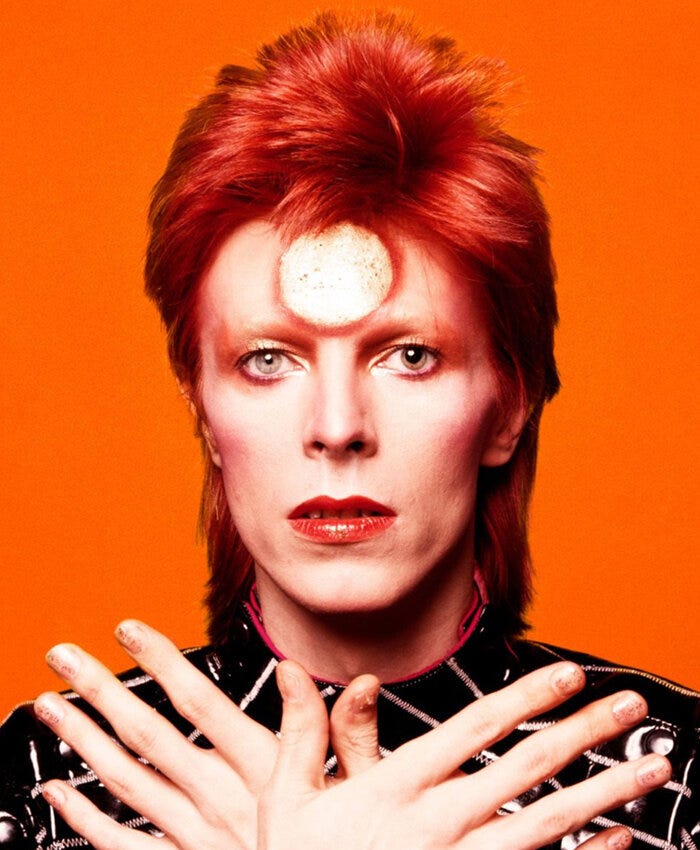
Following the meteoric rise and fall of Ziggy Stardust, David Bowie introduced the world to another intriguing character: Aladdin Sane. Often viewed as Ziggy’s darker, more cynical twin, Aladdin Sane was Bowie’s response to his newfound fame and the madness that accompanied it.
The name ‘Aladdin Sane’ is a play on the words ‘A Lad Insane’, hinting at the themes of madness and duality that run through the album. The iconic cover, featuring Bowie with a lightning bolt across his face, further emphasizes this split, representing the dichotomy between the rock star and the man behind the persona.
Musically, ‘Aladdin Sane’ is a more experimental and jazz-infused work than its predecessor. Songs like ‘Time’ and ‘Lady Grinning Soul’ showcase Bowie’s vocal range, while ‘Panic in Detroit’ and ‘The Jean Genie’ are rockier numbers that hark back to the Ziggy era.
While Ziggy Stardust was a character rooted in fantasy, Aladdin Sane was a reflection of Bowie’s reality. It was his way of processing the whirlwind of fame, the chaos of touring, and the disconnection from reality that often accompanies success. Through Aladdin Sane, Bowie explored the darker side of stardom, creating an album that is both a continuation and a departure from Ziggy Stardust.
The Thin White Duke: Elegance and Darkness
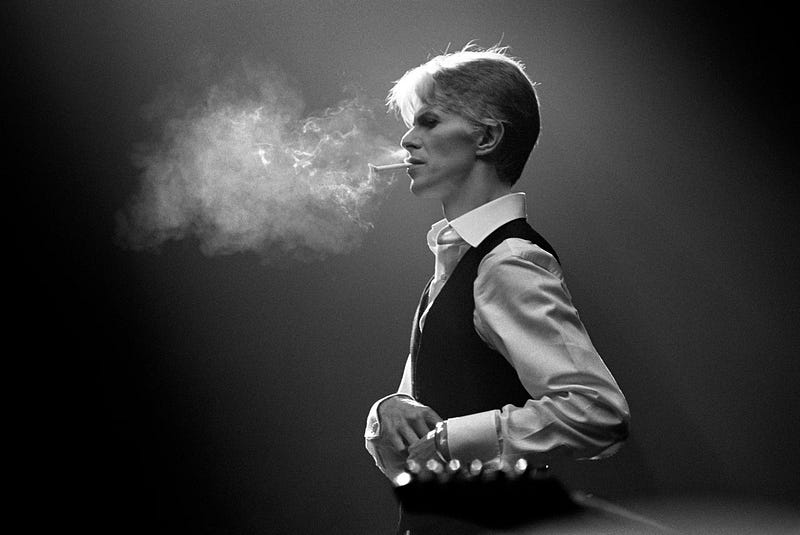
Emerging from the ashes of Ziggy Stardust and Aladdin Sane, David Bowie introduced yet another enigmatic character to the world: The Thin White Duke. This persona, characterized by its emotionless, impassive manner, sharp dressing style, and slicked-back hair, marked a significant departure from Bowie’s previous alter-egos.
The Thin White Duke was the face of Bowie’s 1976 album ‘Station to Station’. The album, often described as a bridge between his soul-influenced ‘Young Americans’ and the experimental Berlin Trilogy, is a reflection of Bowie’s personal struggles during this period. Battling drug addiction and grappling with fame, Bowie channeled his inner turmoil into the creation of the Duke.
Songs like ‘Golden Years’ and ‘TVC15’ showcase the funk and soul influences, while the title track ‘Station to Station’ is a sprawling, avant-garde piece that hints at the direction Bowie would take in his subsequent albums. The lyrics, often cryptic and filled with religious and occult imagery, further emphasize the Duke’s detached, otherworldly nature.
While the Thin White Duke is often seen as one of Bowie’s most controversial personas due to its associations with fascism and the occult, it’s also a testament to his ability to constantly evolve and reinvent himself. Through the Duke, Bowie explored themes of isolation, spirituality, and the search for meaning, creating an album that remains one of his most enigmatic and influential works.
Berlin Trilogy: A Period of Experimentation
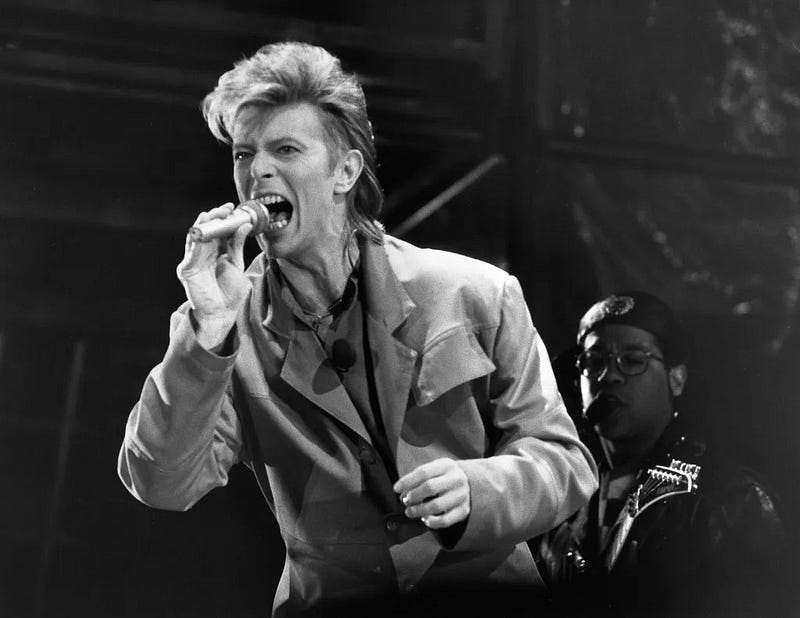
The late 1970s marked a significant shift in David Bowie’s musical direction. Seeking a change from the chaos of Los Angeles and the dark persona of the Thin White Duke, Bowie relocated to Berlin. This move would result in the creation of three of his most experimental and influential albums, collectively known as the Berlin Trilogy: ‘Low’, ‘Heroes’, and ‘Lodger’.
Low (1977): The first installment of the trilogy, ‘Low’ is characterized by its avant-garde sound, blending rock, ambient, and electronic music. The album’s first side features more traditional rock songs, while the second side delves into instrumental, ambient soundscapes. Tracks like ‘Sound and Vision’ and ‘Warszawa’ showcase Bowie’s willingness to push musical boundaries and experiment with new sounds.
Heroes (1977): Continuing the experimental trend, ‘Heroes’ is perhaps best known for its title track, a soaring anthem of hope and resilience. The album further explores the ambient sounds introduced in ‘Low’, with tracks like ‘Moss Garden’ and ‘Neuköln’ reflecting Bowie’s fascination with electronic music.
Lodger (1979): The final installment of the trilogy, ‘Lodger’ is a more eclectic mix of rock, pop, and world music. Songs like ‘D.J.’ and ‘Boys Keep Swinging’ hark back to Bowie’s glam rock days, while ‘African Night Flight’ and ‘Yassassin’ showcase his interest in world rhythms and sounds.
The Berlin Trilogy is a testament to Bowie’s ability to reinvent himself and stay ahead of musical trends. Influenced by his surroundings and collaborations with artists like Brian Eno and Robert Fripp, these albums remain some of the most innovative and influential in Bowie’s discography. They reflect a period of intense creativity and experimentation, solidifying Bowie’s reputation as a true musical chameleon.
Major Tom: A Recurring Character
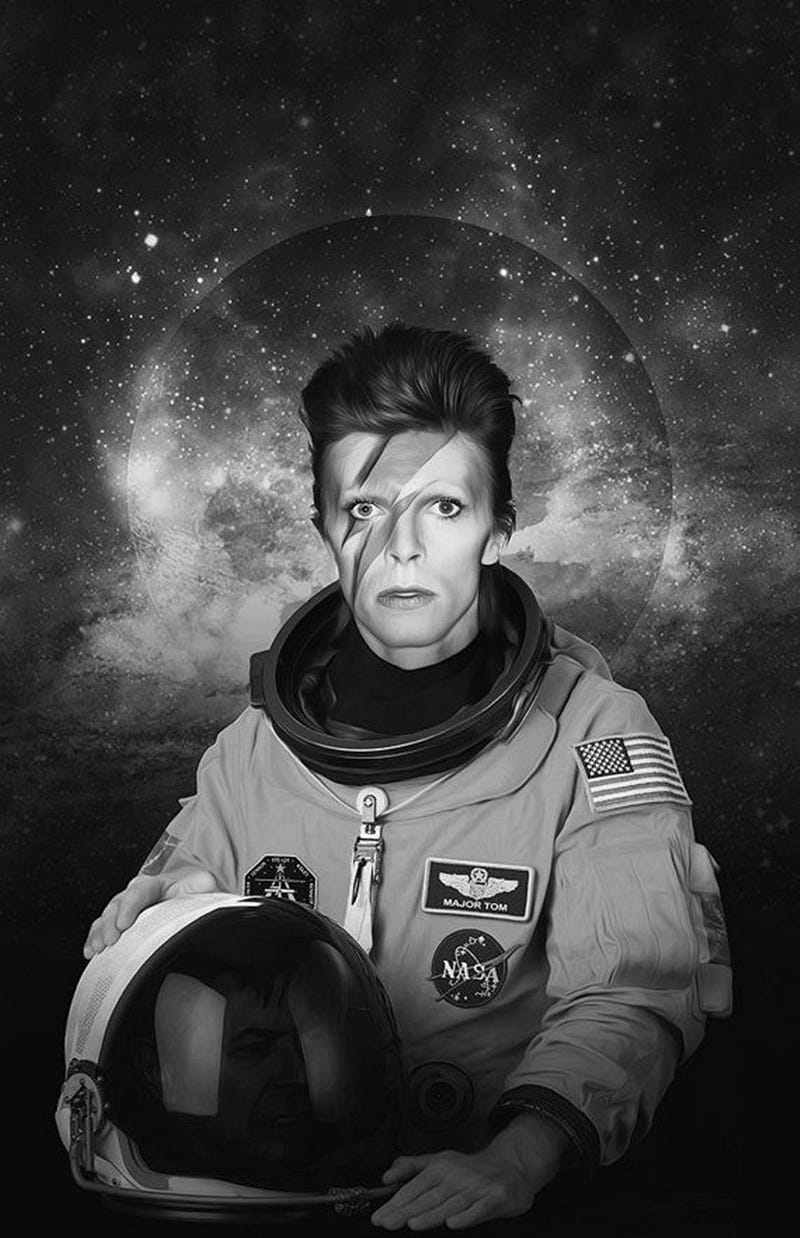
Major Tom, an astronaut character, is one of the most recurring and enigmatic figures in David Bowie’s musical universe. Making appearances across multiple songs and albums, Major Tom’s journey mirrors Bowie’s own evolution as an artist and individual.
Space Oddity (1969): Major Tom’s first appearance is in ‘Space Oddity’, where he’s portrayed as an astronaut launched into space. The song, with its haunting melody and poignant lyrics, captures the isolation and uncertainty of space travel. It’s a reflection of the era’s fascination with space exploration and the existential questions it raised.
Ashes to Ashes (1980): Major Tom reappears in ‘Ashes to Ashes’, but this time, he’s depicted as a junkie, ‘strung out in heaven’s high.’ The song revisits the character, offering a more somber and introspective take. It’s a commentary on Bowie’s own struggles with addiction and the pitfalls of fame.
Blackstar (2016): In Bowie’s final album before his death, Major Tom makes another appearance in the title track ‘Blackstar’. The song’s surreal and cryptic lyrics hint at the character’s death and transcendence. It’s a fitting end to Major Tom’s journey, symbolizing rebirth and the cyclical nature of life and death.
Major Tom is more than just a fictional character; he’s a symbol of exploration, isolation, and the human condition. Through Major Tom, Bowie explored themes of space, addiction, fame, and mortality. The character’s evolution over the years offers a glimpse into Bowie’s own journey, making Major Tom one of the most iconic and enduring figures in his musical legacy.
Fashion and Alter Egos: Bowie’s Visual Impact
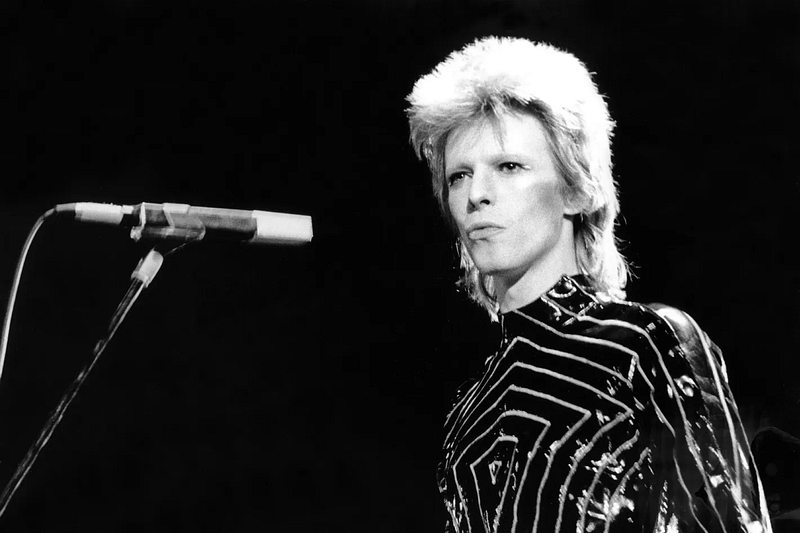
David Bowie was not just a musical genius; he was a visual artist in every sense of the word. Throughout his career, Bowie’s fashion choices and alter egos played a crucial role in conveying the themes and emotions of his music. His ability to seamlessly blend music, fashion, and performance made him a style icon and a trendsetter.
Glam Rock and Androgyny: In the early 70s, Bowie embraced the glam rock movement, characterized by its flamboyant fashion and androgynous looks. With his bright red hair, glittery outfits, and platform shoes, Bowie challenged traditional gender norms and became a symbol of the androgynous beauty.
The Thin White Duke: As the Thin White Duke, Bowie adopted a more refined and elegant look. Dressed in sharp suits and a slicked-back hairstyle, the Duke was a stark contrast to the colorful and flamboyant Ziggy Stardust. It was a reflection of Bowie’s evolving musical style and his personal struggles during that period.
Berlin Era: During his time in Berlin, Bowie’s fashion choices became more subdued and minimalist. It mirrored the experimental and avant-garde nature of his Berlin Trilogy albums.
80s Pop Icon: In the 80s, as Bowie ventured into the pop and dance music realm, his fashion choices reflected the vibrant and eclectic style of the decade. With his colorful suits, bold patterns, and iconic hairstyles, Bowie once again set fashion trends.
Bowie’s influence on fashion is undeniable. From high fashion runways to street style, his impact can be seen everywhere. Designers like Jean Paul Gaultier, Alexander McQueen, and Hedi Slimane have all cited Bowie as a significant influence. His ability to constantly reinvent himself, both musically and visually, made him a true icon, leaving an indelible mark on the worlds of music and fashion.
Legacy and Influence: Bowie’s Everlasting Impact

David Bowie’s passing in 2016 left a void in the music world, but his legacy continues to thrive. His influence can be seen in every corner of the music industry, from rock to pop to electronic and beyond. Bowie’s ability to constantly evolve, to challenge norms, and to push boundaries made him a trailblazer in every sense of the word.
Musical Influence: Artists from various genres, including Lady Gaga, Radiohead, Madonna, and Kanye West, have cited Bowie as a significant influence. His willingness to experiment with different sounds, genres, and themes inspired countless artists to think outside the box and challenge musical norms.
Fashion Icon: Bowie’s impact on fashion is undeniable. His androgynous looks, flamboyant outfits, and ability to reinvent himself made him a style icon. Designers and fashion enthusiasts worldwide continue to draw inspiration from his unique sense of style.
Cultural Impact: Beyond music and fashion, Bowie’s influence can be seen in film, theater, and art. His roles in movies like ‘Labyrinth’ and ‘The Man Who Fell to Earth’ showcased his acting prowess. Meanwhile, his music videos and stage performances pushed the boundaries of what was possible, blending music, fashion, and performance art.
Humanitarian Efforts: Bowie was also known for his humanitarian efforts. He used his platform to raise awareness about various issues, including hunger, poverty, and AIDS. His charity concerts and advocacy work left a lasting impact on the world.
In conclusion, David Bowie was more than just a musician; he was a visionary, an innovator, and a cultural icon. His ability to adapt, evolve, and stay relevant throughout the decades is a testament to his genius. Bowie’s legacy will continue to inspire and influence generations to come, solidifying his place as one of the greatest artists of all time.
Explore More Decoding Stories and Lists:
Fuel Your Curiosity, Ignite Your Inspiration: Subscribe to My Newsletter Today!
👉 Why Subscribe?
Exclusive Content: Gain access to new and uncensored articles about fascinating subjects you won’t find anywhere else. Delve deeper into the realms of music, coding, and mindful musings.
- Mindful Musings: Dive into thoughtful explorations on topics designed to stir your intellect. 🪐
- Code Unveiled: As a web developer, I am thrilled to share tips and tricks to smooth out your coding ventures. 🏆
- Rhythmic Resonance: Journey through the profound impact of music, one beat at a time. 🥁
🌟 Be the First to Know: Subscribers are the first to receive fresh content, ensuring you’re always at the forefront of insightful discussions.
Your engagement propels this journey forward! Discover more insights in the articles to come by staying connected. 🗣️
- Subscribe to My Newsletter 📝
- Follow on Medium 🧠
- YouTube 🚀
- Instagram 🍒