
Debunking the Myths of Activated Charcoal in Beauty Products
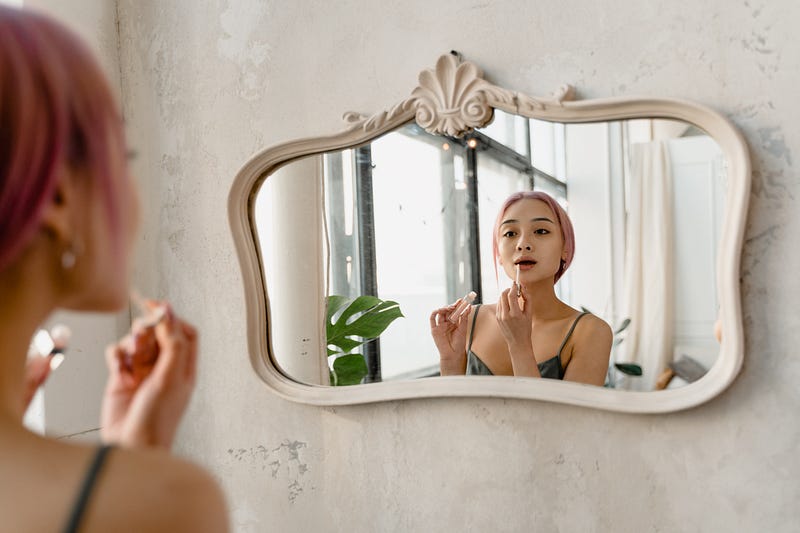
Activated charcoal has become a popular ingredient in many beauty products, from facial masks to toothpaste. It’s praised for its ability to detoxify the skin, remove impurities and improve complexion. However, there is still some controversy surrounding its effectiveness and safety.
The Science Behind Activated Charcoal
Activated charcoal is a form of carbon that has been treated with oxygen to make it highly porous and increase its surface area. It’s commonly used in air and water purification, as well as in medicine to treat certain types of poisoning.
In beauty products, activated charcoal is often marketed as a powerful detoxifier and cleanser. It’s claimed to draw out impurities, unclog pores and absorb excess oil, leaving the skin looking fresh and radiant. However, there is little scientific evidence to support these claims.
“The use of activated charcoal in beauty products is mostly based on anecdotal evidence and marketing hype rather than scientific research,” says Dr. Sarah Villafranco, a dermatologist and founder of Osmia Organics.
The Potential Dangers of Activated Charcoal in Skincare
While activated charcoal has been shown to be effective in some medical applications, its effectiveness in beauty products is still largely unproven. In fact, some experts warn that activated charcoal could do more harm than good.
“Activated charcoal can be too abrasive and actually damage the skin barrier, which can lead to irritation, redness and breakouts,” says Dr. Villafranco. “It can also strip the skin of its natural oils, causing dryness and irritation. This can lead to a cycle of over-drying, followed by increased oil production, which can ultimately lead to more acne and other skin problems.”
There is also concern about the potential for activated charcoal to interfere with the effectiveness of other skincare products. Because it can absorb so much, it may prevent other ingredients in a product from penetrating the skin and doing their job.
The Importance of Choosing Safe and Effective Skincare Products
Despite these concerns, activated charcoal remains a popular ingredient in many beauty products. If you’re considering using it, it’s important to do your research and choose a product from a reputable company with a proven track record of safety and effectiveness.
“When it comes to skincare, less is often more,” says Dr. Villafranco. “Look for products that contain antioxidants, vitamins, and other natural ingredients that have been shown to nourish and protect the skin without causing irritation or dryness.”
It’s also important to keep in mind that there are many other effective and safe ingredients available for improving the health and appearance of your skin. Look for products that contain ingredients such as hyaluronic acid, glycolic acid, vitamin C, and niacinamide, which have been shown to hydrate, exfoliate, brighten and soothe the skin.
While activated charcoal may have some benefits in certain medical applications, its effectiveness and safety in beauty products are still largely unproven. If you’re considering using it, be sure to do your research and choose a product from a reputable company. And remember, there are many other safe and effective ingredients available for improving the health and appearance of your skin.


