
Croatia, Montenegro, and Corfu Seascapes
Sparkling Water, A Thousand Islands, and a Stupendous Fjord
My wife and I are not boat people. The least bit of rocking has negative effects on us, to put it politely.
But a ship and a quieter sea were a possibility to consider, though not without anxiety.
The Adriatic Sea separates Italy from the coast of former Yugoslavia, which includes Croatia and Montenegro. It is 500 miles long and averages about 100 miles in width. We told ourselves it was like Lake Michigan — how wild could it be on a ship? And the cruise was in the quieter weather of August, so…
We were certainly glad afterward!
Where did all these islands come from?
After starting in Venice and stopping in Ravenna, Italy with its stunning mosaics, we crossed the sea to follow the coastline of Croatia.
What was immediately striking was land and mountains on both sides of the ship. The reason is that the coast of Croatia has a vast archipelago. We learned that there are almost 1,000 islands stringing the coast.
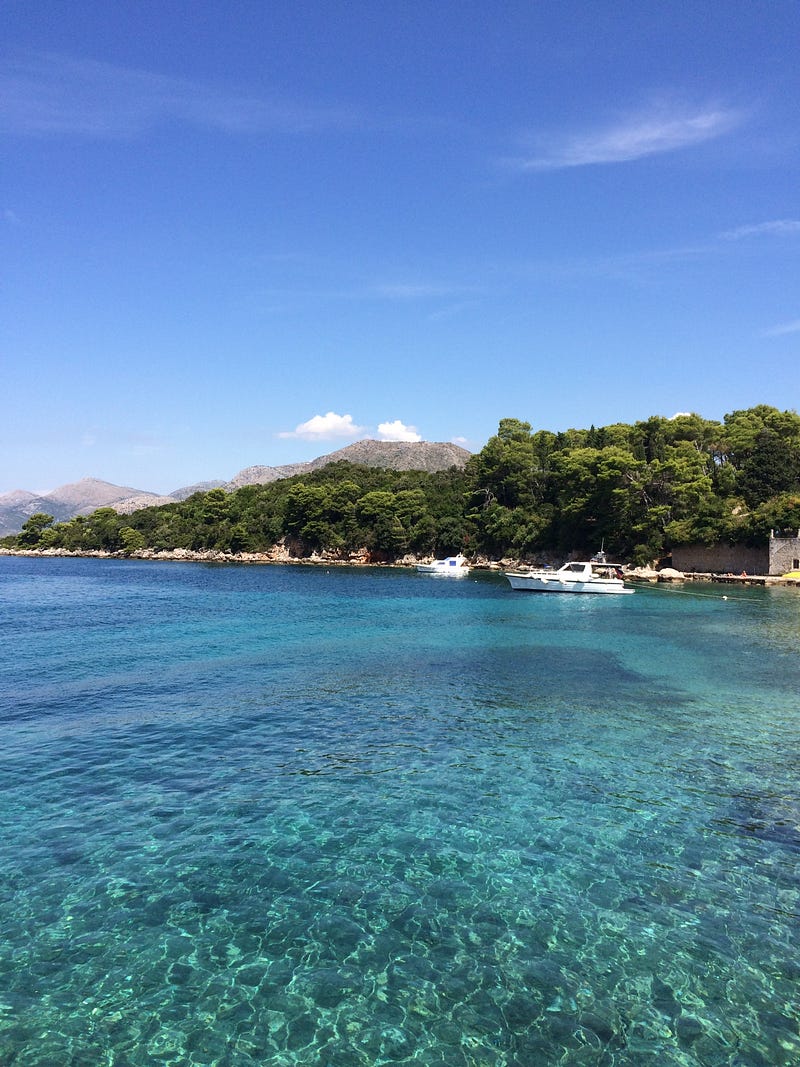
We delightfully watched the view go by — brilliant, azure sea, a changing vista of rolling and peaked terrain, and a shoreline dotted with towns. Our anxiety vanished, replaced by tranquility.
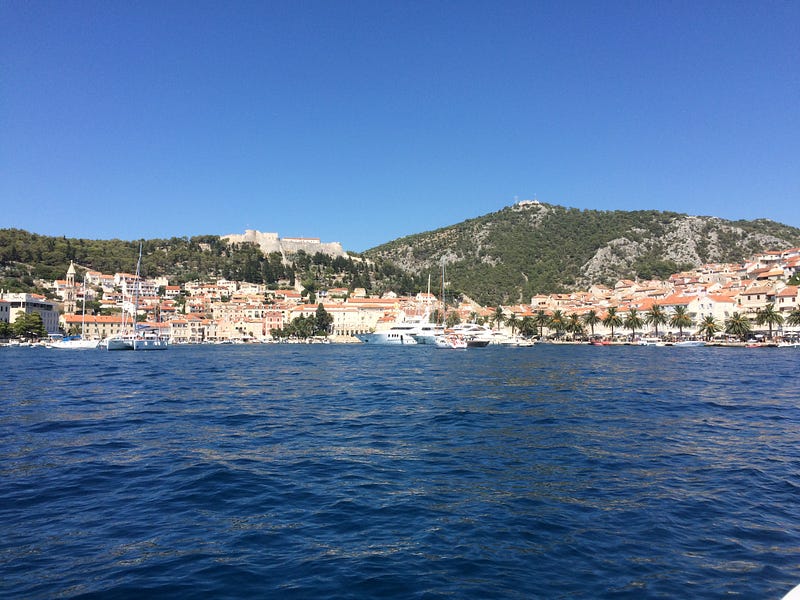
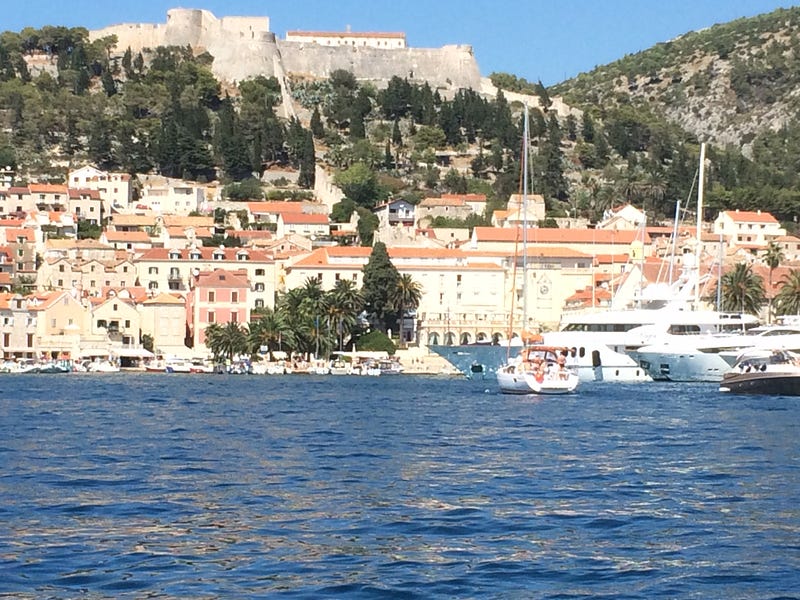
One of our first stops was off the island of Hvar. Our constantly creative family members booked a sailboat for the day — a stroke of genius. We spent the time leisurely exploring, pushed by soft breezes with perfect sun and skies. Of course, we took numerous breaks to jump in the water — it was turquoise, warm, and as clear as crystal. It was a heavenly experience!
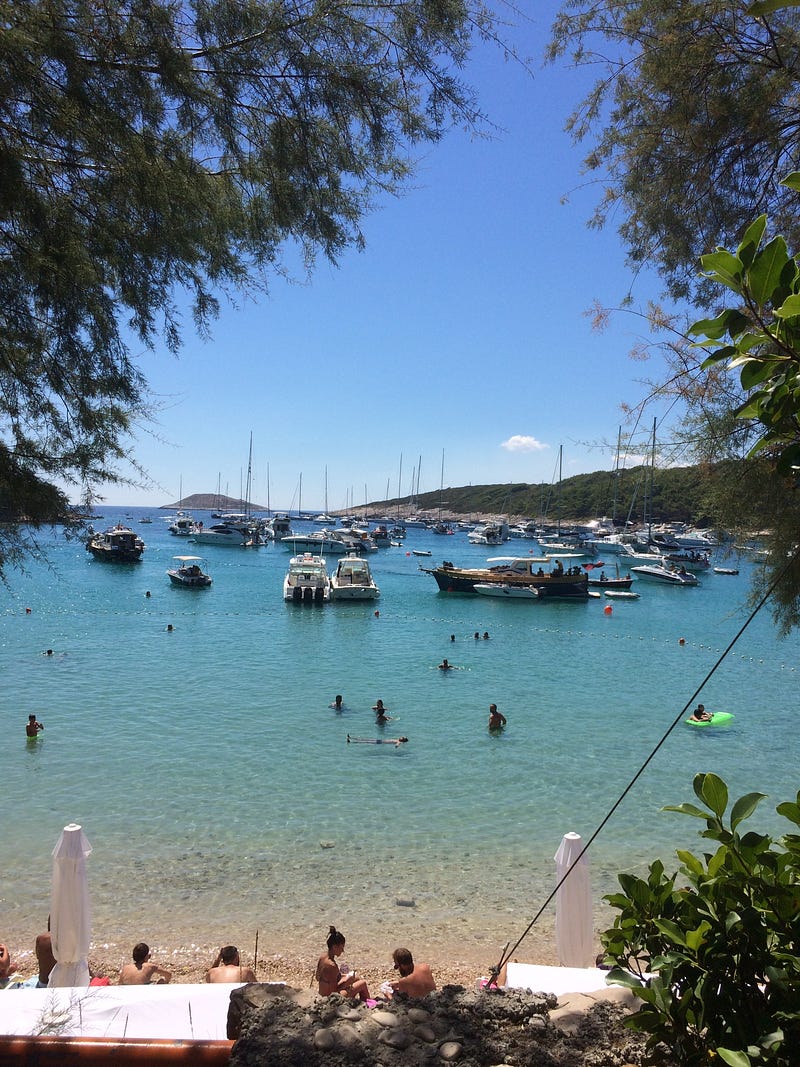
Leaving there and progressing south, we learned more about Croatia and its neighbors. It was a crossroads between East and West, North and South for ages. It had a steady influx of invaders and other cultures, which left good and bad marks.
On the bad and tragic side, the area had recently emerged from a disastrous civil war between clashing neighbors and religions. We often heard of the complete futility of it all — needlessly wasted lives and goodwill.
A point of hope and goodness that rose from the ashes was Dubrovnik, one of our next stops. During the civil war, there were times when more than 600 artillery shells per hour were fired into and around the city. Remarkably, the city that stands now does not bear a discernible imprint of the bombardment. City walls that appeared ancient rose from the bluffs abutting the sea.
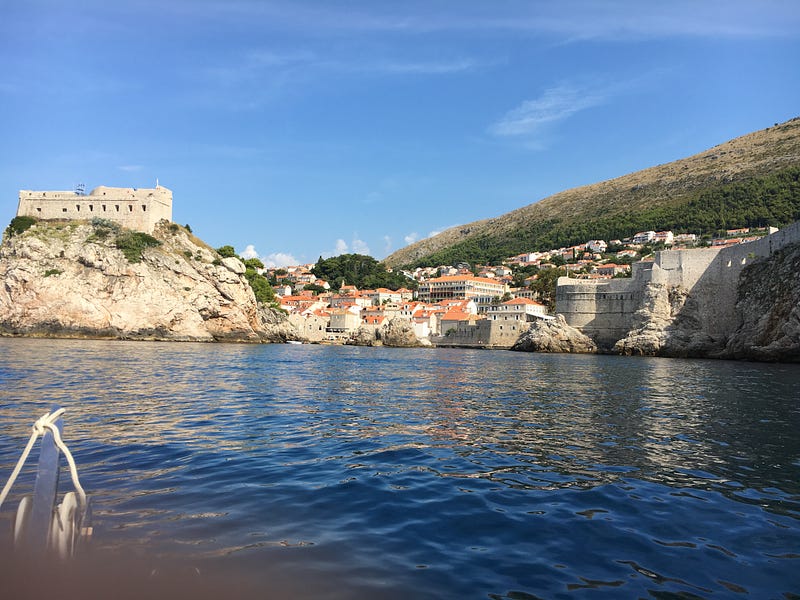
The good of Dubrovnik: it has a lovely old (appearing) city inside the walls. The bad — it’s been discovered. Highlighted in “Game of Thrones” and frequented by many cruise ships, there were 6 in the port the day we visited, it was thronged with people. It was challenging, but not enough to dull the experience of the beautiful city and its seaside setting.
Creative family members again showed their mettle by booking a motorboat for a sea excursion. Soon after passing the city walls, we were in an array of islands and shores with carved rocks. Again, we jumped in the water several times, in some cases swimming up to niches and caves in the rocks. The water was vivid blue and wonderfully clear.
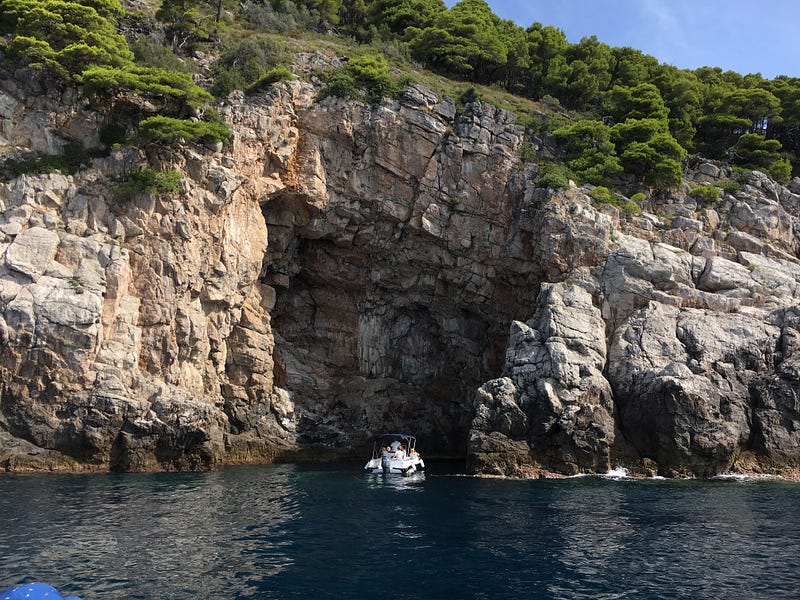
A considerable advantage of the Adriatic is that it is short enough so there were no “days at sea” as with many cruises. Our transitions were overnight, so each day we woke up in a new place.
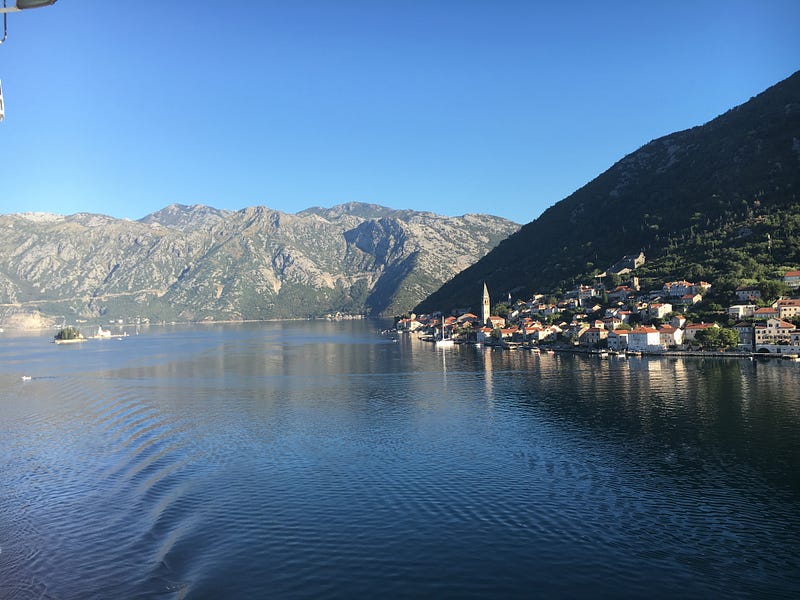
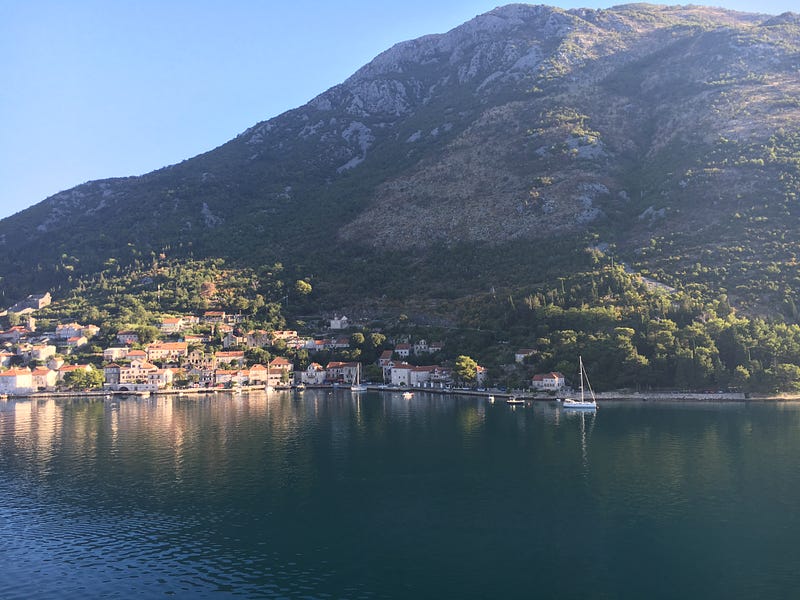
For our next stop, we learned that the next morning would feature traveling up the longest European fjord outside of Norway. We were sailing in the waters of Montenegro to the city of Kotor. On a cruise of constant highlights, this day was near the top.
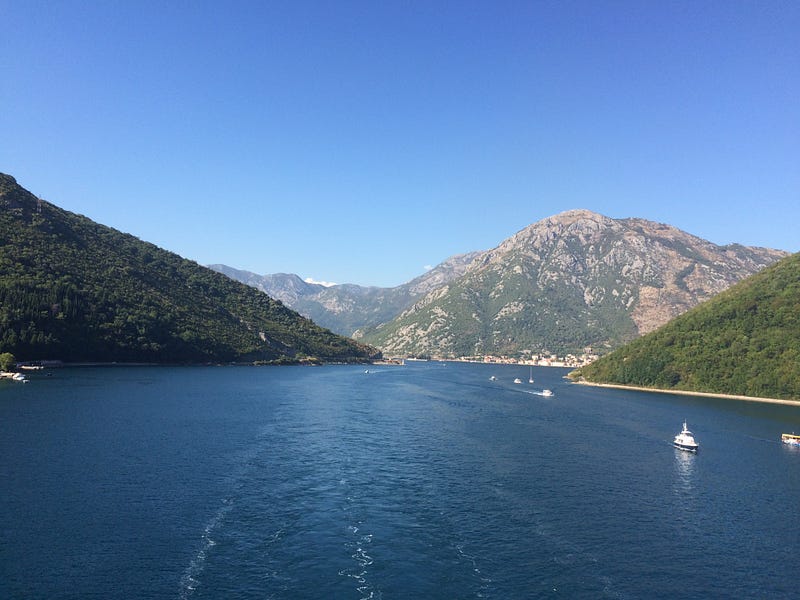
Going to the front of the ship, we watched as the ship navigated a large, somewhat twisting channel between substantial mountains. It was astounding and awe-inspiring. There were occasional small, steepled towns. After an hour of surpassing beauty, we pulled to a stop at the city of Kotor.
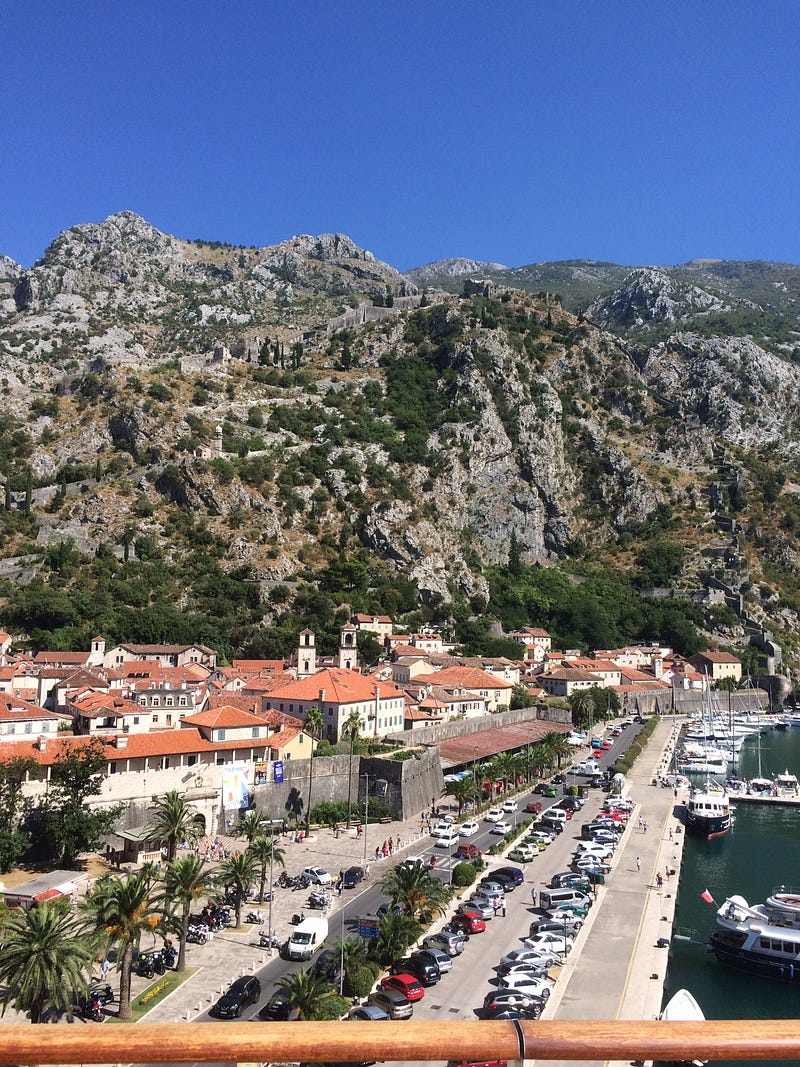
Kotor is at the base of mostly barren mountains, but city walls starting at the shore climb the mountains for hundreds of feet. We enjoyed the day wandering, while taken by the incredible setting. There was a brief bus tour over the hill to nearby areas that awaited development into high-end resorts. It was encouraging to visit before Montenegro too was discovered!
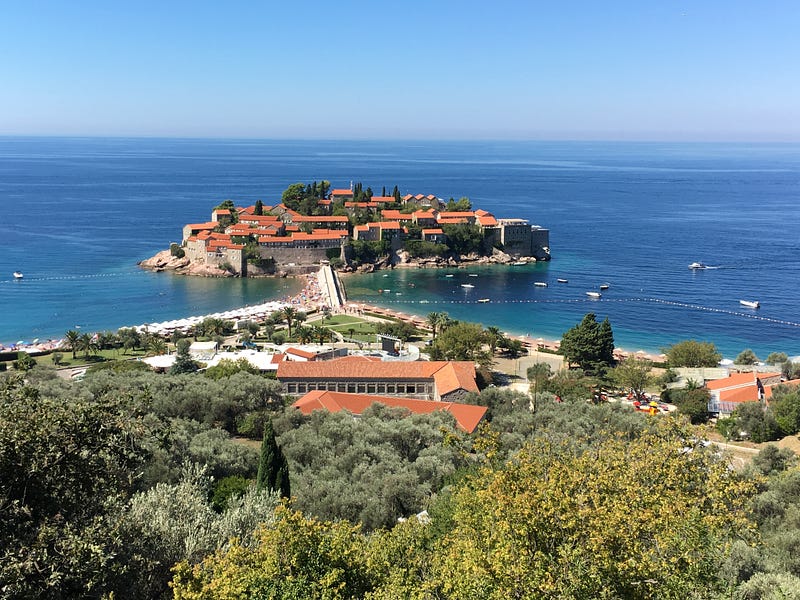
Good planning ensured the ship pulled out before dark, so the fjord highlights got a late afternoon repeat. Unlike some second chances, it did not disappoint!
We made other noteworthy and charming stops for the balance of the cruise.
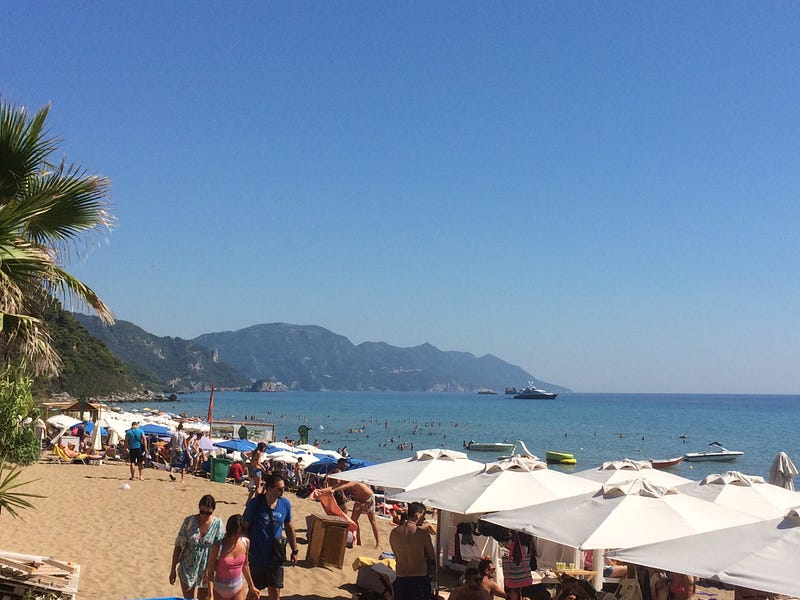
Corfu, a Greek island off the coast of Albania, provided an unforgettable beach day. After docking and a 30-minute cab ride, we made it to the other side of the island and a first-class bar/restaurant/beach. Every need was addressed, and the facilities were new, well-maintained, and well-staffed. Cliffs of brown rock rose from the beach and the water, sun, and ambiance were pleasantly relaxing.
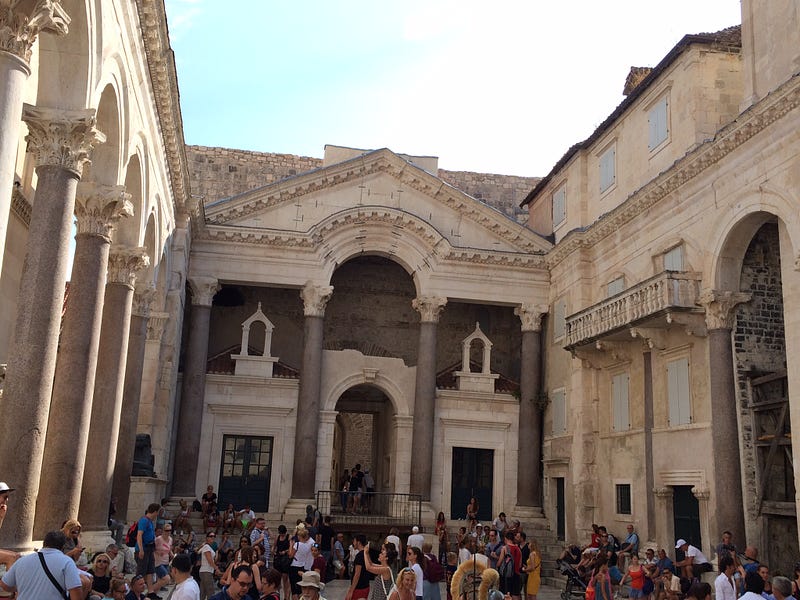
Towards the end of the cruise and on the return up the Adriatic, we stopped at the Croatian city of Split. The history-loving members of our group headed for the ancient palace of the Roman Emperor Diocletian, which occupies a large part of the waterfront. Inside, ruins reminiscent of Rome intermingled with a warren of shops and restaurants. This collection of cultures was very interesting, but also a bit chaotic given the number of people and the odd juxtaposition of ancient and modern.
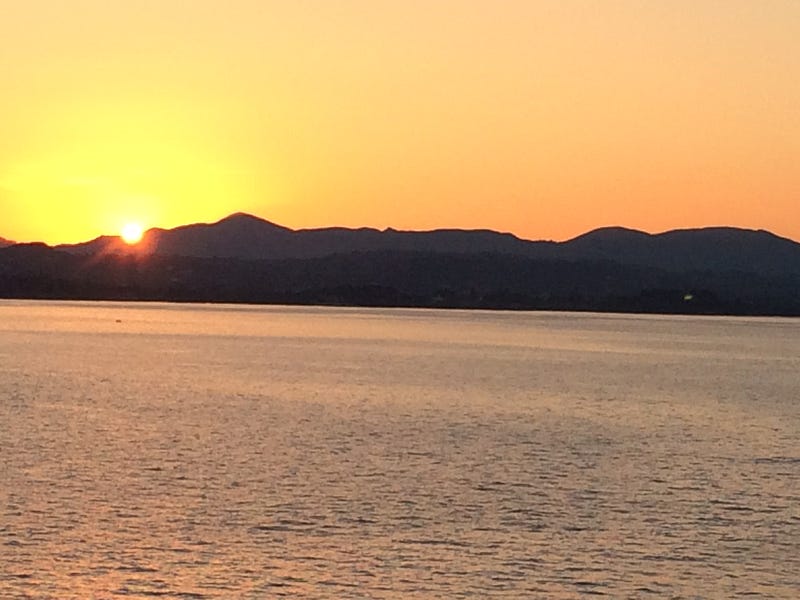
The conclusion of the cruise had time for admiring sunsets (kudos to Corfu), endless chains of mountains, and the blueness of the sea. The last morning featured a trip up the Grand Canal of Venice (now restricted; a good idea)— St. Mark’s Square with the Doge’s Palace from this angle was simply gorgeous.
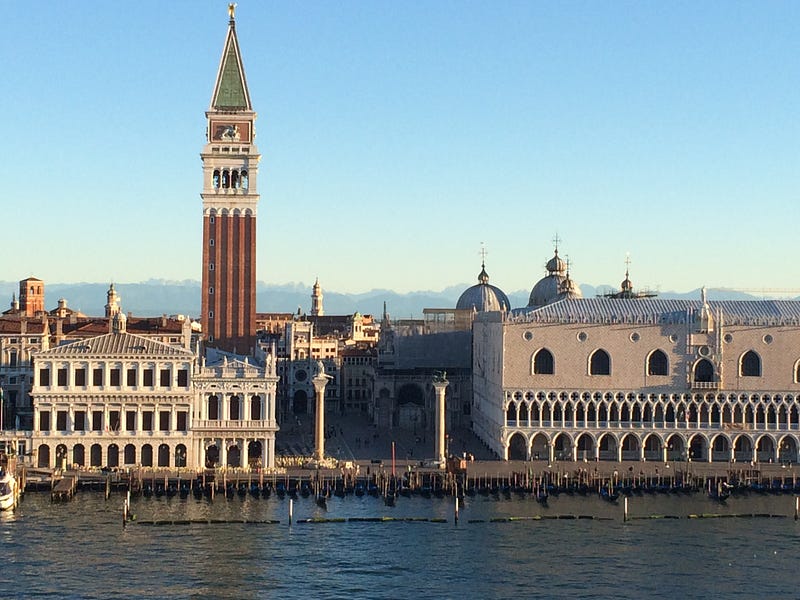
We Made It!
A last night thunderstorm gave some substance to our misgivings about rocking boats. That, Covid, and much intervening has kept us from another cruise.
But the coastlines of Croatia and Montenegro, together with a glimpse of Greece, are wonderful to see from the water. The combination of natural and manmade wonders has the deepest appeal. Swimming in the water is unforgettable.
A visit by the sea is a lovely way to see part of these countries.
It’s so much fun to be part of the Monthly Challenge
This month’s Globetrotters Challenge allows revisiting personal favorites of lovely scenery and the opportunity to see the stunning work of other contributors.
There are many to admire, but here are three stories I enjoyed very much for their writing and stunning photos,
Above, by Kim Baker and the following Adrienne Beaumont,
And the following by Sh*t Happens - Lost Girl Travel,


