
Could You Survive On Rations Like Our WWII Ancestors?
Struggle of having no nutella on pancakes.
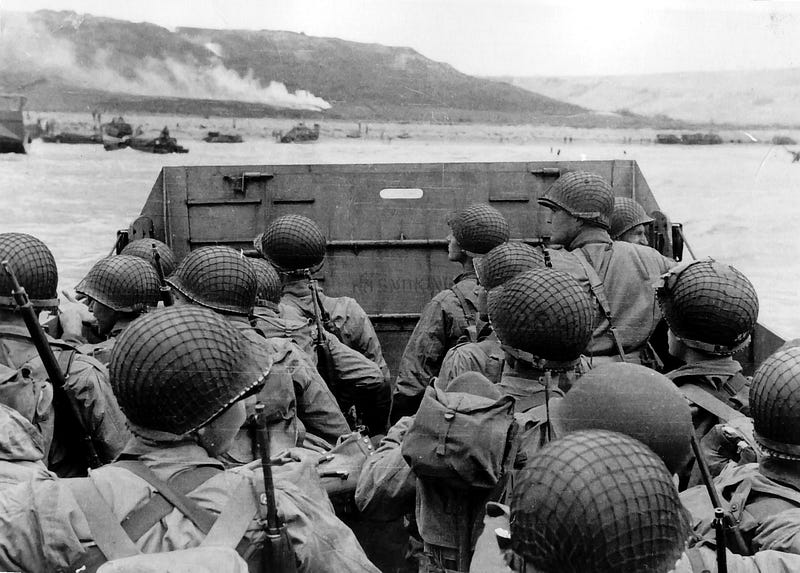
Our ancestors of World War II were much tougher than us, right? Wrong! The average 1940s family got by on a paltry 2,500 calories per day.
Despite that fact, these families managed to get the job done and win the war while they were at it!
Could you live off just 2,500 calories per day? Would you even survive?
Take this WWII ration challenge and find out! You’ll be surprised at what you’re capable of when you’re forced to rely on your ingenuity and creativity!
Introduction
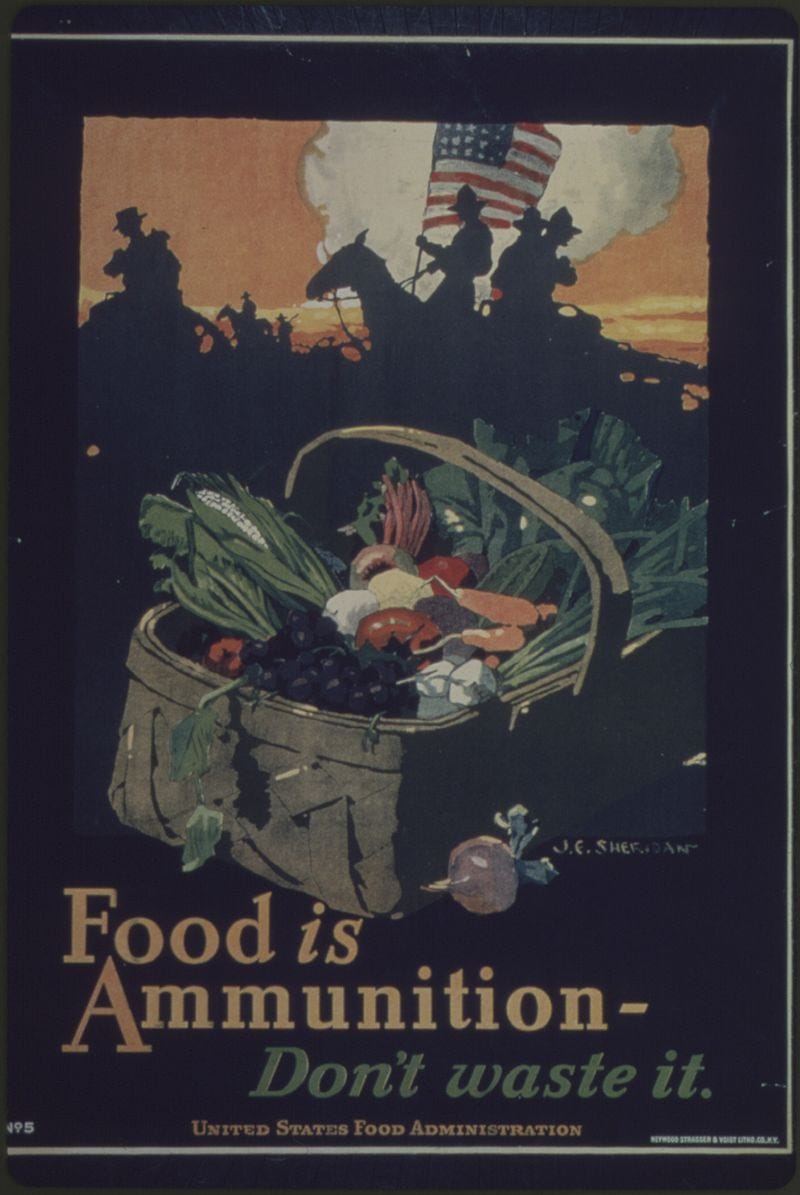
The food rationing that took place during World War II has become an iconic symbol of the sacrifices and hardships faced by people across the globe.
But could someone living in the modern world survive on these same food rations? It’s a question that has been pondered by historians, scientists, and curious minds alike.
In this article, we will explore the nutritional requirements of a modern adult, compare them to what was available during WW2, and determine whether or not it would be possible to sustain oneself on the meager rations of yesteryear.
Along the way, we’ll learn a bit about the history of food rationing and its impacts during WW2.
So without further ado, let’s dive into this fascinating topic!
What Were The Food Rations In WWII?
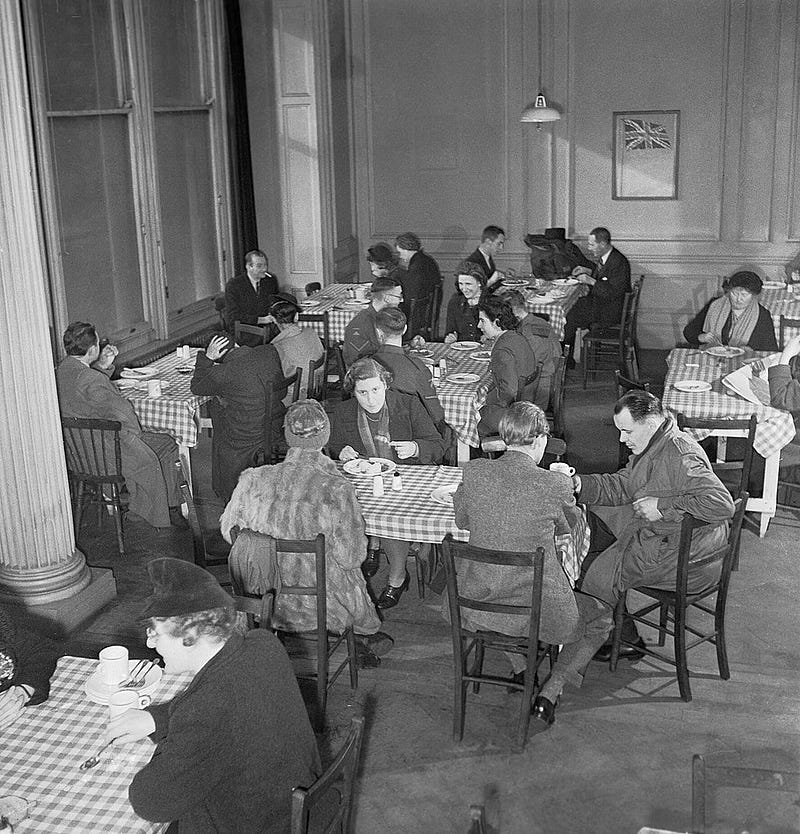
During World War II, food rationing was introduced in most of the Allied nations to ensure that scarce resources were shared equitably and that people stayed healthy.
While rations varied depending on where you lived, most nations allocated specific quantities of meat, dairy, sugar, butter, and other foods to their citizens for each week.
In Britain, for example, adults were given 56 grams of bacon or ham and 454 grams of cooked or canned meat per week.
They were also allocated 120 grams of butter or margarine, 140 grams of sugar, and 700 grams of vegetables each week.
In addition, adults could buy extras like tea, cheese, eggs, and canned fish at certain times.
In the United States, rationing was less strict, but people were still asked to reduce their consumption of sugar and meat.
U.S. adults were given points that they could use to purchase foods like coffee, sugar, butter, cheese, canned goods, and more. The rations also varied based on location and season.
Overall, WWII food rations were far less generous than what many of us are used to today.
The ability to survive on such limited supplies would have been a challenge for people of the era — so it’s no wonder that the question remains: can modern people survive on WW2 food rations?
How Did People Survive On These Rations?
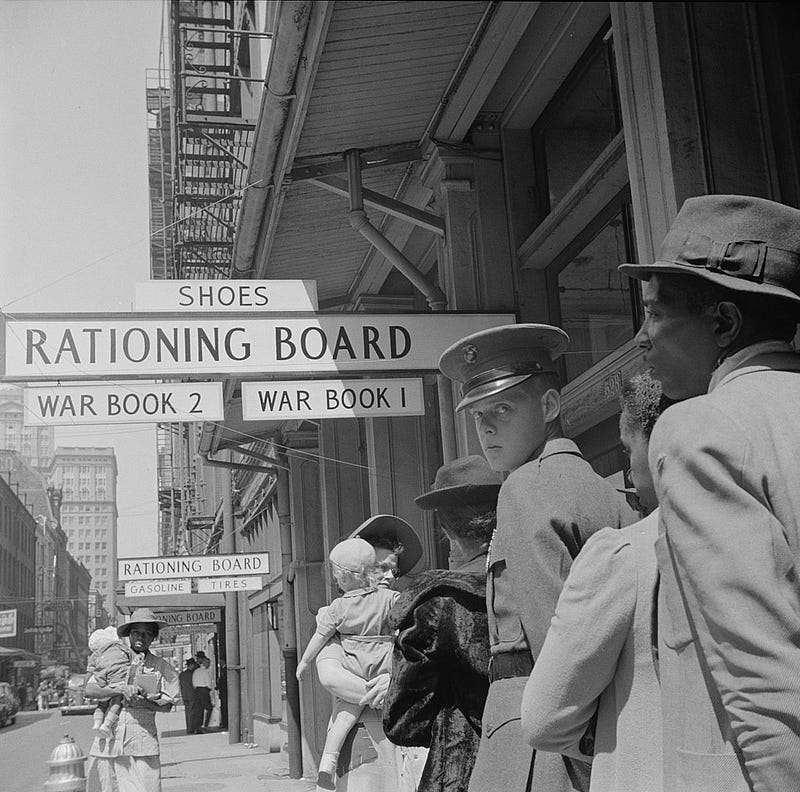
World War II food rations were a crucial part of survival for those living in countries affected by the war. In many places, these strict food restrictions meant people could only consume just enough to survive.
Despite the hardships, people still managed to find a way to get by during this difficult period. So how did people make it work with these strict rationing rules?
To answer that question, we need to look at what kind of food was available and how it was distributed. The most common food rationed during World War II was bread.
Not only was it a significant source of carbohydrates, but it was also relatively inexpensive and easy to transport.
Other staples like potatoes, beans, and some vegetables were also frequently included in these rations. Meat and dairy products were usually reserved for the highest-priority citizens and were not always available.
Rations were allocated weekly, usually delivered by the local government in bags or boxes. This system made it easier for governments to control the population’s access to food and ensured everyone received a fair portion.
In some cases, citizens were even allowed to trade their rations with each other to get items they needed more urgently.
Despite the scarcity of food, people found ways to make the most of what they had. Many would use their limited ingredients to create new dishes or conserve food by using ingredients more than once.
This resourcefulness was essential for surviving the wartime period and even taught people valuable lessons they carried through their lives.
While life on WW2 rations was certainly no easy feat, it’s incredible to see how people managed to make do with so little. It shows just how resilient and inventive human beings can be in adversity.
What Would Happen If We Tried To Survive On These Rations Today?
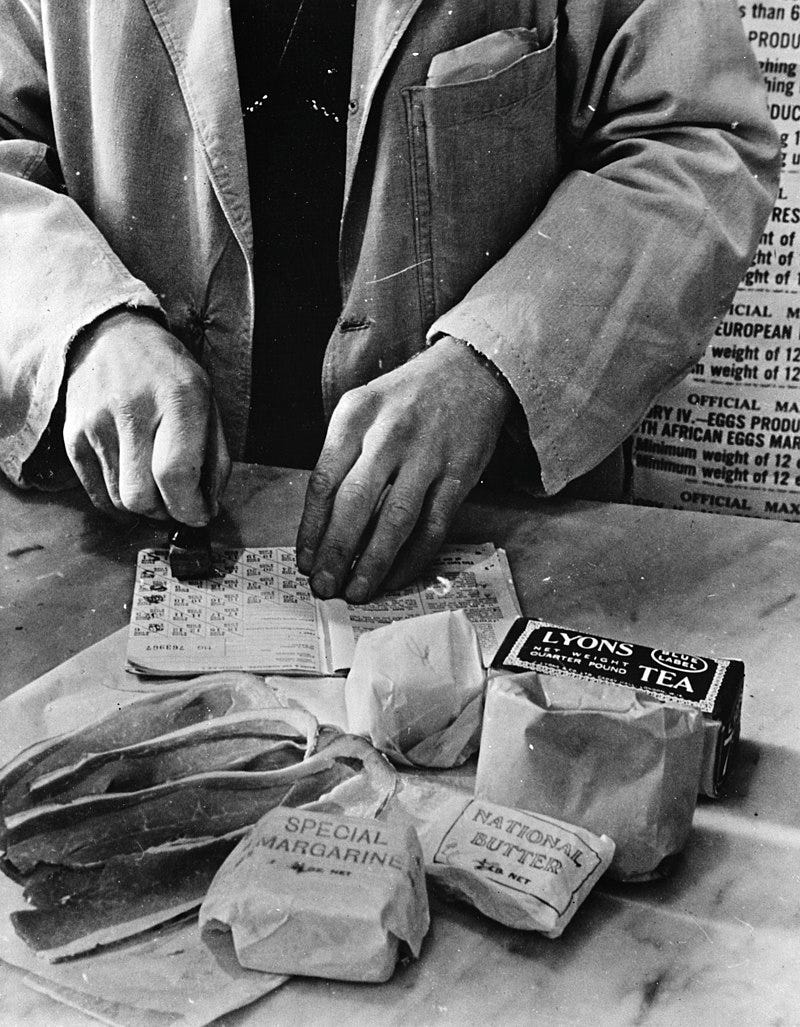
If you’ve ever wondered what it would be like to live off of the same food rations that our ancestors had to survive during WWII, you’re not alone.
With modern technology, convenience foods, and food delivery services, it can be hard to imagine a time when food was scarce, and people had to make do with whatever they could find or buy.
But could we survive if we tried to live on the same rations that were given out during the war? The answer is a definite maybe. In some cases, the typical WWII food ration was only about 1,500 calories per day.
While this might seem inadequate for the modern person, many people during the war could sustain themselves on this level of nutrition. It was all about finding ways to stretch those calories as far as possible.
This could mean eating simple but nutritious foods like potatoes, beans, and oats or making meals more filling with canned vegetables, a little bit of meat, and some butter or lard.
Of course, things have changed since then. Modern diets are generally higher in calories and fat, so even if you survived the WWII food rations, you might not feel your best doing it. But if you’re up for an experiment, there’s no reason why you couldn’t give it a try.
Try to replicate the kinds of meals our ancestors ate — stretching out ingredients like potatoes and beans to make them last longer — and see how long you can last before you start craving something else.
It’s sure to be an exciting and eye-opening experience!
Conclusion
The conclusion to this article is clear: while it may be possible for modern people to survive on WW2 food rations, it would be a challenge.
Our ancestors could do so and thrive in the face of such limited resources. But today’s generation is used to more diverse diets.
With food allergies, intolerances, and dietary restrictions, it’s harder to guarantee that everyone will be able to get the nutrition they need from such a strict and limited diet.
The experience of living on WW2 rations does have a certain appeal as a way to become more aware of our food consumption and reconnect with our past, but it’s essential to keep in mind the limitations that come with it.
While some people may choose to experiment with a WW2 ration diet, those prone to any health problems or dietary restrictions should check with their doctor before taking on such an experiment.
More from the author:


