7 Myths about World War II That You Actually Believed
The truth behind misconceptions — Books have been lying to you.
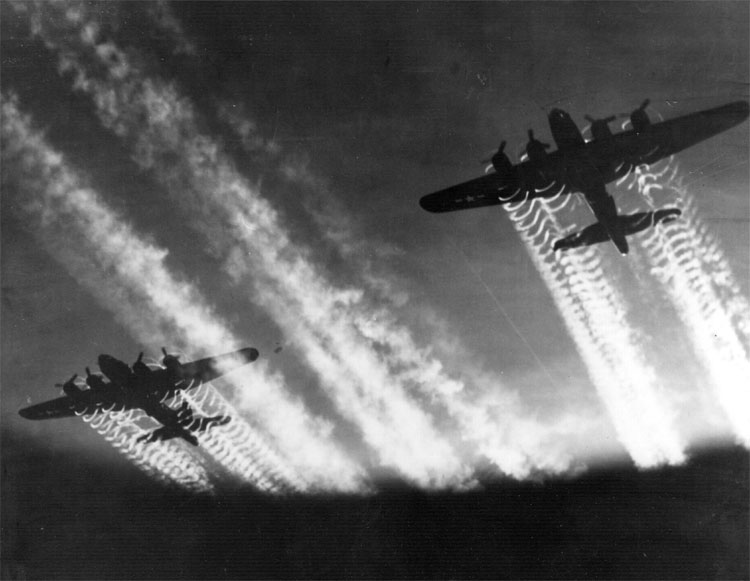
World War II was the most destructive war ever to happen on earth, and there are many things you probably think you know about it.
But before learning about this period, you must clear your mind of myths and half-truths to see the accurate picture.
The following are seven common misconceptions about World War II that even people who study this war all the time probably still believe.
Read on to learn what these myths are and what the truth is behind them!
7- The United States Didn’t Win the War
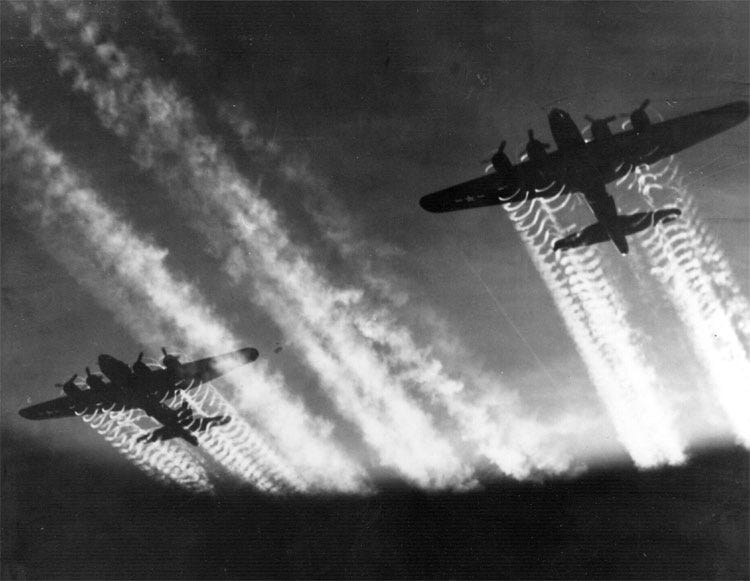
For many, the United States’ victory in World War II is a source of pride and patriotism. But did the United States win the war?
As with any major conflict, there are always misconceptions surrounding the events that transpired during the war. Starting with the claim that the United States won the war.
Contrary to popular belief, the United States didn’t win World War II alone. The U.S. was instrumental in ultimately defeating Nazi Germany and Japan, but it was far from a solo effort.
The Allied forces — a coalition of nations including the United Kingdom, France, the Soviet Union, China, and several others — played a significant role in defeating the Axis powers.
So while the U.S. was undoubtedly influential in winning the war, it can’t be concluded that the United States single-handedly won World War II.
6- The Soviets Won the War
Many people believe that solely Soviet Union was behind the Allied victory in World War II. This is a common misconception, as multiple contributing factors led to the war’s end.
The Soviets did indeed play a significant role in the Allied victory, but they were not alone. The United States, Britain, and other Allied powers had a significant presence in the war effort and made essential contributions.
The United States provided significant support to the Allies through the Lend-Lease Act and supplied most of the material. This included tanks, aircraft, ships, and other military supplies.
The British Army, along with other Commonwealth forces, also contributed significantly to the Allied victory. In addition to these forces, the Allies received assistance from resistance fighters in occupied countries.
These resistance fighters fought bravely against their oppressors and caused severe disruption to Nazi plans. They gathered intelligence, sabotaged operations, and even launched attacks on German forces.
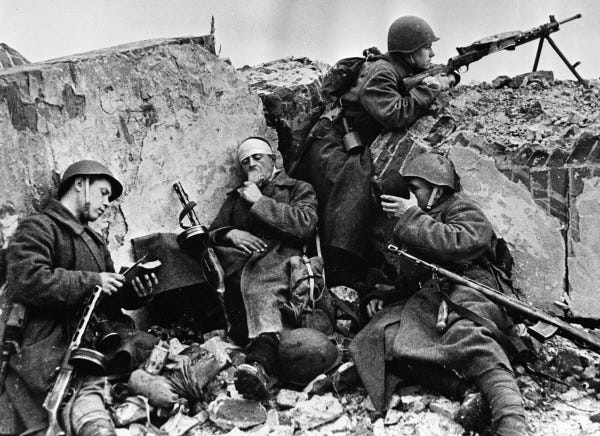
Finally, the Red Army was crucial to the Allied victory. During the war, they suffered tremendous losses in men and equipment but never gave up hope or moral.
They pushed back the German army on all fronts and liberated many occupied countries. Without the help of the Red Army, the Allies would likely have lost the war.
The contribution of the Red Army was essential in winning World War II, but they were not alone. The Allied forces played a major role in the war effort, and it would be wrong to give them less credit than they deserved.
So while it is true that the Red Army was pivotal in defeating Nazi Germany, it is important to remember that they were just one part of a larger team of forces that worked together to achieve victory.
5- The Japanese Were Evil
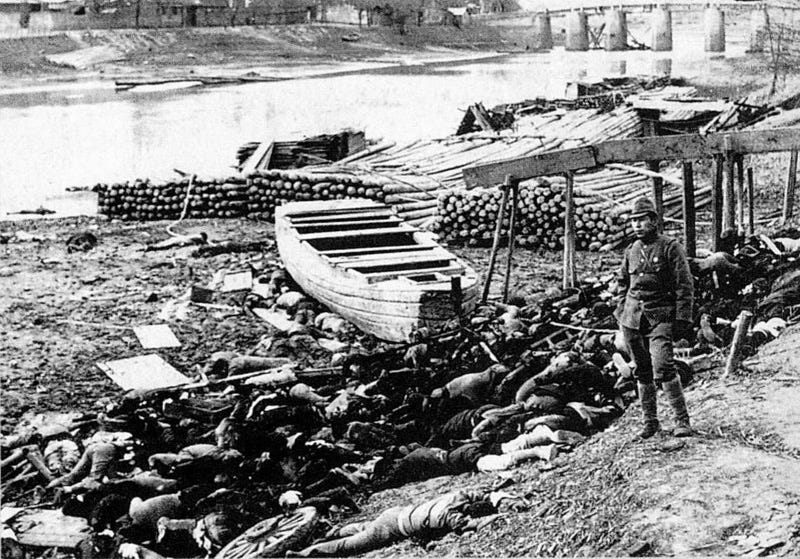
World War II was one of modern history’s most devastating and defining wars. People want to understand what happened and why, but some misconceptions have developed.
One of the most pervasive is that all Japanese were evil during World War II. This isn’t true. Yes, the Japanese committed atrocities during the war, primarily due to their government’s policies.
Many ordinary Japanese citizens opposed the war and even risked their lives to help Allied prisoners of war and refugees escape harm.
There were also many cases of Japanese individuals who refused to fight and went against orders, even if it meant facing punishment or death.
The truth is that many people in Japan at the time were desperate for peace and wanted to protect their families from the horrors of war.
It’s important to remember that war is complex, and not all Japanese people are monsters.
Many suffered in ways we can only imagine, and we should strive to remember this when looking back at World War II.
4- The Germans Were Evil

When we think of World War II, images of the Nazis come to mind. We often assume that the Germans were responsible for all the evil in the world during that time.
However, this is a common misconception about the war. Yes, Adolf Hitler and the Nazi party committed atrocities against innocent civilians, but they were not alone in evil acts during the war.
Many other nations participated in war crimes or committed their atrocities. The Japanese were notorious for the torture and execution of prisoners of war and were guilty of various war crimes, including the firebombing of Chinese cities.
The Russians, who were allies of the Allies, had a long history of repressing their people and executing political opponents.
In addition, while it is true that most Germans accepted the Nazis and supported their policies, many Germans opposed the regime and actively resisted Hitler’s rule.
Thousands of German citizens risked their lives to help those persecuted by the Nazi regime, including Jews and other minorities.
Thus, it is essential to remember that the Germans were not the only ones responsible for the atrocities committed during World War II. It is wrong to paint all Germans with one brush, as they were not all evil.
Instead, we should recognize the courage and bravery of those who opposed Hitler and strive to remember the heroes who fought against tyranny and injustice.
3- The Holocaust Didn’t Happen
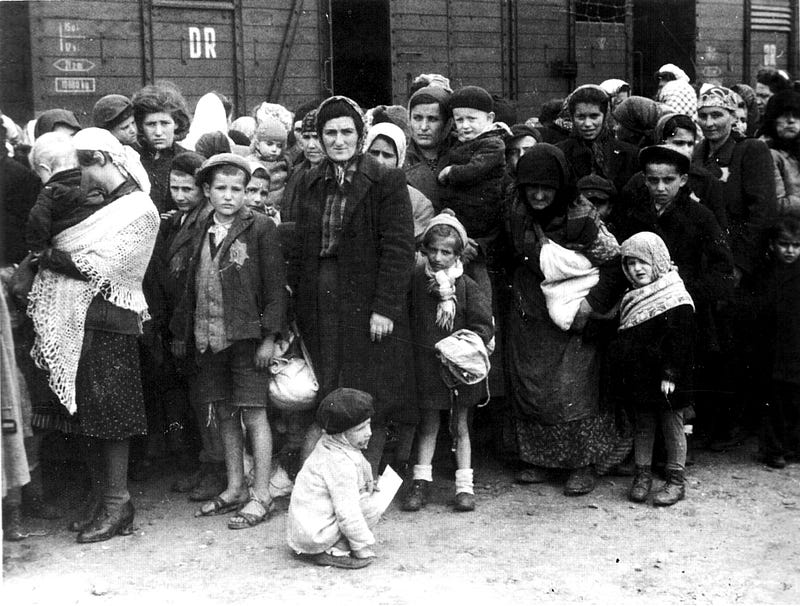
One of the most common misconceptions about World War II is that the Holocaust never happened.
This myth has been perpetuated by some, who argue that the systematic murder of millions of Jews along with other persecuted people, was exaggerated or fabricated. However, this claim is false.
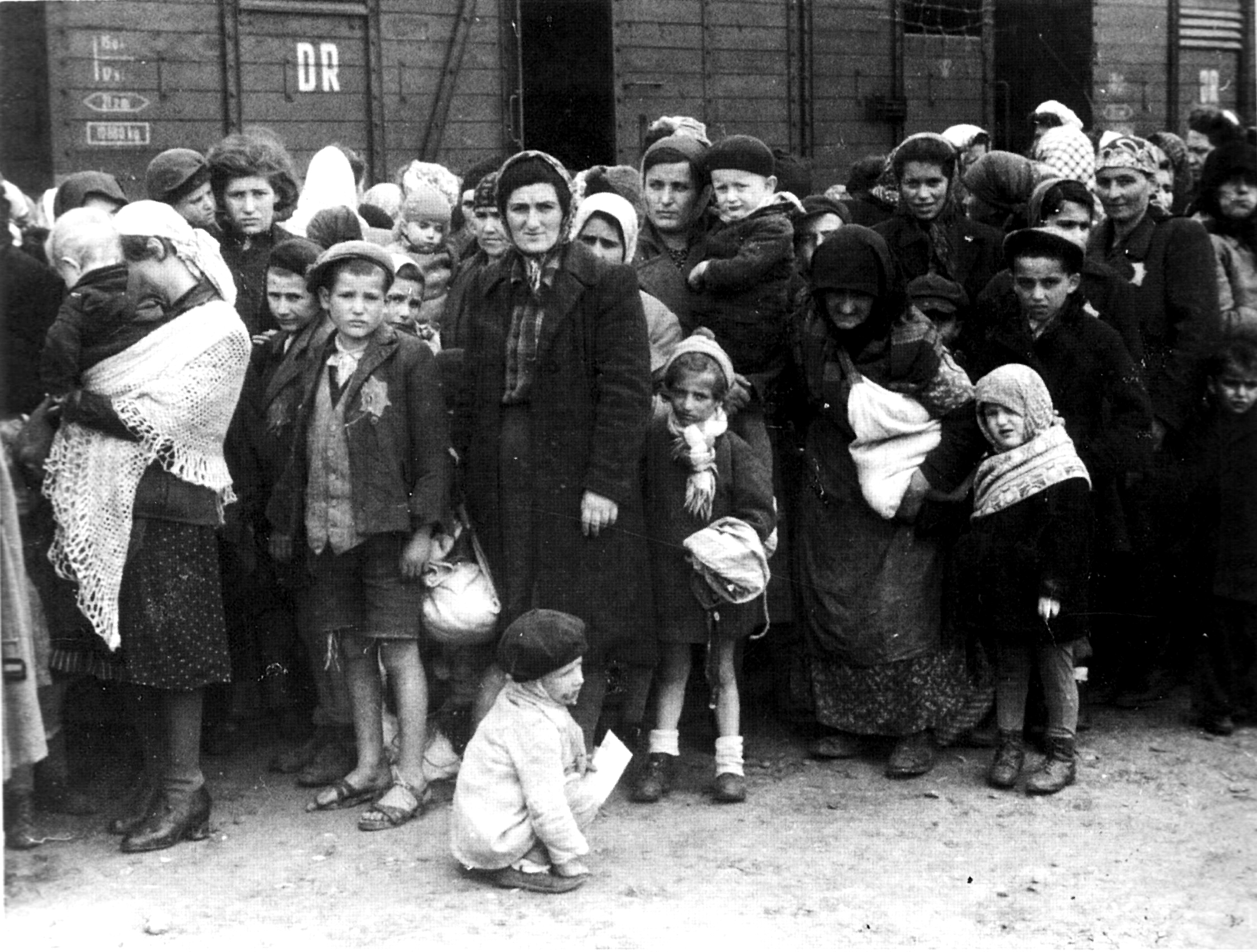
The Holocaust was a tragedy of historic proportions and is documented in countless testimonies from survivors, photos, and records kept by the Nazis themselves.
Historians have also conducted exhaustive research, confirming that it took place and the devastating toll it exacted on Europe’s Jewish population.
The United States Holocaust Memorial Museum provides an online exhibit with a wealth of information, documents, and images that testify to the realities of the Holocaust.
Other resources are available, including books and films, which offer more insight into the scope of this tragic event.
It is important to remember that this terrible period in human history did indeed happen and that it should never be forgotten or minimized.
To deny the Holocaust is to ignore the suffering of millions and erase a dark chapter in world history.
2- The Bombing of Hiroshima and Nagasaki Was Unjustified
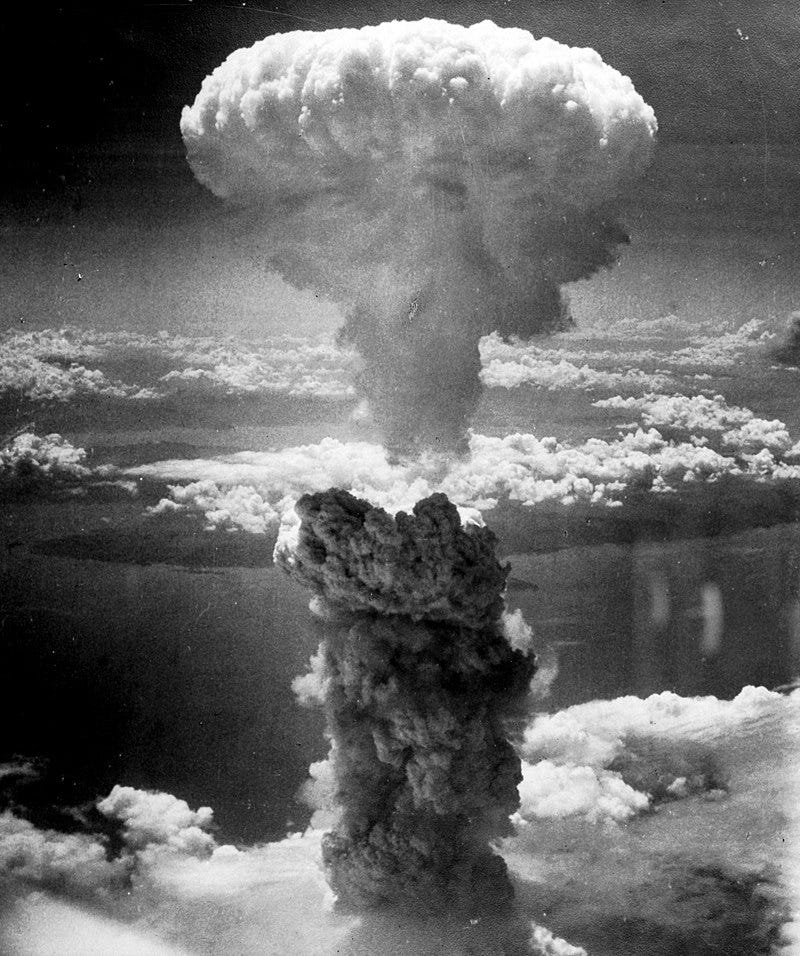
The bombing of Hiroshima and Nagasaki was perhaps the most controversial decision made by the United States during World War II.
There are numerous arguments as to why the United States should have never dropped the atomic bombs on these two cities, but some common misconceptions should be cleared up.
First, many people believe the bombings were unnecessary because Japan was already on the brink of surrender.
In reality, Japan had agreed to surrender on the condition that their Emperor Hirohito remains on his throne.
The United States rejected this condition, and the Japanese military was unwilling to surrender without the Emperor’s approval.
Therefore, dropping the atomic bombs was seen as a necessary move to bring about a surrender from Japan finally.
Second, some argue that the bombings were a cruel and immoral way to end the war. However, it is important to note that civilian casualties in Hiroshima and Nagasaki were lower than expected, and no civilian was targeted intentionally.
Most of the deaths occurred after the bombings due to radiation poisoning. Third, there is a belief that the United States did not give enough warning before the bombings.
However, Japan had been warned several times before the attack that an invasion or other military action could be taken if they refused to surrender.
Finally, some argue that the bombings caused unnecessary suffering and were unjustified in light of other methods of bringing about surrender.
The truth is that there was no guarantee that other methods would have been successful and that the bombings ultimately ended the war and saved many more lives in the long run.
Overall, while the bombing of Hiroshima and Nagasaki may be a contentious issue among historians and scholars, it is essential to look at all the facts before making any judgments.
It is also essential to remember that no civilian targets were intentionally chosen and that the bombings ultimately saved more lives than the war that had dragged on for longer.
1- The United States Is To Blame For The Cold War
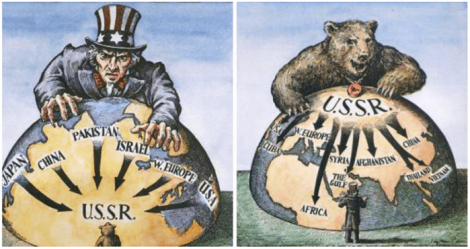
The Cold War, undoubtedly one of the most significant and influential historical events, lasted from 1945 to 1991.
During this time, tensions between the Soviet Union and U.S escalated, leading to an ideological and nuclear arms race spanning the globe.
Despite its significance, there are many myths and misconceptions about the Cold War that people often believe as fact. One of these myths is that the United States is solely responsible for starting the Cold War.
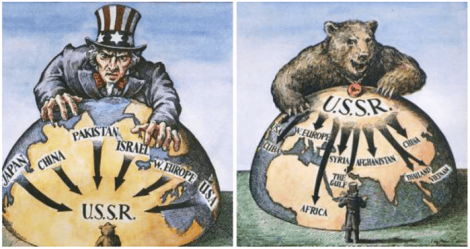
The truth is that both the Soviet Union and the U.S. contributed equally to the start of the Cold War. Historians generally agree that it resulted from mutual distrust and misunderstanding between the two superpowers.
The United States viewed communism as a threat to democracy and capitalism, while the Soviet Union viewed American capitalism as a threat to communism and its way of life.
These opposing ideologies were at the core of their conflict and helped create a divide that eventually turned into an arms race.
Additionally, both countries had ambitious foreign policies during this time that led to global confrontations.
The United States was focused on preventing the spread of communism, while the Soviet Union sought to expand its sphere of influence.
Tensions mounted as they competed for allies worldwide, and a Cold War mentality took hold.
In conclusion, the Cold War wasn’t a result of any nation or action but rather a product of the mistrust between two powerful nations with different ideologies.
It’s important to understand that blaming any one side for starting the Cold War oversimplifies a complex event and doesn’t account for all the factors involved.
Points To Ponder
We have explored seven common myths and misconceptions about World War II. While many myths have some truth, they are often distorted or exaggerated.
We hope this article has helped dispel some of these myths and given you a better understanding of the events that occurred during this important historical event.
It is important to remember that despite the many years since the war, World War II remains an incredibly complex event full of nuance and detail.
As such, it can be challenging to understand the intricacies and nuances without spending significant time studying its history.
However, I hope this article has provided some insight into the complex events during this crucial historical period.
More from the author: