
Chickasaw National Recreation Area Day 2
Sulphur, Oklahoma
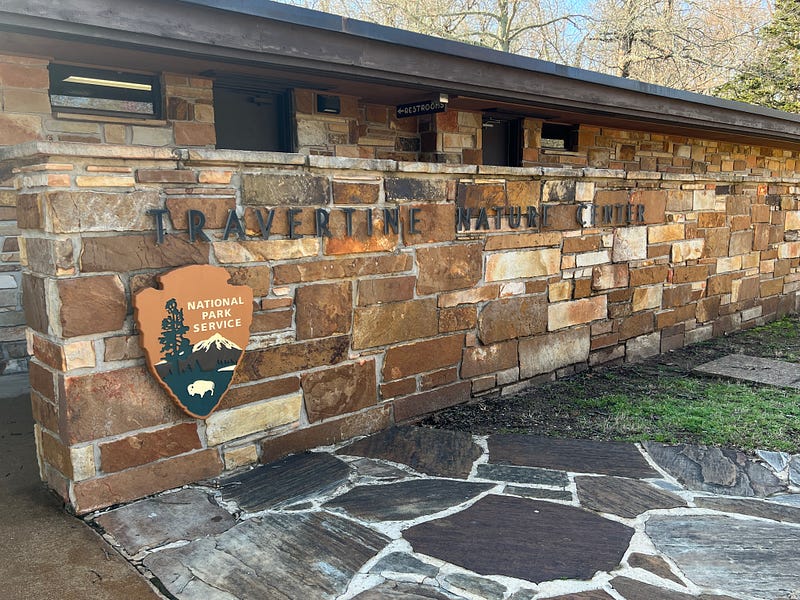
Situated in the foothills of the Arbuckle Mountains in southern Oklahoma is the Chickasaw National Recreation Area. Today we headed back to the main entrance and stopped at Black Sulphur Springs, which we missed yesterday.
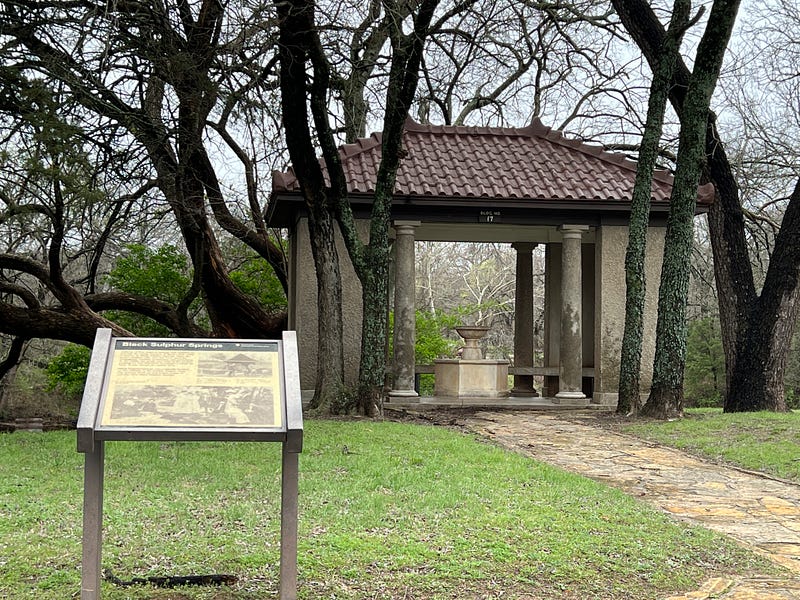
The Black Sulphur Springs area, with its crescent shaped, lake-like beach (once known as Beach Springs), has maintained its primary historic use as a place for sunbathing, wading, swimming, and picnicking. The focal point of this area is a pre-CCC era, Neo-classically styled pavilion.
Then we headed across the road to the Travertine Nature Center and Little Niagara Falls.
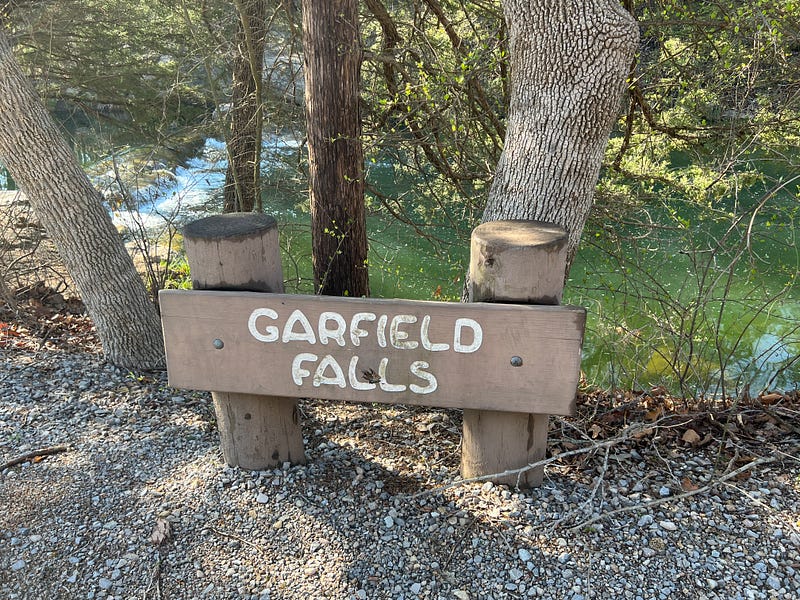
The first falls we stopped at was Garfield Falls. Travertine Creek flows out of a spring and is crisp, cold, and clear. The spring water is beautiful and you can see to the bottom.
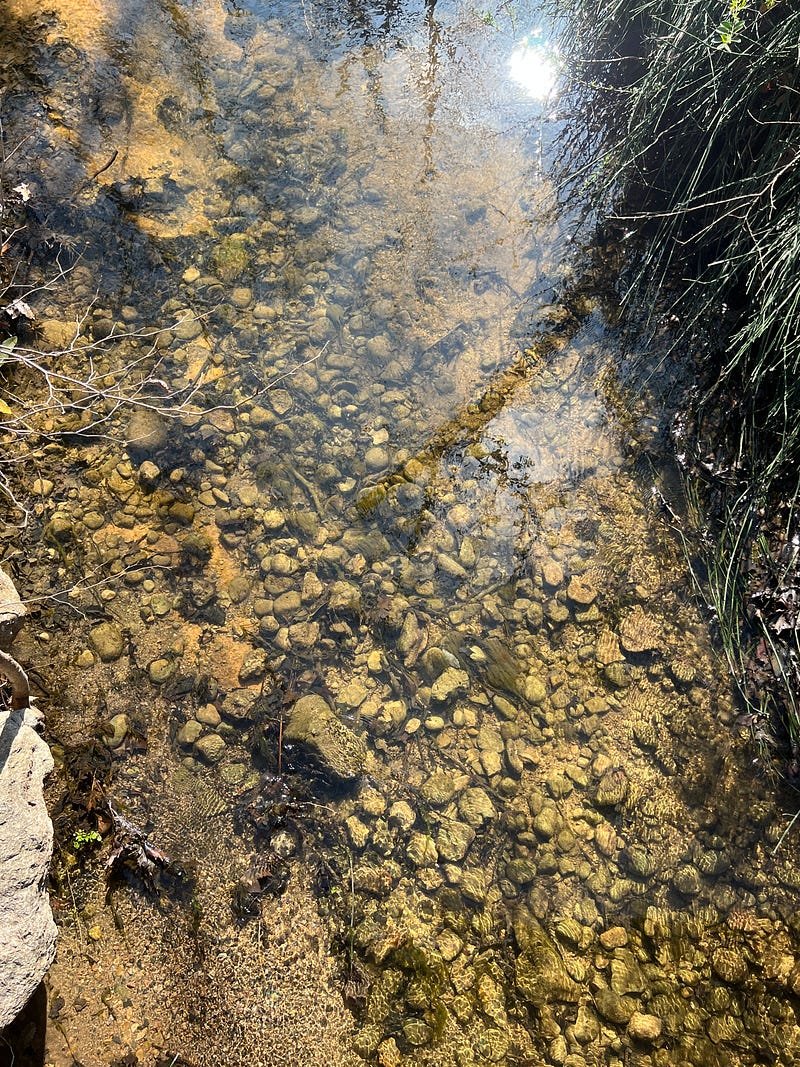
Watching waterfalls is relaxing. I could sit and listen to them all day long.
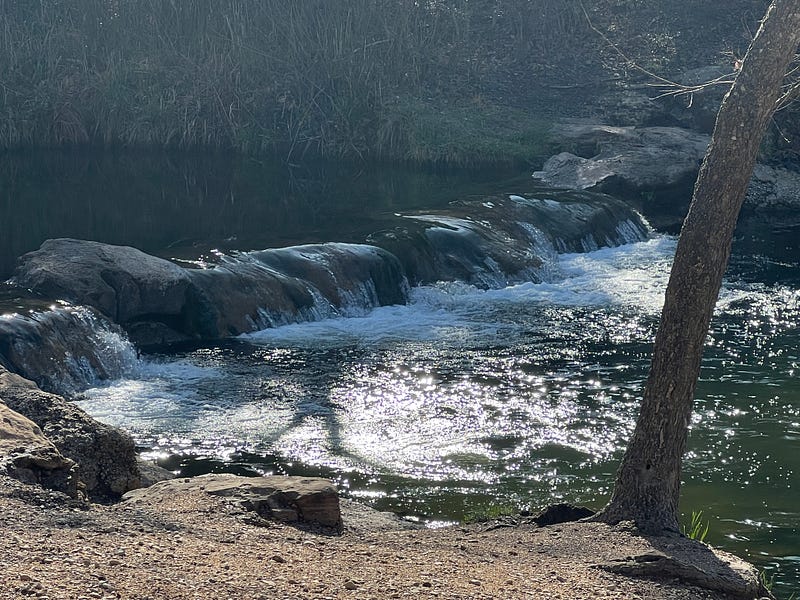
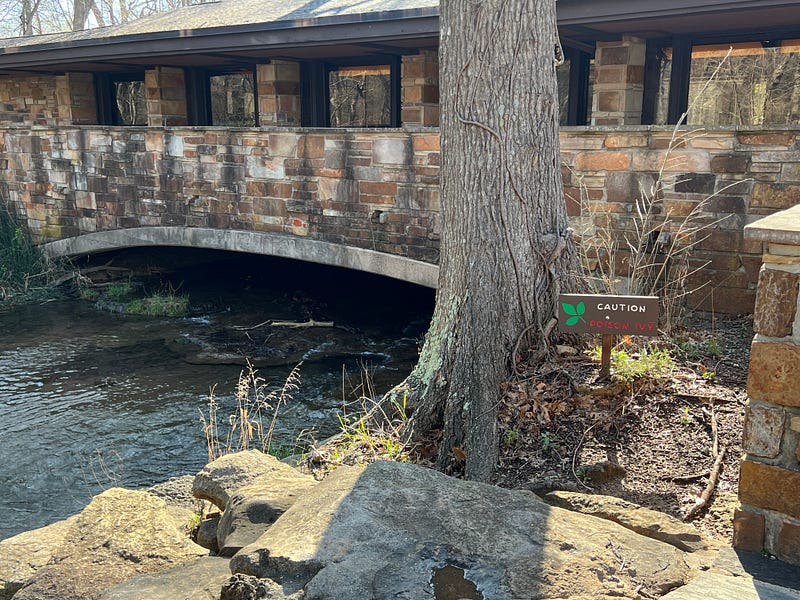
Travertine Creek flows over 75 natural rock falls and down several man-made dams. The Travertine Nature Center is beautiful. It straddles the creek and is filled with wonderful nature displays inside.
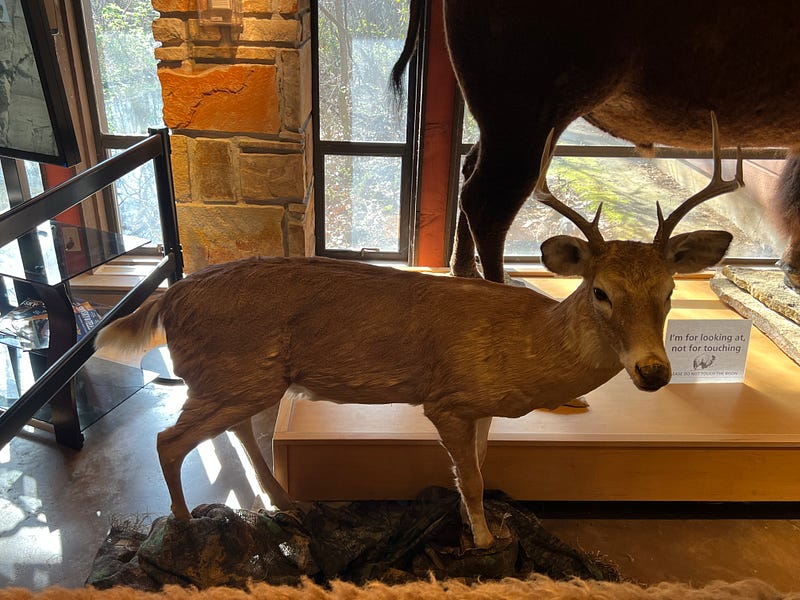
Wildlife that can be found in the area includes Scorpions, Tarantulas, Roadrunners, Western Diamondbacks, Bobwhite Quails, Coyotes, Cottontail Rabbits, Wild Turkeys, Bobcats, White-tailed Deer, Nine-banded Armadillos, and Beavers. All we saw in these two days were white-tailed deer.
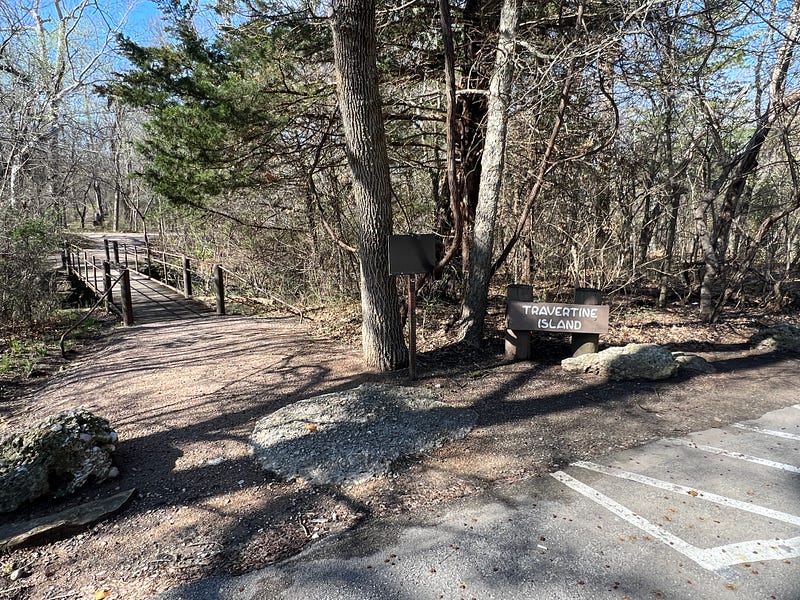
The next stop was Travertine Island. The water of Travertine Creek surrounding the island maintains a steady temperature of 65 degrees year-round. Sounds a little chilly to me, but it might feel good on a hot 100-degree day.
The natural spring water has been claimed to have healing powers since before the Native Americans lived here. The springs produce over 5 million gallons of water per day collectively. The scenery is beautiful and it is a popular spot for tourists year-round, but especially in the summertime when the days are hot.
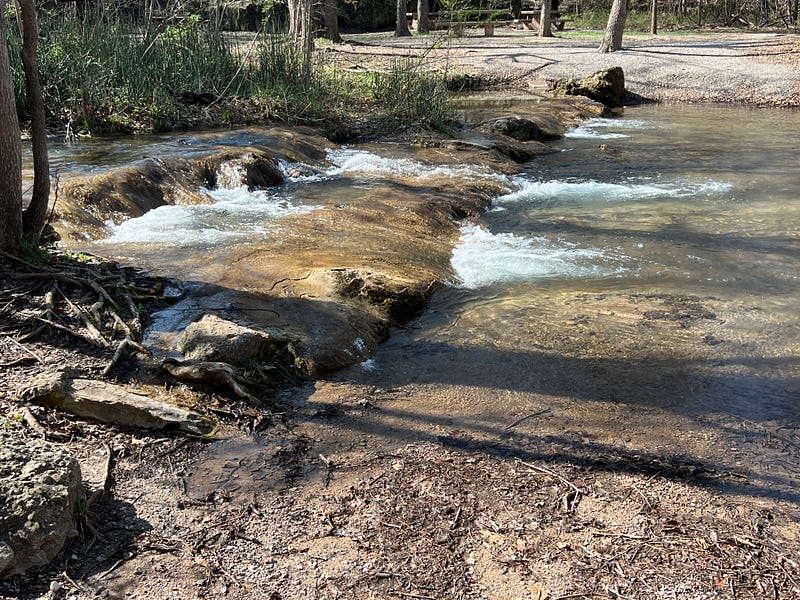
The Little Niagara Falls can be accessed from either side. The road circles around the island and short easy trails lead back to the falls and swimming hole.
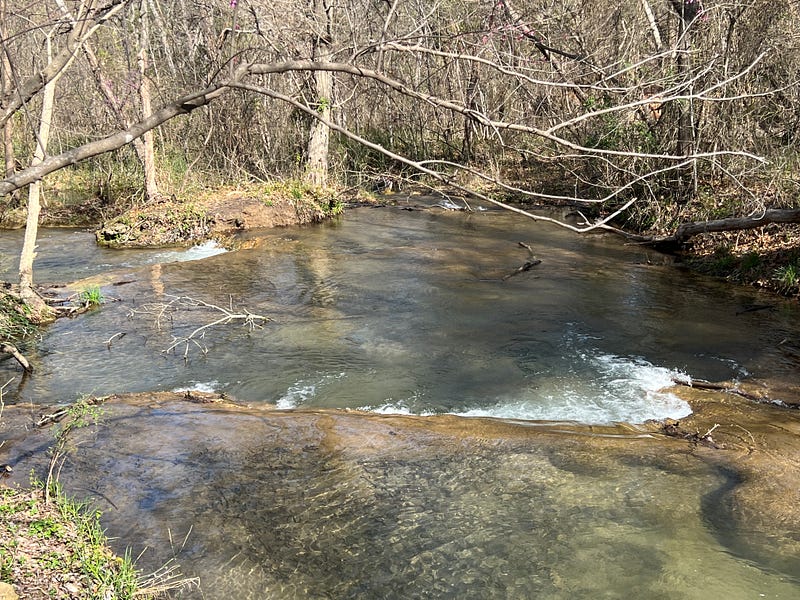
The falls here are called Little Niagara because there are three drops — one in the center and then one on each side.
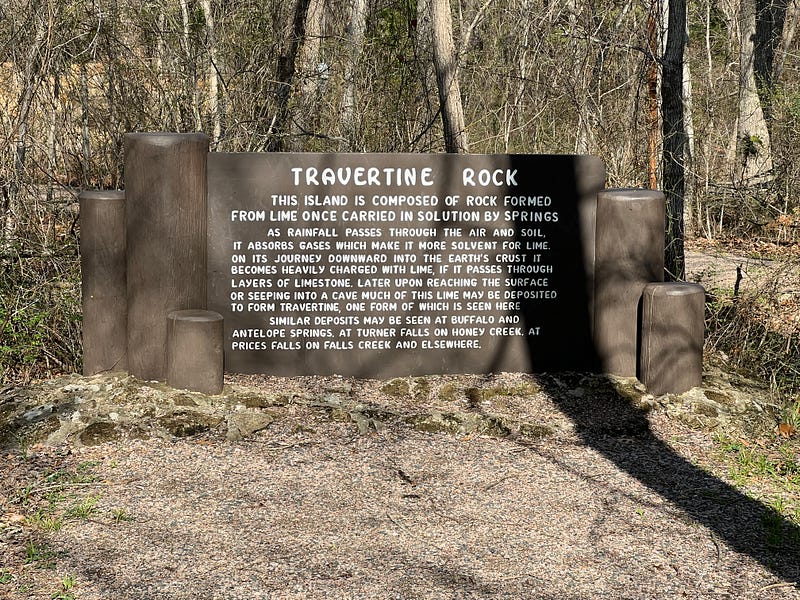
The Little Niagara area is the most popular swimming spot in Chickasaw National Recreation Area.
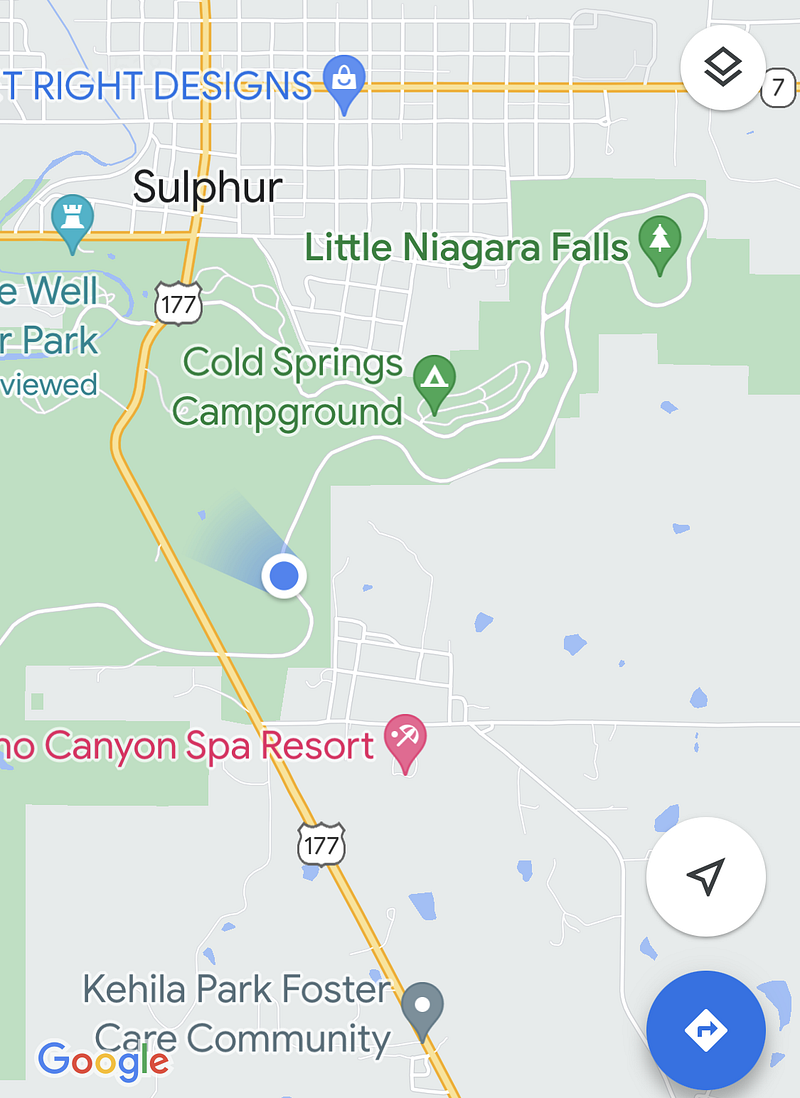
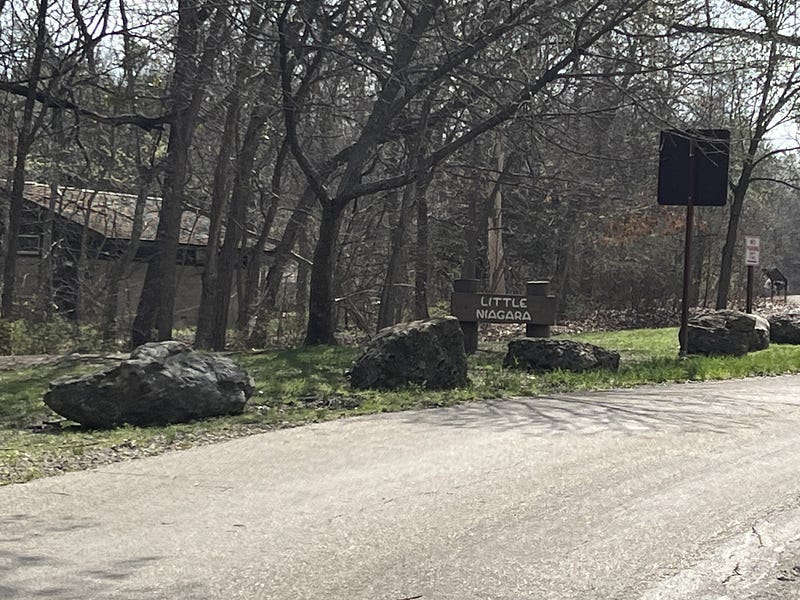
After exploring Travertine Island and the Little Niagara Falls, we headed seven miles south to the Buckhorn area.
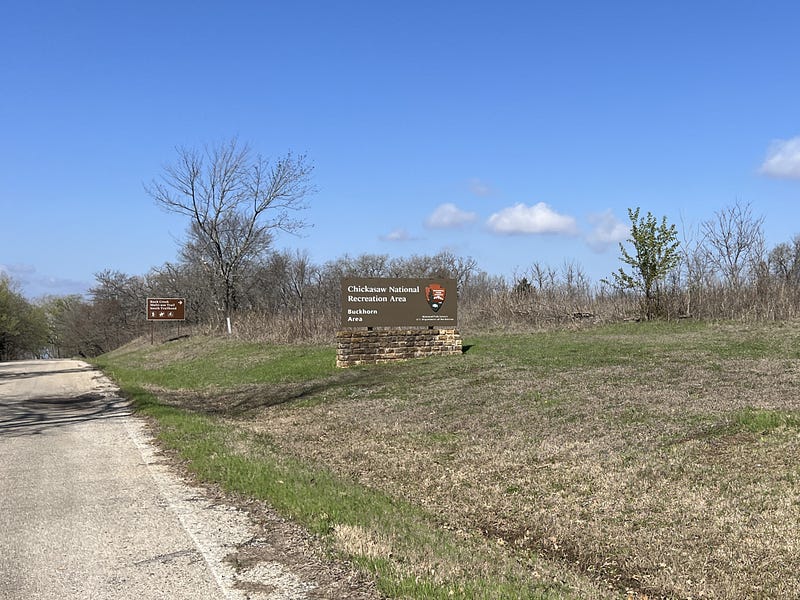
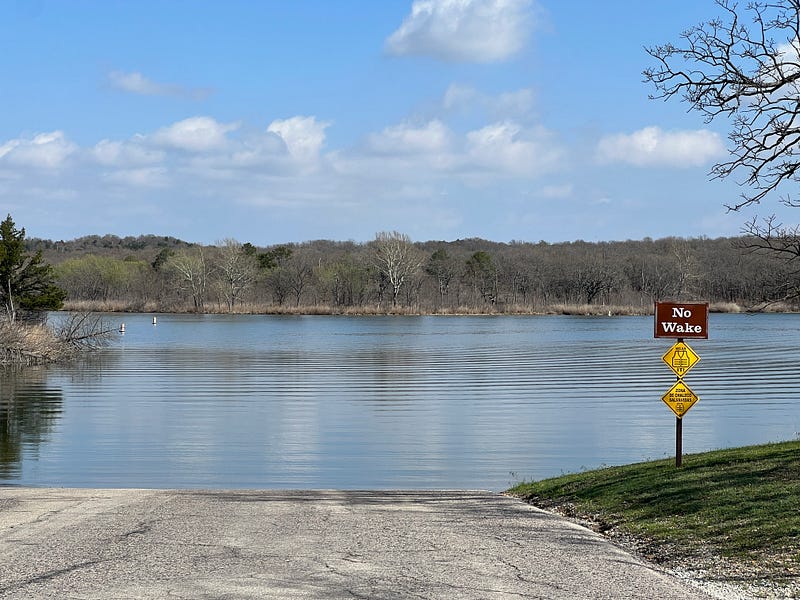
Access to the Lake of the Arbuckles here is beautiful. We saw several boats on the water and fishermen.
From here, we could see the Arbuckle Dam on the other side of the lake.
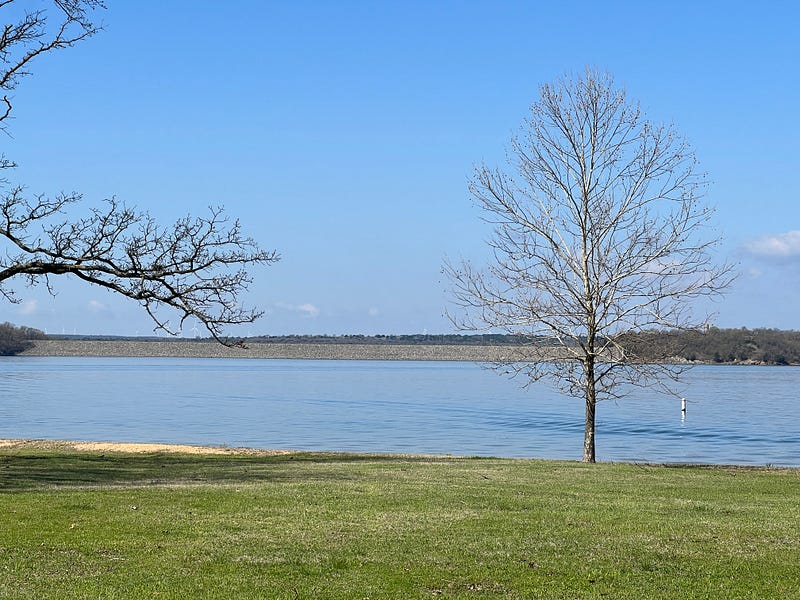
The Buckhorn area is peaceful and beautiful, well maintained and cared for. It was a beautiful drive down to this access area on the southern tip of the lake.
The rest of the day was spent exploring the tallest waterfall in Oklahoma. You can read about that here.
I hope you enjoyed learning about this National Park in America. If you didn’t catch Day 1 of this park you can find it here.
Thanks for reading. Please clap and comment to let me know you were here.