
ChatGPT and the Future of Classrooms
What effects will ChatGPT have on the use of technology, lesson plans, and assessments in classrooms of the future?
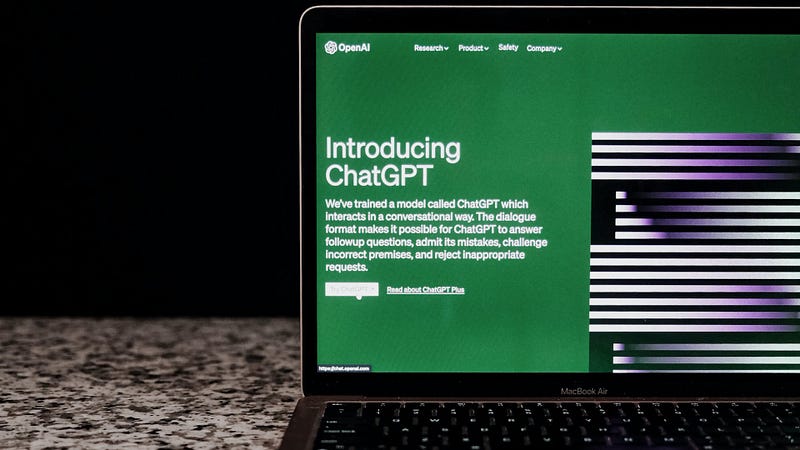
ChatGPT stands for Converstaional History and Time Generative Pre-training, and gathers its information from pre-exisiting sources of knowledge such as books, published articles, and of course websites.
It is now seen as a time saving savior for students when it comes to making life easier in the classroom.
So what does that mean for the future of classrooms in middle school education and beyond?
Whenever major evolutions in society happen, the classroom seems to be the testing ground as to whether or not it survives and thrives.
The Introduction of Technology in the Classroom
The introduction of education technology (Edtech for short) in the classroom is a prime example of this evolution in society.
When calculators first made its appearance in classrooms in the 1970s, there were concerns that it would bring about “learning loss” in students’ abilities to use “mental math”.
However, calculators have proven to us that they are only as smart as their user.

The calculator was meant to deal with simplifiying calculations down to the basic functions in math (addition, subtraction, multiplication, division). Therefore, using the calculator was meant to save time, not decrease knowledge.
It is important to note however, that the knowledge the calculator provided would be useless unless the students understood the proper steps to finding answers themselves.
The same argument can be made for using ChatGPT in the classroom. How can we know that what is shared by ChatGPT is actually true.
Students need to understand that they need to verify the information that they are using is actually true. ChatGPT just confirms what they know to be true.
If students blindly use ChatGPT without doing some fact checking on their own, then it could really cause for some embarrassing situations in the classroom.
Just as a calculator will give you the wrong results if you don’t fact check along the way.
Teachers vs. Technology in the Classroom
With the introduction of the Internet to the global stage in the 20th century, the rumour was that teachers would become obsolete as the Internet would take their place when it comes to teaching and learning.
Students wouldn’t need to attend pay attention to what the teacher was saying in the classroom since the Internet could teach them what they needed to know.
However, online learning during the COVID-19 pandemic proved that most students still prefer to be in the physical presence of a teacher while learning.
Just ask Twitter, as it was known back then.
Technology may make learning easier, but it has yet to show the emotional connections humans need to build their confidence and enthusiasm towards their learning.
Therefore, the idea of ChatGPT making its way into education and the future of classrooms should not be cause for concerns that it may replace teachers or take over lesson planning as teachers know it.
ChatGPT and Lesson Planning in the Classroom
While it has not come to pass that teachers are obsolete, it has changed the way teachers approach teaching, which has led to more student-centered approaches in the classroom.
Teachers still have the responsibility of making lesson plans that are engaging to students in the classroom.
Lesson plans are meant to have students build on our important life skills, which include: problem solving, organization, communication, time management, and critical thinking.
While ChatGPT may make generating lesson plans easier, it doesn’t provide the opportunity for using these life skills to create teachable moments in the classroom.
Teachable moments come unexpectedly and are amazing opportunities for teachers to share knowledge on topics that students may be curious about that were not part of the initial lesson plan.
ChatGPT and Assessments in the Classroom
As teachers know, an essential part to lesson planning involves assessments, which focus on measures for learning.
Learning can be measured in different ways and at different times. When teachers measure students knowledge through on-going activities they are looking for real-time growth when it comes to learning.
These measures are known as formative assessments, and they help teachers and students form understanding around what works with teaching and learning and what does not.
Guidelines for assessments done in class, even through the use of edtech tools, make them an acceptable way to measure learning.
However, guidelines for assessments that can be done at home, such as essay assignments, projects, or presentations need to be modified thanks to ChatGPT.
Teachers should make it clear to students that how they present assignments, projects, and presentations, has to focus on the personal benefits by adding their own personal touch to doing these assignments, rather than presenting solely on the information they gathered, now that ChatGPT can do all the work for them.
ChatGPT may provide students with the knowledge, but they should know that this knowledge will become useless if they can not see how it benefits their lives and how they can benefit the lives of others through sharing the knowledge gained.
Final Thoughts
The contributions technology has brought into our world of education were always meant to make access to knowledge easier.
The future of classrooms will continue to involve technology, and this is just further opportunity for administrators, teachers, parents, and students to grow together.
Technology should never be thought of as a replacement for how human beings act towards each other.
Once our society allows for the complete domination of technology in our lives to the point where we don’t have to value knowledge, we have lost what humanity can teach one another.
If you enjoyed this article, please consider reading my other articles on AI technology in today’s classrooms.


