
The Ever Shortening Student Attention Span
How learning is impacted by shortened student attention spans and what teachers can do about it!
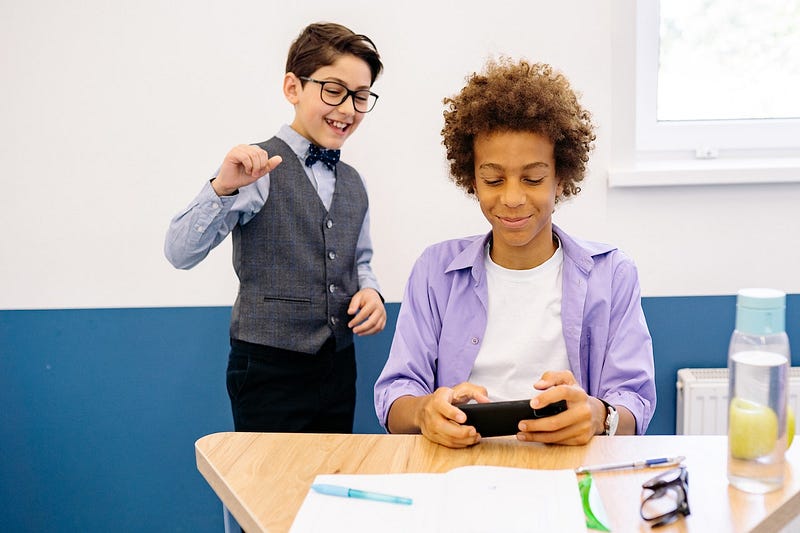
Three seconds … that’s all we as teachers have.
That’s what social media influencers tell you, you have to grab someone’s attention before they swipe up, or left, or whatever.
I wonder how much time we have with our students..
According to Google;
Gen Z is a generation that has been characterized as having a notoriously short attention span. The average attention span of an individual in this demographic is said to be around 2.7 minutes, which is significantly shorter than the attention spans of previous generations.
These are the students of today’s classroom.
If they deem a topic to be useless, my guess is their attention span will go down even further.
I will venture to say that even if they enjoy the topic they are learning, they will continue to need stimulation to keep their attention to a level where they can keep focused!
In the past, teaching was basically telling students what to do to get to the right answer.

Then the pedagogy taught teachers to let students get involved and allow them to explore and learn through exploration.
Now thanks to technology, where answers to questions are given within milliseconds, students are back to giving teachers the impression of; don’t involve me and just tell me what the answer is, simply because I’ve got more important things I need to give my attention to.
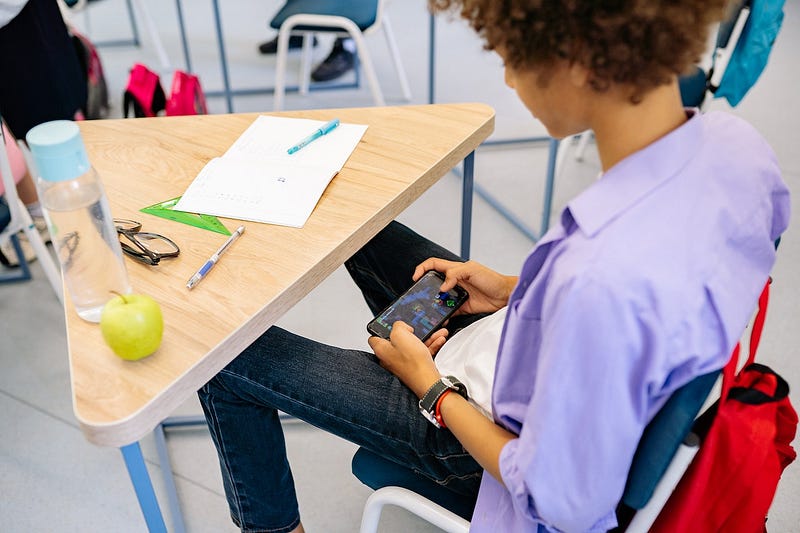
Like Pavlov’s dog, students’ minds start to salivate when they hear notifications that come from Snapchat, Instagram, or Messenger.
When given an opportunity to have a break in class, Gen Z students will automatically pull out their phones to either check messages, or play a quick game on their phones.
How then can we maintain the necessary attention span when it comes to teaching any topic students may deem useless to their learning in the classroom?
The following is based on my years of experience in the classroom, and what I have found to work and what doesn’t.
What I have found to work is the following lesson plan:
- Choose a keyword that encompasses the lesson
- Have students build a mind map around that keyword; answering who, what, why, when, where, and how other factors may connect to that keyword
- Have students form long tail keywords that support the first keyword that turn into the concept they need to understand
- Have students work together create situations where they can use the concept to solve problems they could find in the real world.
- Have students connect this new concept previous concepts they have come across.
In short, have students start to think like Google, present visual ideas like Pinterest, and answer like Alexa, or SIRI, or whatever is trending when it comes to the latest technology.
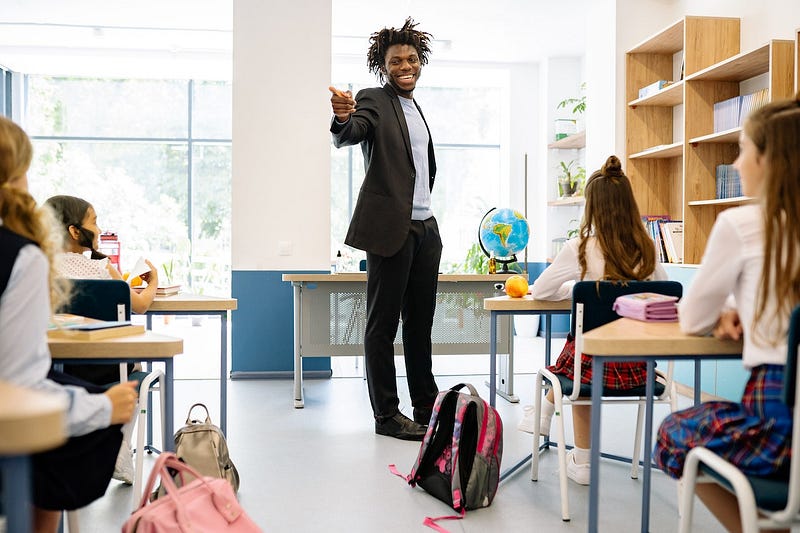
Students feel more connected to their teacher if they find that their teacher is aware of trends happening in social media, as well as the reasons behind shortened attention spans.
And trust me, if you make your students laugh, they will give you more of their attention.
My final advice would be for teachers to improve their comedic timing skills to keep their students attention.
So now what comes to mind when I say: LOOK..AT..ME…
If you said Ashley..you know..
Remember, you as the teacher may not be able to respond as fast as Google, or present like Chat GPT, but you still have the one thing they don’t when it comes to students: the ability to connect on a human level.
Don’t forget that.
And until next time, keep learning, and have fun.
If you enjoyed this article, please read my other articles around the idea of AI and classrooms.


