
PERSPECTIVE IS EVERYTHING
Change Your Perspective to Improve Your Stories
Applying what I learned in photography makes me a better writer.
Four years ago, I took an online class in creative photography. Our first assignment was to look for faces in our surroundings and everyday life.
It wasn’t my first rodeo. I have been taking pictures since the early 1980s when I bought my first “professional quality” camera with my first bonus check as a restaurant manager. My boss asked me if it was aperture or shutter priority? I thought he was speaking a foreign language. He loaned me a book on the basics of photography. It was the best thing anyone has ever done for me. It changed my life.
I shot roll after roll, had them developed, and then studied the results. I used to spend half my paycheck on photography back in the day. My camera went everywhere I went. I learned by doing, experimenting, and making mistakes. I could be going somewhere and stop because I saw a picture there. I would spend an hour or two looking for the image I had caught in my mind’s eye. Sometimes I found it, other times I didn’t. I was obsessed with photography.
Back to the class I took. The sales copy for the course said that you’d learn to use photography to improve your life as a whole by seeing things from a different perspective. I was in.
“When you change the way you see things, the things you see change.” ~Wayne Dyer
The first assignment — look for faces everywhere.
Have you ever looked for shapes in the clouds? Who hasn’t?
I took a lot of pictures of clouds that week. Yes, there were faces in those formations, but there was nothing exceptional.
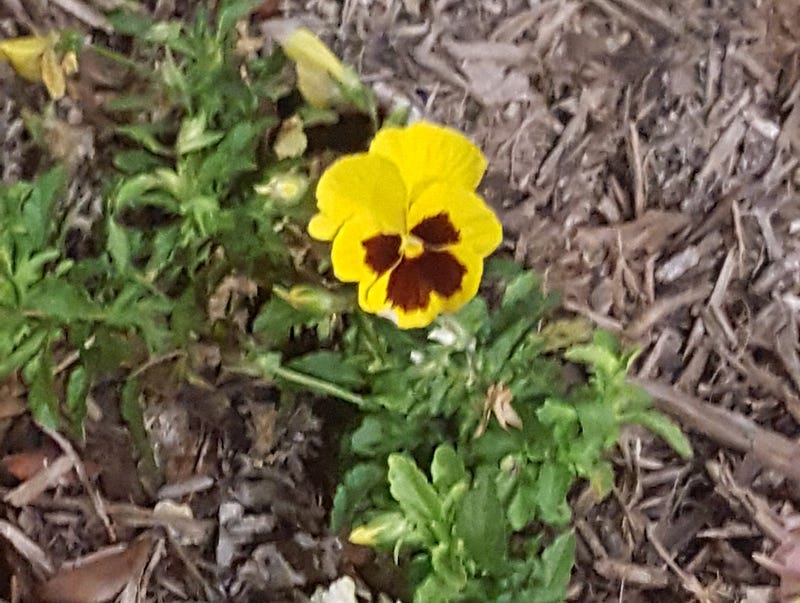
Then one evening, as I exited a restaurant, I saw it — a yellow flower sporting a man with a mustache. My life wouldn’t be the same after that. Everywhere I went, I saw the flower face, in different colors. I still do.
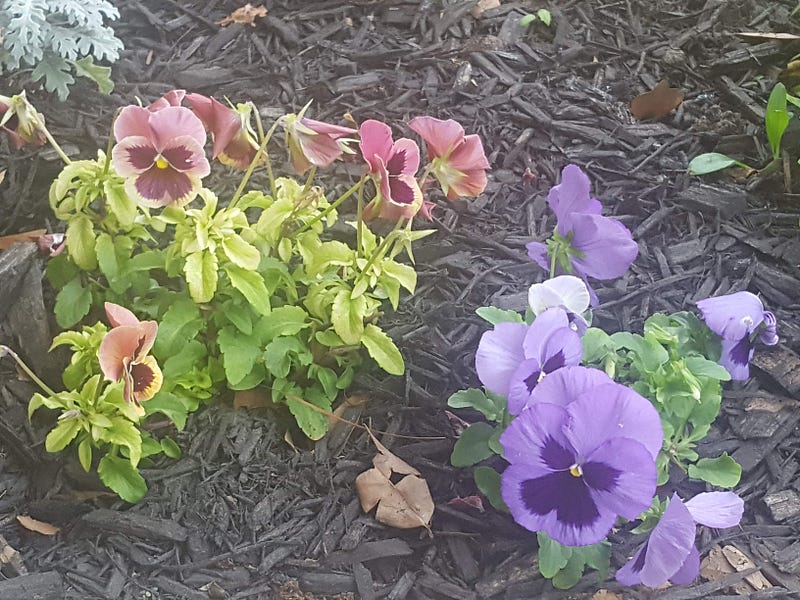
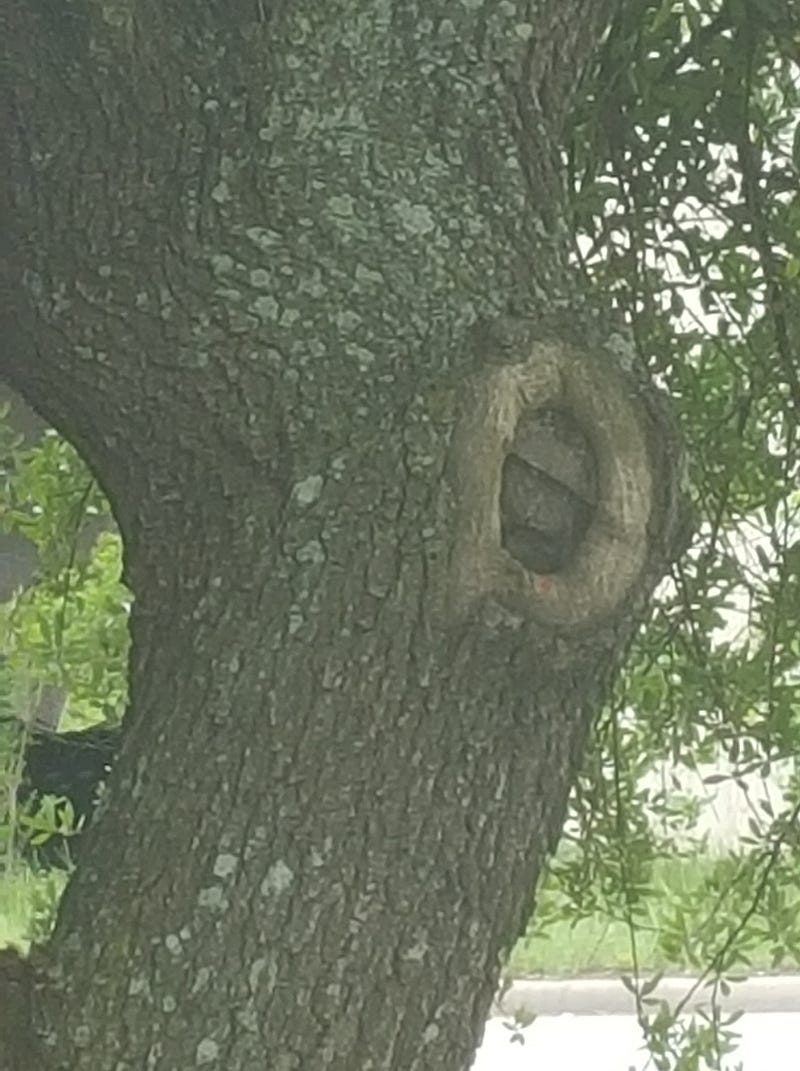
Once I saw a face in a flower, I started seeing it in other things/places besides the clouds. I saw them in the patterns of wall panels, tree trunks, and random stones on the side of a road.
Do you see an Eskimo face in the tree knot? I did. Even though it is not as well defined as the “flower face.” You have to use your imagination.
That was the key. It expanded my imagination, which opened up new ways of looking at all things in life.
The syllabus gave us access to world-class photographers through recorded interviews. They shared their “secrets” of success — don’t look for cool shots, let them find you by being open to their existence. When something grabs your attention, use your skills to create the picture. The photos you take may or may not express the mood or energy you wanted to capture. Don’t hesitate to edit, or manipulate, till you feel what you felt as you pressed the shutter.
Writing is like photography
Just as I had to learn the basics of photography, I had to learn the fundamentals of creative writing. I read books and took classes. I wrote and wrote and wrote. I experimented, and I made a lot of mistakes.
I thought I was doing good because the curators chose one of my stories to share under a topic. Then my daughter, with her BA Honors in English Literature from an elite Texas university, told me that I write in English as she writes in Urdu, with baby sentences. Ouch!
Stories are like pictures
Just as I found opportunities to take pictures ever-present, I find ideas for stories everywhere. I have used photos from my phone as an inspiration to write something, and I’ve written about lessons learned on the job. Heck, I’ve even written about everyday living.
If you’re stuck, you can find many ways to get unstuck if you’re willing to change the way you see your world and your work.
Learn from world-class writers
Follow liz Gilbert and Ann Lamott on Facebook. Read, watch TED talks, and be a sponge. Soak up everything you can.
“You reap what you soak.” ~Darren Lacroix
Don’t look for things to write about, let the ideas come to you by recognizing that they are out there, and when they do, use your skills to capture them. At first, they may not turn out to your satisfaction. First drafts never do. Edit, re-write and re-edit till they shine. Shoot for excellence, not perfection.
Whether you’re creating images or writing stories, it’s all in perspective. Just as two photographers can be at the same location at the same time, yet come up with entirely different photos, two people can take a subject matter and write two entirely different stories.
Not only that, but you can also shoot the same subject in the same location and have mind-blowingly different images, only by slightly changing your perspective.
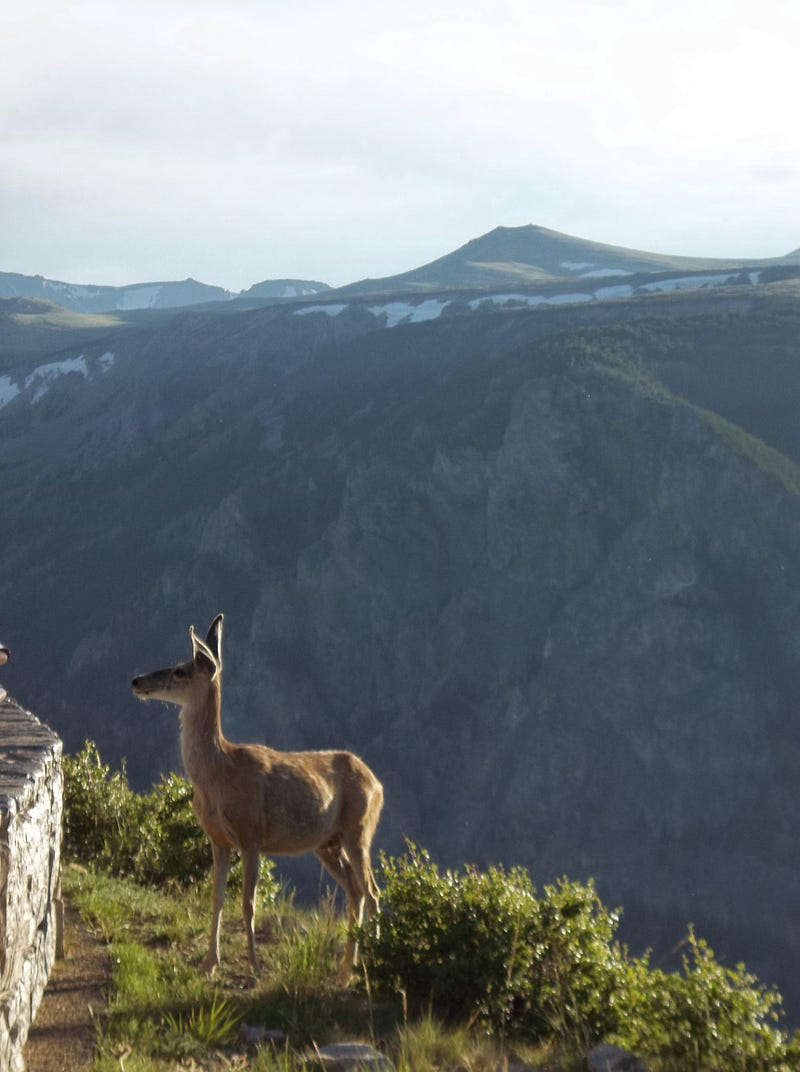
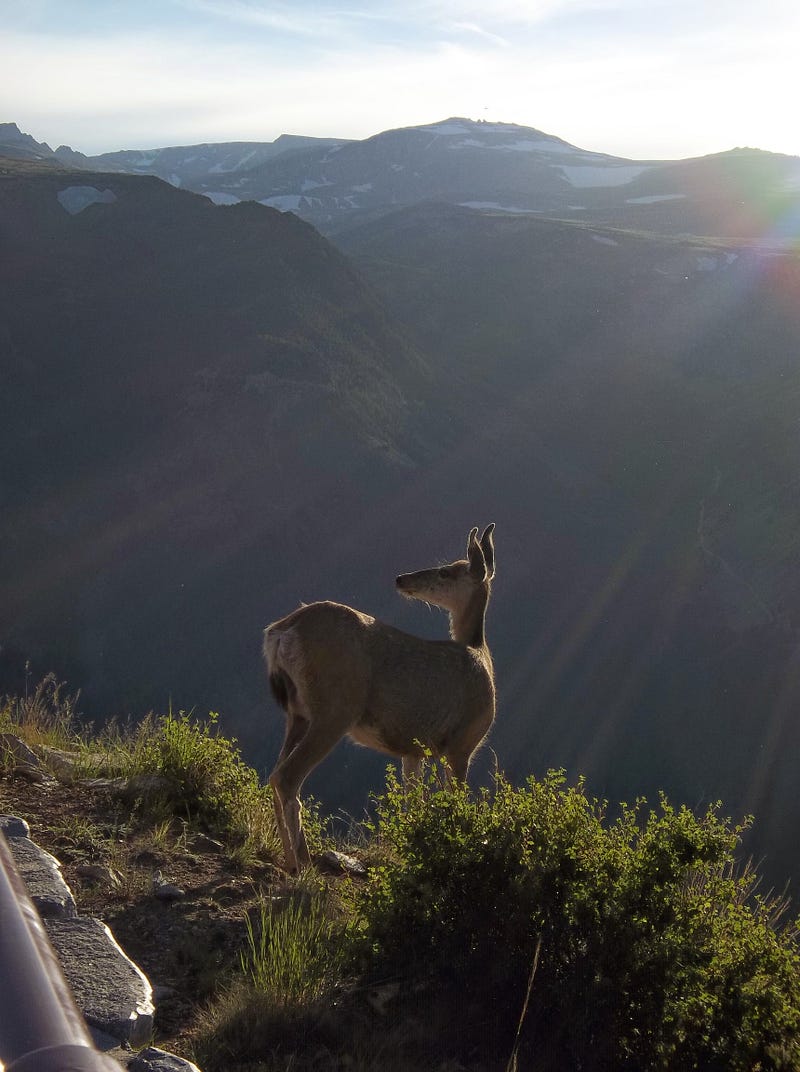
The next time you feel stuck, or think your work is not good enough yet, ask yourself, how can I approach this differently?
Life operates mysteriously. As I wrote the last line, my inner voice said, “So, how can you write the story of your Route 66 walk differently?”
You see, I blogged about my journey as I walked, three years ago. However, I haven’t been able to take the content I already have and turn it into a book. It may be because I’ve been using the wrong self-talk. I’ve been telling myself that I can’t think of a way to turn it into a book. What I should’ve been asking myself is, “How can I present the same content differently?”
Now that I am aware, I am sure it won’t be long before I find an angle or a perspective that is different than daily narration. Maybe one or more of the nearly three thousand pictures I took during my walk will inspire me with something.
The last time I wrote a book, I did it in 30 days. Getting it published was a different story. Now that I am familiar with the process, and I am more focused on monetizing my writing, I will get it done faster.
As always, thank you for reading.
Here are a couple of stories about how I used my photos as writing prompts.
I am a self-proclaimed weirdo, Jack of Many Trades and Master of Some. I live the Freedom Lifestyle — life on my terms, and help those who are interested in doing the same. (Join the Tribe)
“You can let others tell you what it means to be successful, or you can decide it for yourself.”