
Can You Pass the Brown Paper Bag Test?
I cannot
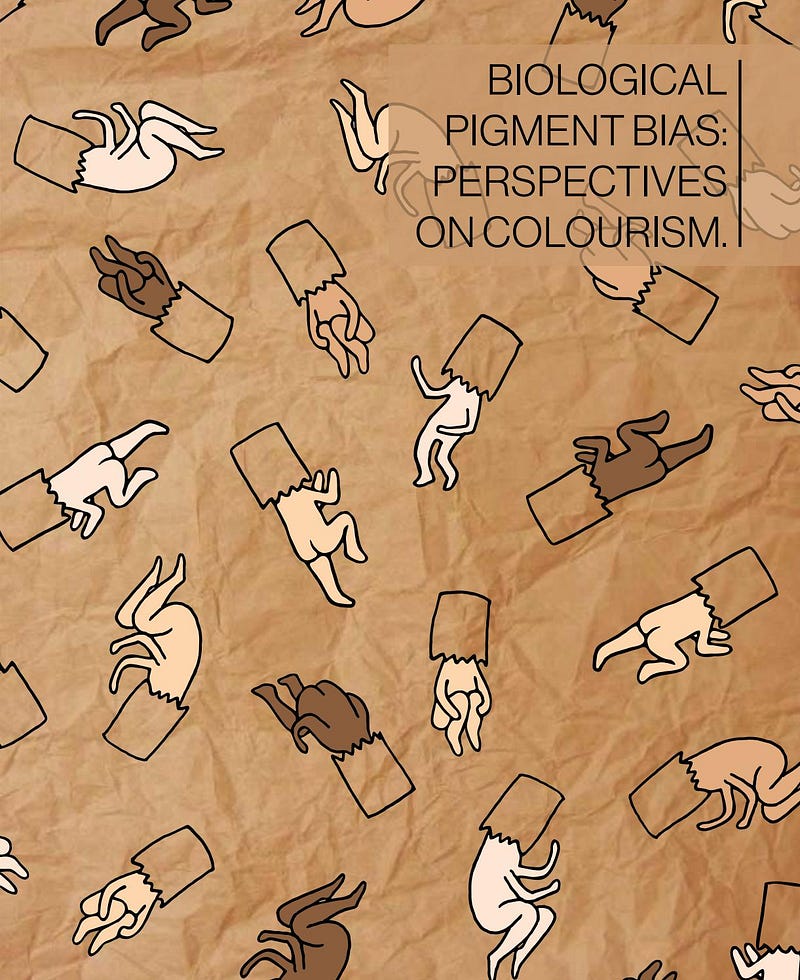
Whether or not you could pass the brown paper bag test may determine your socioeconomic status in life. Grab a paper bag and place it next to your arm. Are you lighter or darker than the paper bag? If your skin is lighter than the paper bag, you are more likely to be accepted into the upper echelons of society. If your skin is darker than the bag, you will most likely be at the bottom of the socioeconomic order.
“The test was once a notable example of a once-common form of prejudice. Access to social events, jobs, clubs, and schools was often determined by a person’s complexion. According to Georgetown sociology professor Michael Eric Dyson, “New Orleans invented the brown paper bag party — usually at a gathering in a home — where anyone darker than the bag attached to the door was denied entrance” (Mernin, 2018).
In New Orleans, light-skinned people were described as red, yellow, high-yellow; dark-skinned people are described as dark, black, or midnight. Colors were used as nicknames. Black women are cat-called using these terms. When society considers the value of a black woman, skin pigment is a significant variable.
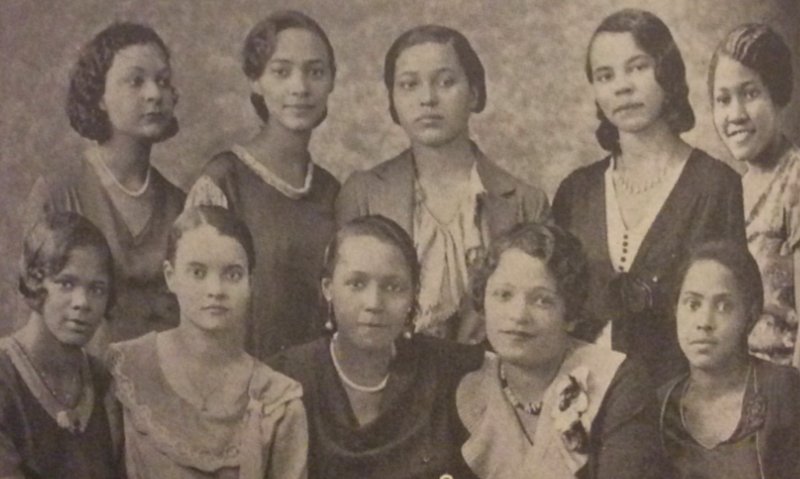
This test furthered a caste system, initiated by white supremacy. Even without the presence of the bag, we see color. Color, in America, can determine socioeconomic mobility. Thus, black women and men are pitted against each other, comparing one another’s opportunities. This animosity exists because of white supremacy. Under this system, the pigment of one’s skin prevents them from living up to our true potential.
People cannot choose the color of their skin. Pigment is a defining factor in the lives of non-white people. White supremacy created colorism. Fighting for access to opportunities, black people judge themselves and others using a subconscious paper bag test.
Walking into a job interview, black people often find their stomach tied in knots.
My Pre-Interview Anxiety:
Will I be the only black person? Will they feel disappointed when they see me?
Will they truly consider my qualifications?
Will my natural black hair be seen as unprofessional?
Will I pass the brown paper bag test in their eyes?
Within the black community, skin tone varies dramatically. Although black people are treated poorly in American society, perceived advantages have caused friction within the community. Some black men have also added to the presence of colorism by expressing their dating preferences in a derogatory way.
“This privilege is apparent in many aspects of life, including at school, the office, and even in relationships. ‘I think there’s definitely an advantage with guys and dating,’ Hinton says. McMillan echoes this sentiment saying, ‘I’ve had guys tell me that, ‘Oh I don’t date Black girls, but I date light-skin girls.’ At what point does light skin stop being Black?”
“Hinton points out that erasing light-skin privilege starts within the Black community. “I think it’s on us to identify where notions of beauty come from and to be careful in the ways that we are assigning value based on that,” she says. Click play to hear more of what each woman has to say about colorism in the Black community” (Simeon, 2019)
Although there is widespread respect amongst black people, colorism has contributed to the conflict. In many communities, light skin is preferred. Some women use cosmetics to lighten their skin. Others use skin bleaching products. To achieve a lighter complexion, some people use these products, despite their risks.
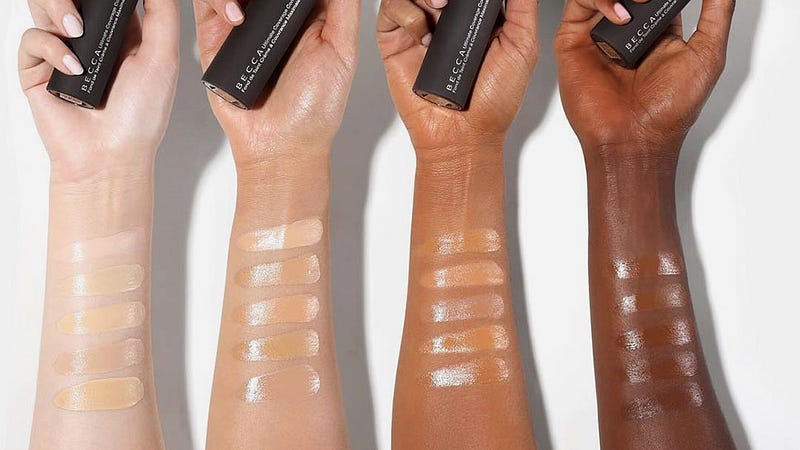
Some cosmetic companies have tried to reflect diversity by introducing a variety of shades. Many black women struggled to find their perfect match in the past. As more products provide a variety of shades, women are more likely to find one that matches their skin.
In 2020, America still has a caste system. Colorism will continue to be pervasive because of the long-standing influence of white supremacy and racism. To counter colorism, people from a variety must be accepted and embraced in the mainstream. People should not fetishize colors. Instead, they should sincerely appreciate the diversity in our society.
Curated Stories about Race, Equality, Women, and History:
We Don’t Need to Aspire to European Beauty Standards
Women in every culture are beautiful
medium.com
References:
Mernin, G. (2018, April 08). 99 problems: Shades of belonging. Retrieved July 16, 2020, from https://www.nydailynews.com/new-york/education/examining-paper-bag-test-evolved-article-1.2844394
Simeon, A. (2019). 3 Black Women Get Honest About Light-Skin Privilege. Retrieved July 16, 2020, from https://www.refinery29.com/en-us/light-skin-privilege-colorism


