
Can We Live Without Absolute Truth?
Is It Even a Thing?
Non-Members Can Read The Full Story at This Link
Seems to me humanity has lived without the assurance of an ultimate singular absolute truth for a very long time. Sure, people assert a concept they have as absolute truth, yet it ends up being a belief system ascribed to a few and not absolute for everyone.
For eons, philosophers or sages have mulled over and made claims about what they speculate this mysterious truth is. Yet there remains no consistent thread of common agreement except for socially inconsequential facts such as: it is the inflexible truth there are no square circles or round squares. Such facts are not the all-embracing truth humanity innately desires.
“Absolute truth is a statement that is true at all times and in all places. It is something that is always true no matter what the circumstances. It is a fact that cannot be changed.”
“Absolute truth is defined as inflexible reality: fixed, invariable, unalterable facts.“
If it is seemingly impossible to agree upon an all-encompassing absolute, why bother speculating?
How about because we can’t seem to stop doing it?
It appears the very question of truth has promulgated considerable controversy manifesting in opposing religious and political beliefs that fuel the inflammatory drama of our world.
It may be easy for some to conclude that their idea of a paramount truth is God, but which god or whose idea of God or how about no god at all? How does humanity agree on something intangible, even ineffable? Indeed, in a manifest world culture conformed to duality along a full range—from black to white, good to bad, left to right, feminine to masculine and so forth—people rarely agree even on the tangible and expressible.
Yes, we can agree to disagree, that is one resolution.
Yet it doesn’t really solve what often escalates to inflammatory contention. Perhaps instead we can ponder and incorporate into the collective consciousness general classifications of truth—keeping it simple enough for even a child to understand?
I don’t propose such concepts of truth would solve all the duality and psychological issues, all the competing viewpoints, only that we might allow these concepts to be a framework for remediation, consensus, even a sense of harmony.
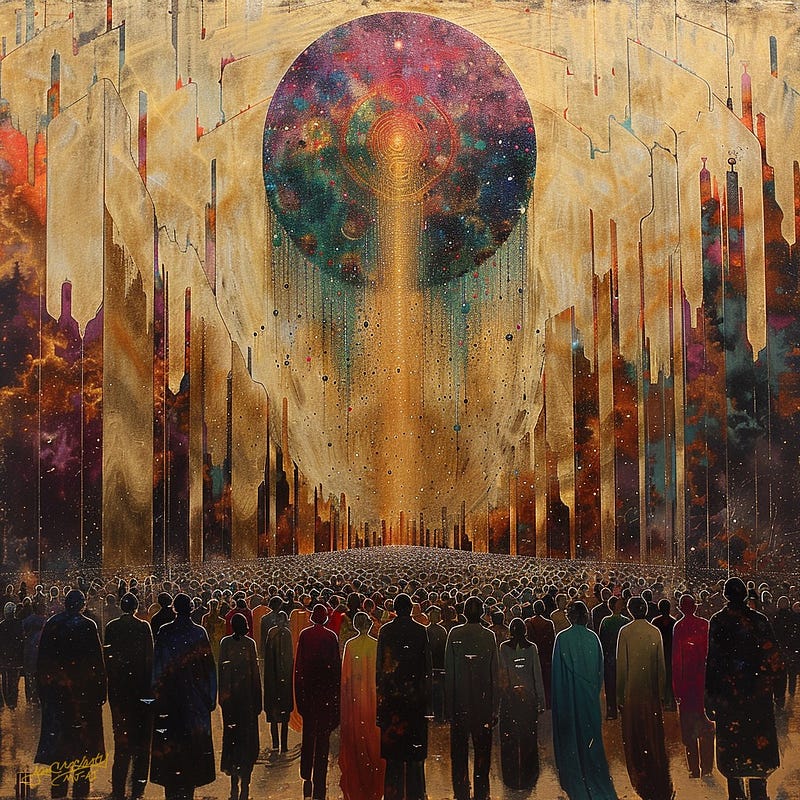
Three Classes of Truth
In respect to moderating a general consensus about truth particularly to mediate social dialogue, I propose consideration of the following three categories of truth. These concepts don’t preclude academic philosophy’s existing theories of truth which have application in specific intellectual venues. Instead, my suggestions are a guideline for social amelioration.
- Paramount Truth: a truth that we cannot know conceptually through observation of the manifest world; a truth that mystics and sages suggest can only be personally experienced. Consequently, even if two sages experienced the same thing, it would be difficult to agree due to how they describe it, each description being shaped by one’s unique prior experience and language.
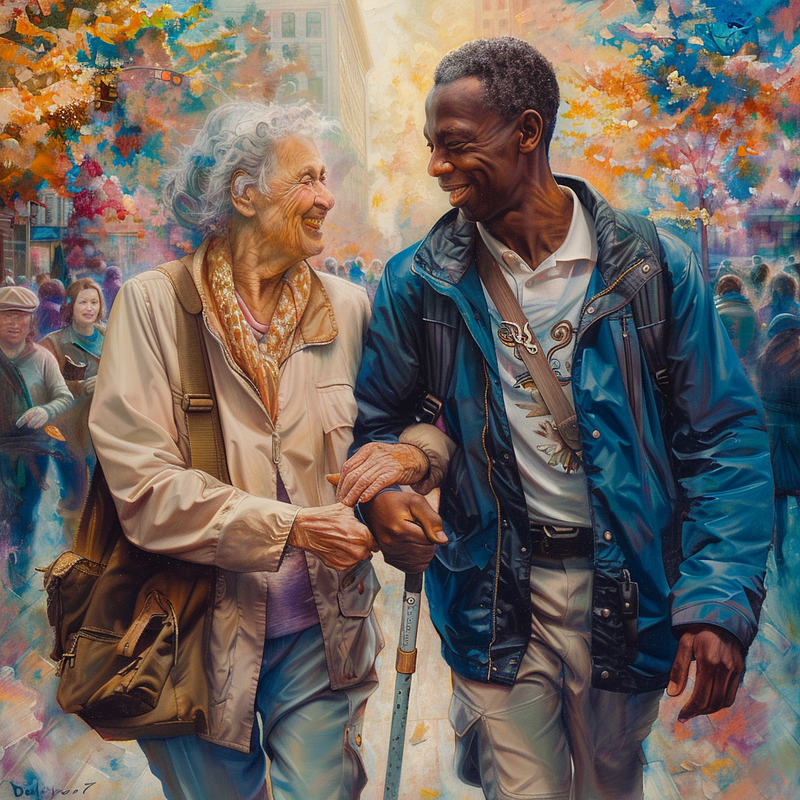
- Collective Consciousness Truths: truths about our manifest environment and common experiences that allow us to have coherent languages and interactions such as the ideas of left vs right, mathematics, colors, day and night, sad and happy, sick or well, and so forth. An example is a rock, where every language has a definitive idea and word for a similar substance and these words and ideas equate to one another. Also, truths that change through acculturation and consensus where for instance one culture changes to the same money truth—the same medium of monetary exchange—as its neighbor; or humanity at large comes to a consensus that space travel is possible.
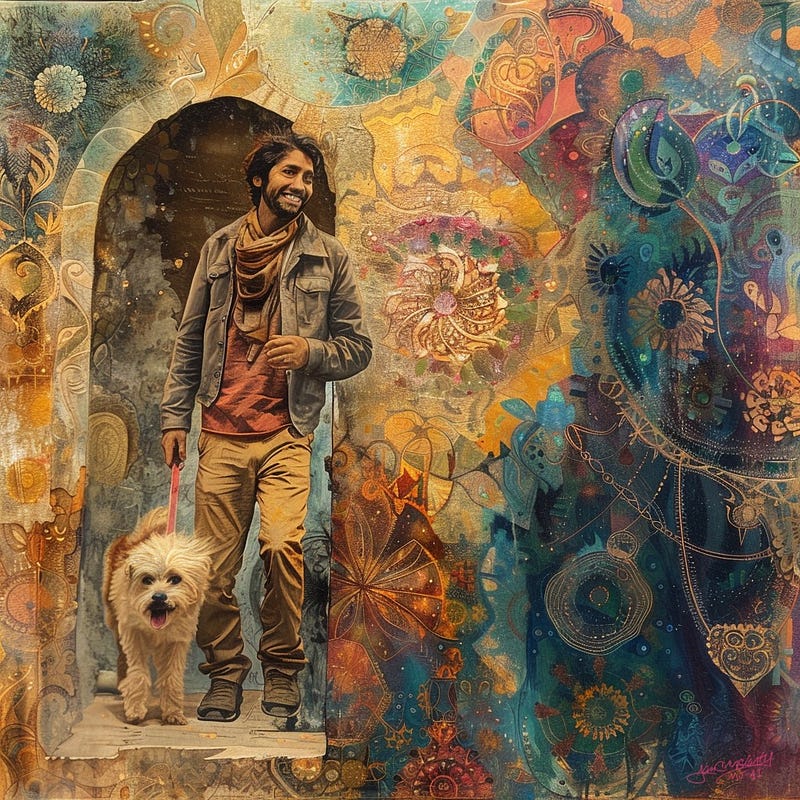
- Unique Perspective Truths: truths that are influenced by the singularly distinctive experience of each individual. These truths are fluid and change with additional experience and awareness of an individual. An historic example is the parable of the blind men examining different parts of an elephant, each man explaining the animal differently; while if they continued to examine all the parts, each man’s personal truth would change—so at some point they might or might not have general agreement, depending upon their individual frames of reference.
I am suggesting that if the classifications of truth identified here were to be disseminated and assimilated by even a minority of the world population, they can eventually imbue and transform our collective consciousness. In so doing, they can effectively enlarge both humanity’s scope of awareness as well as compassion for others.
For instance, when a person recognizes he or she is singularly unique in this world, that understanding allows not only for acceptance of one’s own self, but for understanding and tolerance for others. By regarding each human being as incomparable, one’s own compulsion to fit in, measure up, adversely compete, and compel others to have one’s mindset is minimized.
To sum up: in a social context, I propose that absolute truth does not need to be a thing.
And by it not being so, we can more readily embrace diversity and creativity rather than staunchly fortifying our “truth” even to the point of dying or killing for it or trolling social media with our ridicule. We can also be more open to change, or conversely to celebrating the unique expression of traditional cultures.
As for living without the pursuit of a paramount truth?
I consider that pursuit so deeply embedded in our essential being that it is impossible to abandon. It proceeds from the innate incentive we have to be curious and to create in order to express, experience, and increasingly know ourselves. Perhaps this incentive is even an extension of a Prime Being — of a Prime Truth—into each inimitable individuated consciousness? What do you think?
I hope you enjoy my MidJourney Art & Mindfulness. I would love your 50 claps and your comments or questions!


