Can B3W Compete with the Belt and Road Initiative (BRI)?
This article will also assess the West’s objections and apprehensions about the BRI.
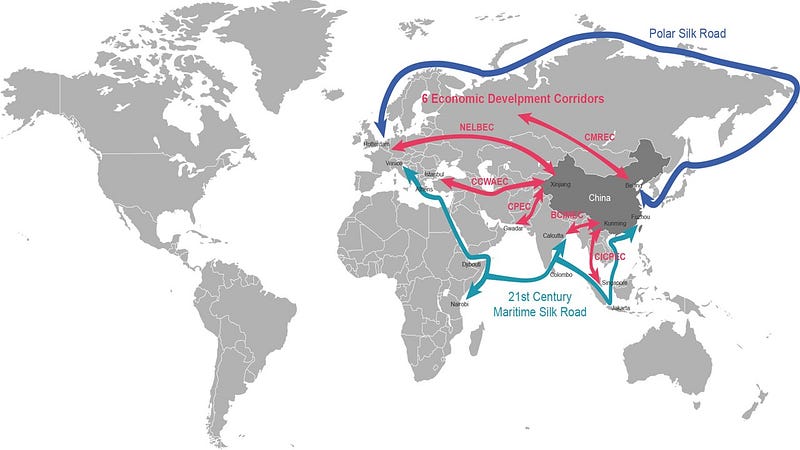
China’s Belt and Road Initiative (BRI), also known as the One Belt, One Road (OBOR) initiative, is a massive infrastructure and economic development project launched by the Chinese government in 2013. The initiative is named after the Silk Road, which was a network of trade routes that connected China to Europe and other parts of Asia centuries ago. BRI aims to revive and expand these historical trade routes by promoting connectivity through infrastructure development, trade, and investment in countries across Asia, Europe, Africa, and beyond.
The key components of the Belt and Road Initiative include:
- Silk Road Economic Belt: This land-based component involves the construction of highways, railways, pipelines, and other infrastructure across Central Asia, connecting China to Europe via overland routes.
- 21st Century Maritime Silk Road: This sea-based component focuses on improving and expanding ports, shipping lanes, and maritime infrastructure to facilitate trade and connectivity between China, Southeast Asia, Africa, and Europe.
- Economic and Trade Corridors: These are various corridors and projects that aim to enhance economic cooperation and development in specific regions, such as the China-Pakistan Economic Corridor (CPEC) and the China-Indochina Peninsula Economic Corridor.
China has invested heavily in BRI projects, and these initiatives have the potential to bring significant economic benefits to participating countries by improving infrastructure and promoting trade.
Apprehensions and concerns from the West:
There are several apprehensions and concerns from the West and other countries regarding the Belt and Road Initiative:
- Debt Dependency: Critics argue that some participating countries could become heavily indebted to China due to the loans provided for BRI projects. This could lead to economic and political leverage for China over these nations. In this regard, they generally cite the Hambantota Seaport in Sri Lanka, which the Sri Lankan government had to lease to China for 99 years because they were unable to repay the loan obtained from China.
- Lack of Transparency: There are concerns about the lack of transparency in BRI project agreements, which can lead to corruption and financial imbalances in recipient countries. For instance, in 2017, Malaysia suspended the construction of the East Coast Rail Link project, citing concerns about the high costs and lack of transparency in the agreement with China Communications Construction Company (CCCC). After negotiations, the project was revived with revised terms to reduce its cost and improve transparency. As mentioned earlier, Sri Lanka’s leasing of the Hambantota Port to China for 99 years is often cited as an example of a lack of transparency. The terms of the agreement and the high level of debt incurred by Sri Lanka in the process raised questions about the transparency of the deal. Myanmar has expressed concerns about the transparency of agreements related to the Kyaukpyu Deep-Sea Port, a crucial part of the China-Myanmar Economic Corridor under the BRI. Transparency issues have led to public protests and calls for renegotiation. Zambia faced criticism for a lack of transparency in its BRI-related infrastructure projects. Concerns have been raised about the secrecy surrounding the terms of loans and the potential impact on Zambia’s debt sustainability. These examples highlight the concerns that have arisen in various BRI partner countries regarding transparency in project agreements, often leading to calls for renegotiation or increased scrutiny to ensure that the terms are fair, economically sustainable, and in the best interest of the recipient country.
- Environmental Impact: Many BRI projects involve large-scale infrastructure development, which can have adverse environmental effects and contribute to pollution and deforestation. For instance, the high-speed rail project between Jakarta and Bandung in Indonesia has faced opposition from environmental groups due to its potential impact on the country’s tropical rainforests. The project’s construction could lead to deforestation and habitat destruction. The Standard Gauge Railway (SGR) project in Kenya, which is part of the BRI’s Belt component, has raised concerns about its impact on wildlife in the Tsavo National Park. The railway cuts through important wildlife corridors and poses a threat to local fauna. Thar Coal Power Projects in Pakistan’s Thar region have sparked environmental concerns due to their potential for air and water pollution. Coal-based energy production can lead to increased greenhouse gas emissions and harm local ecosystems. Critics argue that while these projects may bring economic benefits, they should be carried out with careful consideration of their environmental impact and sustainable practices to mitigate harm to ecosystems and local communities.
- Strategic Implications: Some Western countries, particularly the United States, are concerned that the BRI may have strategic implications, as it can enhance China’s influence and military presence in key regions.
Counter initiatives by the West:
To counter the Belt and Road Initiative and promote an alternative vision of economic development and infrastructure connectivity, the United States and the Group of Seven (G7) countries have taken several measures:
- Infrastructure Initiatives — B3W: The U.S. and its G7 partners have proposed their own infrastructure initiatives, such as the “Build Back Better World” (B3W) initiative announced at the 2021 G7 summit. B3W aims to mobilize private-sector capital to address global infrastructure needs, particularly in developing countries. Key features and details of the B3W initiative include transparency, good governance, environmental sustainability, and social responsibility in B3W projects. This contrasts with some criticisms of BRI projects for their lack of transparency and potential adverse environmental and social impacts. However, it’s important to note that the success of the B3W initiative will depend on the willingness of G7 countries and their partners to commit financial resources and engage in effective collaboration with recipient countries.
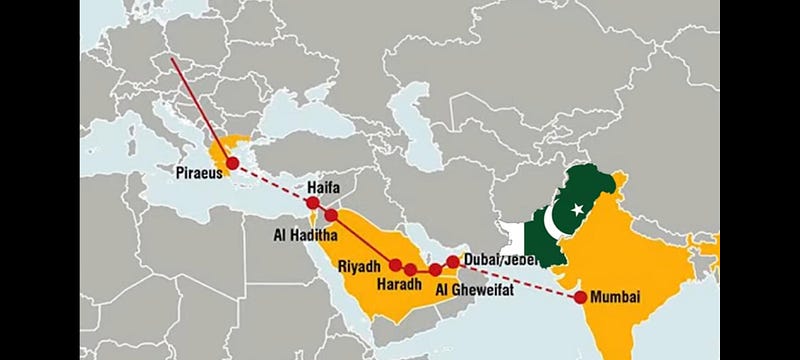
- The prospects of success of B3W: The prospects of the West’s success in countering the Belt and Road Initiative are mixed. While the BRI has faced criticisms and challenges, it has already made significant inroads in many countries and has garnered support from numerous nations seeking infrastructure development and economic growth. But the B3W has not yet taken off. Success in countering the BRI will depend on the ability of Western initiatives to provide attractive alternatives, address the concerns of participating countries, and compete effectively with China’s massive investments and influence in the region. It will also depend on the diplomatic and economic strategies employed by Western countries to shape the trajectory of infrastructure development in the BRI regions. However, the initiation of the India-Middle East-Europe Economic Corridor, as announced during the G20 meeting in New Delhi in September 2023, is being considered as a step in countering China’s Belt and Road Initiative (BRI).