
Essay: The China-Pakistan Economic Corridor (CPEC): Implications for Pakistan and the region
Outline:
I. Introduction A. Brief overview of the China-Pakistan Economic Corridor (CPEC) B. Purpose of the essay
II. Economic Implications A. Infrastructure development 1. Roads and transportation networks 2. Energy infrastructure B. Economic growth and development 1. Job creation 2. Trade facilitation C. Debt and financial concerns 1. Borrowing and repayment challenges 2. Sovereign debt risks
III. Geopolitical Implications A. China’s strategic interests 1. Balancing regional power dynamics 2. Ensuring energy security B. Pakistan’s role in the region 1. Strengthening alliances 2. Regional stability C. U.S. and Western concerns 1. The Indo-Pacific rivalry 2. Security and military implications
IV. Social Implications A. Socioeconomic disparities 1. Regional disparities 2. Impact on marginalized communities B. Environmental concerns 1. Ecological impact 2. Mitigation measures C. Cultural and social integration 1. Cultural exchange and influence 2. Social cohesion and diversity
V. Conclusion A. Summary of key points B. Balancing the benefits and challenges C. Future prospects for Pakistan.
I. Introduction
The China-Pakistan Economic Corridor (CPEC) is one of the most ambitious and significant infrastructural projects of the 21st century, with far-reaching implications for Pakistan’s economy, geopolitics, and society. This essay aims to provide a comprehensive analysis of the economic, geopolitical, and social implications of the CPEC for Pakistan, shedding light on both its potential benefits and challenges.
II. Economic Implications
A. Infrastructure Development
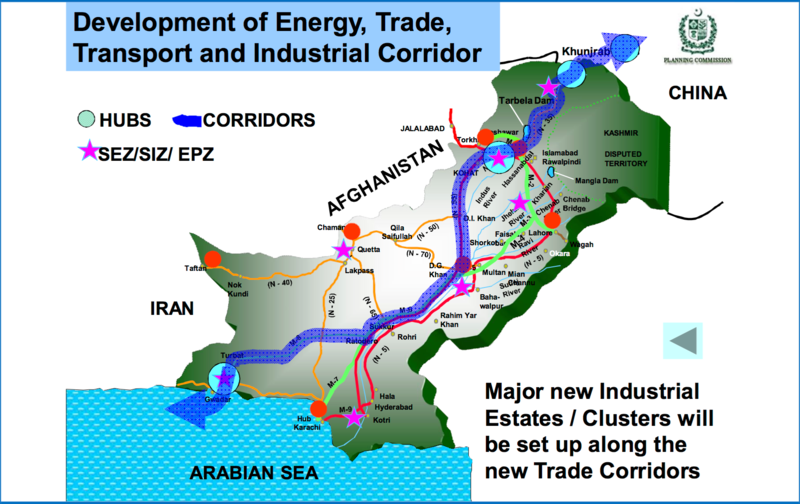
- Roads and Transportation Networks: One of the primary economic benefits of the CPEC for Pakistan is the development of a vast network of roads, highways, and transportation infrastructure. This includes the construction of the Gwadar Port and a network of highways connecting Gwadar to China’s western regions, significantly reducing transportation costs and enhancing connectivity. Improved road networks facilitate the movement of goods, people, and services, which can boost trade and economic activity.
- Energy Infrastructure: CPEC also encompasses energy projects, such as the construction of power plants, which aim to address Pakistan’s chronic energy shortages. These investments promise to provide a stable and consistent energy supply, reducing production costs for industries and enhancing Pakistan’s overall economic competitiveness.
B. Economic Growth and Development
- Job Creation: CPEC has the potential to create millions of jobs in Pakistan, primarily through the development of infrastructure projects, manufacturing, and trade-related activities. This job creation can help alleviate unemployment and poverty, thereby contributing to socioeconomic development and stability.
- Trade Facilitation: The corridor aims to facilitate trade by providing a shorter and more efficient route for Chinese exports to reach international markets through Gwadar particularly Middle East, and Africa. This can increase Pakistan’s transit trade revenue and strengthen its position as a regional trade hub. Additionally, it can attract foreign investment and enhance Pakistan’s export potential, especially for goods destined for China and Central Asia.
C. Debt and Financial Concerns
- Borrowing and Repayment Challenges: While CPEC brings significant investments, Pakistan has raised concerns about the financial terms of these investments. The country has borrowed substantial sums from China to fund CPEC projects, leading to concerns about its ability to repay these loans. The terms of these loans, including interest rates and repayment schedules, have been subjects of scrutiny, raising questions about Pakistan’s long-term fiscal sustainability.
- Sovereign Debt Risks: The accumulation of debt associated with CPEC projects can pose sovereign debt risks for Pakistan, potentially compromising its economic stability. Managing this debt burden effectively is crucial to ensure that CPEC’s economic benefits do not lead to financial vulnerabilities.
III. Geopolitical Implications
A. China’s Strategic Interests
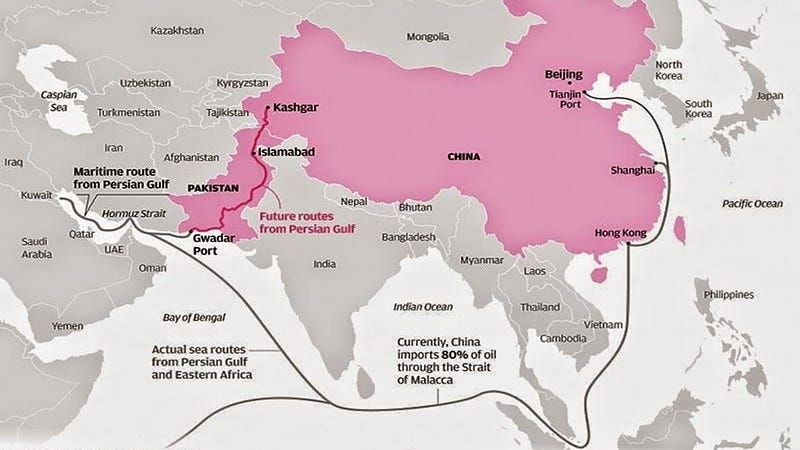
- Balancing Regional Power Dynamics: CPEC plays a crucial role in China’s strategy to balance regional power dynamics. By securing a reliable trade route through Pakistan, China reduces its dependence on the Malacca Strait, a potential geopolitical chokepoint. This enhances China’s economic and energy security, allowing it to pursue its interests more assertively in the Indo-Pacific region.
- Ensuring Energy Security: The energy projects within CPEC, such as coal and hydropower plants for which Pakistan has a great potential, serve China’s energy security interests by providing a stable source of energy supply. This reduces China’s reliance on imported energy resources and contributes to its overall energy diversification strategy.
- Diversification of Energy Sources: CPEC involves the construction of various energy projects, including coal-fired power plants, hydropower projects, wind farms, and solar energy installations. This diversification of energy sources is crucial for reducing dependence on a single energy supply and mitigating the risks associated with it. In particular, the development of renewable energy sources aligns with the global trend towards cleaner and more sustainable energy options.
- Stable Energy Supply: Pakistan has historically faced energy shortages and frequent power outages, which have hindered economic growth and development. CPEC’s energy projects aim to provide a stable and consistent energy supply to Pakistan. This stability is crucial for industrial production, attracting foreign investment, and improving the overall quality of life for Pakistan’s citizens.
- Bilateral Cooperation: CPEC enhances energy cooperation between China and Pakistan. China’s expertise in energy infrastructure development, as well as its access to advanced technologies, contributes to the successful implementation of energy projects in Pakistan. This bilateral cooperation strengthens the strategic partnership between the two countries.
B. Pakistan’s Role in the Region
- Strengthening Alliances: CPEC strengthens Pakistan’s alliances, particularly with China. It deepens economic and strategic cooperation between the two countries, making Pakistan a vital partner in China’s Belt and Road Initiative (BRI). This alignment with China enhances Pakistan’s diplomatic leverage in regional and global forums.
- Regional Stability: Pakistan’s stability is of paramount importance for regional stability, especially in the context of Afghanistan as it is now most convenient conduit to Chinese investment and trade with Afghanistan through Pakistan’s famous Khyber Pass. Normalization of economic linkage between Pakistan, Afghanistan, and China via CPEC has the potential to bring economic stability not only to Pakistan but to a more stable region. However, it also faces challenges, such as security threats from extremist elements, which can impact regional stability.
C. U.S. and Western Concerns
- The Indo-Pacific Rivalry: CPEC is viewed with suspicion by some Western countries, particularly the United States, which sees it as a part of China’s broader Indo-Pacific strategy. This has led to concerns about the strategic implications of CPEC for the balance of power in the region and has contributed to the broader Indo-Pacific rivalry between the U.S. and China. US has often stated that China’s BRI, the CPEC being one of its corridors, as China’s debt trap policy.
IV. Social Implications
A. Socioeconomic Disparities
- Regional Disparities: CPEC has the potential to exacerbate existing regional disparities within Pakistan. Sometimes voices have been raised by some people that most of the infrastructure development is concentrated in certain regions, while neglecting others. This can lead to economic imbalances and social unrest. Hence the government must take cognizance of this so that benefits reach every nook and corner of the country.
B. Environmental Concerns
- Ecological Impact: The construction of infrastructure, especially large energy projects, can have adverse environmental effects. It is essential to implement stringent environmental regulations and mitigation measures to minimize the ecological impact of CPEC particularly with reference to the coal fired power plants.
- Mitigation Measures CPEC offers an opportunity to invest in environmentally sustainable practices and technologies. This includes renewable energy projects like solar, wind and hydro with environmentally friendly infrastructure designs. These measures along with afforestation in Pakistan can help mitigate the negative environmental consequences associated with development.
C. Cultural and Social Integration
- Cultural Exchange and Influence: CPEC fosters cultural exchange and influence between China and Pakistan. This can lead to a deeper understanding of each other’s cultures but also raises concerns about the potential erosion of Pakistan’s cultural identity in the face of Chinese influence.
- Social Cohesion and Diversity: The influx of Chinese workers and businesses in Pakistan can impact the social fabric of local communities. It is essential to promote social cohesion and diversity, ensuring that both Chinese and Pakistani citizens benefit from the economic opportunities presented by CPEC.
V. Conclusion
In conclusion, the China-Pakistan Economic Corridor (CPEC) represents a transformative mega-project with significant implications for Pakistan’s economy, geopolitics, and society. While it offers numerous economic benefits, including infrastructure development, job creation, and trade facilitation, it also poses challenges, such as debt concerns and environmental impacts.
On the geopolitical front, CPEC serves China’s strategic interests in balancing power dynamics and ensuring energy security, while also strengthening Pakistan’s regional role and alliances. However, it has raised concerns in the U.S. and the broader Indo-Pacific region.
The social implications of CPEC involve addressing socioeconomic disparities, environmental concerns, and cultural integration challenges. Balancing these factors is crucial to harness the potential benefits of CPEC while mitigating its negative consequences.
In the coming years, Pakistan will need to navigate these complex economic, geopolitical, and social implications effectively to ensure that CPEC contributes to its long-term development and stability. The success of CPEC will depend on how well Pakistan manages the opportunities and challenges it presents and how it balances its interests with those of its key ally, China, and other regional stakeholders.