
“Why Does the USA Seek to Contain China and What Are the Prospects? Exploring Potential Solutions”
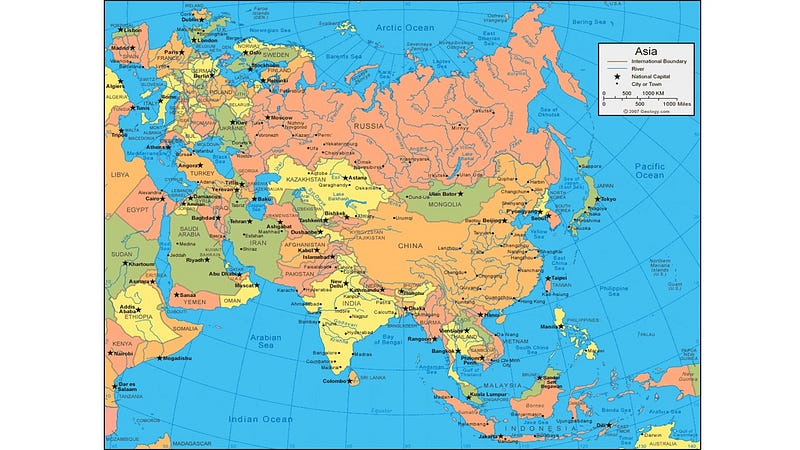
The relationship between the United States and China is complex and multifaceted, encompassing economic, political, military, and ideological dimensions. The concept of “containment” in this context doesn’t necessarily imply a direct military confrontation but rather refers to a set of strategies aimed at managing and influencing China’s rise as a global power. The U.S. approach is shaped by a mix of concerns, including maintaining its own global influence, ensuring a stable international order, protecting its economic interests, and upholding democratic values.
Key reasons for the U.S. interest in containing or managing China’s influence:
- Geopolitical Competition: China’s economic and military growth has led to increased competition for influence in various regions. The U.S. seeks to maintain its position as a dominant global player and prevent any single country from becoming too dominant.
- Economic Concerns: China’s economic practices, such as state subsidies, intellectual property theft, and unfair trade practices, have raised concerns among U.S. policymakers. The U.S. wants to protect its economic interests and ensure a level playing field for its businesses.
- Alliances and Partnerships: The U.S. has a network of alliances and partnerships around the world. As China’s influence grows, the U.S. aims to ensure that its allies remain aligned with its interests and values, rather than gravitating toward China.
- Human Rights and Ideology: The U.S. has been critical of China’s human rights record and its lack of political freedoms. This is not only a moral concern but also an ideological one, as the U.S. emphasizes democratic values and individual rights.
- Technological Competition: The race for technological dominance, especially in fields like 5G, artificial intelligence, and advanced manufacturing, has become a significant aspect of U.S.-China relations. The U.S. is concerned about China gaining a competitive edge in these areas.
What are the strategies USA is adopting to contain China?
The United States has not explicitly adopted a policy of “containment” toward China like the one employed during the Cold War against the Soviet Union. However, the U.S. has been implementing a range of strategies and approaches to manage and influence China’s rise as a global power. These strategies aim to protect American interests, promote a stable international order, and address concerns related to security, economic practices, and values. Some of the key strategies and actions include:
Alliance Strengthening: The U.S. has been reinforcing its alliances and partnerships in the Indo-Pacific region, such as with Japan, South Korea, India, Australia, and other countries for instance Quad lateral dialogue, and AUKUS. These alliances provide a network of security relationships aimed at maintaining stability and balance in the region.
Freedom of Navigation Operations (FONOPs): The U.S. Navy conducts FONOPs in the South China Sea to challenge China’s territorial claims that the U.S. considers inconsistent with international law. These operations assert the principle of freedom of navigation and overflight in international waters.
Economic Measures: The U.S. has taken actions to address concerns related to China’s economic practices, such as unfair trade practices and intellectual property theft. This includes imposing tariffs on Chinese goods and taking steps to restrict access to sensitive technologies.
Technology Competition: The U.S. is actively engaged in technological competition with China, particularly in areas like 5G, artificial intelligence, and advanced manufacturing. It has implemented measures to protect sensitive technologies and prevent their transfer to China.
Human Rights and Values: The U.S. has been critical of China’s human rights record, particularly regarding issues such as Xinjiang and Hong Kong. It uses diplomatic pressure and public statements to raise awareness about these concerns.
Diplomacy and Multilateral Engagement: The U.S. participates in multilateral forums to address global challenges and engage with China on various issues. This includes efforts to collaborate on areas of mutual interest, such as climate change and nonproliferation.
Promotion of Democratic Values: The U.S. seeks to promote democratic principles and human rights globally, including in regions where China’s influence is growing. This involves supporting civil society, advocating for press freedom, and highlighting instances of repression.
Defense Modernization: The U.S. has invested in modernizing its military capabilities to ensure that it maintains a credible deterrence and defense posture in the Indo-Pacific region.
Regional Security Partnerships: The U.S. engages with countries in the region to enhance their own security capacities and promote collective security efforts.
It’s important to recognize that U.S. strategy toward China is multidimensional and evolves based on changing circumstances. While some of these strategies might be interpreted as containment measures, they are often pursued in a broader context of engaging with China on areas of cooperation while also addressing areas of competition and potential conflict. Balancing these different elements is crucial for managing the complex U.S.-China relationship.
Prospects of China containment:
Prospects for containing China are complex and uncertain. China has become a major global power with a rapidly growing economy, technological prowess, and increasing influence in international organizations. Some factors to consider in evaluating the prospects for containment include:
- Economic Interdependence: The U.S. and China have deeply interconnected economies. Attempting to completely isolate or decouple from China could have significant economic repercussions for both countries and the global economy.
- Military Balance: Both countries possess significant military capabilities, which creates a delicate balance of power. Open military conflict would be catastrophic, so both sides have incentives to avoid direct confrontation.
- Diplomacy and Engagement: Diplomatic efforts, negotiations, and cooperative initiatives could play a crucial role in managing tensions and finding common ground. International organizations and forums provide avenues for dialogue.
- Global Challenges: Issues like climate change, pandemics, and nuclear proliferation require international cooperation. Both the U.S. and China have interests in addressing these challenges, which could serve as areas for collaboration.
- Domestic Dynamics: Internal factors within China, such as economic growth, political stability, and social developments, will also influence its behavior on the global stage.
This all suggests that the possibility of a China containment policy by the USA through mechanisms like strategic partnerships with India, QUAD, or AUKUS has very slim chances. This is particularly true in the light of China’s increasing global influence through its robust BRI project, participation in SCO, and its recent expansion via BRICS. Hence, mutual coexistence and the development of their respective core competitive areas appear to be the best strategy for surviving in this highly competitive world.
The past approach of a zero-sum game will not yield any benefits now. The win-win model not only ensures the mutual survival of competitors but also keeps avenues for global success open for those seeking to excel.