Artificial Intelligence
Can Artificial Intelligence Eliminate Shoplifting In America?
Yes, most likely, it can!
However, we need to take it more seriously, integrate our resources intelligently, and resolve legal and ethical issues together.

Shoplifting is a severe problem in the United States. According to Loss Prevention Media, there are 27 million shoplifters, equating to 1 in 11 people in the United States today. More than 10 million people have been caught shoplifting in the past five years. And 25% of them are children. These stats are compiled by National Association for Shoplifting Prevention (NASP).
Currently, the worst city is San Francisco, California. However, the recent Fox News video encouraged me to pen this article.
In a news post by NYPost.com titled “Thieves now mock the rule of law in ‘progressive’ cities like San Francisco”, the situation is highlighted:
“Clearly, San Francisco is in trouble. Walgreens officials stated in May that thefts in its Frisco stores quadrupled their national average. The chain has had to shutter 17 locations where merchandise was getting lifted rather than bought”.
I reviewed the NASP’s position in this context. I found that the mission of NASP is:
“to raise public awareness about the harmful effects of shoplifting on youth, families and communities, unite public opinion toward constructive solutions, deliver needed programs and services and engage community action in prevention efforts to improve the lives of those affected and reduce the number of people who become involved”.
NASP’s statement about the shoplifting situation in America is an eye-opener:
“The estimated 27 million shoplifting offenders, and the frequency, magnitude and cost of their repeat offenses, are a daily drain on retail resources, but the societal response to misdemeanor shoplifting are inconsistent and often inadequate; thus shoplifting continues to thrive and its escalation is putting store associates, customers, and communities at risk”.
The key point is this crime is thriving and putting citizens at risk.
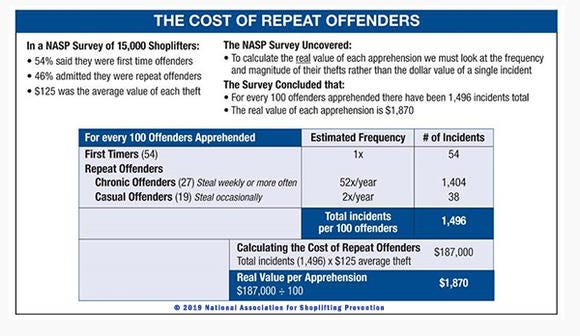
I like the motto of NASP, “Progressive Shoplifting Prevention Requires Focusing on the Future Today”. This is precisely the topic of my article.
Artificial intelligence has made remarkable progress within the last few decades. As an AI professional, some of my key interest areas are cybersecurity and public safety. Reviewing the literature constantly, I have come across tremendous resources in the body of knowledge that we can leverage.
I can assure you that we have essential techniques and tools to create viable solutions. However, we have two critical problems. One is a technical problem that is relatively easy to fix. It is the integration of a myriad of technology constructs with proprietary configuration items. In my opinion, this is the minor part of the iceberg.
The more significant part of the iceberg consists of law and ethics. This is an area in which I refrain from offering views as it is not my forte. However, I know that it is a problem because we have always faced legal and ethical constraints in all academic and commercial engagements for any breakthrough inventions and innovations. They are not as easy as solving technical problems. Uniting people is not a trivial task.
From a technical perspective, shoplifting can be eliminated using AI (Artificial Intelligence) if we can work on solutions integrating prominent technology constructs.
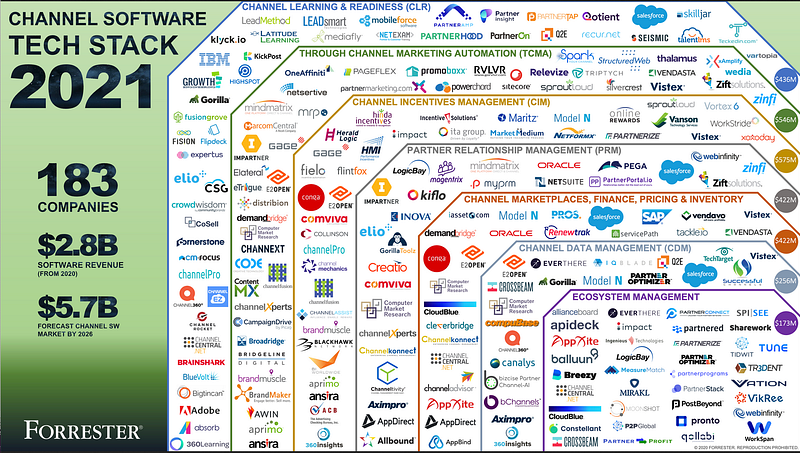
One viable solution approach is to use information technology capabilities such as image recognition, video, fast transmission, IoT (Internet of Things), Big Data, Mobility, Cloud Computing, Machine Learning, Neural Networks, and Predictive Analytics. Here is a high-level view of emerging technology stacks as compiled by Forrester Research.
What can we do with these technology stacks?
There are many possibilities. Just to give you an idea, imagine stock items in retail stores that have embedded IoT sensors. We already use high-end cameras in many large shopping centers. These cameras can be configured for AI face recognition.
When these cameras recognize shoppers’ faces, they can trigger the backend system to create temporary profiles of shoppers. These profiles can be linked to their online records.
In this simple scenario, imagine when shoplifters were caught, and their credit or debit cards were charged with the stolen items. This simple action not only discourages people from shoplifting but provides sufficient legal evidence to authorities.
Scientists and technologists have made excellent progress in face recognition. For example, deep neural networks are more accurate than humans at detecting intricate facial images. You can download this Stanford paper free from this link. It discusses sensitive points. Facial recognition is progressing so rapidly that facial recognition technology can now infer political orientation from naturalistic facial images.
There are even preventative measures like those proposed by Vaak. This Japanese company developed software that uses artificial intelligence to detect body language. It suggests someone intends to shoplift and alerts staff so they can intervene. Bloomberg reported this in an article titled “These Cameras Can Spot Shoplifters Even Before They Steal”.
There are some companies specifically developing AI solutions for shoplifting. For example, HypeTeq Cognitive Solutions uses transfer/deep learning, and computer vision, employing AI libraries such as Tensorflow, Keras, OpenCV, PIL, and Sklearn.
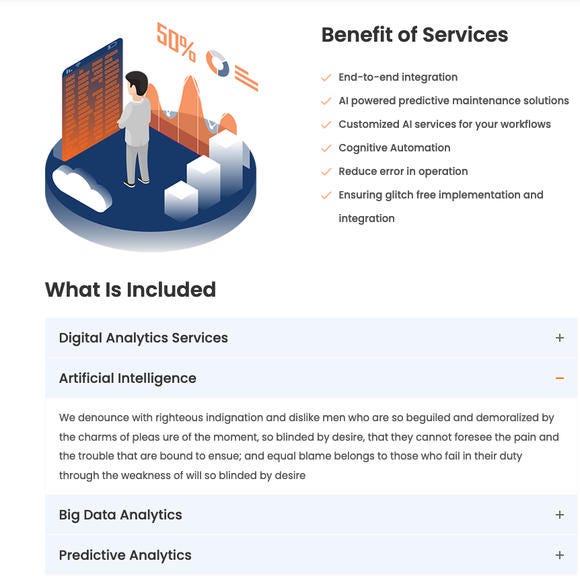
Here is a summary of HypeTeq shoplifting detection methodology to give you an idea:
We trained our model with various supermarket’s CCTV footage
Our system works on a live CCTV stream
It works in video frames, which makes it efficient for the model to trace and analyze activity
With help of Transfer Learning, we are able to identify human’s visual-skeleton
Once a human is identified it predicts its pose using Computer Vision, based on the visual-skeleton
A rectangular box is visible on the which shows the human on it.
Later on, it makes a prediction by analyzing the person’s behaviour.
This works as it segment and shows human behaviour above that rectangular box.
It does the same for every person present there.
Once we identify its behaviour we can keep an eye on such entities and prevent shoplifting.
We can find many more interesting breakthroughs beyond the scope of this article. My point is to highlight the availability of possibilities. Shoplifting is a common and severe problem in the United States, affecting the economy, citizens’ health, and psychology.
The U.S is a technologically advanced country hosting many world-class research institutes and exceptional manufacturing companies. These organizations representing business and academia can create outstanding solutions if they are given incentives to solve this encumbering issue.
It is not a technology problem. The outstanding problem is how these viable solutions can be legalized and pass ethical acceptance constraints.
Thank you for reading my perspectives.
The original version of this article was published on another platform, curated, and distributed to a San Francisco audience.
If you enjoyed this story, you might check my other AI-related stories recently published on Medium.
Discover what this artificially intelligent chatbot can do for you.
Artificial intelligence tools and new community rules for 70 million active admins and moderators on Facebook.
Thank you for reading my perspectives. I wish you a healthy and happy life.
Thank you for reading my perspectives. I wish you a healthy and happy life.
If you are a new reader and find this article valuable, you might check my holistic health and well-being stories reflecting on my reviews, observations, and decades of sensible experiments.
Sample Health Improvement Articles for New Readers
I write about various hormones and neurotransmitters such as dopamine, serotonin, oxytocin, GABA, acetylcholine, norepinephrine, adrenaline, glutamate, and histamine.
One of my goals as a writer is to raise awareness about the causes and risk factors of prevalent diseases that can lead to suffering and death for a large portion of the population.
To raise awareness about health issues, I have written several articles that present my holistic health findings from research, personal observations, and unique experiences. Below are links to these articles for easy access.
Metabolic Syndrome, Type II Diabetes, Fatty Liver Disease, Heart Disease, Strokes, Obesity, Liver Cancer, Autoimmune Disorders, Homocysteine, Lungs Health, Pancreas Health, Kidneys Health, NCDs, Infectious Diseases, Brain Health, Dementia, Depression, Brain Atrophy, Neonatal Disorders, Skin Health, Dental Health, Bone Health, Leaky Gut, Leaky Brain, Brain Fog, Chronic Inflammation, Insulin Resistance, Elevated Cortisol, Leptin Resistance, Anabolic Resistance, Cholesterol, High Triglycerides, Metabolic Disorders, Gastrointestinal Disorders, Thyroid Disorders, Anemia, Dysautonomia, cardiac output, and major disorders.
I also wrote about valuable nutrients. Here are the links for easy access:
Lutein/Zeaxanthin, Phosphatidylserine, Boron, Urolithin, taurine, citrulline malate, biotin, lithium orotate, alpha-lipoic acid, n-acetyl-cysteine, acetyl-l-carnitine, CoQ10, PQQ, NADH, TMG, creatine, choline, digestive enzymes, magnesium, zinc, hydrolyzed collagen, nootropics, pure nicotine, activated charcoal, Vitamin B12, Vitamin B1, Vitamin D, Vitamin K2, Omega-3 Fatty Acids, N-Acetyl L-Tyrosine, Cod Liver Oil, and other nutrients to improve metabolism and mental health.
Disclaimer: Please note that my posts do not include professional or health advice. I document my reviews, observations, experience, and perspectives only to provide information and create awareness.
I publish my lifestyle, health, and well-being stories on EUPHORIA. My focus is on metabolic, cellular, mitochondrial, and mental health. Here is my collection of Insightful Life Lessons from Personal Stories.
If you enjoy writing and storytelling, you can join Medium, NewsBreak, and Vocal as a creator to find your voice, reach out to a broad audience, and monetize your content.
You may also check my blog posts about my articles and articles of other writers contributing to my publications on Medium. I share them on my website digitalmehmet.com. Here is my professional bio. You can contact me via weblink.
As a writer, blogger, content developer, and reader, you might join Medium, Vocal Media, NewsBreak, Medium Writing Superstars, Writing Paychecks, WordPress, and Thinkers360 with my referral links. These affiliate links will not cost you extra to join the services.
You might join my six publications on Medium as a writer by sending a request via this link. 19K+ writers contribute to my publications. You might find more information about my professional background.
If you enjoy reading, you may join Medium with my referral link for limitless access to my stories and other writers.