
Black Women Aren’t Allowed to Be Introverts
We are expected to be larger than life but not too extroverted because that is a problem too
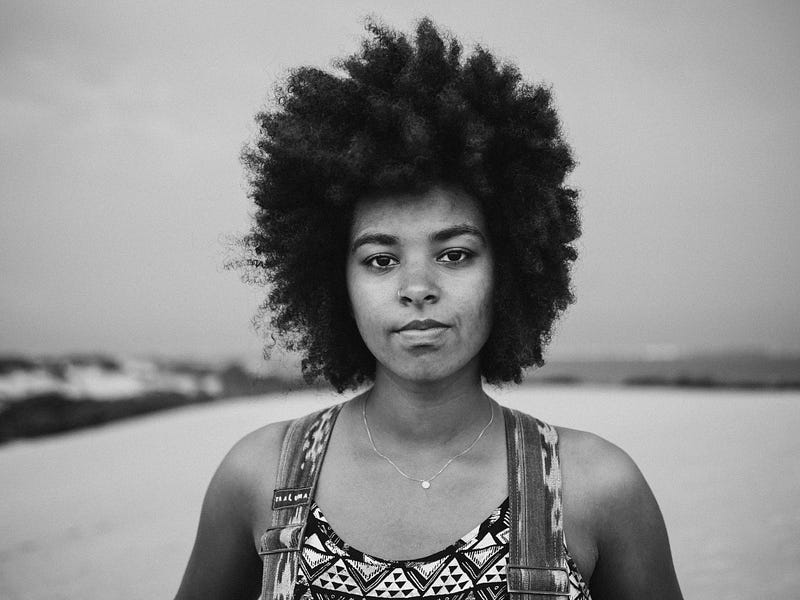
My name is Zuva. I am 23 years old and I have a confession. I hate smiling. Like if something is funny or humorous I’ll crack one out but otherwise, I hate doing it. Sprinkling myself with fairy powder and bubblegum is not only a waste of my time but extremely exhausting.
I seem to be caught in an impasse where I have a cute baby face but also resting bitch face. It’s like I accidentally lure people in when in a good mood then scare them away when I am being me.
When I was younger, I used to be very insecure about all this. I wanted to be likeable. I thought my value was something to be prescribed/bought vs something I allotted myself.
Nowadays I don’t care so much. I’m too tired. As I have aged my introversion has increased. I have accepted that some people just won’t get me and that’s ok. I have been too depressed for too long to pretend like I’m all sunshine and rainbows. I may not be a warm person but I care. I may not radiate joy but I’m a fun person to be around and I’m nice — life is too shitty to go around causing hell for others.
However, I am tired of being asked to smile. Not only that, I am tired of people expecting me to be this caricature due to being Black. Many people have told me that their first impressions of me varied significantly from the ones they have now. And it’s exhausting — being forced into extroversion for the comfort of others.
In professional spaces, white introverts are met with kindness and understanding, yet these same people automatically see Black people as rude. Told how we need to warm up more, be less difficult, less mean, less aggressive. I have been reprimanded in work for not being warm enough, even while working side by side to those who don’t smile at all.
In my household at least, extroversion was the default. You could be no other way. I remember going to many functions and being “reminded” by my father’s (now ex) wife that I wasn’t better than anyone because of the way I acted. She told me that my refusal of dancing was me trying to ‘act white’. Unbeknownst to her, sitting quietly in a corner by myself wasn’t arrogance but discomfort.
However, social anxiety being mistaken for an “attitude problem” is something all too common. Just recently, singer Summer Walker’s performance on NPR’s Tiny Desk went viral this past week after critics labelled it as “lacklustre”. Though she was excited, she has had issues with social anxiety and as a result, she performed nervously slumped. Yet Twitter was rife with people calling her disrespectful, lazy and ungrateful.
Singers such as Lorde, Billie Ellish and even Adele have spoken openly about their anxiety issues. Adele going so far as to explain why she may never tour again. The public met all these women with love, understanding, and open support. Yet this is a luxury never afforded to Black women.
I think it is high time we stopped correlating extroversion characteristics as kindness and introversion with coldness. For some of us, this isn’t something we can simply grow out of. You can’t force us into social situations and hope that like a baby bird kicked out of the nest we shall find our wings.
More so, I ask for consistency. Why must Black women be seen as aggressive just for being quieter? Why do they not allow us to be introverts? Our actions are constantly under extreme scrutiny by society through culture and even by other Black people. They expect us to be larger than life. Joyous. You should hear angels in heaven playing an orchestra as we laugh. But not too extroverted because that is a problem too.
I used to believe that my introversion was something to be changed. But nowadays I see it as my best quality. I don’t need to be larger than life to be liked. I am not plotting your demise in my silence. I’m probably thinking about how nice my bed would be right about now.
Join my list to keep in touch! I’ll also send you my guide for true beginners. Filled with all the things I wish I knew starting out as a writer.
I am also the editor of An Injustice! A intersectional millennial publication. Check here for how to join!


