avatarAvi Kotzer

Free AI web copilot to create summaries, insights and extended knowledge, download it at here

3847

Abstract

t this plant in an <a href="https://readmedium.com/coniine-2828d4fa60d0">article</a> I wrote last month, and help earn another 13 cents today.</p><p id="a669"><b>§ Garden heliotrope </b>refers to two different plants ––oh, no, more plants!––, (<i>Valeriana officinalis</i>) and (<i>Heliotropium arborescens</i>). Why does the dictionary claim they have the same common name? I mean, they’re not in the same genus… or even in the same family! And one is know as valerian!</p><figure id="5e73"><img src="https://cdn-images-1.readmedium.com/v2/resize:fit:800/1*XKIxxk6E1hZDBDqjIMe7Ug.png"><figcaption>Screenshotted by Iva Reztok</figcaption></figure><p id="56fb">Oh, well, let’s move on…</p><p id="8f66"><b>§ Daisy</b> (<i>Bellis perennis</i>) is exactly what you’re thinking:</p><figure id="f812"><img src="https://cdn-images-1.readmedium.com/v2/resize:fit:800/0*bGoGPJXKX2q_xOwg.jpg"><figcaption>Photo by <a href="https://web.archive.org/web/20161023185801/http://www.panoramio.com/user/5028791?with_photo_id=56139765">m.dolores paderne sa…</a></figcaption></figure><p id="a9c0">Unless, of course, you were thinking of the duck:</p><figure id="2c6a"><img src="https://cdn-images-1.readmedium.com/v2/resize:fit:800/0*MzWaKad7CX865KhH.png"><figcaption>Credit: Disney; fair use</figcaption></figure><p id="58ac"><b>§ Burnet saxifrage </b>(<i>Pimpinella saxifraga</i>), a plant native to the British Isles, parts of Europe, and Western Asia, is neither a <b>burnet</b> nor a <b>saxifrage</b>. And apparently not a <i>bennet</i>, either, although perhaps someone started calling it that after mishearing “burnet”. Are you as confused as I am? No worries, just take a look at how pretty this plant is!</p><figure id="fcab"><img src="https://cdn-images-1.readmedium.com/v2/resize:fit:800/0*lOqHm6bLhQsuwCRJ"><figcaption>Credit: Franz Eugen Köhler, <i>Köhler’s Medizinal-Pflanzen</i></figcaption></figure><p id="8b4c">Or rather, how pretty Franz Eugen Köhler’s illustration of this non-<i>bennet</i> is.</p><h2 id="748b">Uppercase B</h2><p id="ceb5">Bennet is not an uncommon surname, and there are and have been plenty of notable Bennets throughout history, including politicians, clergymen, judges, and even a Swedish billionaire and a Honduran soccer player. But today I’m focusing my attention on two fictional Bennets.</p><p id="904a"><b>§ Elizabeth Bennet</b> is the protagonist of <i>Pride and Prejudice</i>, Jane Austen’s novel about matrimony that begins with this famous opening line: “It is a truth universally acknowledged, that a single man in possession of a good fortune, must be in want of a wife.” The main thrust of the plot is Elizabeth’s relationship with Mr. Darcy. In order for them to finally end up together, pride (his) and prejudice (hers) must be set aside.</p><p id="c090">The other Bennets in the story are Elizabeth’s relatives: her four sisters, Jane, Mary, Catherine, and Lydia; and her parents, Mr. and Mrs. Bennet. Although Mr. Bennet is a relatively wealthy man with good social position, but his property can be inherited only by a son, which he doesn’t have. Because Mrs. Bennet does not have an inheritance of her own, they must find a way to marry at least one daughter to a rich man.</p><p id="83e5"><a href="https://en.wikipedia.org/wiki/C._E._Brock">Charles Edmund Brock</a>, an English Victorian-style artists, illustrated several scenes from the novel:</p><figure id="c3eb"><img src="https://cdn-images-1.readmedium.com/v2/resize:fit:800/0*afXUWcgz7UWEWLjQ.png"><figcaption>Art by… Charles Brock. Pay attention!</figcaption></figure><p id="4759">The book has been adapted multiple times into TV series and movies, including a Bollywood version called <a href="https://www.imdb.com/title/tt0361411/"><i>Bride and Prejudice</i></a>. The most recent Pride-and-Prejudice-inspired work is the film <i>Fire Island</i> (

Options

released on Netflix in June), which adapts the story as a drama with gay protagonists that takes place on Fire Island in New York.</p><p id="4779"><b>§ Captain Bennett</b> (yes, there’s an extra “t”, and I don’t care) is the main antagonist of Arnold Schwarzenegger’s John Matrix character in the 1985 blockbuster action film <i>Commando</i>. Bennett, played by Vernon Wells (best known for his role as biker Wez in <i>Mad Max 2</i>), was a former member of Matrix’s military unit who then became a mercenary for a South American dictator Matrix had removed from power. The movie, shot for a mere $9 million, made six times its budget at the fall box office and spent three weeks as the number one film in America.</p><p id="eee9">There’s a soft spot in my heart for <i>Commando</i>; I remember my dad taking my brother and me, and two of our apartment building friends to see the film at the local theater. To this day my brother and I still quote lines from the movie to each other</p><p id="de2c"><i>Commando</i> has gained cult status over the years, mostly because of the way campy humor was intimately interlaced with continuous and increasing violence. In fact, someone took the trouble to compile most of the quips made throughout the movie, which you can see here:</p> <figure id="d4de"> <div> <div> <img class="ratio" src="http://placehold.it/16x9"> <iframe class="" src="https://cdn.embedly.com/widgets/media.html?src=https%3A%2F%2Fwww.youtube.com%2Fembed%2Fb4rrgdWBFi8%3Ffeature%3Doembed&amp;display_name=YouTube&amp;url=https%3A%2F%2Fwww.youtube.com%2Fwatch%3Fv%3Db4rrgdWBFi8&amp;image=https%3A%2F%2Fi.ytimg.com%2Fvi%2Fb4rrgdWBFi8%2Fhqdefault.jpg&amp;key=a19fcc184b9711e1b4764040d3dc5c07&amp;type=text%2Fhtml&amp;schema=youtube" allowfullscreen="" frameborder="0" height="480" width="854"> </div> </div> </figure></iframe></div></div></figure><p id="af2c">Interestingly, Schwarzenegger repeats his famous “I’ll be back” <i>Terminator</i> line in this movie, with a slight variation.</p><p id="b12b">Now you know. Next time you’re watching a rerun of Commando, make sure to check out that scene in which Ah-nold crushes a delicate <i>bennet</i> flower between his muscle-packed fingers as a symbolic foreshadowing of the movie’s climax. There is no such scene, you say? It’s probably been edited out… because the editors of the Spelling Bee decided that <i>bennet </i>is a dord*.</p><p id="e130">You can check out my previous entry on another <b>dord* </b>here:</p><div id="fe97" class="link-block"> <a href="https://readmedium.com/maidan-97ef69c5a242"> <div> <div> <h2>Maidan</h2> <div><h3>The square below is maidan Ukraine (groan)</h3></div> <div><p>medium.com</p></div> </div> <div> <div style="background-image: url(https://miro.readmedium.com/v2/resize:fit:320/0*2m7-yR37F5OPmqEz)"></div> </div> </div> </a> </div><p id="98c4">*What the heck is a <b>dord, </b>you ask? Here’s the answer:</p><div id="5a45" class="link-block"> <a href="https://www.merriam-webster.com/words-at-play/dord-a-ghost-word"> <div> <div> <h2>'Dord': A Ghost Word</h2> <div><h3>One of the questions people like to ask lexicographers is this: Can you sneak something into the dictionary? Can you…</h3></div> <div><p>www.merriam-webster.com</p></div> </div> <div> <div style="background-image: url(https://miro.readmedium.com/v2/resize:fit:320/0*1p5EYS2FZ2wK5w6M)"></div> </div> </div> </a> </div></article></body>

Bennet

One name, seven plants?
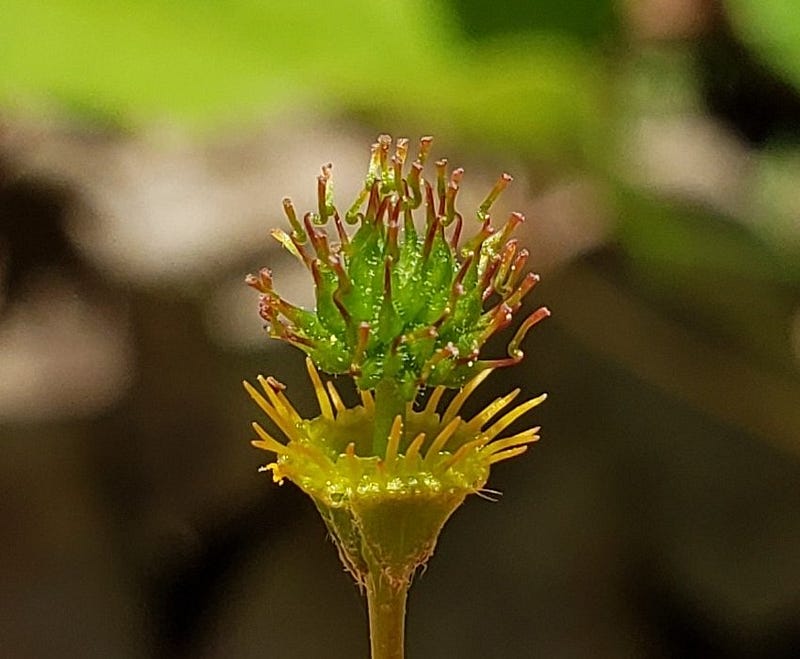
Photo by CriticalDrinking

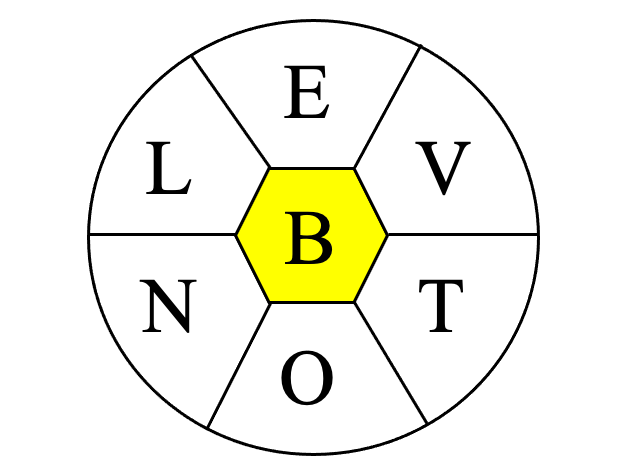
Today’s New York Times Spelling Bee letters:
Art: Iva Reztok

E, L, N, O, T, V, and center B (all words must include B)

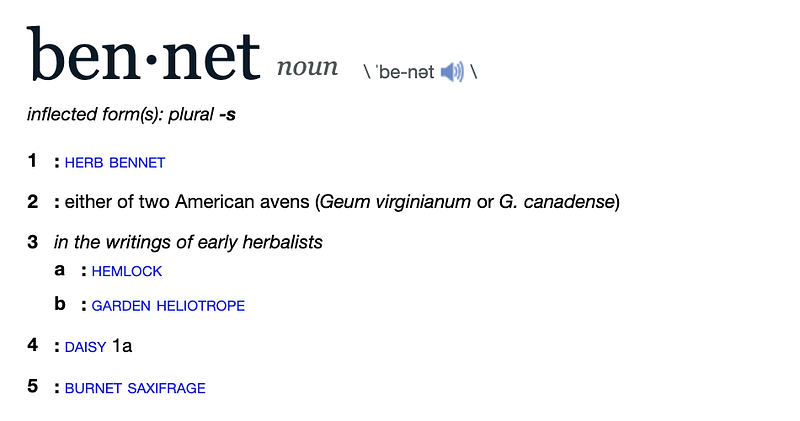
Merriam-Webster says…
Credit: merriam-webster.com

Silly little dictionary! Don’t you know that bennet can’t possibly be a word if The New York Times says it ain’t?

For further fascinating facts, check out the Spelling Bee Master.

What’s your favorite dord* from today’s puzzle?

My Two Cents

The photo at the top of today’s column is the “developing fruit” of the Geum vernum, or spring avens. At least that’s what Wikipedia (and the photographer, I assume) claim. Hopefully, they are both right. When I typed “bennet” into Unsplash’s search feature, I got bupkes. And when I tried “herb bennet” I got a ton of images of herbs, which was expected:

Screenshotted by Iva Reztok

Why are there a couple of photos of a person standing in the middle of what seems like an open field? I have no clue. Maybe their name is Bennet and they’re surrounded by herbs.

Okay, let’s get to it. There are seven plants to cover, according to the dictionary, and my 15-minutes of intensive online research can only do so much. But I promise to include pretty plant pictures.

lowercase b

Our friends at Merriam-Webster tell us that bennet is short for herb bennet. And herb bennet comes from the Middle English herbe beneit, itself from Middle French herbe beneite, herbe benoite, from the Medieval Latin herba benedicta, which literally means “blessed herb”. Let’s review the entries provided by dictionary, in order.

§ Herb bennet (Geum urbanum) is known by several other names, like wood avens, colewort, and St. Benedict’s herb. This perennial plant belongs to the rose family and prefers shady places to grow. Originally from the temperate regions of Europe and Asia, herb bennet has been introduced to North America.
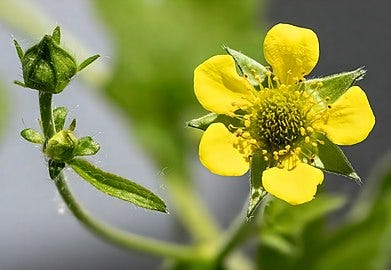
Photo by Didier Descouens

§ Geum virginianum is also known as the cream-colored avens, often confused with…

§ G. canadense, the white avens. As its name suggests, it can be found in many places across Canada.
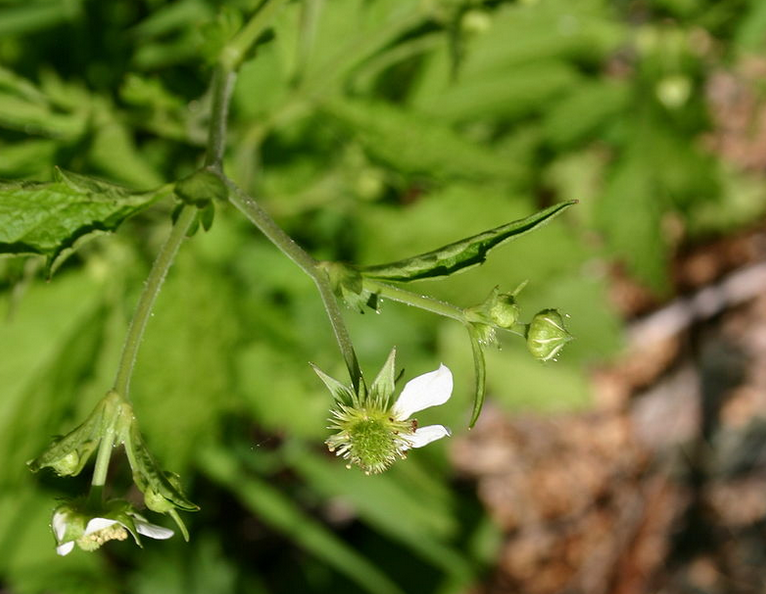
Photo by r User:SB_Johnny

§ Hemlock (Conium maculatum) apparently used to be called bennet back in the day, but I’m not sure which day or why exactly. In any case, you can read more about this plant in an article I wrote last month, and help earn another 13 cents today.

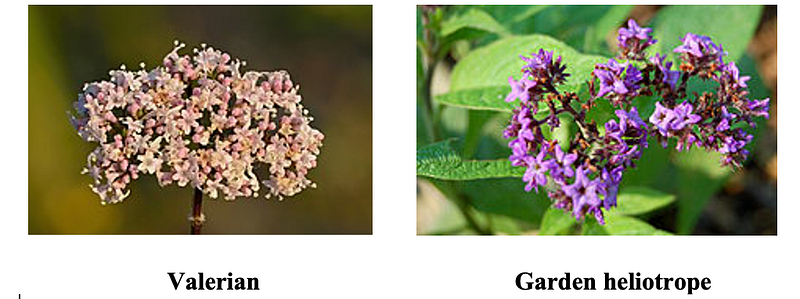
§ Garden heliotrope refers to two different plants ––oh, no, more plants!––, (Valeriana officinalis) and (Heliotropium arborescens). Why does the dictionary claim they have the same common name? I mean, they’re not in the same genus… or even in the same family! And one is know as valerian!
Screenshotted by Iva Reztok

Oh, well, let’s move on…

§ Daisy (Bellis perennis) is exactly what you’re thinking:
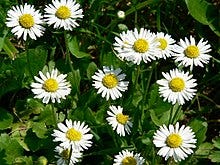
Photo by m.dolores paderne sa…

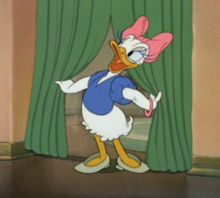
Unless, of course, you were thinking of the duck:
Credit: Disney; fair use

§ Burnet saxifrage (Pimpinella saxifraga), a plant native to the British Isles, parts of Europe, and Western Asia, is neither a burnet nor a saxifrage. And apparently not a bennet, either, although perhaps someone started calling it that after mishearing “burnet”. Are you as confused as I am? No worries, just take a look at how pretty this plant is!
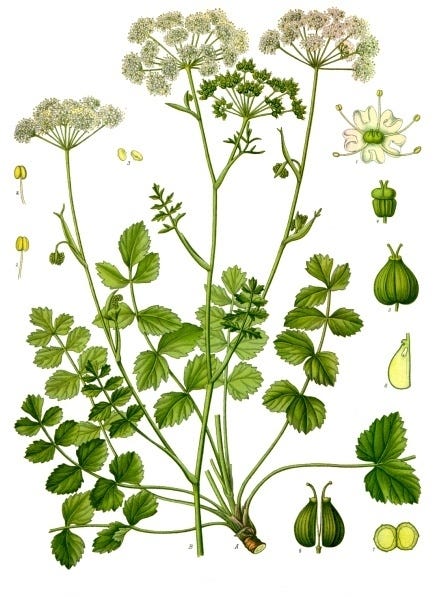
Credit: Franz Eugen Köhler, Köhler’s Medizinal-Pflanzen

Or rather, how pretty Franz Eugen Köhler’s illustration of this non-bennet is.

Uppercase B

Bennet is not an uncommon surname, and there are and have been plenty of notable Bennets throughout history, including politicians, clergymen, judges, and even a Swedish billionaire and a Honduran soccer player. But today I’m focusing my attention on two fictional Bennets.

§ Elizabeth Bennet is the protagonist of Pride and Prejudice, Jane Austen’s novel about matrimony that begins with this famous opening line: “It is a truth universally acknowledged, that a single man in possession of a good fortune, must be in want of a wife.” The main thrust of the plot is Elizabeth’s relationship with Mr. Darcy. In order for them to finally end up together, pride (his) and prejudice (hers) must be set aside.

The other Bennets in the story are Elizabeth’s relatives: her four sisters, Jane, Mary, Catherine, and Lydia; and her parents, Mr. and Mrs. Bennet. Although Mr. Bennet is a relatively wealthy man with good social position, but his property can be inherited only by a son, which he doesn’t have. Because Mrs. Bennet does not have an inheritance of her own, they must find a way to marry at least one daughter to a rich man.

Charles Edmund Brock, an English Victorian-style artists, illustrated several scenes from the novel:
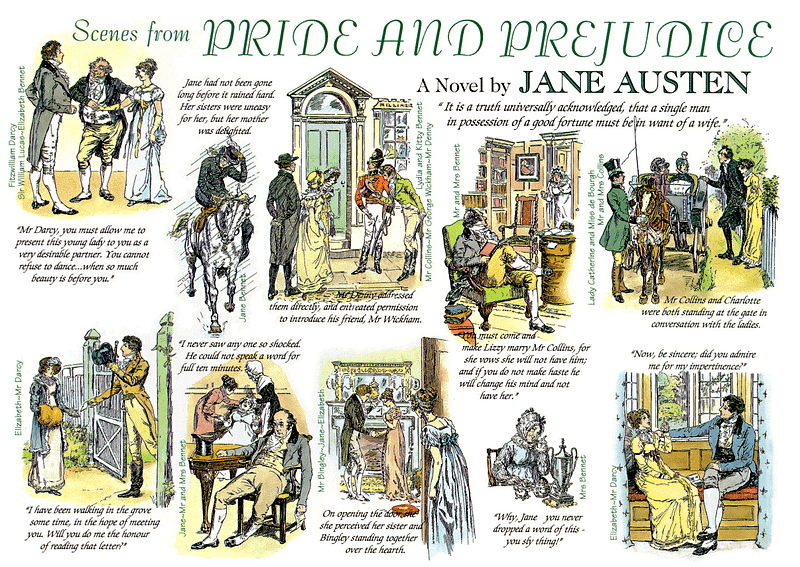
Art by… Charles Brock. Pay attention!

The book has been adapted multiple times into TV series and movies, including a Bollywood version called Bride and Prejudice. The most recent Pride-and-Prejudice-inspired work is the film Fire Island (released on Netflix in June), which adapts the story as a drama with gay protagonists that takes place on Fire Island in New York.

§ Captain Bennett (yes, there’s an extra “t”, and I don’t care) is the main antagonist of Arnold Schwarzenegger’s John Matrix character in the 1985 blockbuster action film Commando. Bennett, played by Vernon Wells (best known for his role as biker Wez in Mad Max 2), was a former member of Matrix’s military unit who then became a mercenary for a South American dictator Matrix had removed from power. The movie, shot for a mere $9 million, made six times its budget at the fall box office and spent three weeks as the number one film in America.

There’s a soft spot in my heart for Commando; I remember my dad taking my brother and me, and two of our apartment building friends to see the film at the local theater. To this day my brother and I still quote lines from the movie to each other

Commando has gained cult status over the years, mostly because of the way campy humor was intimately interlaced with continuous and increasing violence. In fact, someone took the trouble to compile most of the quips made throughout the movie, which you can see here:

Interestingly, Schwarzenegger repeats his famous “I’ll be back” Terminator line in this movie, with a slight variation.

Now you know. Next time you’re watching a rerun of Commando, make sure to check out that scene in which Ah-nold crushes a delicate bennet flower between his muscle-packed fingers as a symbolic foreshadowing of the movie’s climax. There is no such scene, you say? It’s probably been edited out… because the editors of the Spelling Bee decided that bennet is a dord*.

You can check out my previous entry on another dord* here:

*What the heck is a dord, you ask? Here’s the answer:

Spelling Bee
Language
Film
Plants
Literature
Recommended from ReadMedium