
Are We Suffering from an Environmental Deficit?
On psychoterratica and the environmental deficit that is ruining our health and happiness
One small poet; one big mission.
I began writing poetry as a child. There was just something magical about words, how they line up against each other, creating movement, images, design. I like to share from time to time, some of the poetry that I still write, which you can follow on my medium Publication Fiddleheads & Floss Poetry, that sometimes gets a little recognition amongst my peers, so yes, there’s a personal reason there.
But I also have a purpose.
I have made it a personal mission to use my poetry to help other people see nature in a different way, and hopefully renew a longing for a more connected relationship with the natural environment.
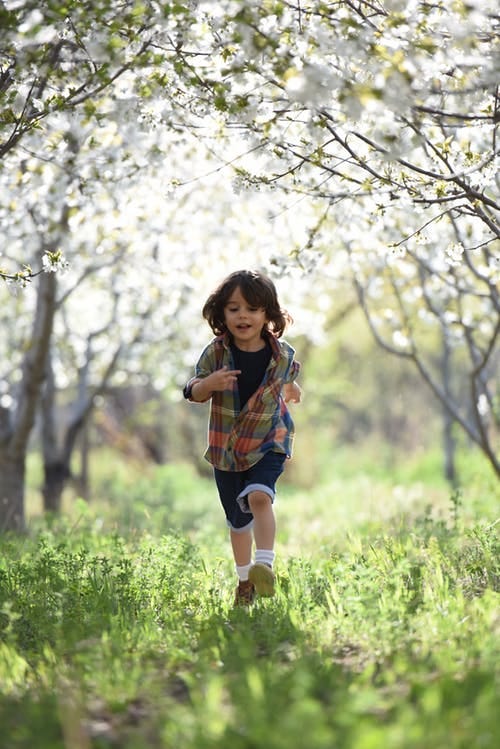

When I was a child, and maybe you can relate to this, my mother would remind us as we bolted out the door as early in the day as possible, to be back inside “before the street lights came on.” We often stayed in the yard after such time where we chased lighnin’ bugs, played last games of tag, and stared up at the sky as it drained of daylight.
Poems such as Firefly Nights, Yesterdays, Caterpillars, and Hoppy Toads in the Summer were birthed out of the memories of this magical outdoor time in my childhood.
We were also a camping, hiking, Girl and Boy-Scouting kind of family as well. My father taught me the “right” way to walk through the woods.
In every walk with nature one receives far more than he seeks. — John Muir.
Did you know there is a right way to walk through the woods? It is done carefully, choosing your steps wisely so as to not snap a twig or crunch on a dry bed of leaves bringing noise that would frighten away wildlife that the silence we carried on our hiking hoped to bring.
You walk with your ears open and your eyes a few paces ahead, because on a beautiful day made for hiking, snakes also enjoy their time in the sun.
The first person in line (there were 5 of us kids and usually most of us lumbered along behind my father like a line of ducklings) was the person to watch for snakes (I loved this job) and the person to catch all the spiderwebs that lazily draped across our sun-dappled paths (I did not love this job).
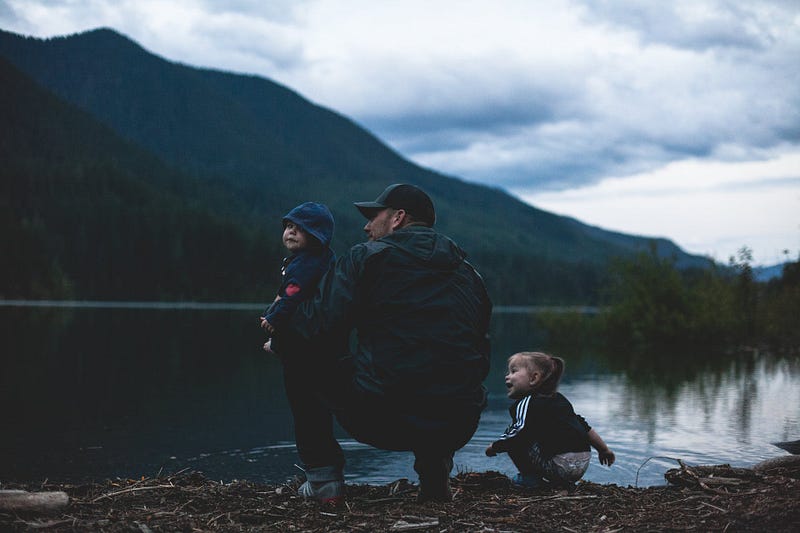
My Scouting days also took me deep into the wood, where I learned to cook baked potatoes in the ground, build the perfect fire (and yes, my fires are perfect — and I am very particular about how I build a campfire), and take a piss in the woods without wetting your feet. (Don’t wipe with three-leaved plants — I never made this error, but just in case you need to know; you’re welcome.)
Poetry has also come to fruition in the shadow of these family memories, and lessons in the outdoors from my Father: Doe Season in Mamma’s Kitchen, In Search of Faeries, and Waltz of the Eve.
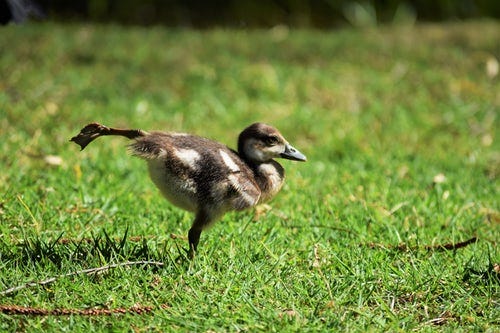
The outdoorsy childhood that I had was indeed magical, for a creative thinker like myself, who could follow a ladybug for hours, wondering where it lived. To this day I can walk out my front door, in a terrible mood or feeling stressed, and burst into a smile and bend right over to inspect a ladybug, or a new patch of moss, or halt at a bird song I don’t recognize.
It deeply saddens me that children run right by these things and pay them no mind. Where do the ants go…don’t they even want to know?
Today my 45-year-old body is wracked with various pains and frustrations and a general sense of being overwhelmed. With the television, the internet, and about 15 different notifications going off, the washer beeping the conclusion of its efforts, the lights, the noise…the noise…

How I long to run through the yard with fat shiny June bugs slapping me in the chest. How I long to just stare up at the starry sky at night and let my mind…just…rest.
We are starving.
I am telling you, as a person who studied environmental science for four years (Magna Cumlaude as a single mom!) — as a 13 year Girl Scout with my Gold award (this is a big deal) and as a person who has hiked more trails during my childhood than most of our children of today will — in their entire life — I am telling you; we are starved.
Man is meant to have community with nature.
We need it:
- Our bodies are suffering — we need the wellness of the activity of being outdoors in fresh air, moving our bodies around and using them in ways that keep us strong.
- Our minds are suffering — we need the quietude that nature has to offer us to clear our heads and de-stress.
- Our spirits are suffering — we need the open spaces to let our insides stretch out, and the astounding wonder of nature to remind us what a special and beautiful thing it is to be human, and to be human on this wondrous planet.
- Our families are suffering — we need our children to experience life away from the bent-necked stares at screens. We need the companionship that outdoor activities gifts us.
- Our personal growth is suffering — we need exploration! Humans are designed to be curious, exploratory creatures who want to see new places, new mountains, new shores.
We shall not cease from exploration, and the end of all our exploring will be to arrive where we started and know the place for the first time. — T. S. Eliot
Consider the following excerpt from the brilliant observations of Australian Philosopher Glenn A. Albrecht, PhD, who is pioneering research on environmental ‘psychoterratic’ or earth related mental health and emotional conditions:
“I am developing a conceptual framework for understanding psychoterratic, or earth related (terra) mental health (psyche) states or conditions. I want to contribute to an expanded understanding of the changing relationship between the states of biophysical and built environments and human mental and physical health. Despite the importance of connections between environmental or ecosystem health and human health (physical and mental) in many cultures, we have very few concepts in English that address environmentally-induced mental distress, or conversely, environmentally enhanced positive mental health. What I am attempting to do now is develop a rich psychoterratic typology that provides a language and conceptual landscape to match the rich range of emotions and feelings people have about nature and place.”
Australian philosopher Glenn A. Albrecht, PhD
Glenn Albrecht Website Psychoterratic and Somaterratic article you MUST read
Other publications tout “Nature-deficit disorder,” and point out the physical, mental, and psychological effects of a lack of connection with nature. The “No Child Left Inside” movement is also underway, to encourage children to put down the electronics and play outside more, although the program isn’t without it’s critics. (Peter Gray Ph.D. article, Psychology Today is one such critical assertion and a very good read.)
How to solve this problem?
Teach your children how to walk in the woods. Follow a ladybug. Read this awesome poem about ducks: On Dappling Pond. Name a cloud. Write a poem about trees: Seed to Earth (Ok, so yes, I cannot separate my poetry from the point of getting your posterior OUTSIDE.)
Live in an urban area? Walk your dog — take a walk — take a drive to a rural area and get some wide open spaces! Find a way to get back to the soil in whatever small ways you can. It. Is. Healing.
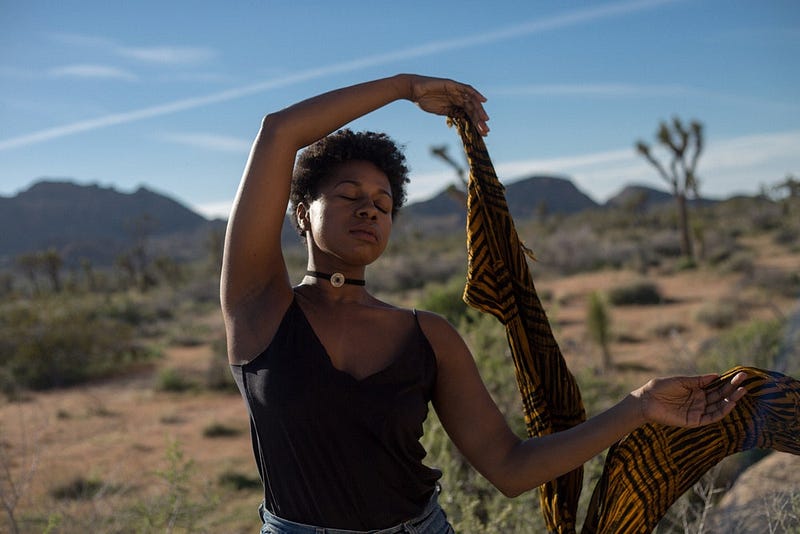
Life is too short (pardon the cliche) to spend it trapped within walls that we have built around ourselves. Make the time to incorporate the outdoor medicine that you know you need. I will continue to write my poetry — and hope that maybe, I can inspire others to do so.
Thank you so much for reading. I know there’s a lot on this subject not included here, but I could go on for days. If you are also passionate about this, will you take a moment to share, follow, leave a comment? You are not alone. I am not alone. And together, we can all do right by this beautiful planet we call home.


