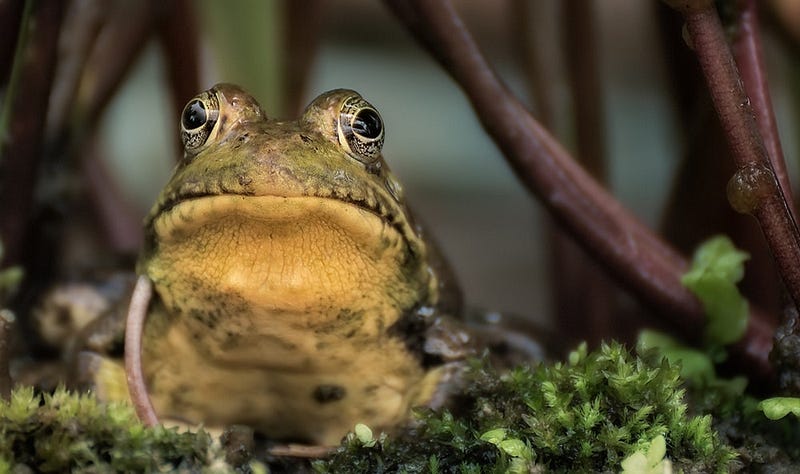
Summary
A child's summer adventure is poetically captured as they search for and collect hoppy toads, emphasizing the joy and excitement of the pursuit and the companionship sought for the captured toads.
Abstract
The poem "Hoppy Toads in the Summer" vividly describes a child's dedicated quest to find and collect toads during a summer day. The child, equipped with a yellow bucket, meticulously searches behind stones and bricks, undeterred by the labor of lifting heavy objects. The journey is filled with discovery, from the unveiling of worms and crickets to the eventual capture of two plump toads. The narrative concludes with a sense of accomplishment and the anticipation of further adventures, as the child contemplates the social nature of toads and seeks a companion for the first captured amphibian.
Opinions
- The author conveys a sense of wonder and appreciation for nature through the child's careful observation and interaction with the environment.
- The child's determination and resilience are highlighted, as they continue their search despite initial setbacks.
- The act of collecting toads is portrayed as a thoughtful endeavor, with the child considering the toads' need for companionship.
- The poem suggests a connection between the child and the natural world, as the child engages in the outdoor activity with purpose and joy.
- The use of vivid imagery and onomatopoeia (e.g., "Hoppy-toads," "Plop!") enhances the reader's sensory experience and engagement with the poem.