
6 Time Management Tips for Stay-at-Home Professionals
Whether it’s navigating ongoing virtual schoolwork while temporarily living with mom or dad or simply maintaining a sense of normalcy while working at home and taking care of your children (all at once), time management is easier said than done.

Sometimes, it’s good enough to just plot your schedule explicitly, taking into account your downtimes and weaknesses, alongside the schedules of the other people around you.
Other times it’s good to be fluid and dynamic about it all. Changing your schedule to meet new and emerging demands is realistic and needs to be taken into account.
During uncertain times like these, maintaining a realistic but simultaneously productive schedule is not easy.
1) Integrating Collaborative and Dynamic Schedules
Regardless of what you’re doing, the best way to chart your weekly activities is to frame a blueprint of what you want to do for the week.
If you have a goal of completing a large assignment because you want to work towards some kind of degree or promotion, you can always break down that larger problem into smaller subsections. Your brain and body will thank you for it. Plus, you can ask for feedback from peers and family if something needs to be changed.
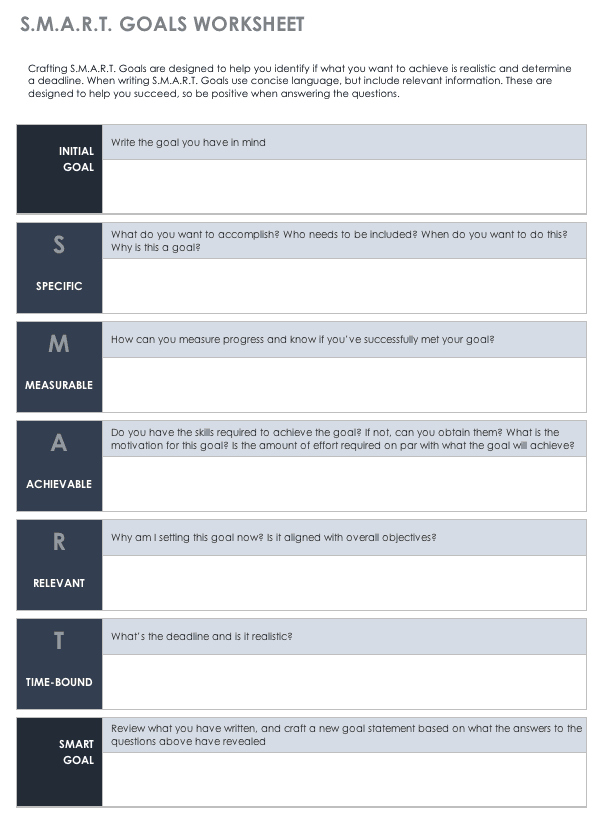
A good way to set up a dynamic goal is through SMART goals management.
- Specific: Is this significant to something I want in life? If so, why do I want to accomplish this? What are the details behind this?
- Measurable: Is this something that I can measure as I go along? Does it cost a lot? Can I track it with a progress report or repository?
- Achievable: Is this something I have done in the past and/or will be attainable? Is this realistic, considering world events or other third-party variables?
- Relevant: Is this something I can realistically do and is tied to something specific in my life? It is worthwhile? Is this the right time to do it?
- Time-Bound: Is this something I can complete in X days, years and/or months? When should I do this? What small piece can I do today to help with the completion of the task?
2) Create a Designated Study Space
You can allocate separate rooms or areas of your house for specific tasks while taking into account the relationships of others who operate across these spaces.
For example, you can establish one specific working desk near your bedroom for homework only, but you can also set up a second camp closer to the kitchen if you’re working on sewing, need to cook a quick meal and can watch your children at the same time.
For more specific tips on how to create a specific study place at home, I would recommend the following links:
- Ameritech College of HealthCare (General ideas)
- CBS Los Angeles (Good for those with families)
- Time 4 Learning (Good for homeschooled children)

3) Consider Digital Productivity Apps
We’re in 2020. This means that there are apps and widgets that you can put on your phone or your computer that can help with productivity. While I won’t list any specific apps, here’s a roster of some that could help:
- Apps that limit screen time
- Mental health self-care apps
- Communication & language apps
- Meditation, mindfulness & calming music apps
- Journal management apps
Google is your friend.
If you’re a project manager and you need to keep track of ongoing deadlines, perhaps you would benefit from a visualized template or infographic that highlights all these different projects, based on intensity, longevity and importance.

4) Set up Your Pace
Remember to take adequate breaks. In between tasks, make sure you have something that is a reward for something you did. For example, if you spent a few hours working on a research report, perhaps you can take a breather and listen to some calming apps, wind down with a nice movie and take a small nap.
The amount of mental energy exerted without a break will cause undue burden onto yourself and in the long-term can impact your ability to make sound judgements. It’s best to take it easy when you’re at home.
If you’re unsure of what kind of positive activity you can do, here’s a website dedicated to some activities that you could theoretically do.

5) Dress to Impress…Yourself
While you’re not going outside and into the office, you can put on a nice outfit that makes you feel good and awesome. It sets up your routine as you’re a good mind frame to get things going. If you wanted to, you can wake up early and set up that daily ritual or even wake up late, just as long as you complete what you need to do for the day.
Just keep in mind that it might help with your self-confidence even.

6. Limit Social Media and Set Personalized Boundaries
It’s okay to take a sneak into your phone if you get a pop-up or a text. Sometimes things happen to our families and we need our connection to the outside world maintained.
Plus, if you’re exhausted and you need a break, perhaps your phone could be your treat. Sometimes, you might need hours at a time to step away from the phone. It’s much easier to enter a productive groove when you’re away from the phone than without.
In some cases, social media is part of one’s job or allows a person with learning needs to complete a task — there’s nothing wrong with casual social media use, just as long as you keep the time moderate.
If you need to, you can also:
- Turn off phone notifications
- Schedule a specific time reserved just for social media or email
- Utilize apps (as mentioned earlier) to limit screen time, such as focus tools or apps that allow you to pre-schedule your Twitter posts, Instagram photos, Tumblr posts, FB messages, etc.
- Remind yourself why you’re doing a specific task
- Integrate your work into your phone
- Move offending/distracting apps into specific folders
Overall, I hope some of these tips might prove to be helpful to my fellow scholars, friends, allies and acquaintances.
For similar articles from the author, please visit:


