
Fostering Psychological Safety at Your Next Meeting
It may take a long time before we can fully grasp the pervasive and long-term impact that world events have had on our interpersonal communication in the workplace. Work meetings, once a mostly in-person exercise, are now done virtually, alongside a plethora amount of other duties, increasing our computer use to an all-time high.

In the meantime, one may wonder if sustained use of virtual meetings can potentially harm our psychological safety. Coined by Dr. Amy Edmondson, psychological safety pertains to a belief system that we will not be humilitated or punished for speaking up with questions, concerns and ideas.
It makes sense to worry about something such as this because in online contexts, we may miss some of the non-verbal social cues associated with an in-person meeting. Plus, while we’re doing these meetings, we’re doing them in a place where there could be a plethora of distractions, including doorbells, screaming children, or even wandering pets.
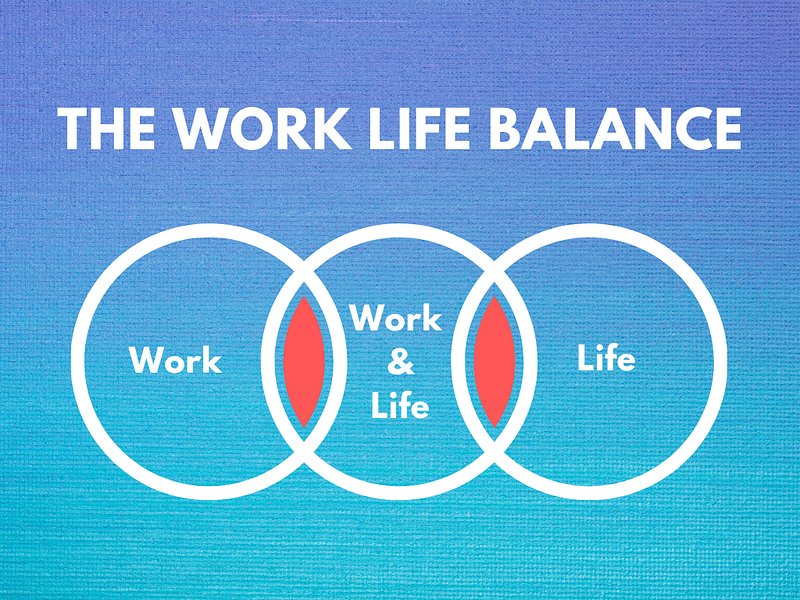
While not everyone is struggling to make ends meet with virtual meetings, they can become difficult for professionals who are used to compartmentalizing their two lives, their professional one and their interpersonal one, as two separate entities. Instead, both lives are forced to operate together under the work-life balance, which might not be shabby, especially if you’re the type who needs that extra emotional support to keep going.
On the upside, we are human, and that means most others will feel the same way as we do. While working away at your latest meeting session, the lack of social cues, such as the absence of toes and legs, can be to your benefit. Instead of worrying about what shoes to wear, you can instead focus that energy on something else, increasing your level of productivity, helping you get closer to your next corporate goal.
Furthermore, other functions become simplified, such as turn-taking and hand-raising. Instead of interrupting others, you can press a button to take your turn. Instead of allowing a disruptive and volatile person repeatedly ruin the status quo, they can be muted. Polls can be done to easily visualize or express an opinion anonymously, while also fostering team building. Interactive charts can be made as well, alongside secondary breakout rooms if needed.
Beyond the scope of these meetings, psychological safety can be enhanced. We don’t have to worry about an employee physically lashing out. Everyone is guarded as they are being recorded, so there is less risk of one or more people being as insensitive or rude as they did in the past. While it seems lonely at times, the pay off we are seeing might foster greater productivity and engagement, which isn’t a bad thing.
For more articles from the author, please visit:


