
Green Spaces: The Buffer Against Cabin Fever
Whether we are working at the office or at home, green spaces are pivotal in staying productive, focussed, creative, and inspired, especially during the Covid-19 pandemic. Green spaces require us to draw elements of nature into our indoor spaces to prevent us from getting cabin fever.
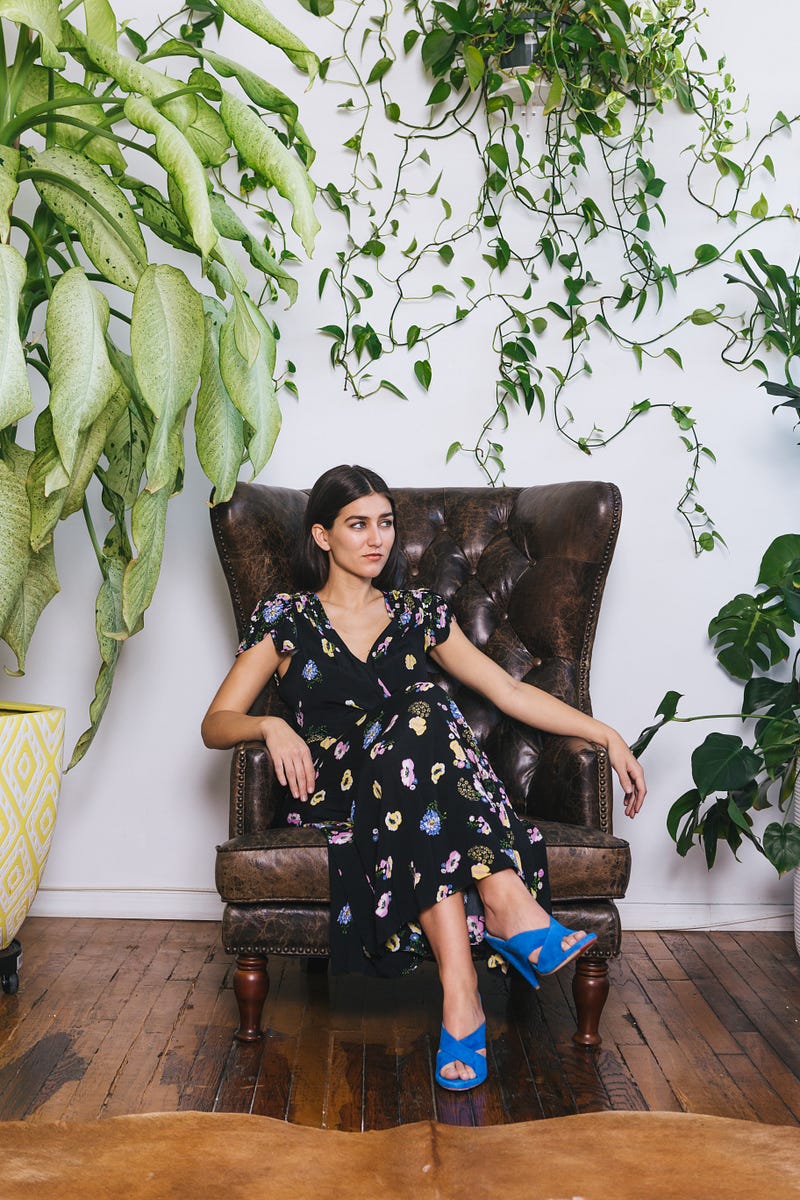
What is Cabin Fever?
According to Healthline, cabin fever can be used to explain a variety of negative emotions, including boredom, distress, lethargy, irritability, and restlessness, especially if you’re finding yourself inside closed or lonely living quarters for a period of time.
As time etches on, these lonely and isolated thoughts are heightened, especially with legal social distancing guidelines and self-quarantining. Despite cabin fever not being a psychological disorder, these are still valid emotions, especially since it is a form of collective societal trauma. This is where green spaces come in.

What are Green Spaces?
We already know that spending time outdoors is healthy for you, such as taking the dog for a walk, going to the beach, or doing your regular morning jog.
However, while in the midst of working hard, we sometimes take the outdoors for granted. If you’re stressed and under paralyzing work deadlines, it makes sense to bring elements of that outdoor space to your indoor space.
According to Time Magazine, the effects of green spaces are quite legitimate and can provide a considerable level of stress relief, fostering physical exercise and some degree of social interaction. Given current times, it might foster a better sense of virtual social interaction instead.
Crafting a high-quality green space can include:
- Ample lighting throughout the room
- A high degree of cleanliness and accessibility (no overcrowding)
- Low-budget and/or low-maintenance plants
- An opportunity to crank open a window, relax, and get fresh air
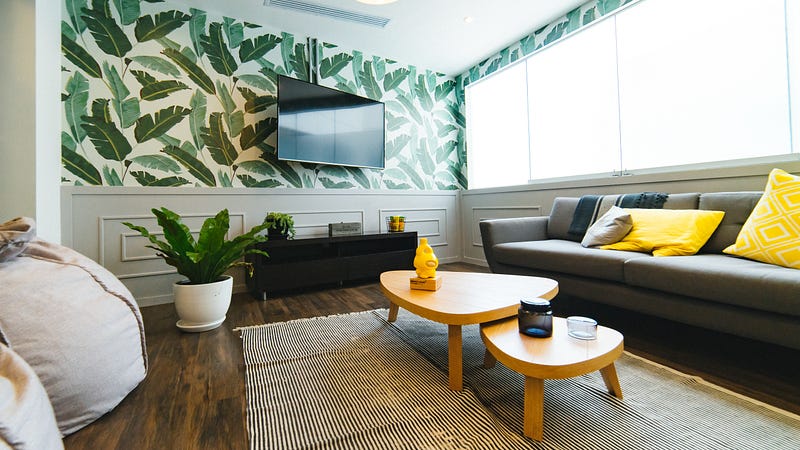
The Benefits of Green Spaces in Workplaces
According to DigThisDesign, PsychCentral, and another article from Time Magazine, green spaces are associated to many things, including stress recovery, as plants physically improve overall air quality, absorbing carbon dioxide, and releasing replenished oxygen into your space
Furthermore, creating green spaces lull a person into a sense of comfort, where plants add moisture into the air, lowering overall temperature, and lowering overall blood pressure.
Plus, plants add a natural aesthetic quality that elicit feelings of awe. Working in a plain sterile room filled with wooden cabinets and tables can stifle creativity. Green spaces foster creativity, and make one seem more welcoming, particularly for guests and family, if any.
I’d like to think that green spaces take us back to an earlier time, a time where we had wonderful childhood memories. Bringing plants into our workplaces, grounds us back to our roots as well.
If you have a love-hate relationship with green spaces, Allure has some great tips on low-maintenance alternatives instead. Plus, Time Magazine identified that even fake plants could produce happy thoughts, as a sort of placebo effect.
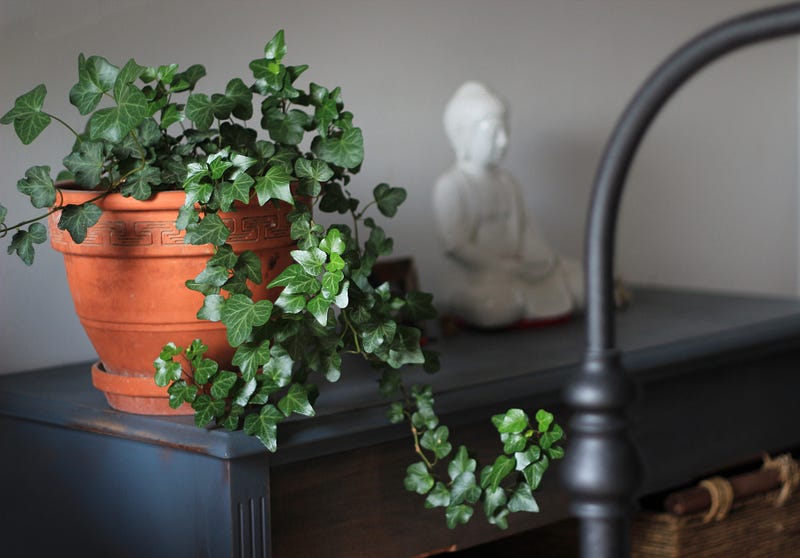
What is Environmental Psychology?
While ambiguously defined, environmental psychology is an interdisciplinary field that encompasses a continuum of topics observe the interplay between human interaction and the environment.
According to the Canadian Psychological Association, environmental psychology:
- Promotes the physical and mental well-being of individuals through time spent outdoors.
- Promotes the utilization indoor green spaces.
- Seeks to understand how and why the environment can influence how we behave.
- Observes the ecological consequences of human actions.
- Helps us sustain a more hospitable lifestyle, incorporating elements of nature within it.
- Allows us to explore which environmental conditions are best suited to ourselves and others.
- Leverages our knowledge of environmental science.
- Helps us optimize the strategic designs of neighbourhoods, parks, and other buildings, like schools.
- Examines the psychological risks of environmental events.
What I like about this emerging field is that it is generating serious traction, especially as people look for new solutions to combat distress against Covid-19, such as through the use of green spaces.

Final Thoughts
Overall, green spaces reduce stress, make you happier, oxygenate your space more thoroughly, promote productivity, look visually pleasing, regulate temperature, are comforting and make oneself look more welcoming. I think all these ideas are not too shabby, given the push for environmental psychologists to optimize solutions towards societal problems, like cabin fever. Regardless of what you end up doing, green space is a great push towards promoting a healthier lifestyle.


