
Altitude, Ancient, Agriculture, and Art in the Andes
In the path of the Incas in the Sacred Valley of Peru
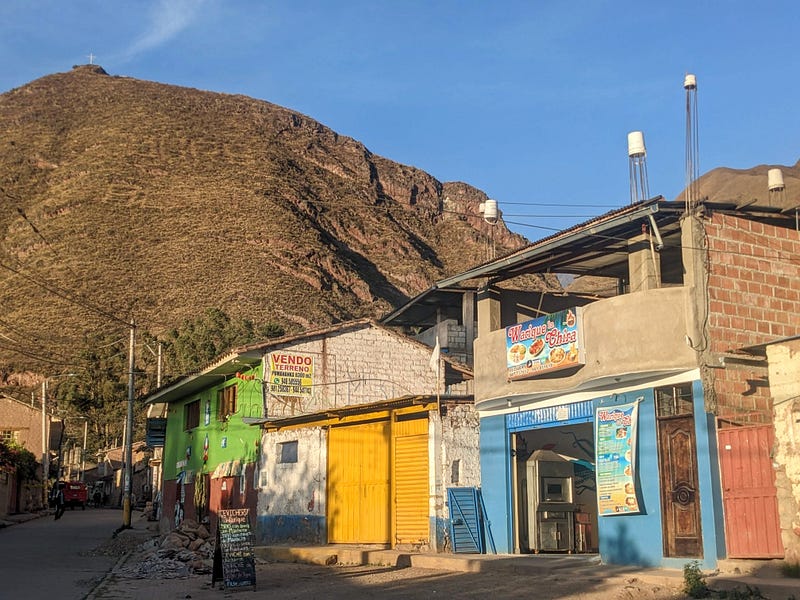
A is for Altitude
You can stay along the coast of Peru, visiting pre-Inca sites along the Pacific or feasting on dishes adorned with flowers in Lima, but of course, you move east. Machu Picchu beckons. And once you do, you immediately hit altitude.
The Andes Mountains are second in height only to the Himalayas, and once you hit the road, snowy peaks reaching 20,000 feet peek from behind clouds.
You don’t know how your body will respond, as the most accomplished marathoner might suffer more than the middle-aged smoker: This is the mysterious randomness of altitude sickness. While you expect constant shortness of breath, instead you experience insomnia, a headache around the temples, and fatigue.
A is for Agriculture
Everywhere, Inca ruins slumber in the hills and valleys of the Cusco region. As you drive to this ancient city, the slopes of the Andes are striped with 700-year-old terraces where the Incas cultivated dozens of kinds of corn and hundreds of types of potatoes.
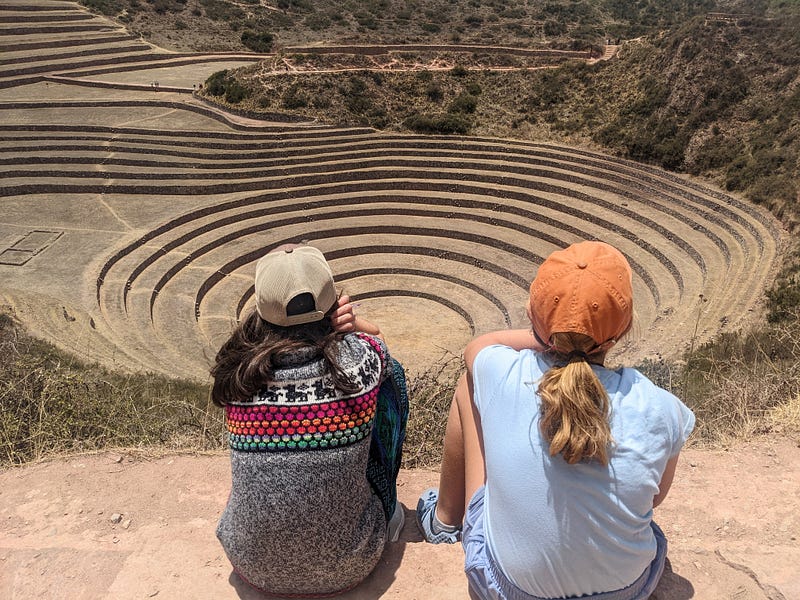
At Moray, you gaze into circular Inca terraces, graceful, lovely, and exceedingly functional. Here, the Incas nurtured baby coca plants in the center circle where the temperature was highest. As the coca — typically a tropical plant from further east near the Amazon — adjusted to the inner circle, they were replanted higher up on the terraces, making room for new babies.
The Incas — and modern-day Peruvians — chewed coca and drank coca tea to help with altitude sickness, fever, headaches, and stomach pains.
A is for Ancient
You arrive at the outskirts of Cusco, the ancient Inca capital. From here, the Inca kings ruled an empire of nearly 13 million people, one that stretched from southern Colombia through two-thirds of modern-day Chile and included sections of Ecuador, Bolivia, and Argentina.
The Inca’s engineering skills were phenomenal: Even the Spanish conquistadors remarked that Cusco had stronger, lovelier construction than any Spanish town in the 14th century. The Incas built 25,000 miles of roads connecting their empire: All roads led to Cusco.
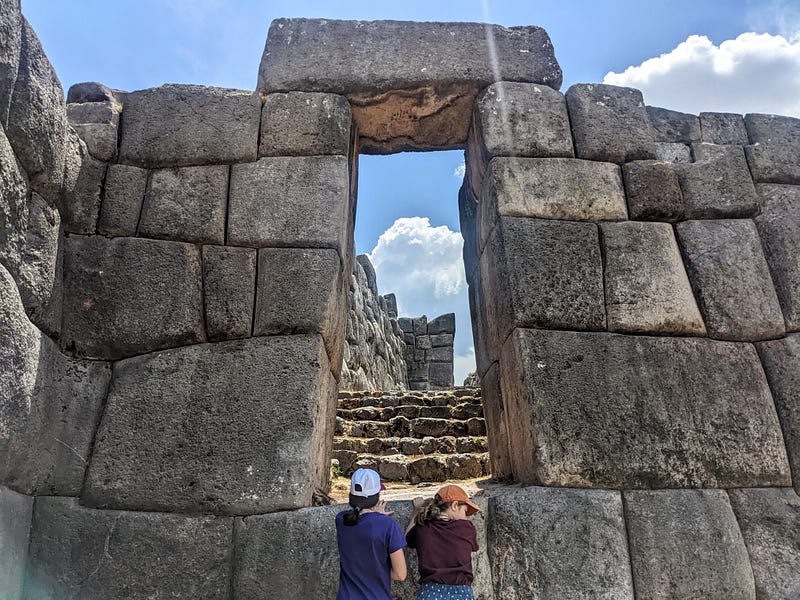
Dominating the hill above Cusco, at the fortress of Sacsayhuaman, two travelers gaze through the Sun Gate through which the sun shone on the solstice. At this site a few decades after conquistador Francisco Pizzaro arrived, Inca king Manco Inca attacked fewer than 100 Spanish soldiers with about 100,000 warriors, attempting to take back his kingdom.
But stone weapons and tightly-woven cotton helmets could not repel armored men on armored horses (intimidating animals that the Inca had never before seen) carrying steel swords and twelve-foot-long lances.
A is for Art
While you’ve heard about Machu Picchu, of course, and the Sacred Valley, you still find surprises in streets and alleys all over Peru. Art. It’s everywhere.
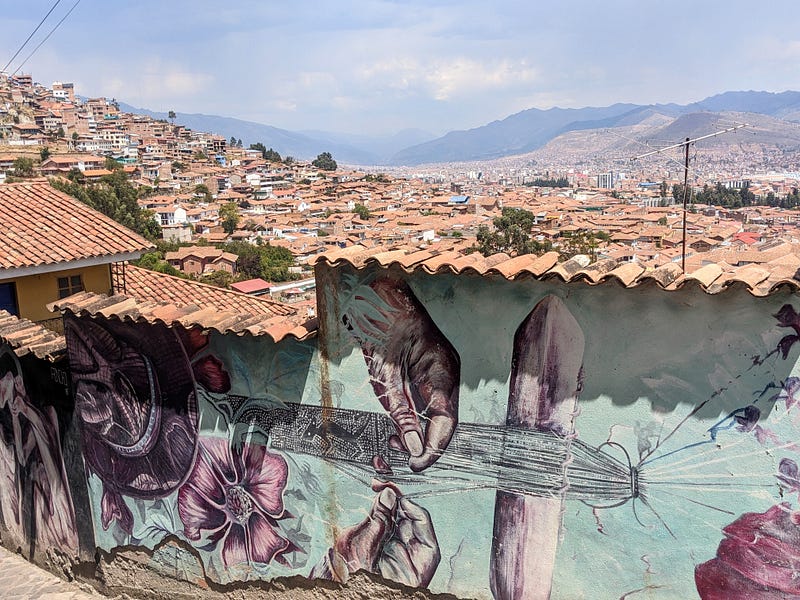
You wander the curving lanes of Cusco and happen upon graceful paintings of hummingbirds, Quechua women weaving, and girls smiling. Even your food is touched with an artistic flare: Your salads are decorated with edible flowers and slivers of green beans, bright carrots, and purple cabbage.
Now you understand why Peru has some of the world’s best restaurants (two of this year’s top 20 are in Lima) and is often named one of the best foodie cities. The beauty itself helps the food taste divine.
As you crawl into bed to the sound of Andean music in the streets, you remember something else beginning with an A, famous in this part of the world: the native Alpaca. You hope to snap a photo of those sweet faces tomorrow.
Stephanie Tolk is currently traveling and worldschooling with her children. If you’re curious about extended travel with your family, check out her course: Worldschooling: A Comprehensive Guide to Long-Term Travel.
You might also enjoy:


