All Digital People Are Paranoid
Our media environments make us who we are
A media environment is the behavior, landscape, metaphors, and values that are engendered by a particular medium. The invention of text encouraged written history, contracts, the Bible, and monotheism. The clock tower in medieval Europe supported the hourly wages and time-is-money ethos of the Industrial Age. It’s another way that our prevailing technologies serve as role models for human attitudes and behaviors.
Particular media environments promote particular sorts of societies. The invention of the printing press changed our relationship to text and ideas by creating a sense of uniformity while encouraging generic production and wide distribution. The television environment aided corporations in their effort to make America into a consumer culture by helping people visualize the role of new products in their lives. Likewise, the internet platforms most of us use are not merely products but entire environments inhabited by millions of people, businesses, and bots. They constitute a new public square, Main Street, and fourth estate. By coming to recognize the embedded biases, or “affordances,” of today’s digital media technologies, we enable ourselves to leverage their benefits, and compensate for their deficits, rather than unconsciously conforming to their influences.
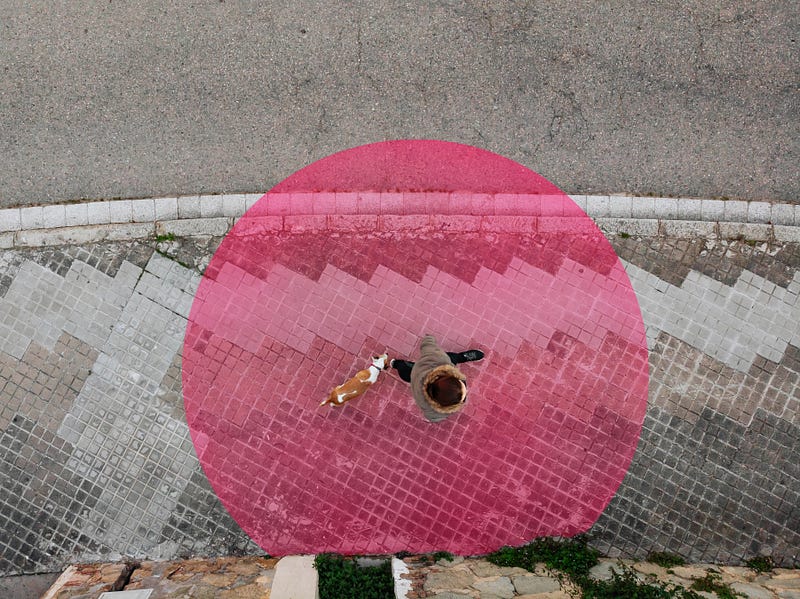
For example, the smartphone is more than just that device in our pocket. Along with all the other smartphones, it creates an environment: a world where anyone can reach us at any time, where people walk down public sidewalks in private bubbles, and where our movements are tracked by GPS and stored in marketing and government databases for future analysis. These environmental factors, in turn, promote particular states of mind, such as paranoia about being tracked, a constant state of distraction, and fear of missing out.
The digital media environment also impacts us collectively, as an economy, a society, and even as a planet. The breathtaking pace at which a digital company can reach “scale” has changed investors’ expectations of what a stock’s chart should look like as well as how a CEO should surrender the long-term health of a company to the short-term growth of shares. The internet’s emphasis on metrics and quantity over depth and quality has engendered a society that values celebrity, sensationalism, and numeric measures of success. The digital media environment expresses itself in the physical environment as well; the production, use, and disposal of digital technologies depletes scarce resources, expends massive amounts of energy, and pollutes vast regions of the planet.
Before we surrender to the notion that we live in a world entirely determined by our media, we must remember that the influence goes both ways: Each of these media was itself the product of the society that invented it. The invention of writing may have made slavery easier to manage at scale. But writing may have itself arisen out of the preexisting need that tyrants of the period had to manage their hordes of slaves. We humans are partners with our media, both in their invention and in the ways we choose to respond to their influence.
Knowing the particular impacts of a media environment on our behaviors doesn’t excuse our complicity, but it helps us understand what we’re up against — which way things are tilted. This enables us to combat their effects as well as the darker aspects of our own nature that they provoke.
This is section 39 of the new book Team Human by Douglas Rushkoff, which is being serialized weekly on Medium. Read the previous section here and the following section here.