
AI-Generated ‘Candids’: A Threat to Paparazzi?
Fake images of celebrities are becoming harder to distinguish from reality. What will this mean for the industry?
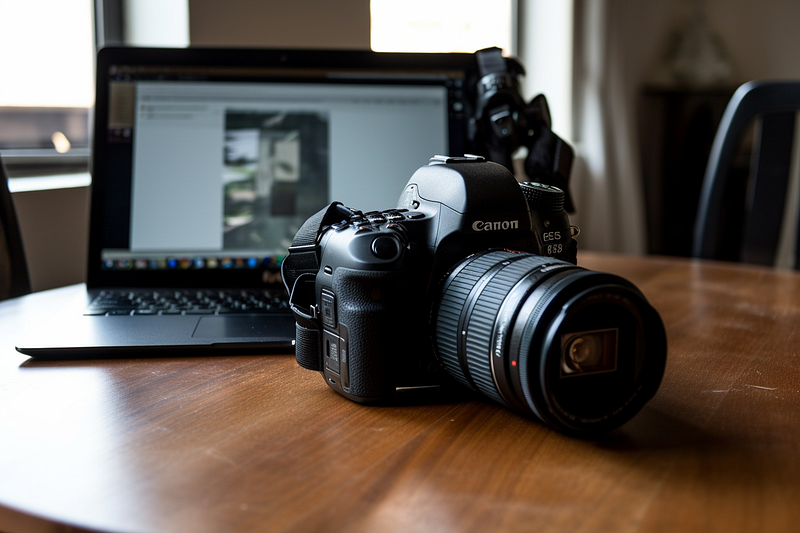
Whatever your opinion of paparazzi is, you probably like glancing at images of celebrities in the wild (like this one of Raquel Leviss of Vanderpump Rules looking like a teenager waiting for an adult to buy them liquor.)
It’s often lucrative for the photographers — who can fetch up to $6 million for a single photo (and can also benefit celebrities, who sometimes arrange these photos for publicity.)
Now, you’ve probably also at least heard about AI image platforms and how advanced they are getting. If you didn’t know, you can ask them to recreate a celebrity's likeness in any setting imaginable.
I’ve previously written about how photography as a craft may be immune to AI competition. It takes a very convincing AI output to fool the trained eye of a photo editor at a newspaper/magazine that would consider running paparazzi shots.
However, since you can sell photos of A-list celebs for a good amount of money, I predict a lot of people will attempt to cash in using the power of AI. News outlets may find they’ve been duped, and the celebrity may have to answer why they were at a certain place (or with a certain person) when they weren’t.
Midjourney recently released its v5 model, and Mage.Space has also released new models, which are quite convincing in terms of human realism – and will only get better. So I thought I’d put it to the test to simulate how artificially generated celebrities would appear using this technology.
Disclaimer: none of these images of celebrities are real. They are entirely AI-generated using a text-based prompt in Midjourney v5.
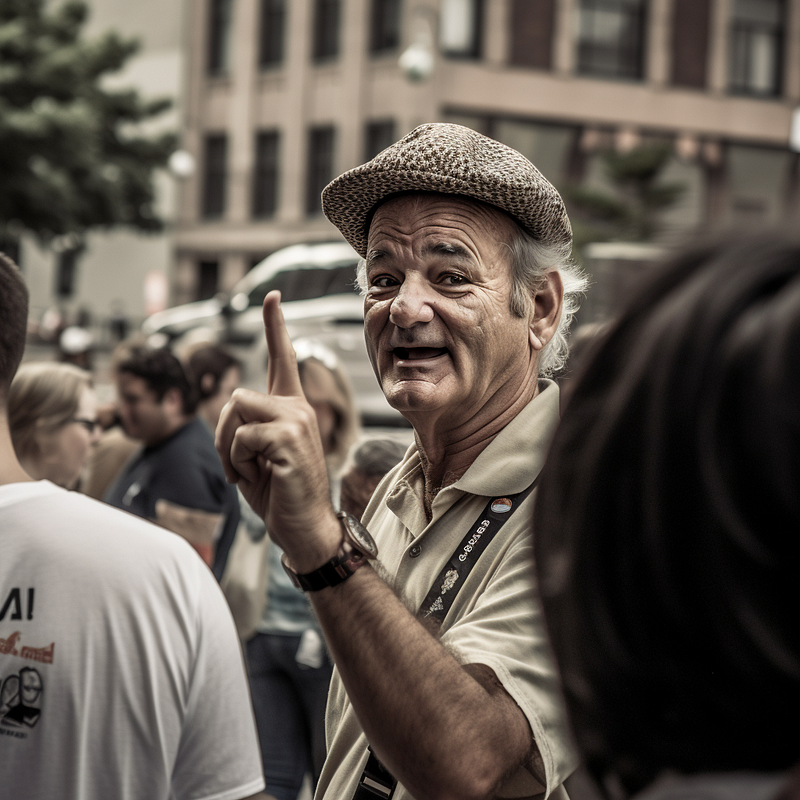
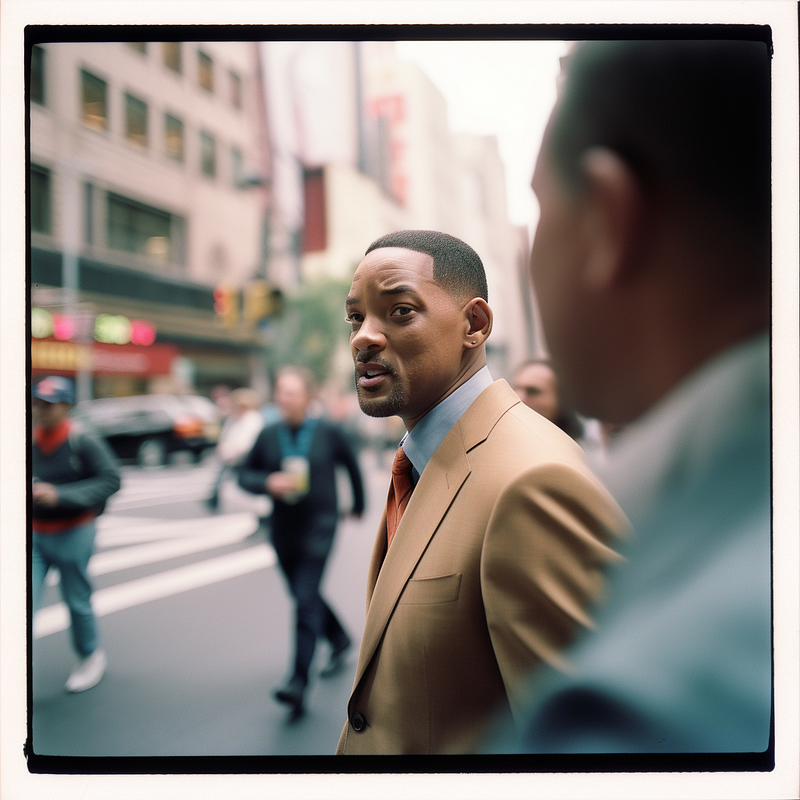
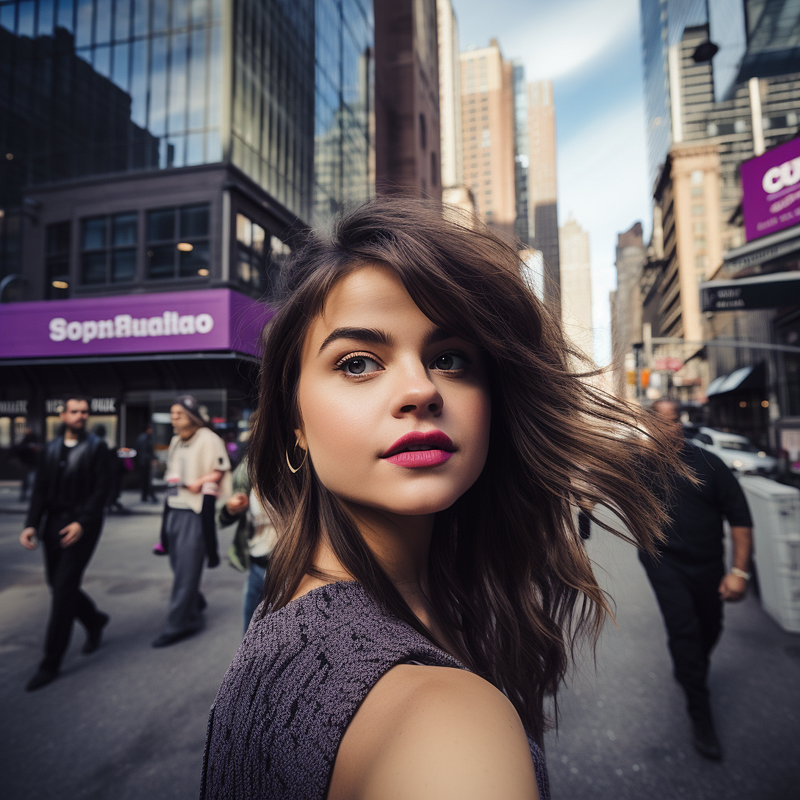
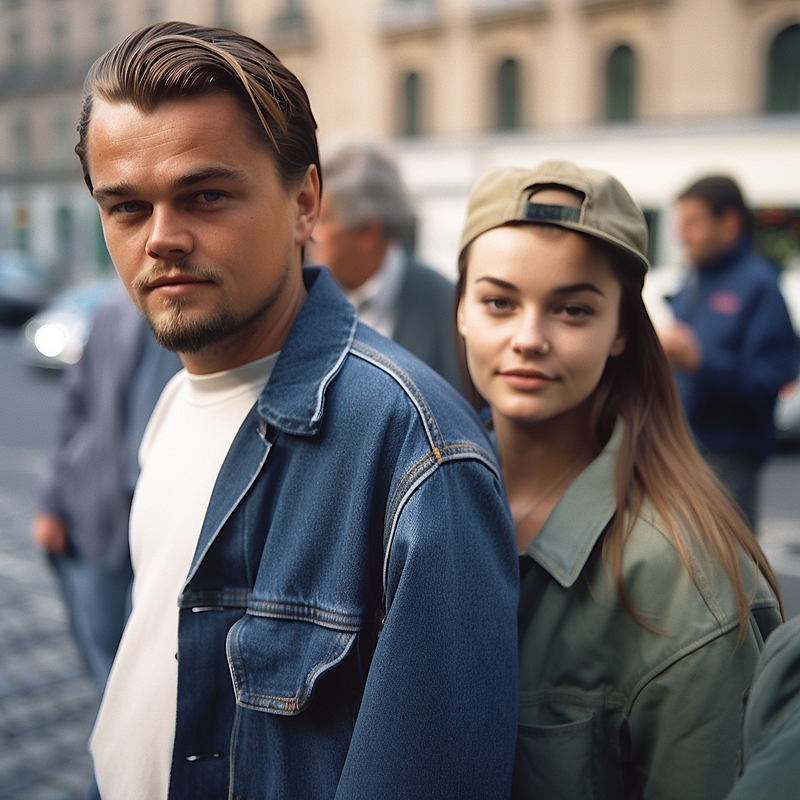
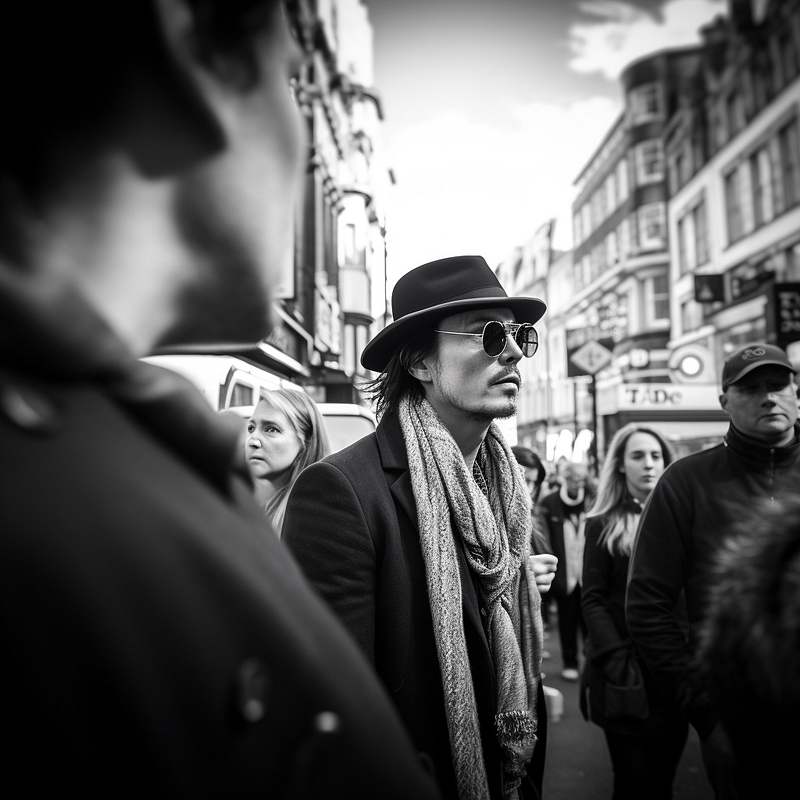
Faking celebrities using AI is not new. But as you can see, it’s probably easy for someone (including an editor) to be fooled by one of these more recent, more convincing images. There is also the possibility of pairing random celebrities together in images to create buzz or controversy, which editors will likely pay more for. (I will never try to pass off an AI-generated image of anyone as real, or try to sell one. But I can’t speak for others.)
We are in an age where deepfakes are getting more difficult to spot, both in still photos and videos. AI is moving faster than anyone could have predicted, and we must be extra diligent about what we see online — both regarding celebrities and everyday people like me and you.


