
The Growing Art Movement of ‘Promptism’
…and why traditional artists should embrace the AI creation movement
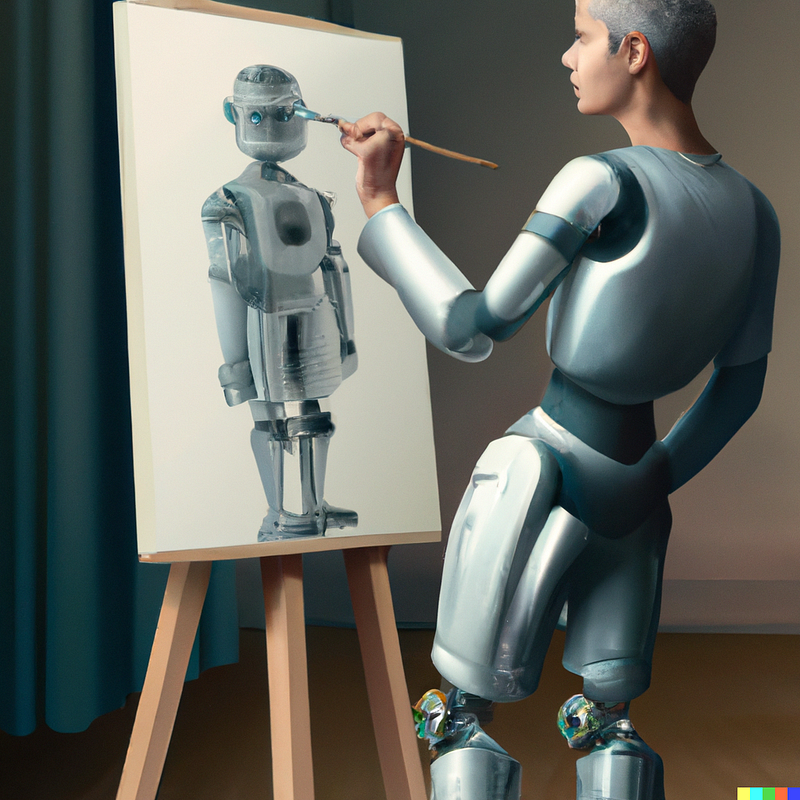
There is much speculation whether AI image generators such as DALL·E and Midjourney are actually creating art. If you aren’t yet familiar with these platforms, basically they turn your text descriptions of a scene into an image. My jaw has not stopped dropping since I started experimenting with the relatively new technology recently.
As someone who went to art school and has struggled to sell art in a saturated market, I can understand the skepticism about AI from professional artists. They’re the real artists, not people who type a few words and have pictures magically appear. Right?
Well, maybe. I have high respect for anyone who has pursued their passion of art, and is making a living from it. I sell the odd creation here and there, but if I were to rely on my visual art completely for income, I would have starved years ago.
I think I have some have very creative ideas, but execution is another story. AI helps to bridge the divide. Even as someone who has created and sold original art, I sometimes lack the patience and skill to bring a work to fruition the way I’m satisfied with. AI imaging can take an original concept and create something that would’ve taken me days or weeks to complete.
And that’s where the art of prompting comes into the picture — no pun intended.
Promptism is a growing art movement
It turns out someone has already coined the term “promptism.” It addresses the gap between traditional art and machine learning. “Promptism is a movement that strives to explore the boundaries and limits of art,” reads an artist manifesto on Promptism. “It also seeks to topple the argument that art can only be described by a group of elite art-experts.”
Instead of admiring the skilled brush of an artist, Promptism is more about exploration. While the images you create using AI image platforms are not “yours” per se, the prompt is. The art of Promptism is feeding original thoughts into the machine, as well as fine-tuning the text to create the best results.
Case in point: some of my AI images took 30+ tries to match closely to my end goal. I had a clear picture of what I wanted in my head, but it’s a matter of articulating that in a way that’s friendly to the machine.
I am trained as a writer, and that definitely comes in handy when using AI imaging. However, there is much to learn about prompting, and I see it almost as an art in itself. There are many terms you can input that will completely change the results, such as “unreal engine” (assumedly based on the Unreal Engine platform), as well as “digital art.” I’ve also learned you can mimic the style of famous artists just by adding “in the style of,” and the results are astonishing. Check out this article I did about famous masterpieces re-imagined by AI as an example.
To the avid viewer, AI-generated art may look somewhat artificial. However, viewers in a gallery are often not considering the amount of work that goes into a piece — only the final results. In that way, one can produce pleasing works of AI art that take little effort (aside from your skill of prompting.)
I understand that a lot of artists across genres have their back up about DALL·E and other similar tools. It is invading every discipline, from music to writing. Heck, I am a bit worried that AI writers — while not the greatest so far in my experience — will eventually put writers like me out of work.
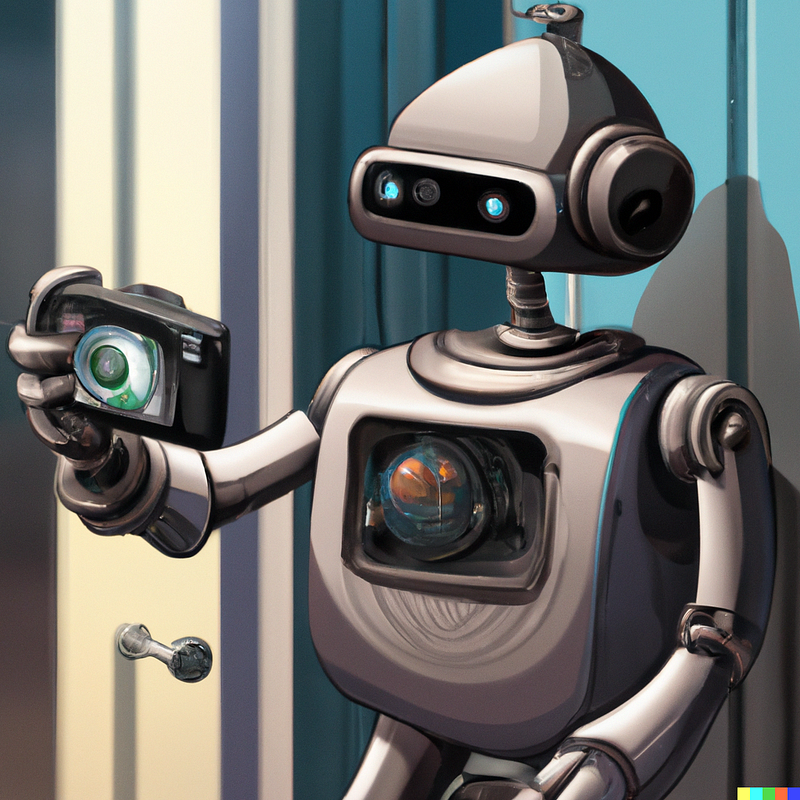
Traditional artists: don’t panic
Promptism may be scary for artists, many who are already living on a modest income, to suddenly have to compete with an artificial creator for viewership. However, it’s not effective for traditional artists to complain that AI is not art, or that it won’t make their lives easier. They may be right in both instances, but these AI labs are not going to shut down tomorrow to spare them. That’s not how progress and capitalism work.
There’s no stopping this technology at this point. Like any technology, you have to embrace it and learn to use it if you want to benefit from it.
Keep in mind that there will always be some form of human input in content creation. In the case of AI images, the machine needs to be fed millions of images to understand concepts. (DALL·E was apparently trained with 650 million images to help form associations.)
The results from these platforms are not merely pieces of others’ art stitched together to make a new one. They use a “neural network” to create something new based on what it has learned. In that way, each creation is “original.” It’s continuously exciting to me to see how these robot artists will interpret my text prompt.
While I’m “directing” them, they still have a degree of freedom, just like real artists handed a creative brief. This is actually a reason why trained human artists will always be needed: the program doesn’t always get it right. Clients often have specific requests that may not be attainable by AI.
You can tweak the artificial creations using Photoshop or any other editing program, but again, that takes skill. Only you — the human — knows exactly what you want to achieve as a finished product.
Perhaps one day you will walk into a gallery of artificially-generated art. But there will still be names of people attached to them, as individuals or collectives.
The truth is that an artificial visual artist, musician, or writer does not have real-life experience. They cannot recreate your perceptions, but only imagine them. They cannot add elements of life that haven’t been taught to them. This is how a human creator develops a unique style with a unique voice.
Human artists will always exist, but perhaps one day will walk hand-in-hand with AI. They don’t need to be opposing forces — they can rely on each other in the future.
I have already started an Instagram account for my digital creations if you want to check out my work. I have also used AI to create feature art for my Medium articles — like this one, for example.


