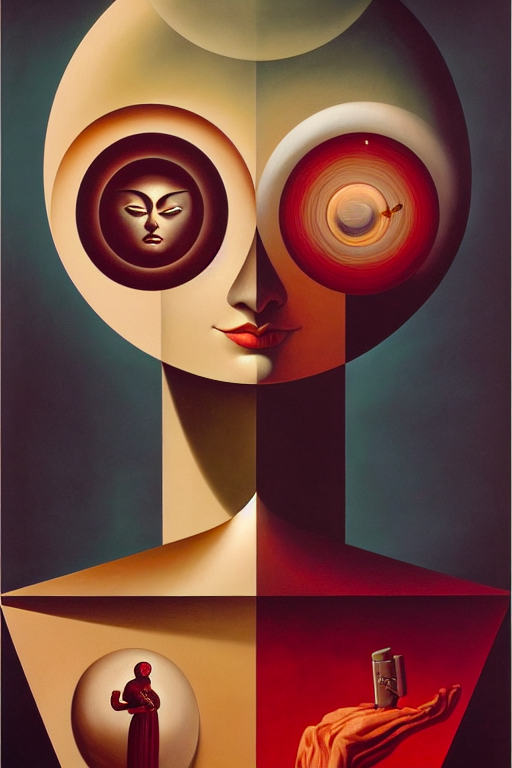
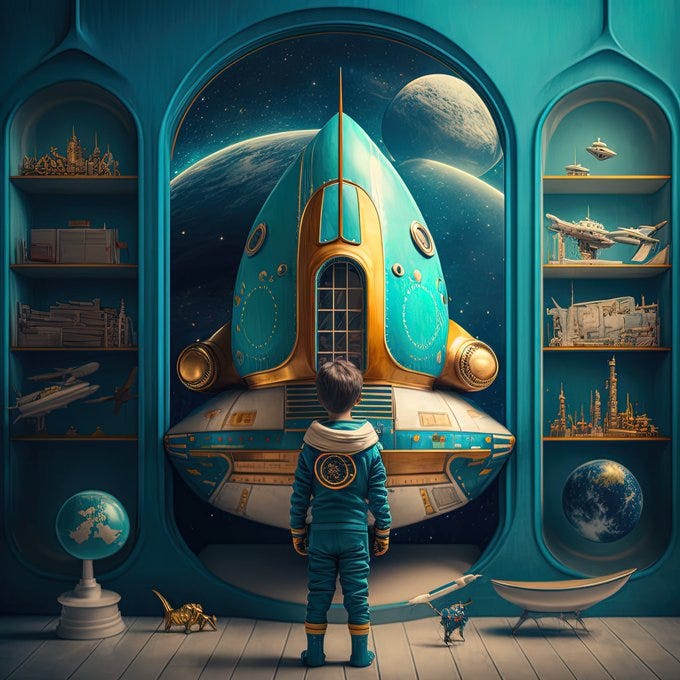
, and a white line on a black background — for some, these are iconic masterpieces, for others this is crap. Why? Because some can project meaning onto these works since they have learned to interpret conceptual art or minimalism: they can empathize with the motivations of specific artists and are able to create abstractions that reconcile the artwork and their own worldview. On the other hand, others don’t care at all about so-called works of art, where the idea behind the work is more important than the finished product. And that’s okay because they have different opinions about toilets and duct tape in museums and about “whatever this white snakey thing wants to be”.</p><p id="9bde">Now, what about these:</p><figure id="0f4c"><img src="https://cdn-images-1.readmedium.com/v2/resize:fit:800/0*u3wrugypluVW3l1m"><figcaption></figcaption></figure><figure id="5272"><img src="https://cdn-images-1.readmedium.com/v2/resize:fit:800/0*BU6t3Fy9IOoHSXtD"><figcaption></figcaption></figure><figure id="6725"><img src="https://cdn-images-1.readmedium.com/v2/resize:fit:800/0*pN5fm9hBgMEGotpx"><figcaption>From left to right: Research by <a href="https://twitter.com/ArtiPainter">https://twitter.com/ArtiPainter</a>, untitled by <a href="https://twitter.com/ErotemeArt">https://twitter.com/ErotemeArt</a> and Eye4Eye by <a href="https://twitter.com/tristwolff">https://twitter.com/tristwolff</a></figcaption></figure><p id="9fbb">You guessed it, it’s AI Art. I can almost hear the clicks with which some browser tabs are now being closed with disgust. Being a pretty new form of art, it’s not surprising that some people react to AI Art with the same disapproval that an artistically staged banana would deserve: “That’s not art, that’s just AI crap!” Although the argument that often follows is different from the rejection of elongated berries as artistic devices (google it, botanically bananas are berries! 🤯 ).</p><p id="893d">Back to the anti-AI argument then, it goes like this:</p><p id="17cb"><i>Art created by machines has no “human touch”.</i></p><p id="e47a">Or to make even clearer what a paradoxical point this is:</p><p id="0452"><i>Since AI art is created by machines and not by humans, it, therefore, does not reflect our creative thought process and does not contain “human feelings” or “human essence”.</i></p><p id="678d">Right, as if any work of art could! The “emotions” and “human touches” that people feel or do not feel when perceiving art do not come from the artworks themselves, nor from an artist who miraculously transcends time and space and transfers “emotions” and “human touches” to his audience through the artwork (as the esoterically inclined art consumer might like to claim).</p><p id="1520">Rather, the “emotions” and “human touch” you feel when you look at a work of art, listen to music, or watch a theatre play come from the only device in the solar system that we know is capable of producing such things: your brain. You empathize, abstract, and thus project meanings (understanding, distrust, love, fear, or loathing) onto the artwork, not the other way around! And in projecting meanings, you unconsciously
Options
use the cognitive sediments of a lifetime, all your emotional attachments, your trained behaviors, and your acquired patterns of thought and judgment — and it is this gigantic cognitive cluster of aesthetic taste and worldly experience that makes us “feel” art or not, that makes us stand in front of a toilet in an art gallery and scream “that’s stunning!”, “that makes no sense!”, or “offensive!”.</p><p id="aee2">So, let’s look at them again:</p><figure id="f908"><img src="https://cdn-images-1.readmedium.com/v2/resize:fit:800/0*g-pDlCAid8uqQsW7"><figcaption></figcaption></figure><figure id="7da1"><img src="https://cdn-images-1.readmedium.com/v2/resize:fit:800/0*vS2k9ZZ4LwhL5y4Z"><figcaption></figcaption></figure><figure id="f272"><img src="https://cdn-images-1.readmedium.com/v2/resize:fit:800/0*B5o1xaMorIBZejWI"><figcaption>Today’s Adventures by <a href="https://twitter.com/WorldNfts">https://twitter.com/WorldNfts</a> , False Idols by <a href="https://twitter.com/bl_artcult,">https://twitter.com/bl_artcult,</a> untitled by <a href="https://twitter.com/darkestdollx/">https://twitter.com/darkestdollx/</a></figcaption></figure><p id="f97b">You see? <a href="https://readmedium.com/ai-revolutionizing-human-culture-21c69ac4049a">Technology has advanced</a> to the point where AI art has the same potential to evoke emotions and thoughts as art created by humans. Yet there are those who are so upset about the process of creating art with AI tools (“It’s made by computer algorithms, it’s not human!”) that they want to deny it the label “art” altogether because it lacks the “human touch.”</p><h2 id="fc1f">Conclusion</h2><p id="477b">EVERY work of art is in itself a worthless piece of crap. Only when a human mind, which is in constant social interaction with other people, the world, and itself, begins to project its experiences onto it, only then does art take on meaning. It’s just that: a game of meaning.</p><p id="65a8">Undoubtedly, AI has its pros and cons, and it is clear that <a href="https://readmedium.com/ai-is-killing-art-and-its-a-good-thing-4bd18cdfaee1">the debate about its social, legal, and artistic implications will continue </a>— and very likely continue to heat up tempers. But as this debate continues, AI artists will <a href="https://readmedium.com/from-storyboards-to-concept-art-using-midjourney-ai-art-to-unlock-the-potential-of-your-87ae4cd14f7d">unlock new artistic possibilities</a> and continue to push the boundaries of what we are willing to consider “art”, ultimately challenging us to rethink the concept of art, the myth of genius, and creativity itself. And that’s when AI Art literally becomes a game-changer.</p><p id="937d">Take a look at these artists who kindly shared their work:</p><p id="2206"><a href="https://twitter.com/ArtiPainter">Artificial Painter</a> || <a href="https://twitter.com/bl_artcult">Black Label Art Cult</a> || <a href="https://twitter.com/darkestdollx/">Darkest Doll</a> || <a href="https://twitter.com/ErotemeArt">Eroteme Art</a> || <a href="https://twitter.com/tristwolff">Tristan Wolff</a> || <a href="https://twitter.com/WorldNfts">Worldian</a></p></article></body>
AI Art is crap, isn’t it?
Let’s cut to the chase: art in itself is worthless. I am sorry, but it is.
It’s only when art is perceived by the human brain that a bunch of colors and brushstrokes becomes something onto which meaning can be projected. The essential ingredients for that projection are empathy and the ability to think abstractly. Through empathy, we can seek to understand the experiences of others, and with the capacity for abstraction, we can transform the concrete into something else — into something that expresses our own unique vision. The two together allow us to project meaning onto works of art. And when the result of that projection is flawed, you hear people say, “That’s not art, that’s just crap!”
Try for yourself:
Imagine gazing upon a Jackson Pollock painting. To some, it is a unique masterpiece and to others, it looks like a child had a very bad accident.
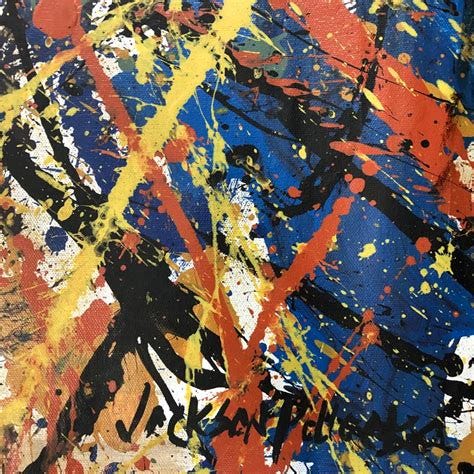
This is not just about paintings. It’s about any form of art that humans produce. Listen to this piece of Arabic maqam music from 1955. For some, it’s the timeless mastery of a complex musical system that maps emotional developments; for others, it sounds like someone tuning an instrument.
Or look at these:
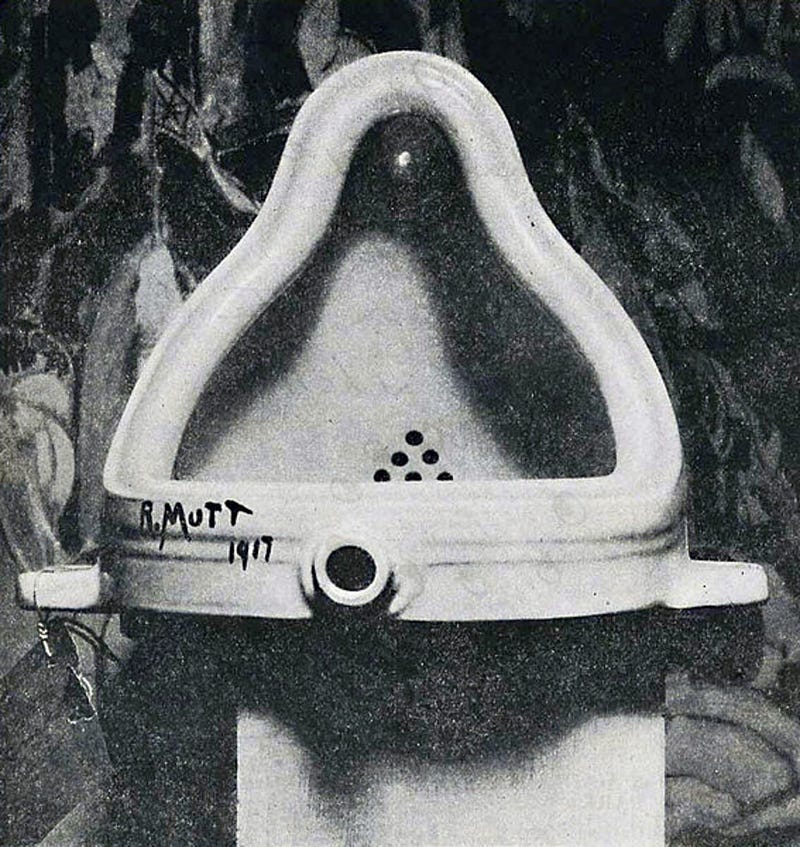
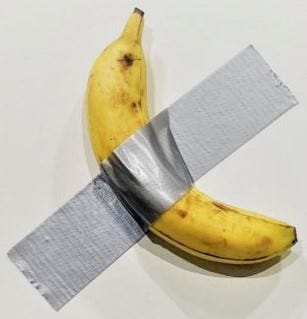
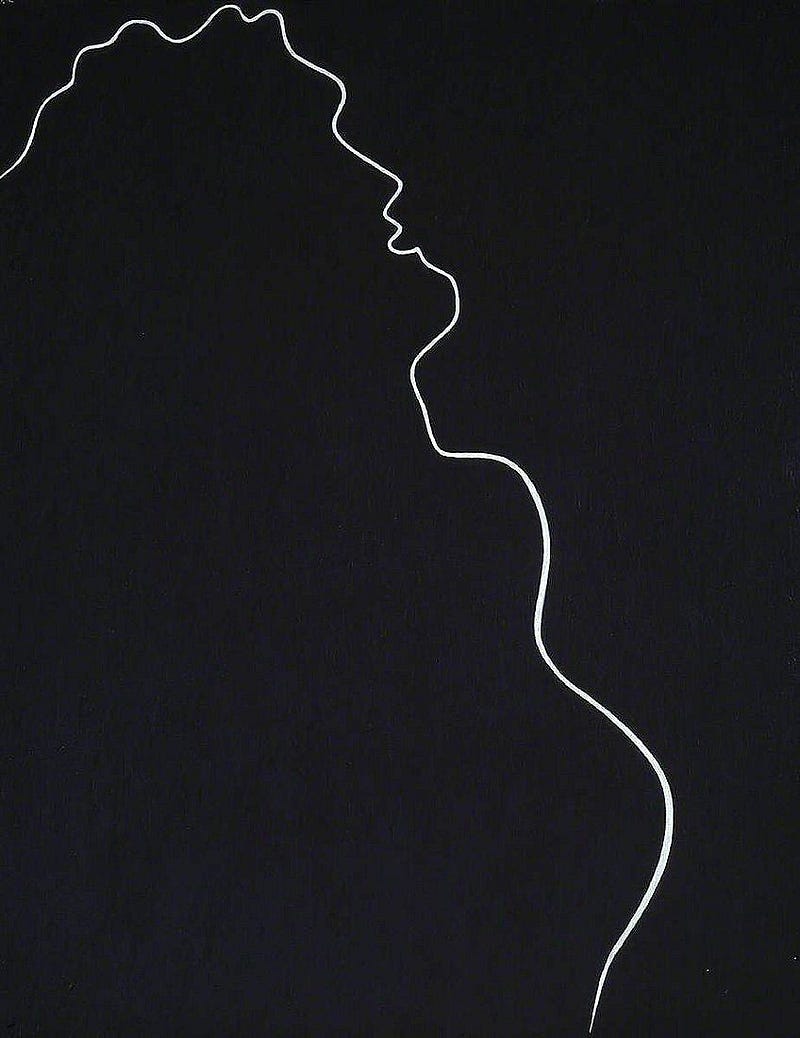
From left to right: Fountain by Marcel Duchamps, Comedian by Maurizio Cattelan,The Gathering Anguish Strikes Beneath by John Francis Murphy
Bravo! A toilet, a banana stuck to the wall, and a white line on a black background — for some, these are iconic masterpieces, for others this is crap. Why? Because some can project meaning onto these works since they have learned to interpret conceptual art or minimalism: they can empathize with the motivations of specific artists and are able to create abstractions that reconcile the artwork and their own worldview. On the other hand, others don’t care at all about so-called works of art, where the idea behind the work is more important than the finished product. And that’s okay because they have different opinions about toilets and duct tape in museums and about “whatever this white snakey thing wants to be”.
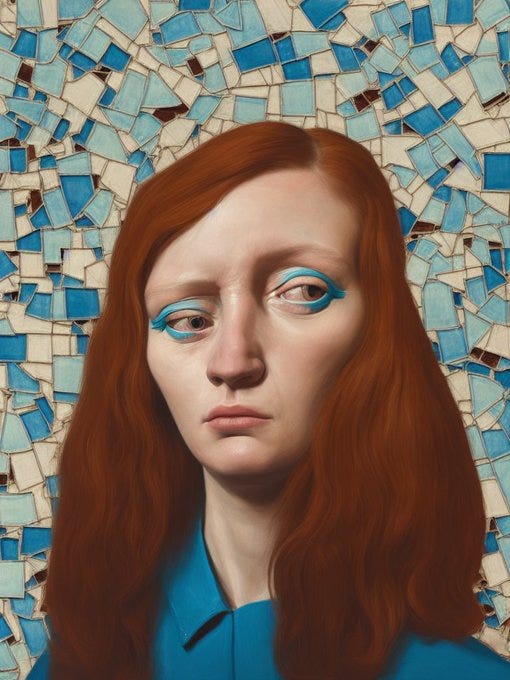
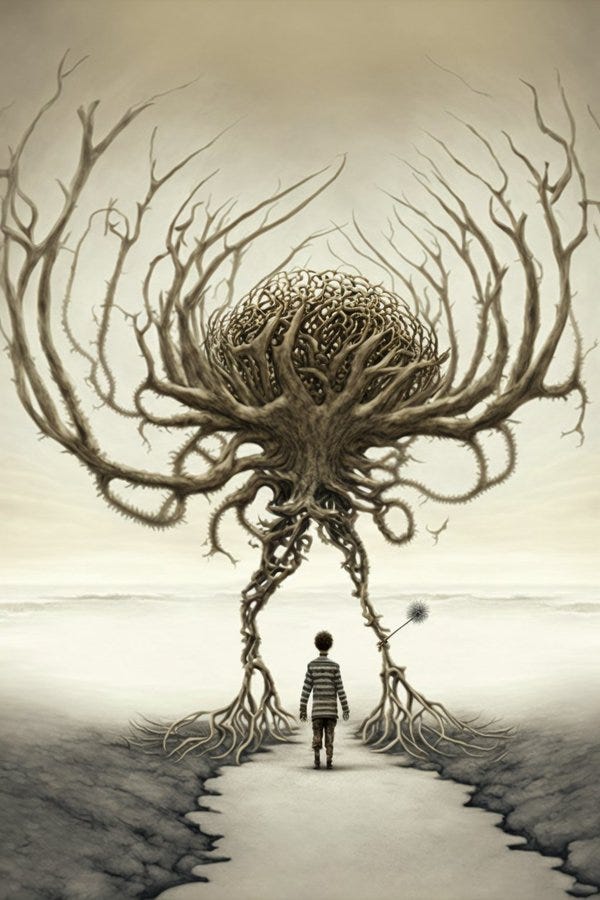
You guessed it, it’s AI Art. I can almost hear the clicks with which some browser tabs are now being closed with disgust. Being a pretty new form of art, it’s not surprising that some people react to AI Art with the same disapproval that an artistically staged banana would deserve: “That’s not art, that’s just AI crap!” Although the argument that often follows is different from the rejection of elongated berries as artistic devices (google it, botanically bananas are berries! 🤯 ).
Back to the anti-AI argument then, it goes like this:
Art created by machines has no “human touch”.
Or to make even clearer what a paradoxical point this is:
Since AI art is created by machines and not by humans, it, therefore, does not reflect our creative thought process and does not contain “human feelings” or “human essence”.
Right, as if any work of art could! The “emotions” and “human touches” that people feel or do not feel when perceiving art do not come from the artworks themselves, nor from an artist who miraculously transcends time and space and transfers “emotions” and “human touches” to his audience through the artwork (as the esoterically inclined art consumer might like to claim).
Rather, the “emotions” and “human touch” you feel when you look at a work of art, listen to music, or watch a theatre play come from the only device in the solar system that we know is capable of producing such things: your brain. You empathize, abstract, and thus project meanings (understanding, distrust, love, fear, or loathing) onto the artwork, not the other way around! And in projecting meanings, you unconsciously use the cognitive sediments of a lifetime, all your emotional attachments, your trained behaviors, and your acquired patterns of thought and judgment — and it is this gigantic cognitive cluster of aesthetic taste and worldly experience that makes us “feel” art or not, that makes us stand in front of a toilet in an art gallery and scream “that’s stunning!”, “that makes no sense!”, or “offensive!”.
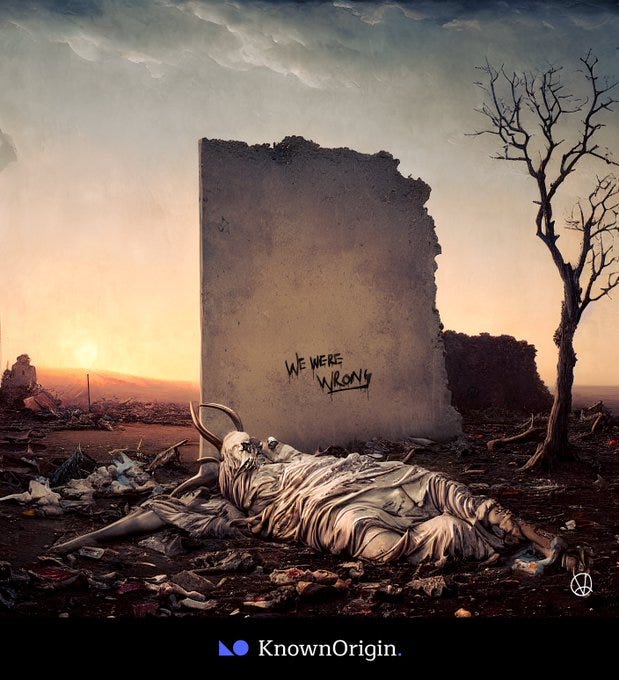
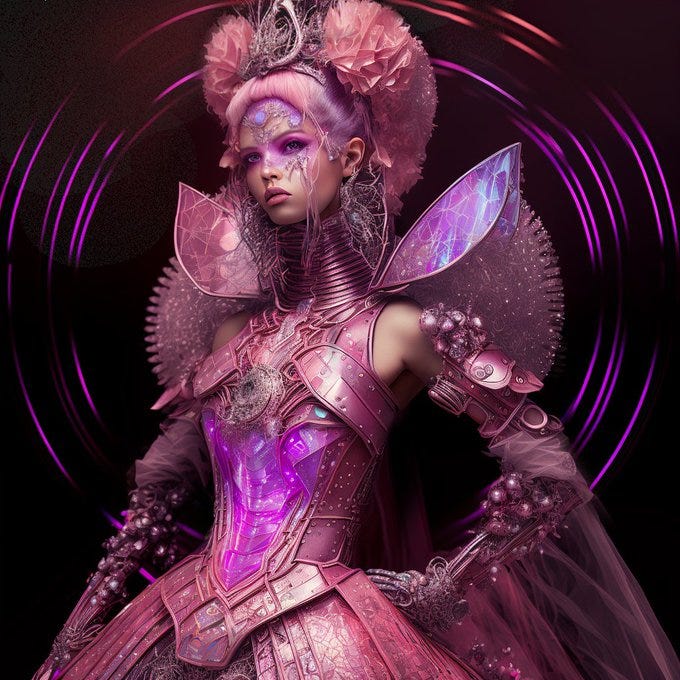
You see? Technology has advanced to the point where AI art has the same potential to evoke emotions and thoughts as art created by humans. Yet there are those who are so upset about the process of creating art with AI tools (“It’s made by computer algorithms, it’s not human!”) that they want to deny it the label “art” altogether because it lacks the “human touch.”
Conclusion
EVERY work of art is in itself a worthless piece of crap. Only when a human mind, which is in constant social interaction with other people, the world, and itself, begins to project its experiences onto it, only then does art take on meaning. It’s just that: a game of meaning.
Undoubtedly, AI has its pros and cons, and it is clear that the debate about its social, legal, and artistic implications will continue — and very likely continue to heat up tempers. But as this debate continues, AI artists will unlock new artistic possibilities and continue to push the boundaries of what we are willing to consider “art”, ultimately challenging us to rethink the concept of art, the myth of genius, and creativity itself. And that’s when AI Art literally becomes a game-changer.
Take a look at these artists who kindly shared their work: