
SCREENWRITING
Screenwriting with AI: From Character Development to Storyboards
Using Midjourney & AI Art to unlock your screenwriting's potential

It’s not a new thing at all: screenwriters have been using artificial intelligence for years to improve their work. In the form of popular writing software and plugins, AI technology has allowed screenwriters and novelists to craft better stories by helping with spelling and grammar, analyzing and identifying patterns in their writing, and by giving them valuable insights into their writing style and potential problems.
With the advent of AI Art and AI image generators like Midjourney, the writing process is about to be not only further enhanced by technology — chances are it’s going to be entirely revolutionized. Here’s where we at and where we might be going soon:
Character and Plot Development
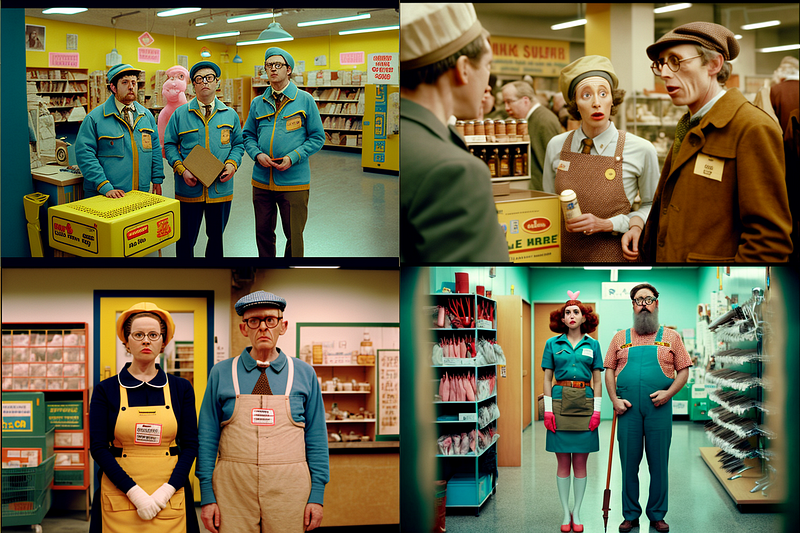
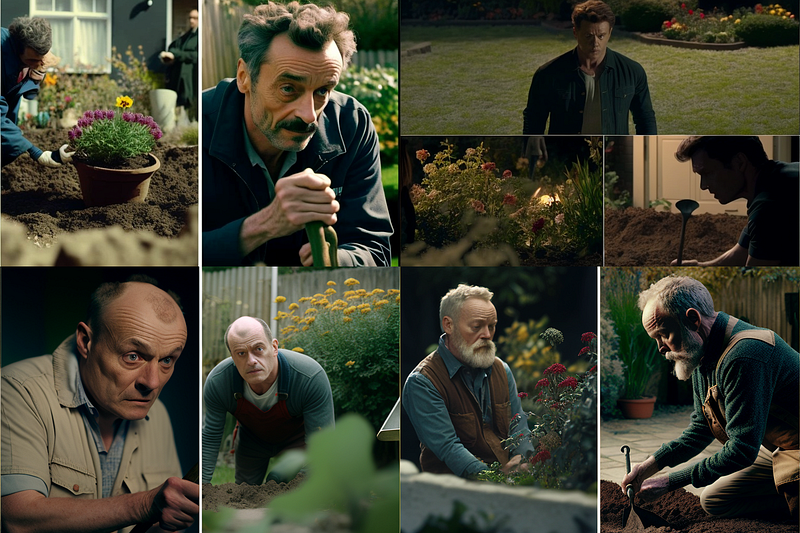
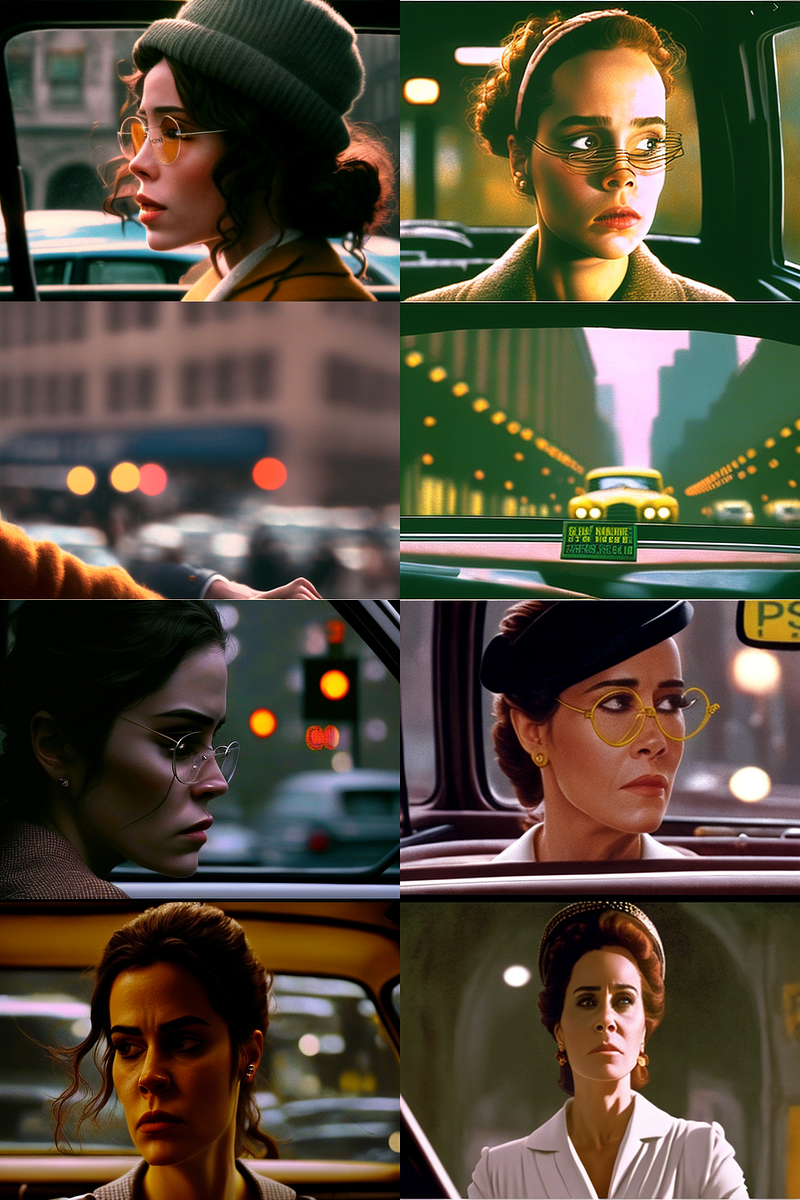
It’s essential for writers to quickly and efficiently generate characters, plot lines, and other elements of their stories. AI image generators allow users to create highly detailed characters with visual traits highlighting their personalities and motivations. By combining AI image generators and AI text completion tools it’s even possible to craft visual representations of plot points! These tools are becoming invaluable for writers who are looking to quickly and efficiently develop stories and characters for a variety of media formats because visual representation of character and plot will help the writer to further imagine story elements and the potential business partner to get a better understanding of the concept and ideas.
Storyboards
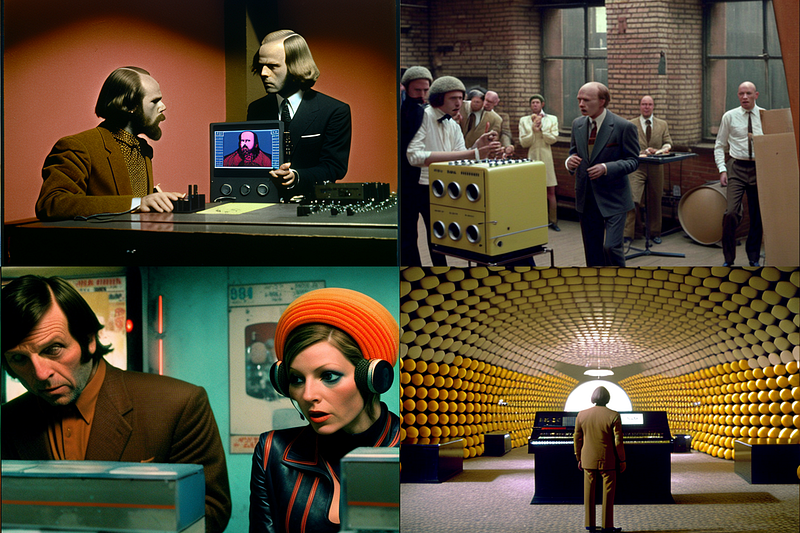
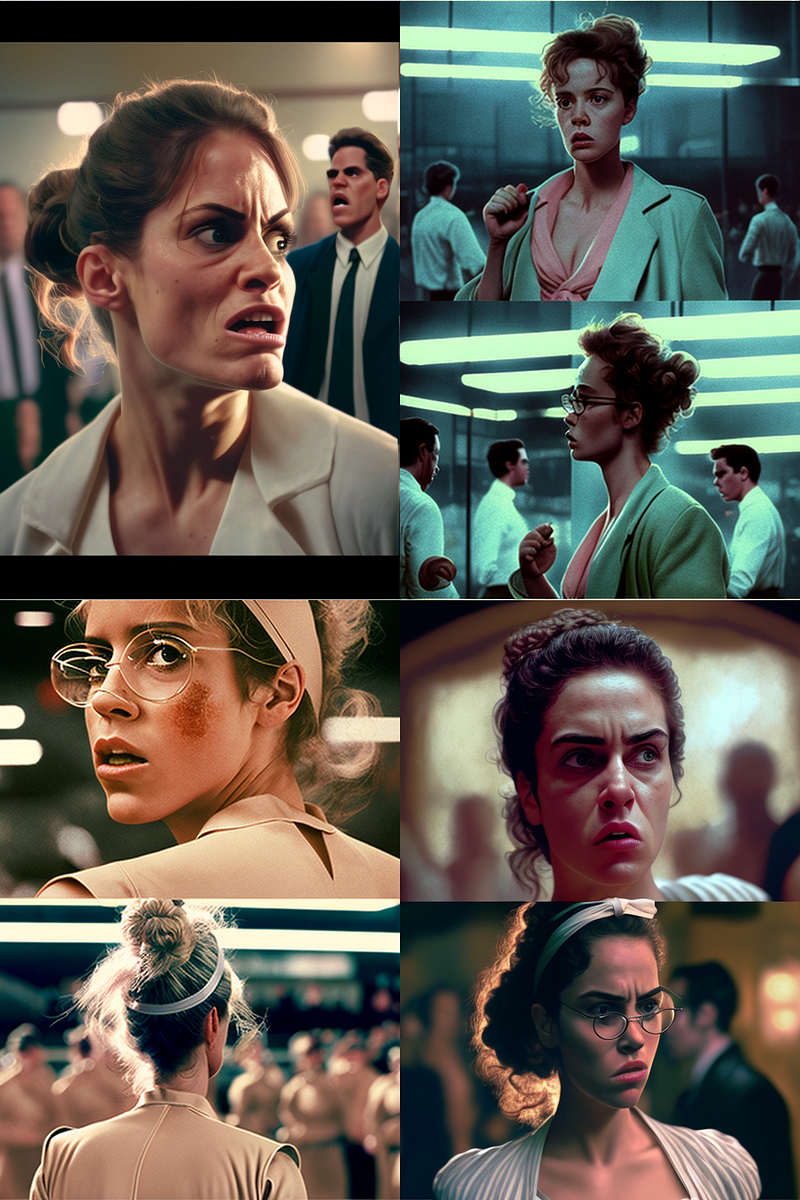
Storyboards are an important tool in the production of many media formats. From TV and film to audio drama and radio programs, the visual representations of the plot and scenes of a script allow the reader to get a better sense of what the script is about. AI image generators like Midjourney can be used to create storyboards that are highly detailed and visually appealing. Once you have a character set up, you can keep it depicted consistently in various scenarios while changing scenes, tonality, shot types, etc. Pretty obvious how this helps the screenwriter better organize their ideas for themselves and streamline the writing process, but also pitch the ideas to others and attract more interest for their work.
Promotional Materials
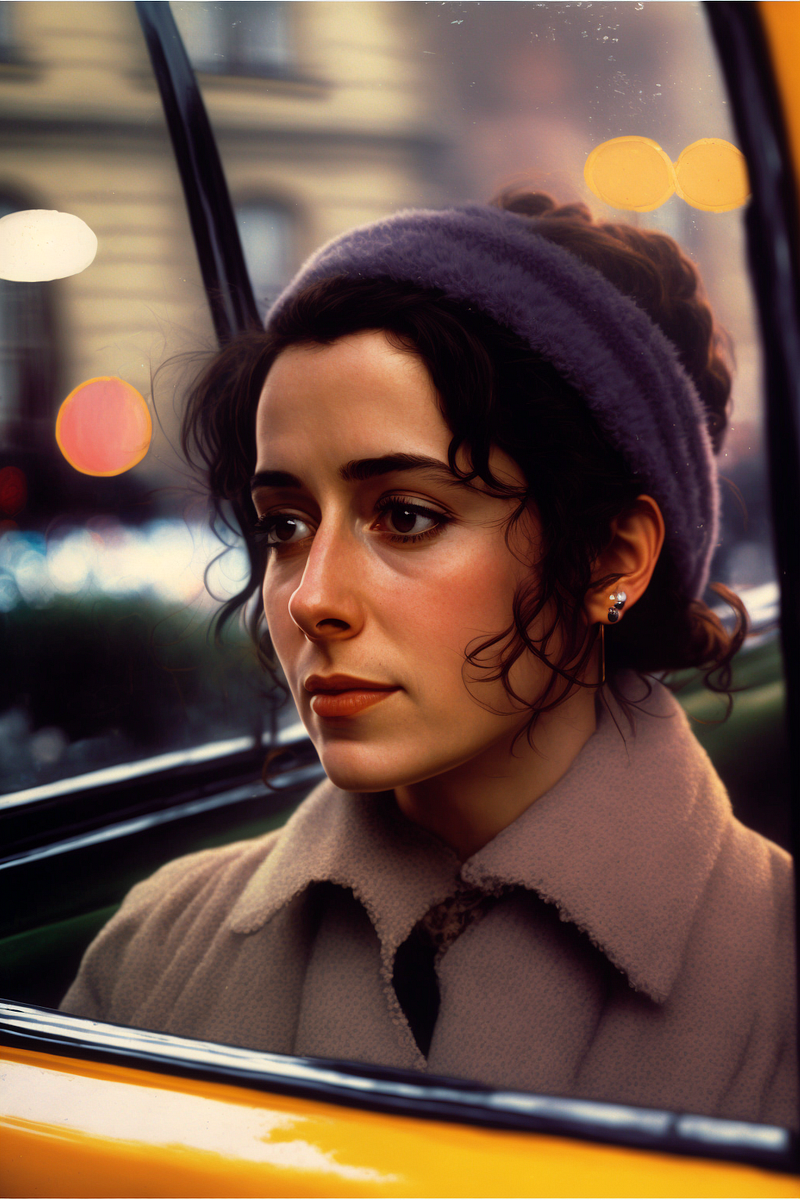
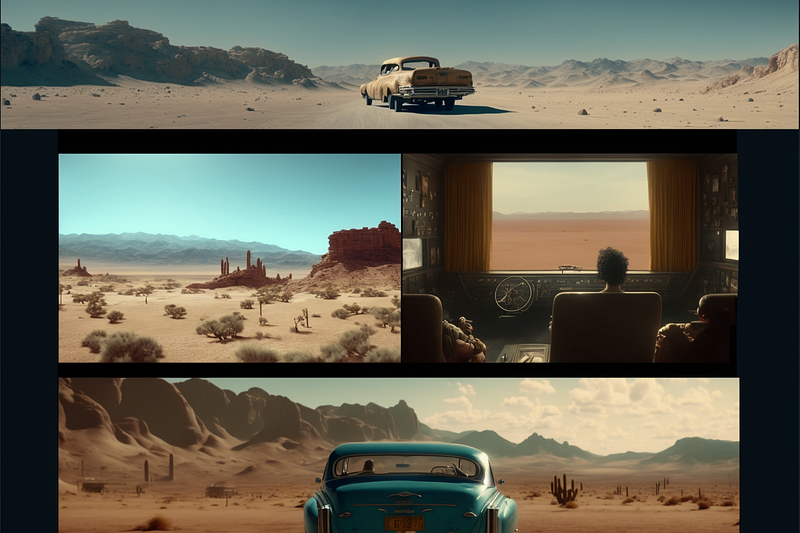
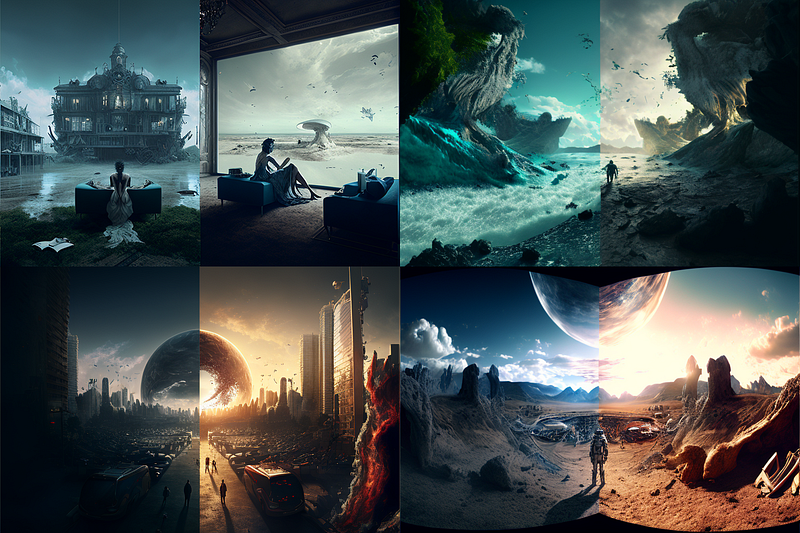
Finally, AI Art can also be used to create promotional materials to increase a work’s visibility and make it more attractive to buyers. In the pitching process, AI Art can be used to create slides, posters, trailers, and other visuals that can help writers promote their script or book manuscript and generate more interest from producers, agents, or collaborators.
The Future?
The mentioned use cases for AI art are likely to catch on very quickly and I personally expect them to become something of an industry-standard, especially in the field of screenwriting. The question then is, where is the journey headed?
- With AI image generators and AI text completion tools being further developed, we probably will see more automation: algorithms that analyze the narrative of a script and automatically create images, 3D models, or even video sequences to illustrate it.
- AI tools using natural language models like GPT-3 will very likely be trained with dramaturgical data and narrative finesse. The outcome will be specially trained “drama models” capable of a better understanding of narrative structure. Automation will come into play here as well, and we will very likely see scripts created jointly by humans and AI.
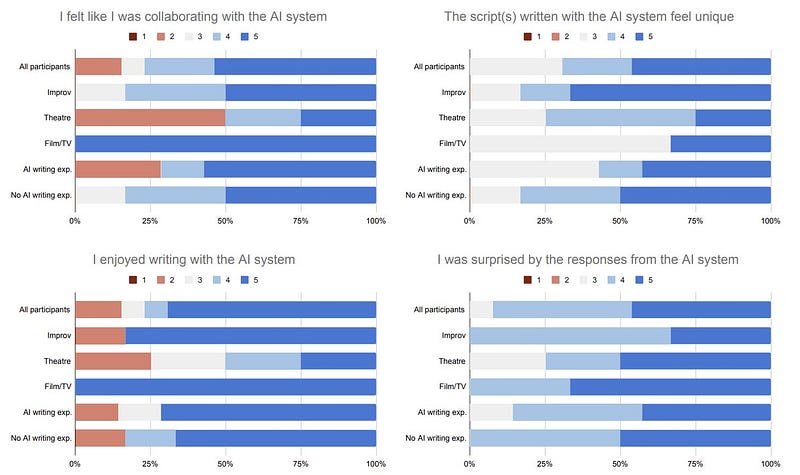
- The future is now! There are already some AI tools that incorporate some of the above technologies and are particularly suitable for screenwriters: www.scriptshaper.com (currently only available for alpha release users, but you can get on the waitlist for the beta release at their website), https://twitter.com/DeepMind (their Chinchilla model is being used for a piece of software called Dramatron whose team has recently released this awesome paper)
Conclusion
AI tools can help screenwriters craft better stories and make them more attractive to buyers. As AI technology continues to advance, I expect more and more writers to turn to AI tools to help them create visuals that can help them generate ideas, communicate concepts and eventually make more profits.

- Subscribe to Storius Direct to receive articles like this to your inbox
- Subscribe to Storius Digest to receive a weekly digest with links
Elsewhere: LinkedIn • Facebook • Instagram • Twitter • Flipboard


