avatarDr Mehmet Yildiz

Summary

Free AI web copilot to create summaries, insights and extended knowledge, download it at here

12938

Abstract

is a condition in which specific sounds can trigger intense emotional reactions and distress in individuals. Common trigger sounds include chewing, slurping, breathing, or repetitive tapping.</p><p id="024a"><a href="https://www.nature.com/articles/s41598-019-44084-8">This paper</a> in Nature states that “Misophonia is characterized by intense rage and disgust provoked by hearing specific human sounds resulting in social isolation due to avoidance. Misophonia is associated with altered brain activity in the auditory cortex and salience network.”</p><p id="f339">When exposed to triggering and aggravating sounds, people with misophonia may experience anger, anxiety, or a strong urge to escape the situation.</p><p id="98b2">In hyperacusis and misophonia, the brain’s response to specific sounds is amplified, leading to adverse reactions and discomfort.</p><p id="9b57">These conditions can significantly impact a person’s daily life, causing stress, anxiety, and social isolation. Understanding the mechanisms behind these conditions can help people seek appropriate support and develop coping strategies.</p><p id="047e">These specific conditions do not solely determine the brain’s response to noise. Each person’s brain has a unique sensitivity to various sounds based on their individual makeup and experiences.</p><p id="f1fa">For example, someone who has experienced traumatic events associated with loud noises might develop an increased sensitivity to similar sounds in the future.</p><h2 id="df21">Tinnitus</h2><p id="44fa">According to <a href="https://www.nidcd.nih.gov/health/tinnitus">NIH</a>, “Tinnitus is commonly described as a ringing sound, but some people hear other types of sounds, such as roaring or buzzing.”</p><p id="a2a2">“Tinnitus is common, with surveys estimating that 10 to 25% of adults have it. Children can also have tinnitus. For children and adults, tinnitus may improve or even go away over time, but in some cases, it worsens with time. When tinnitus lasts three months or longer, it is considered chronic.”</p><p id="1b7b">The mechanism behind tinnitus involves the damage or loss of hair cells in the cochlea responsible for converting sound vibrations into electrical signals that the brain can interpret.</p><p id="9822">When the hair cells are damaged, they can send random electrical signals to the brain, interpreted as sounds, even when no external sound is present. This leads to the perception of tinnitus.</p><p id="0a95">Excessive exposure to loud music is a common cause of tinnitus, particularly in younger people who frequently attend concerts or use headphones at high volumes.</p><p id="09b4">Prolonged exposure to noise levels above 85 decibels can damage the hair cells and trigger tinnitus symptoms. Other factors, such as aging, certain medications, ear infections, or underlying health conditions, can also contribute to the development of tinnitus.</p><p id="7993">Tinnitus can cause stress, anxiety, irritability, and depression. People with tinnitus may struggle to enjoy quiet environments or engage in activities that require focused listening.</p><p id="c181">As documented by <a href="https://www.nidcd.nih.gov/health/tinnitus">NIH</a>, there is no known cure or medication for tinnitus. However, sound and behavioral therapies can help patients manage and alleviate their symptoms.</p><h1 id="00da">How Noise Impacts the Heart [Cardivascular Health]</h1><p id="47a6">The brain, nervous system, and heart are tightly connected. Excessive noise can have profound implications for the heart and the cardiovascular system.</p><p id="a040">Exposure to chronic and intense noise can trigger and aggravate the sympathetic <a href="https://readmedium.com/heres-how-to-make-the-nervous-system-more-flexible-and-functional-99432acd589b">nervous system</a> and <a href="https://readmedium.com/3-steps-to-regulate-hpa-axis-and-defeat-chronic-stress-464e017cd400">HBA axis</a>, releasing stress hormones such as adrenaline and cortisol.</p><p id="92a4">Triggered by <a href="https://readmedium.com/heres-how-to-crush-the-negative-effects-of-amygdala-hijacks-6f3752264bcf">the amygdala</a>, these hormones prepare the body for a “fight-or-flight” response. However, prolonged and excess amounts of stress hormones can harm our cardiovascular health when consistently elevated due to noise exposure.</p><p id="77a8">Disproportionate activation of the sympathetic nervous system and releasing excessive stress hormones in response to noise can harm the heart and cardiovascular system.</p><p id="fe63">The mechanisms involved in this process are interconnected. For example, when stress hormones are released in response to noise, they can cause vasoconstriction, narrowing the blood vessels and increasing blood pressure.</p><p id="f460">These changes in blood pressure and vessels can strain the heart as it has to work harder to pump blood through constricted vessels. Over time, this can lead to developing or exacerbating cardiovascular conditions like hypertension, heart disease, and stroke.</p><p id="e7ff">Studies have provided evidence for the association between noise exposure and cardiovascular health. For example, research conducted near airports and busy roads has shown an increased risk of hypertension, heart disease, and stroke among people living in these high-noise areas.</p><p id="9e2b"><a href="https://pubmed.ncbi.nlm.nih.gov/31092312/#:~:text=A%20current%20meta%2Danalysis%20commissioned,01%3B%201%2C15%5D).">This 2019 meta-analysis</a> concludes that “Traffic noise, and air-traffic noise, in particular, is an important cardiovascular risk factor that has not been sufficiently studied to date. Preventive measures are needed to protect the population from the harmful effects of noise on health.”</p><p id="37c8">Moreover, occupational noise exposure, like working in noisy industrial settings, has also been linked to adverse cardiovascular effects.</p><p id="2fd0"><a href="https://pubs.aip.org/asa/jasa/article-abstract/146/5/3879/995432/Occupational-noise-exposure-A-review-of-its?redirectedFrom=fulltext">This 2019 review paper </a>states, “Exposure to hazardous noise is among the most common occupational risks in the U.S. and worldwide. Repeated overexposure to noise at or above 85 dBA can cause permanent hearing loss, tinnitus, and difficulty understanding speech in noise.”</p><p id="7eba">“It is also associated with cardiovascular disease, depression, balance problems, and lower income. About 22 million U.S. workers are currently exposed to hazardous occupational noise.”</p><h1 id="d60d">I believe car horns must be tightly controlled.</h1><p id="e7f3">Car horns are typical in vehicles that serve as an auditory warning signal. However, the unnecessary and excessive use of car horns can contribute to noise pollution and negatively impact public health, safety, and overall quality of life.</p><p id="2a0d">Cultural perspectives on noise can vary widely. What may be considered acceptable or normal in one country can be overwhelming or distressing in another.</p><p id="637f">For example, I struggled a lot as a visitor who spent a year in a foreign country with a different cultural perception of noise.</p><p id="b1ed">In Australia, car horns are typically associated with emergencies, serving as a necessary means of alerting others. So, the sound of car horns in Australia is used by citizens as a call for attention or immediate action. It is <a href="https://www.drive.com.au/caradvice/is-it-illegal-to-beep-your-car-horn-in-australia/">tightly regulated</a> in Australia. However, some people still violate it.</p><p id="0a34">In that country, car horns are used casually and spontaneously, even as a greeting or amusement towards pedestrians. The locals have become accustomed to this cultural norm and perceive it differently than I did. Ironically, some locals said they do it for stress relief in heavy traffic.</p><p id="883b">The constant and random honking of car horns significantly impacted my morale, daily mood, and mental health. The noise became a constant source of stress, leading to an increase in cortisol levels. I couldn’t drive in that country and used a taxi with noise-canceling headphones.</p><p id="64a7">I read that <a href="https://www.theguardian.com/cities/2017/oct/24/kathmandu-horn-ban-quiet-streets-nepal">Kathmandu in Nepal</a> also stopped using car horns, reading noise pollution dramatically, and making their streets peaceful. There was an interesting discussion on Reddit about whether car horns should be banned.</p><p id="b38e">I usually don't support a banning culture, but I tend to support this situation as car horns always bothered me. A better approach is regulating it tightly. Even though some people cut me in traffic, I refrain from honking and prefer using light indicators to warn the offenders.</p><p id="2340">While advocating for the limitation of unnecessary car horn use, exceptions might be made for emergency situations where honking is vital for alerting others and preventing accidents.</p><p id="ad54">Recently a car in front of me stopped because a pedestrian suddenly started walking, so I had to break behind that car. But the driver behind me pushed the horn so loudly, irritating us. When I checked my smart watch, my heart rate suddenly jumped despite no threat.</p><p id="0dda">Implementing measures to reduce unnecessary car horn use can have positive impacts. It can contribute to a quieter and more peaceful environment, enhance road safety by reducing distractions and conflicts, and improve the overall quality of life for people in urban areas.</p><p id="5709">Citizens should be mindful of their own use of car horns, avoid unnecessary honking, and promote respectful and responsible driving behaviors among their peers.</p><p id="7c20">I heard that in some cities, there are designated “honk-free zones” where honking is prohibited unless it is an emergency situation.</p><p id="9d59">Traffic police can enforce regulations related to car horn usage and impose fines or penalties for violations. They can also focus on raising awareness and educating drivers about the appropriate times and situations when car horns should be used.</p><h1 id="c2dd">Practical Steps to Lower Noise in Our Environments</h1><p id="eb6f">To mitigate the adverse effects of noise pollution, it is essential to implement measures that address its sources and provide people with a quieter and more peaceful environment. We can take personal responsibility and also influence communities.</p><h2 id="121c">1 —Quick measures as a coping strategy</h2><p id="0a56">I found earplugs and noise-canceling headphones helpful.</p><p id="8dbb">These devices can reduce the intensity of external noise by blocking or canceling out the sound waves before they reach our ears. They can be instrumental in noisy environments like airplanes, construction sites, and busy streets.</p><p id="744d">Encourage the family members to keep the volume moderate when listening to music or watching television.</p><p id="2ffc">They can use headphones to minimize unnecessary noise. However, excessive volume can damage the listener's hearing.</p><h2 id="57ff">2 — Soundproofing home or office and choosing quieter appliances</h2><p id="2c73">Soundproofing measures can minimize noise transmission from outside or between different rooms within your home.</p><p id="ec9f">For example, we can consider thick curtains, double-glazed windows, shutters, and adding acoustic panels to walls.</p><p id="3049">Soft materials like carpets and rugs can absorb sound and reduce echoes within a room. They can be particularly effective in areas with hard surfaces like tile or hardwood floors.</p><p id="4a30">We can choose household appliances, like dishwashers, vacuum cleaners, or air conditioners, that have low noise ratings. You may check appliances labeled “quiet” or “low decibel” operating at lower noise levels.</p><p id="6f64">If you have gardens, you may plant trees and shrubs. Vegetation might be a natural sound barrier by absorbing and deflecting sound waves. You may lubricate door hinges and devices, making a big sound.</p><p id="e0e5">When designing or renovating spaces, incorporate noise-reducing elements like sound-absorbing materials, acoustic panels, or strategic placement of furniture to minimize reverberation and echo.</p><h2 id="5d73">3 — Encourage noise-reduction policies at work and community</h2><p id="23b8">Advocate for workplace policies prioritizing noise reduction, such as quiet zones, noise-absorbing materials, or designated spaces for noisy activities. Support the creation and preservation of green spaces in your community.</p><p id="3789">Join local organizations or community groups that work towards reducing noise pollution. Collaborate with others to raise awareness, advocate for noise regulations, and promote peaceful living environments. Choose qui

Options

eter modes of transportation whenever possible.</p><p id="bc13">Support local or national initiatives that aim to regulate noise pollution. Stay informed about noise-related laws and regulations and actively engage in discussions or campaigns about noise reduction.</p><h1 id="59b7">Conclusions</h1><p id="4b90">Excessive noise levels can create substantial risks to our health and well-being, particularly in relation to cognitive, mental, and cardiovascular health.</p><p id="b9ae">The impact of noise pollution can extend beyond our immediate wellness. I see it as a societal issue. Chronic exposure to environmental noise (road traffic, aircraft, industrial) and noisy behavior of some people can impact the health of citizens.</p><p id="bb8e">Citizens, policymakers, and urban planners must work together to implement effective strategies prioritizing health and well-being.</p><p id="b0b2">We must minimize noise exposure and employ practical strategies to counteract the effects of noise-induced stress. When we have hearing issues, we need to get support from audiologists.</p><p id="a089">Audiologists specialize in diagnosing and treating hearing and balance disorders. They can diagnose hearing loss, perform hearing tests, and provide rehabilitative services for people with hearing impairments.</p><p id="1ddb">Audiologists can provide hearing aids and assistive listening devices. They might offer counseling and education on hearing conservation and communication strategies.</p><p id="48fb">The anatomy of the ear and its connection to the brain is highly complex. However, if you are interested in a visual and auditory quick taste, you may watch <a href="https://www.youtube.com/watch?v=eQEaiZ2j9oc&amp;t=3s">this beautifully narrated short video</a> (2 minutes) from NIH.</p><p id="00c6">Thank you for reading my perspectives. I wish you a healthy and happy life.</p><div id="ac05" class="link-block"> <a href="https://readmedium.com/the-brain-needs-3-types-of-rest-b63b30c19424"> <div> <div> <h2>The Brain Needs 3 Types of Rest.</h2> <div><h3>Like muscles, neurons, dendrites, and axons need intentional rest to survive, grow, function optimally, and rejuvenate…</h3></div> <div><p>medium.com</p></div> </div> <div> <div style="background-image: url(https://miro.readmedium.com/v2/resize:fit:320/1*xWc9xQxp22I4cpejhtpkcg.jpeg)"></div> </div> </div> </a> </div><p id="f452">As a new reader, please check my holistic health and well-being stories reflecting my reviews, observations, and decades of experiments optimizing my <a href="https://readmedium.com/9d8b86921946">hormones</a> and <a href="https://readmedium.com/90c34e0a9266">neurotransmitters</a>.</p><blockquote id="ee0a"><p><a href="https://readmedium.com/57ffd9b9a71b"><i>ALS,</i></a> <a href="https://readmedium.com/defeat-metabolic-syndrome-and-slim-down-waistline-with-three-tips-2abaa6c7a2ef"><i>Metabolic Syndrome</i></a><i>, <a href="https://readmedium.com/why-442-million-people-live-diabetic-and-what-we-can-do-about-it-d843bb8cbcf8">Type II Diabetes,</a> <a href="https://readmedium.com/get-healthier-leaner-three-doable-tips-to-defeat-fatty-liver-disease-4468b7045d18">Fatty Liver Disease</a>, <a href="https://readmedium.com/lower-the-risks-of-heart-disease-and-strokes-in-five-steps-8e203e94f599">Heart Disease</a>, <a href="https://readmedium.com/heres-how-to-lower-the-risks-of-strokes-in-5-steps-336c4af24d1a">Strokes,</a> <a href="https://readmedium.com/rewire-the-brain-to-melt-unwanted-belly-fat-preventing-obesity-12902d711b1d">Obesity</a>, <a href="https://readmedium.com/reduce-liver-cancer-risks-with-healthy-lifestyle-choices-e9fb28be291e">Liver Cancer</a>, <a href="https://readmedium.com/74cad3bbc701">Autoimmune Disorders,</a> <a href="https://readmedium.com/why-high-homocysteine-levels-matter-and-how-to-optimize-them-58af6d4b0fc9">Homocysteine</a>, <a href="https://readmedium.com/make-your-lungs-healthier-proactively-73bc5031f366">Lungs Health</a>, <a href="https://readmedium.com/make-your-pancreas-healthier-via-lifestyle-choices-e7f0d925bb5f">Pancreas Health</a>, <a href="https://readmedium.com/make-your-kidneys-healthier-via-lifestyle-choices-b9f38d6cc468">Kidneys Health</a>, <a href="https://readmedium.com/shocking-stats-about-non-communicable-diseases-70377b7a8d4c">NCDs</a>, <a href="https://readmedium.com/five-tips-to-prevent-infectious-diseases-96fc44ef3d93">Infectious Diseases</a>, <a href="https://readmedium.com/make-your-brain-healthy-with-ten-lifestyle-approaches-d4c0f95f6ad6">Brain Health</a>, <a href="https://readmedium.com/three-lifestyle-habits-to-lower-dementia-risks-1c008ce4b1ee">Dementia</a>, <a href="https://readmedium.com/heres-how-i-eliminated-depressive-suicidal-feelings-in-7-steps-in-my-younger-years-32b2b5d7223a">Depression</a>, <a href="https://readmedium.com/six-tips-to-prevent-brain-atrophy-and-lower-the-risks-of-mental-disorders-1373a763e62c">Brain Atrophy</a>, <a href="https://readmedium.com/what-mothers-need-to-know-about-neonatal-disorders-20c5c82c20e5">Neonatal Disorders</a>, <a href="https://readmedium.com/heres-how-i-got-healthier-and-smoother-skin-via-5-lifestyle-and-holistic-health-methods-51cdb26f320b">Skin Health</a>, <a href="https://readmedium.com/heres-how-altering-my-diet-solved-the-unbearable-teeth-problems-sustainably-95bd5b512b7f">Dental Health</a>, <a href="https://readmedium.com/three-tips-for-improving-bone-health-and-reducing-the-risks-of-osteoporosis-7952a47ef314">Bone Health</a>, <a href="https://readmedium.com/six-tips-to-heal-a-leaky-gut-via-lifestyle-choices-and-support-from-professionals-67fcd1981cdb">Leaky Gut</a>, <a href="https://readmedium.com/how-a-leaky-gut-might-lead-to-a-leaky-brain-and-7-steps-to-lower-risks-daf8bc7810b1">Leaky Brain</a>, <a href="https://readmedium.com/heres-how-i-defeated-brain-fog-with-six-lifestyle-habits-decades-ago-f72609bcd6a9">Brain Fog</a>, <a href="https://readmedium.com/here-is-how-i-defeated-chronic-inflammation-via-9-lifestyle-habits-a684f047d9fd">Chronic Inflammation</a>, <a href="https://readmedium.com/three-tips-to-eliminate-insulin-resistance-and-shrink-waistline-685f9ae8648">Insulin Resistance</a>, <a href="https://readmedium.com/three-tips-to-optimize-cortisol-to-melt-belly-fat-and-keep-lean-muscles-9fba2e12868e">Elevated Cortisol</a>, <a href="https://readmedium.com/make-your-body-leptin-sensitive-to-lose-visceral-fat-with-a-simple-metabolic-shift-be283fcc7f8e">Leptin Resistance</a>, <a href="https://readmedium.com/how-an-elderly-couple-eliminated-anabolic-resistance-and-lowered-the-risk-of-sarcopenia-in-7-steps-8cbf0394c6ae">Anabolic Resistance</a>, <a href="https://readmedium.com/cholesterol-paradox-and-how-it-impacted-my-health-positively-ea15ac938843">Cholesterol</a>, <a href="https://readmedium.com/why-high-triglyceride-levels-matter-and-how-to-optimize-them-d56c120d585a">High Triglycerides</a>, <a href="https://readmedium.com/heres-how-to-lower-risks-of-metabolic-disorders-or-reverse-them-in-5-steps-3a3c479774c2">Metabolic Disorders</a>, <a href="https://readmedium.com/d8e0a2c39509">Gastrointestinal Disorders</a>, <a href="https://readmedium.com/heres-how-thyroid-hormones-can-affect-our-health-and-well-being-71fc9345102b">Thyroid Disorders</a>, <a href="https://readmedium.com/heres-how-i-fixed-my-anemia-in-3-steps-and-regained-an-abundance-of-energy-1b07beeed83b">Anemia</a>, <a href="https://readmedium.com/dysautonomia-in-awareness-month-2585d55969ab">Dysautonomia</a>,</i> <a href="https://readmedium.com/heres-how-solving-anemia-and-chronic-inflammation-improved-my-cardiac-output-7df24783b5b1"><i>cardiac output</i></a><i>, and <a href="https://readmedium.com/6-tips-to-improve-bladder-health-and-lower-the-risks-of-urinary-track-disorders-1720468412cb">urinary track disorders</a>.</i></p></blockquote><p id="6796">I also wrote about valuable nutrients. Here are the links for easy access:</p><blockquote id="43b3"><p><a href="https://readmedium.com/d39511441651"><i>Lutein/Zeaxanthin</i></a><i>,</i> <a href="https://readmedium.com/2b156c2c9410"><i>Phosphatidylserine</i></a>, <a href="https://readmedium.com/boron-heres-why-we-need-this-necessary-micronutrient-in-our-diets-6c0e7d7fe838"><i>Boron,</i></a><i> <a href="https://readmedium.com/urolithin-a-supplementation-might-improve-mitochondrial-health-muscle-strength-and-longevity-aa6065cc8f1c">Urolithin</a>, <a href="https://readmedium.com/e907672585b2">taurine</a>, <a href="https://readmedium.com/citrulline-101-six-health-benefits-based-on-two-decades-of-experience-6833d51a2b30">citrulline malate</a>, <a href="https://readmedium.com/biotin-101-an-independent-review-of-vitamin-h-de5f57389744">biotin</a>, <a href="https://readmedium.com/lithium-orotate-helped-elaine-to-defeat-bipolar-disorder-3840407b97ff">lithium orotate</a>, <a href="https://readmedium.com/seven-proven-health-benefits-of-alpha-lipoic-acid-60123f4d8084">alpha-lipoic acid</a>, <a href="https://readmedium.com/what-if-theres-a-hope-to-improve-immunity-why-nac-is-a-critical-molecule-for-health-a7fcf9189200">n-acetyl-cysteine</a>, <a href="https://readmedium.com/1d360f4446d">acetyl-l-carnitine</a>, <a href="https://readmedium.com/why-i-take-100-mg-coq10-ubiquinol-daily-7273c61ba1c">CoQ10</a>, <a href="https://readmedium.com/4e7ee05b83df">PQQ,</a> <a href="https://readmedium.com/what-i-learned-from-experimenting-with-nadh-9cecd6213fdc">NADH</a>, <a href="https://readmedium.com/d62f22add143">TMG</a>, <a href="https://readmedium.com/five-remarkable-health-benefits-of-the-most-researched-fitness-supplement-9ce620a36e2">creatine</a>, <a href="https://readmedium.com/b13731bef208">choline</a>, <a href="https://readmedium.com/b0251c803417">digestive enzymes</a>, <a href="https://readmedium.com/f1ae8b89401e">magnesium</a>, <a href="https://readmedium.com/zinc-is-an-essential-mineral-and-its-deficiency-matter-for-health-9a13555b7a9d">zinc</a>, <a href="https://readmedium.com/my-testimony-of-hydrolyzed-collagen-b808289b4ea9">hydrolyzed collagen</a>, <a href="https://readmedium.com/what-we-know-about-nootropics-why-they-matter-73e324b9ecc0">nootropics</a>, <a href="https://readmedium.com/1-mg-pure-nicotine-helped-me-write-10-000-words-84d132dbbd0">pure nicotine</a>, <a href="https://readmedium.com/why-is-activated-charcoal-in-my-emergency-bag-is-it-hype-or-hope-ab0b4cbcec4a">activated charcoal</a>, <a href="https://readmedium.com/why-vitamin-b12-matters-for-health-how-to-address-deficiency-8476f7abd2b4">Vitamin B12</a>, <a href="https://readmedium.com/dementia-perspectives-on-korsakoffs-syndrome-vitamin-b1-deficiency-d9ed74c44575">Vitamin B1</a>, <a href="https://readmedium.com/vitamin-d-as-a-steroid-hormone-not-just-another-supplement-495a2f55c984">Vitamin D</a>, <a href="https://readmedium.com/why-do-we-need-vitamin-k2-d83e75ece893">Vitamin K2</a>, <a href="https://readmedium.com/the-necessity-of-omega-3-fatty-acids-for-the-body-and-brain-82a6246e9e05">Omega-3 Fatty Acids</a>, <a href="https://readmedium.com/f1744eba70d0">N-Acetyl L-Tyrosine</a>, and <a href="https://readmedium.com/review-of-17-unique-nutritional-molecules-improving-health-b52814702c49">other nutrients</a>.</i></p></blockquote><p id="ff44"><b>Disclaimer: </b>My posts do not include professional or health advice. I only document my reviews, observations, experience, and perspectives to provide information and create awareness.</p><p id="6eb7">I publish my lifestyle, health, and well-being stories on <a href="https://medium.com/sensible-biohacking-transhumanism"><b>EUPHORIA</b></a><b>.</b> My focus is on cellular, mitochondrial, metabolic, and mental health. Here is my collection of <a href="https://readmedium.com/vital-life-lessons-from-24-stories-297daea4ab80">Insightful Life Lessons from Personal Stories</a>.</p><div id="c06f" class="link-block"> <a href="https://dr-mehmet-yildiz.medium.com/subscribe"> <div> <div> <h2>Get an email whenever Dr Mehmet Yildiz publishes. He is a top writer and editor on Medium.</h2> <div><h3>undefined</h3></div> <div><p>undefined</p></div> </div> <div> <div style="background-image: url(https://miro.readmedium.com/v2/resize:fit:320/0*1aMv-ig9vLjJzOr5)"></div> </div> </div> </a> </div><p id="37ed">You are welcome to join <a href="https://readmedium.com/master-copy-onboarding-new-writers-d20e5ad97a86">my publications</a> on Medium as a writer by sending a request <a href="https://digitalmehmet.com/contact">via this link.</a> 21K writers contribute to my publications. You may <a href="https://dr-mehmet-yildiz.medium.com/membership">join Medium with my referral link</a> to enjoy<b> unlimited content.</b></p></article></body>

Adverse Effects of Noise Pollution on Cognition and Cardiovascular Health

Here’s how excessive noise can impact the brain and heart and what we can do about it
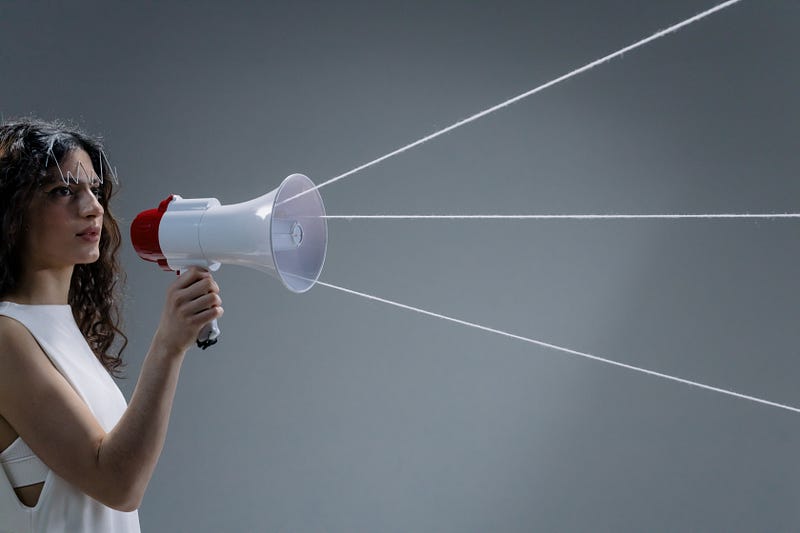
Photo by cottonbro studio from Pexels

Sound is an integral part of our lives, serving as a means of communication, connection to others, and entertainment. It is essential for survival and thriving. However, when sound becomes unwanted and excessive noise, it can harm our health and well-being.

Noise pollution is undesirable and harmful sound. It can impact various aspects of our lives, like sleep, cognitive abilities, mental health, cardiovascular health, quality of life, and productivity. It also might affect the environment, disturbing the lives of innocent animals.

When exposed to loud noise, the body activates the nervous system triggering fight or flight mode. As the brain perceives noise as a threat, hormonal changes can create a coping mechanism.

Stress hormones and neurotransmitters can cause physiological arousal, like increasing our heart rate and blood pressure. This stress response can disrupt our sleep patterns further, creating more stress and causing inflammation.

Consequently, noise pollution can adversely affect our physical and mental health. Prolonged exposure to excessive noise levels is associated with an increased risk of health conditions.

Cognitive function is adversely affected by noise. Exposure to high noise levels can impair our ability to concentrate, focus, and memory. Likewise, noise-induced cognitive impairment can hinder our learning abilities, creativity, work performance, and productivity.

In addition, lengthy exposure to high-intensity noise can lead to permanent hearing loss or damage. The delicate structures in the inner ear can be harmed by excessive noise, causing sensorineural hearing loss.

In this article, I cover both physiological and psychological aspects of noise pollution without going into scientific details.

As this topic was part of my 300+ pages of research journal, I made every effort to present it in 15 minutes of reading time, covering only the critical points. I wanted to give the complete picture of noise pollution so you may skip irrelevant sections and only check the relevant ones for your needs.

What is noise pollution, and why does it matter?

Noise pollution is excessive, unwanted, and disturbing sounds that can adversely affect our lives. They can harm our physical and mental health.

It is a significant environmental health concern affecting the quality of life for millions of people and the lives of animals. Noise pollution is a growing concern in urban areas and industrial settings.

The constant bombardment of noise can break the balance of the body and mind. Thus, noise pollution can affect our well-being and quality of life. Chronic noise exposure can lead to irritability, stress, anxiety, mood disorders, and cardiovascular diseases.

According to the literature, noise becomes harmful after 75 decibels and unbearable after 120. Thus, excessive and prolonged noise can disrupt our peace of mind, diminish our quality of life, and strain our relationships.

According to CDC, “Shouting or barking in the ear (110) might cause hearing loss in less than 2 minutes. Standing beside or near sirens (120) can cause pain and ear injury. Firecrackers (140–150) can cause the same.”

In the following sections, I cover the effects by examining two critical organs: the brain and the heart. Noise can affect the brain and the heart due to the physiological responses triggered by the body’s stress response to excessive noise.

1 — How Noise Impacts the Brain [Cognitive and Mental Health]

The ear-brain connection is crucial in processing sound waves and coordinating our responses to environmental stimuli. Sound waves are transmitted to the brain for interpretation when they enter the ear.

However, excessive noise can harm this intricate system, dulling the neurons and connective tissues associated with auditory processing. As a result, the brain’s response rates can decrease under the burden of overwhelming noise.

The mechanisms underlying this phenomenon are multifaceted. One mechanism involves the overstimulation of sensory cells in the inner ear, known as hair cells.

According to NIH, “We have two types of hair cells in our cochlea: inner hair cells (about 3,500 per ear) and outer hair cells (about 12,000 per ear). Inner hair cells collect and relay sound information to the brain through the auditory nerve.”

The cochlea is a spiral-shaped, fluid-filled structure located in the inner ear. The cochlea converts sound vibrations into electrical signals that the brain can interpret.

When exposed to excessive noise, these hair cells can become damaged or even die, reducing their ability to transmit accurate auditory information.

Another mechanism involves the activation of the brain’s stress response. Excessive noise can trigger the release of stress hormones such as cortisol and adrenaline.

In high amounts, these hormones preparing the body for perceived threats can negatively impact brain function. Prolonged exposure to noise-induced stress and associated hormonal impact can disrupt neural pathways and impair cognitive functions like attention, memory, task-switching, and learning.

From the cognitive angle, the continuous barrage of noise bombards the ear and overwhelms the brain’s ability to concentrate and process information effectively. As a result, productivity and cognitive performance may suffer, leading to increased stress, annoyance, and frustration.

The intricate connection between the ear and the brain makes our cognitive system vulnerable to the adverse effects of excessive noise.

Cognitive interference is a known problem. Unwanted or distracting noise can interfere with cognitive processes. The brain naturally filters and prioritizes sensory information, but excessive noise can disrupt this process, reducing cognitive performance.

This metanalysis of noise pollution on human cognition concludes:

“After qualitative synthesis of studies, there was high-quality evidence for an association between environmental noise and cognitive impairment in middle-to-older adults, moderate quality evidence for an association between aircraft noise and reading and language in children, and moderate quality evidence against an association between aircraft noise and executive functioning in children.”

The brain is susceptible to noises during sleep. Even low-level or intermittent sounds can disrupt the sleep cycle, interfere with the different stages of sleep, and reduce sleep quality.

Sleep disturbances can impact brain function, memory consolidation, and cognitive performance. Studies in teaching and learning identified various cognitive effects of noise in children and adults. Noise pollution affects comprehension, listening capacity, speech understanding, impaired memory, attention problems, difficulty differentiating sounds, and loss of motivation.

A — Why is the brain sensitive to noise, and how it reacts to it?

The brain is susceptible to noise due to its intricate structure and functioning. Throughout evolution, the brain has developed a sensitivity to sound as a survival mechanism.

Recognizing and responding to sounds allowed our ancestors to detect potential dangers, like predators. We preserve this genetic sensitivity even though we don’t have such threats in the modern world.

The brain has a unique structure (auditory cortex) dedicated to processing sound. This brain region is responsible for analyzing and interpreting auditory information, allowing us to perceive and understand sounds.

The sensitivity of this cortex enables us to detect subtle changes in sound patterns and differentiate between different sounds.

The brain’s neural networks are interconnected and rely on precise communication between neurons for proper functioning.

Excessive or disruptive noise can interfere with this communication, leading to neural processing disruptions and cognitive function impairments.

The brain, using the acoustic reflex, protects itself from excessive noise. It involves the contraction of the tiny muscles in the middle ear to numb loud sounds. This reflex can attenuate loud noises’ intensity before they reach the inner ear.

However, while the brain has some inherent protective mechanisms, prolonged or intense exposure to loud or irritating noises can still have adverse effects.

The brain processes and integrates sensory information from various sources, including auditory input. Excessive sensory input, like loud or chaotic noises, can overwhelm the brain’s processing capacity. This sensory overload can cause discomfort, stress, and pain depending on the intensity.

Continuous exposure to excessive noise can damage the delicate structures of the inner ear, leading to hearing loss and other auditory problems. Noise-induced stress and disruption of sleep patterns can impair brain functions in the long term.

B — Sleep Disturbance, Chronic Stress, and Mental Health

Noise can disrupt sleep patterns and lead to sleep disturbances, insomnia, and fatigue. Sleep deprivation due to noise can interfere with the quality and quantity of life, leading to mental health issues.

Noise can disrupt the sleep cycle by interrupting the different stages of sleep, like critical deep and REM sleep. Sleep is crucial for restoration and repair processes in the body. Noise can prevent these processes from occurring effectively.

Constant exposure to loud or irritating sounds triggers the release of stress hormones, like cortisol lowering melatonin. Thus, noise pollution can contribute to chronic stress, anxiety, irritability, and depression.

Hyperacusis and Misophonia

The brain’s response to noise is complex and individualized. While some people might not be bothered by certain sounds, others might exhibit heightened sensitivity due to various factors like genetics, environmental influences, and past experiences (traumas).

Hyperacusis refers to an extreme sensitivity to everyday sounds that are typically tolerable for others. It is defined as unusual tolerance to ordinary environmental sounds.

People with hyperacusis might find everyday noises (the sound of footsteps, chewing, or even normal conversation) uncomfortably loud or painful.

This heightened sensitivity depends on how the brain perceives and processes auditory signals. It can be caused by damage to the auditory system, exposure to loud noises, certain medical conditions, or side effects of some medications.

Misophonia is a condition in which specific sounds can trigger intense emotional reactions and distress in individuals. Common trigger sounds include chewing, slurping, breathing, or repetitive tapping.

This paper in Nature states that “Misophonia is characterized by intense rage and disgust provoked by hearing specific human sounds resulting in social isolation due to avoidance. Misophonia is associated with altered brain activity in the auditory cortex and salience network.”

When exposed to triggering and aggravating sounds, people with misophonia may experience anger, anxiety, or a strong urge to escape the situation.

In hyperacusis and misophonia, the brain’s response to specific sounds is amplified, leading to adverse reactions and discomfort.

These conditions can significantly impact a person’s daily life, causing stress, anxiety, and social isolation. Understanding the mechanisms behind these conditions can help people seek appropriate support and develop coping strategies.

These specific conditions do not solely determine the brain’s response to noise. Each person’s brain has a unique sensitivity to various sounds based on their individual makeup and experiences.

For example, someone who has experienced traumatic events associated with loud noises might develop an increased sensitivity to similar sounds in the future.

Tinnitus

According to NIH, “Tinnitus is commonly described as a ringing sound, but some people hear other types of sounds, such as roaring or buzzing.”

“Tinnitus is common, with surveys estimating that 10 to 25% of adults have it. Children can also have tinnitus. For children and adults, tinnitus may improve or even go away over time, but in some cases, it worsens with time. When tinnitus lasts three months or longer, it is considered chronic.”

The mechanism behind tinnitus involves the damage or loss of hair cells in the cochlea responsible for converting sound vibrations into electrical signals that the brain can interpret.

When the hair cells are damaged, they can send random electrical signals to the brain, interpreted as sounds, even when no external sound is present. This leads to the perception of tinnitus.

Excessive exposure to loud music is a common cause of tinnitus, particularly in younger people who frequently attend concerts or use headphones at high volumes.

Prolonged exposure to noise levels above 85 decibels can damage the hair cells and trigger tinnitus symptoms. Other factors, such as aging, certain medications, ear infections, or underlying health conditions, can also contribute to the development of tinnitus.

Tinnitus can cause stress, anxiety, irritability, and depression. People with tinnitus may struggle to enjoy quiet environments or engage in activities that require focused listening.

As documented by NIH, there is no known cure or medication for tinnitus. However, sound and behavioral therapies can help patients manage and alleviate their symptoms.

How Noise Impacts the Heart [Cardivascular Health]

The brain, nervous system, and heart are tightly connected. Excessive noise can have profound implications for the heart and the cardiovascular system.

Exposure to chronic and intense noise can trigger and aggravate the sympathetic nervous system and HBA axis, releasing stress hormones such as adrenaline and cortisol.

Triggered by the amygdala, these hormones prepare the body for a “fight-or-flight” response. However, prolonged and excess amounts of stress hormones can harm our cardiovascular health when consistently elevated due to noise exposure.

Disproportionate activation of the sympathetic nervous system and releasing excessive stress hormones in response to noise can harm the heart and cardiovascular system.

The mechanisms involved in this process are interconnected. For example, when stress hormones are released in response to noise, they can cause vasoconstriction, narrowing the blood vessels and increasing blood pressure.

These changes in blood pressure and vessels can strain the heart as it has to work harder to pump blood through constricted vessels. Over time, this can lead to developing or exacerbating cardiovascular conditions like hypertension, heart disease, and stroke.

Studies have provided evidence for the association between noise exposure and cardiovascular health. For example, research conducted near airports and busy roads has shown an increased risk of hypertension, heart disease, and stroke among people living in these high-noise areas.

This 2019 meta-analysis concludes that “Traffic noise, and air-traffic noise, in particular, is an important cardiovascular risk factor that has not been sufficiently studied to date. Preventive measures are needed to protect the population from the harmful effects of noise on health.”

Moreover, occupational noise exposure, like working in noisy industrial settings, has also been linked to adverse cardiovascular effects.

This 2019 review paper states, “Exposure to hazardous noise is among the most common occupational risks in the U.S. and worldwide. Repeated overexposure to noise at or above 85 dBA can cause permanent hearing loss, tinnitus, and difficulty understanding speech in noise.”

“It is also associated with cardiovascular disease, depression, balance problems, and lower income. About 22 million U.S. workers are currently exposed to hazardous occupational noise.”

I believe car horns must be tightly controlled.

Car horns are typical in vehicles that serve as an auditory warning signal. However, the unnecessary and excessive use of car horns can contribute to noise pollution and negatively impact public health, safety, and overall quality of life.

Cultural perspectives on noise can vary widely. What may be considered acceptable or normal in one country can be overwhelming or distressing in another.

For example, I struggled a lot as a visitor who spent a year in a foreign country with a different cultural perception of noise.

In Australia, car horns are typically associated with emergencies, serving as a necessary means of alerting others. So, the sound of car horns in Australia is used by citizens as a call for attention or immediate action. It is tightly regulated in Australia. However, some people still violate it.

In that country, car horns are used casually and spontaneously, even as a greeting or amusement towards pedestrians. The locals have become accustomed to this cultural norm and perceive it differently than I did. Ironically, some locals said they do it for stress relief in heavy traffic.

The constant and random honking of car horns significantly impacted my morale, daily mood, and mental health. The noise became a constant source of stress, leading to an increase in cortisol levels. I couldn’t drive in that country and used a taxi with noise-canceling headphones.

I read that Kathmandu in Nepal also stopped using car horns, reading noise pollution dramatically, and making their streets peaceful. There was an interesting discussion on Reddit about whether car horns should be banned.

I usually don't support a banning culture, but I tend to support this situation as car horns always bothered me. A better approach is regulating it tightly. Even though some people cut me in traffic, I refrain from honking and prefer using light indicators to warn the offenders.

While advocating for the limitation of unnecessary car horn use, exceptions might be made for emergency situations where honking is vital for alerting others and preventing accidents.

Recently a car in front of me stopped because a pedestrian suddenly started walking, so I had to break behind that car. But the driver behind me pushed the horn so loudly, irritating us. When I checked my smart watch, my heart rate suddenly jumped despite no threat.

Implementing measures to reduce unnecessary car horn use can have positive impacts. It can contribute to a quieter and more peaceful environment, enhance road safety by reducing distractions and conflicts, and improve the overall quality of life for people in urban areas.

Citizens should be mindful of their own use of car horns, avoid unnecessary honking, and promote respectful and responsible driving behaviors among their peers.

I heard that in some cities, there are designated “honk-free zones” where honking is prohibited unless it is an emergency situation.

Traffic police can enforce regulations related to car horn usage and impose fines or penalties for violations. They can also focus on raising awareness and educating drivers about the appropriate times and situations when car horns should be used.

Practical Steps to Lower Noise in Our Environments

To mitigate the adverse effects of noise pollution, it is essential to implement measures that address its sources and provide people with a quieter and more peaceful environment. We can take personal responsibility and also influence communities.

1 —Quick measures as a coping strategy

I found earplugs and noise-canceling headphones helpful.

These devices can reduce the intensity of external noise by blocking or canceling out the sound waves before they reach our ears. They can be instrumental in noisy environments like airplanes, construction sites, and busy streets.

Encourage the family members to keep the volume moderate when listening to music or watching television.

They can use headphones to minimize unnecessary noise. However, excessive volume can damage the listener's hearing.

2 — Soundproofing home or office and choosing quieter appliances

Soundproofing measures can minimize noise transmission from outside or between different rooms within your home.

For example, we can consider thick curtains, double-glazed windows, shutters, and adding acoustic panels to walls.

Soft materials like carpets and rugs can absorb sound and reduce echoes within a room. They can be particularly effective in areas with hard surfaces like tile or hardwood floors.

We can choose household appliances, like dishwashers, vacuum cleaners, or air conditioners, that have low noise ratings. You may check appliances labeled “quiet” or “low decibel” operating at lower noise levels.

If you have gardens, you may plant trees and shrubs. Vegetation might be a natural sound barrier by absorbing and deflecting sound waves. You may lubricate door hinges and devices, making a big sound.

When designing or renovating spaces, incorporate noise-reducing elements like sound-absorbing materials, acoustic panels, or strategic placement of furniture to minimize reverberation and echo.

3 — Encourage noise-reduction policies at work and community

Advocate for workplace policies prioritizing noise reduction, such as quiet zones, noise-absorbing materials, or designated spaces for noisy activities. Support the creation and preservation of green spaces in your community.

Join local organizations or community groups that work towards reducing noise pollution. Collaborate with others to raise awareness, advocate for noise regulations, and promote peaceful living environments. Choose quieter modes of transportation whenever possible.

Support local or national initiatives that aim to regulate noise pollution. Stay informed about noise-related laws and regulations and actively engage in discussions or campaigns about noise reduction.

Conclusions

Excessive noise levels can create substantial risks to our health and well-being, particularly in relation to cognitive, mental, and cardiovascular health.

The impact of noise pollution can extend beyond our immediate wellness. I see it as a societal issue. Chronic exposure to environmental noise (road traffic, aircraft, industrial) and noisy behavior of some people can impact the health of citizens.

Citizens, policymakers, and urban planners must work together to implement effective strategies prioritizing health and well-being.

We must minimize noise exposure and employ practical strategies to counteract the effects of noise-induced stress. When we have hearing issues, we need to get support from audiologists.

Audiologists specialize in diagnosing and treating hearing and balance disorders. They can diagnose hearing loss, perform hearing tests, and provide rehabilitative services for people with hearing impairments.

Audiologists can provide hearing aids and assistive listening devices. They might offer counseling and education on hearing conservation and communication strategies.

The anatomy of the ear and its connection to the brain is highly complex. However, if you are interested in a visual and auditory quick taste, you may watch this beautifully narrated short video (2 minutes) from NIH.

Thank you for reading my perspectives. I wish you a healthy and happy life.

As a new reader, please check my holistic health and well-being stories reflecting my reviews, observations, and decades of experiments optimizing my hormones and neurotransmitters.

ALS, Metabolic Syndrome, Type II Diabetes, Fatty Liver Disease, Heart Disease, Strokes, Obesity, Liver Cancer, Autoimmune Disorders, Homocysteine, Lungs Health, Pancreas Health, Kidneys Health, NCDs, Infectious Diseases, Brain Health, Dementia, Depression, Brain Atrophy, Neonatal Disorders, Skin Health, Dental Health, Bone Health, Leaky Gut, Leaky Brain, Brain Fog, Chronic Inflammation, Insulin Resistance, Elevated Cortisol, Leptin Resistance, Anabolic Resistance, Cholesterol, High Triglycerides, Metabolic Disorders, Gastrointestinal Disorders, Thyroid Disorders, Anemia, Dysautonomia, cardiac output, and urinary track disorders.

I also wrote about valuable nutrients. Here are the links for easy access:

Lutein/Zeaxanthin, Phosphatidylserine, Boron, Urolithin, taurine, citrulline malate, biotin, lithium orotate, alpha-lipoic acid, n-acetyl-cysteine, acetyl-l-carnitine, CoQ10, PQQ, NADH, TMG, creatine, choline, digestive enzymes, magnesium, zinc, hydrolyzed collagen, nootropics, pure nicotine, activated charcoal, Vitamin B12, Vitamin B1, Vitamin D, Vitamin K2, Omega-3 Fatty Acids, N-Acetyl L-Tyrosine, and other nutrients.

Disclaimer: My posts do not include professional or health advice. I only document my reviews, observations, experience, and perspectives to provide information and create awareness.

I publish my lifestyle, health, and well-being stories on EUPHORIA. My focus is on cellular, mitochondrial, metabolic, and mental health. Here is my collection of Insightful Life Lessons from Personal Stories.

You are welcome to join my publications on Medium as a writer by sending a request via this link. 21K writers contribute to my publications. You may join Medium with my referral link to enjoy unlimited content.

Health
Mental Health
Science
Self Improvement
Lifestyle
Recommended from ReadMedium