
ADHD and Agenesis of the Corpus Callosum
Note: This article contains an affiliate link to Headspace. If you click on this, I get a commission at no additional cost to you.
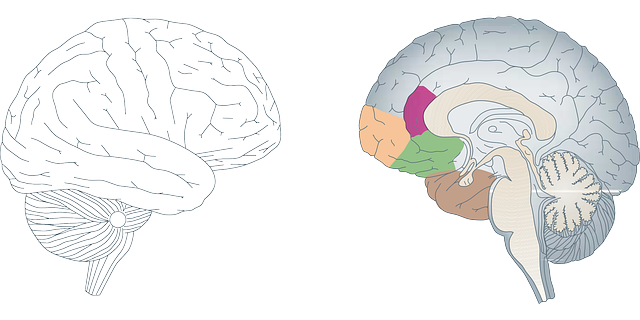
I have to admit; I have a duo diagnosis. I have both ADHD and Agenesis of the Corpus Callosum (Or ACC).
All of you probably know what ADHD is.
What is Agenesis of the Corpus Callosum?
As for ACC, well first let me tell you what a corpus callosum is. The corpus callosum is the fiber that connects both the right and left hemispheres of the brain. It allows both hemispheres to communicate with each other.
An agenesis of the corpus callosum is a birth defect in which partial or all of the corpus callosum is missing.
My Diagnosis
After my MRI, I went to the doctor two weeks later, and I discovered that I had this defect. My doctor told me it was partial, and I didn’t have to worry. I told him that at least this explains my ADHD.
When I was doing my research on ACC, I read that the causes of it could be genetic, Fetal Alcohol syndrome, or something serious that happened during the third trimester of pregnancy.
Throughout my life, I have heard my own mother say how difficult my birth was. Now both of us know why.
I wish that the MRI machine had been invented when I was a toddler. Among my first symptoms, according to my mother, was always choking on food. At the time, she went to the doctor and was told to drink slowly. That means whatever it means. It is impossible for anyone to drink slowly. Perhaps sipping would be a better word. However, my mother’s English is a second language.
Nonetheless, I do still have choking episodes from time to time, but now that I know, I have to be careful of how much I put into my mouth. My last choking episode near the end of 2020 was when I was trying to eat a green banana.
During my research of ACC, I have read that it is important to diagnose this defect before the age of two. However, there are instances of those finding out that they have ACC later in life, such as myself.
But also, according to my mother I had some developmental delays. She told me that I was close to two years old when I said my first word.
Fortunately, I can still walk and look normal. The other issues that are caused by the ACC for me are speech, mental, and social interactions.
For those people without a corpus callosum, they have more severe outcomes. They might have epileptic seizures, hearing or vision impairment, hydrocephalus, mental retardation, Andermann syndrome, Aicardi syndrome, and more that I can’t name here.
What does ACC Have to do With ADHD?
There has been some research done that says that both are related. Although all of these studies were centered on children, I believe this also applies to adults with both diagnoses.
According to one study, 74% of children had both ACC and ADHD. (Everett, 2022)
Researchers found that 26% of children with only ACC met the DSM-IV’s behavioral criteria for ADHD. (Everett, 2022)
In another study, they have found no differences between the two.
It is important to note that ACC is a rare disorder. It is estimated that one out of every 4,000 people suffers from it. ADHD is a symptom of ACC, but not everyone with ADHD has ACC. There is also a genetic component to ADHD.
I have heard from other people with ADHD that they know someone else in their family that has the condition too. Plus ADHD can be diagnosed along with other conditions like Autism.
But you do have to remember one thing: ACC is a rare condition and not everyone has it. But it does have something in common with ADHD.
If you love reading this article, please subscribe to the ADHD Pagan Newsletter. If you want to write for the ADHD Pagan, please read the Submission Guidelines.
If you enjoy reading this or any of my other articles, please consider making a one-time or monthly donation at Ko-Fi.com or Patreon. Medium doesn’t pay much, so every dollar counts for me to continue writing interesting and exciting blog posts for you to enjoy.


