
A Native American View of Thanksgiving
Reconciling a multicultural family’s celebration with the reality behind the myth
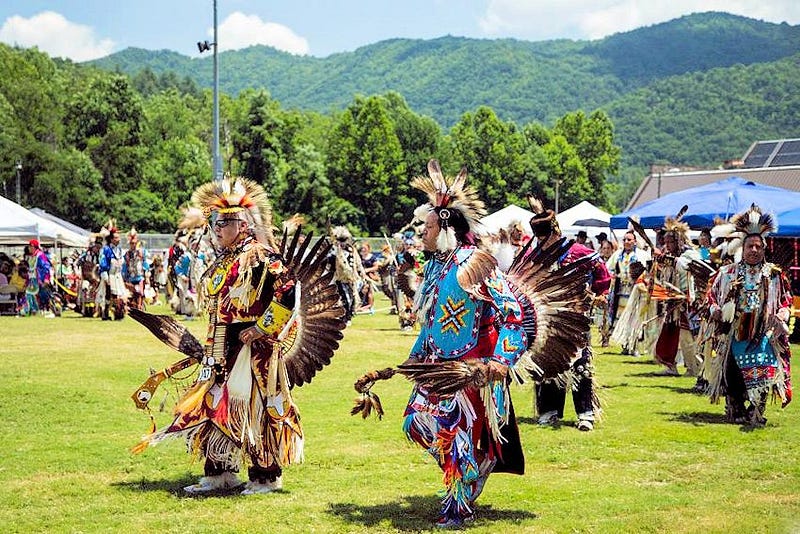
One hundred and twenty years ago (at least), my family’s native community started an annual November Harvest Celebration with traditional dance, songs, storytelling, and food, every year without fail. It takes place on the Qualla Boundary, a land trust purchased in the 1870s for the Cherokee but which remains under federal protective trust; it is not a government reservation. Source
I grew up an hour outside of this boundary, and at the time, my grandfather and his siblings who remained on the federally purchased lands continually reminded my brother and me that while Thanksgiving is a time of gratitude and appreciation for many, it is also a time of deep mourning for native people. I still feel this deep sense of mourning for my native ancestors and feel torn when it comes time to celebrate Thanksgiving. Family, friends, good food, and gratitude all sound great, but what about the countless lives lost, the cultures eradicated, and the lands decimated?
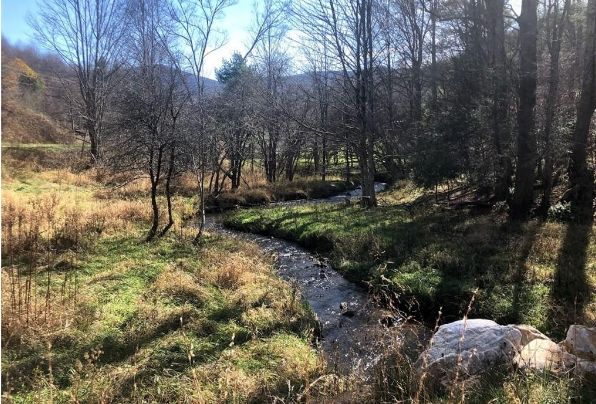
Because many Native American people do not celebrate Thanksgiving Day as observed in America, many Native tribes instead give thanks all year long for the harvest, the solstice, the rebirth of the seasons, friendship and family, and countless other reasons. This is a similar sentiment to the rest of America’s Thanksgiving, which is meant to remind us of the great gifts of life.
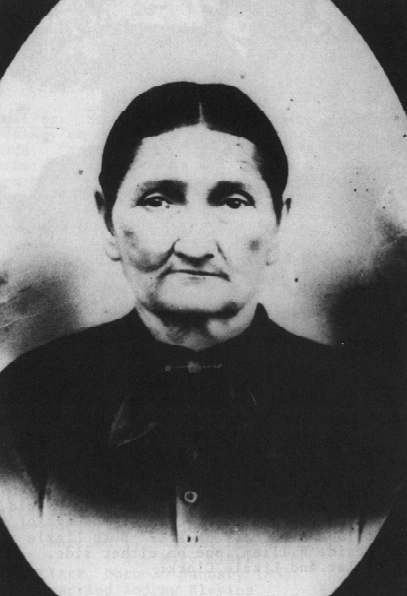
Like many of us, my family line is a multi-ethnic mixed-race tapestry braided together with Turkish, German, Black Dutch, Asian, Scottish, Cherokee, Catawba, Creek, and Shawano Indian descent (and more). And then there’s the Jewish (Ashkenazi and Sephardic) side that I only found out about after genetic testing.
My maternal grandmother tells stories of her birth Irish family coming over on the boat at the turn of the century, fleeing religious persecution in Ireland. Assimilation those first few years was lonely, and my grandmother and her four siblings were put up for adoption, all sent to different parts of the U.S. That side of my family relishes giving thanks for the freedom that America bestows, but which is hard to appreciate unless you don’t have it or it’s taken away.
But this is in stark contrast to my American Indian ancestry, where the holiday symbolically marks the death of many tribes and the enormous loss of vibrant cultures. When I started investigating the genealogy of my family, I was horrified to see that before the Indian Removal Act of 1830, most of my family on my grandfather’s side was, in fact, 100 percent Native American Indian, but once that law took effect, the population and culture slowly dwindled to almost nothing. People disappeared from my family tree without a trace, entire branches dissipated into thin air.
I’ve realized that Thanksgiving and its associated stories have a different meaning for me. Yes, I am abundantly grateful in all ways, but a part of me will always remember that oppression and genocide that contributed to what we call Thanksgiving in America. I will mourn the loss of Running Fox, Dancing Rivers, White Wolf, Little White Wolf, Aruna, Sleeping Fawn, and the countless others who inhabited these lands first. I and others acknowledge that we live on seized landmarked with bloodshed and reverence to those who came before us.
The modern Thanksgiving holiday celebration in America is best derived from bits and pieces of traditional European harvest celebrations, indigenous spiritual traditions of Thanksgiving, and incomplete documentation from indigenous historians and other scholars. The result is the rendering of a mythological event that is more fiction than truth.
One well-known rendition of the origins of Thanksgiving details King Philip’s War of 1675–76. The English killed thousands of Native people — including Ousamequin’s son, Pumetacom — and enslaved thousands more. Plymouth and Massachusetts celebrated their bloody victory with a day of “thanks giving.” If we are going to associate Thanksgiving with Indians and Pilgrims coexisting, the least that we should do is acknowledge the Native tribe, the Wampanoags, for their remarkable survival that continues to this day. Source
And perhaps this is what it means to be American, to be in a melting pot of experiences, history, and DNA: being thankful for what is here right now, both visible and invisible to the eye. Giving thanks and gratitude to those who came before us, to ourselves in this moment, and to the future generations who will follow. Cherokee people say otsaliheliga to express gratitude. It is a reminder to celebrate our blessings and reflect on struggles — daily, throughout the year, and across the seasons.
Our melting pot family will celebrate Thanksgiving this Thursday, and Native American Heritage Day on the day after. In true American style, we will celebrate Thanksgiving with a meal of tofurkey (modern American!), potatoes, stuffing, and gravy, followed by a post-meal hike/treasure hunt. When my husband asked what traditions I wanted to honor Native American Heritage Day with this year, I thought and then replied:
“By being out in nature. By giving thanks and reverence to the natural world that sustains us through everything. By honoring our ancestors who live and survive on the land in a sort of symbiotic relationship. I can think of no better way to honor those first inhabitants of America that played a crucial role in what American would become and what it is.”
I’ll also read to my son one of the classic children’s books in Cherokee culture, called Itse Selu: Cherokee Harvest Festival. And when he is older, I have more stories to tell, more photos to share, and more love for a culture that shaped the very fabric of America and continues to live in quiet dignity.
While these stories can be painful, this history still needs to be told and handed down to future generations. I tell this story for all of us, with a hopeful eye toward a more compassionate and just future, where we will not allow entire cultures to be exterminated ever again.
More Resources:
With love and gratitude, Aurora


