
A Humbled Parent: The Harsh Reality that Children Cannot Be Controlled
Recognizing that your child is an individual is inspiring, heart-wrenching and nerve-wracking all in one breath.
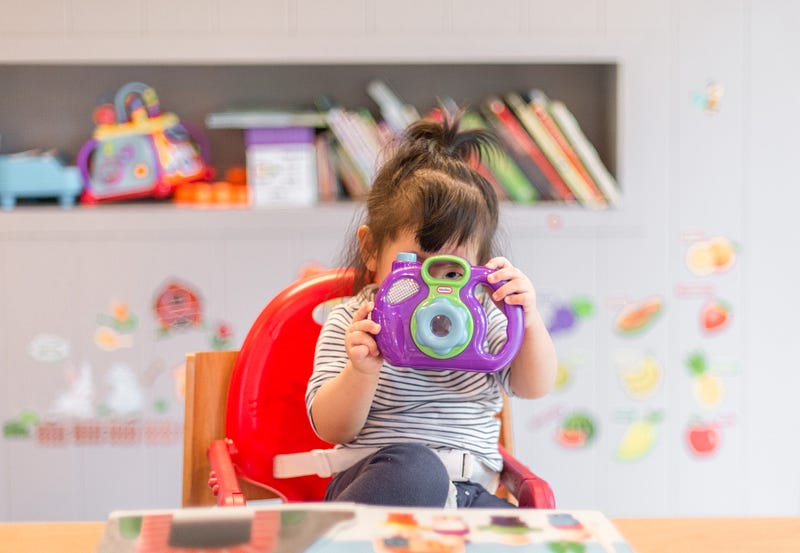
“Mom, my brother is awesome,” my 12-year old enters my bedroom for a hug and kiss goodnight. “You’re awesome, too,” he adds.
It’s these simple moments has a parent, I want to hold onto. The tenderness of my soon-to-be teenager who expresses his love for his family and doesn’t hesitate to show is affection brings me joy.
It’s been a journey to get here. And, it’s certainly far from over.
From the days of sadness and separation which have proven to be a blessing in disguise: our early journey woke me from many assumptions parents hate to admit.
When my child was swimming in my womb, I dreamt about how things might be.
The single greatest parental reality check is just how much children are individuals.
It sounds so obvious.
Perhaps this is one of those things I should not say out loud, but it’s a thought, many persons have — whether or not they are a parent.
Children can be controlled.
This is a fallacy.
It is sick and wrong and…
one of the biggest misconceptions anyone can make.
It’s a blessing and a curse.
The reality that your child is an individual is inspiring, heart-wrenching and nerve-wracking all in one breath.
The only person you can control is yourself.
This applies to everyone, including children.
You cannot make your children be quiet.
You cannot make your children clean up.
You can try to inform these decisions, but it is your child who decide to bring down their voice or put their toys away.
Letting go of the expectation of obedience is a harsh reality for parents, and often something mis-understood by those who are not parents.
So, what do we do instead?
Model kindness and respect.
Why amplify “Do as I say, not as I do” when you can model kindness and respect, instead?
Dictating actions without leading by example doesn’t work. It’s not how humans learn; it’s human nature to push back in such instances as an adult — yet, people think it’s okay to treat children this way.
Children emulate the actions of others, so show them what you what to see more of.
Be the change you want to see in others; especially your children.
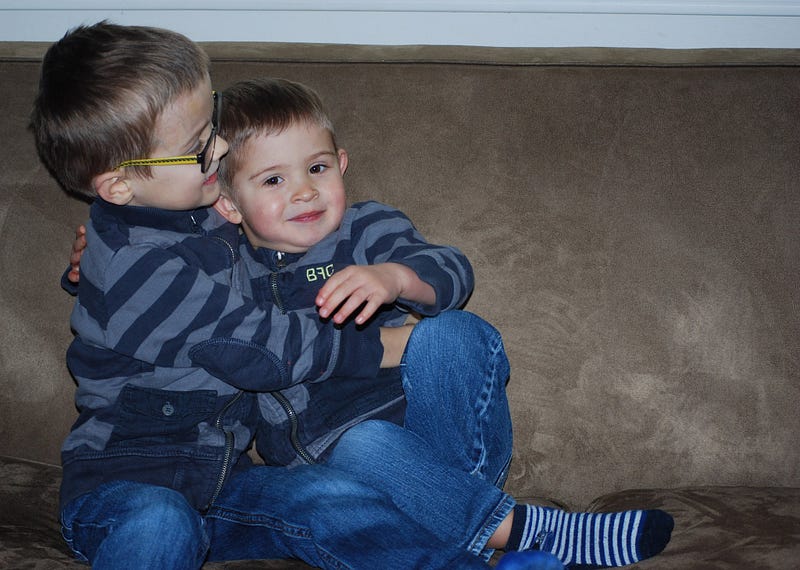
Be cognizant of your tone and body language.
If a picture is worth a thousand words, tone and body language might just let you double down. Non-verbal actions are often voluntary, which is why it’s critical to be mindful and aware of your tone and body language. In-fact, some studies say:
93% of our communication is non-verbal.
Albert Mehrabian breaks down:
- 55% of communication occurs through body language;
- 38% through tone; and
- only 7% of the words themselves.
Even if this data is challenged and one accounts for a significant margin of error, you can easily see the significance of a message being a combination of the above three factors.

Plan ahead.
Prepare for what you can and extend this courtesy to the kids.
Thank you Google calendars, and 5-minute family meetings.
Now that our children are getting older, they use a Google calendar to map out their activities. Involving them in this process and the visual tool, is helpful for everyone.
We’ve even introduced a colour coding system:
- GREEN: Activity is out of the house. They need to be prepared to “go”.
- BLUE: School work. (My kids homeschool.)
- RED: Stop — priority item for the day. This item needs to happen to help the day be a success. This is selectively used.
- GREY: Complete. This was my 12-year old’s idea. He likes the visual affirmation of what he has accomplished. My 10-year old has taken to it as well.

Anticipate what might be coming and set the situation up for success by telling children, ahead of time, what will happen and what your expectations are.
When children know what is coming and what is expected of them, they are more likely to be responsible for themselves.
Build your team’s capacity: teach children practical life skills.
In doing so, set the team — you and the kids — up for success.
Many hands make light work, and guess what, the kids are capable of so much more than we often give them credit for.
From in the kitchen —
My 10-year old is my sous chef in the kitchen — cutting veggies like a pro! He’s more skilled than me. We divide and conquer in the kitchen, not only does it take the pressure off of me, it’s quality time together — and it’s fun!
There is not many better ways for me to de-stress from the office, than enjoying quality time with my kids.
My neuroatypical 12-year old isn’t comfortable with a knife, so he helps by gathering ingredients. It’s a great way for him to be involved in with a task he is comfortable and confident accomplishing.
To laundry —
We do it together.
When the expectation is set as a team task, there are not the battles or burden on one member of the household, and it takes half the time to get the job done.
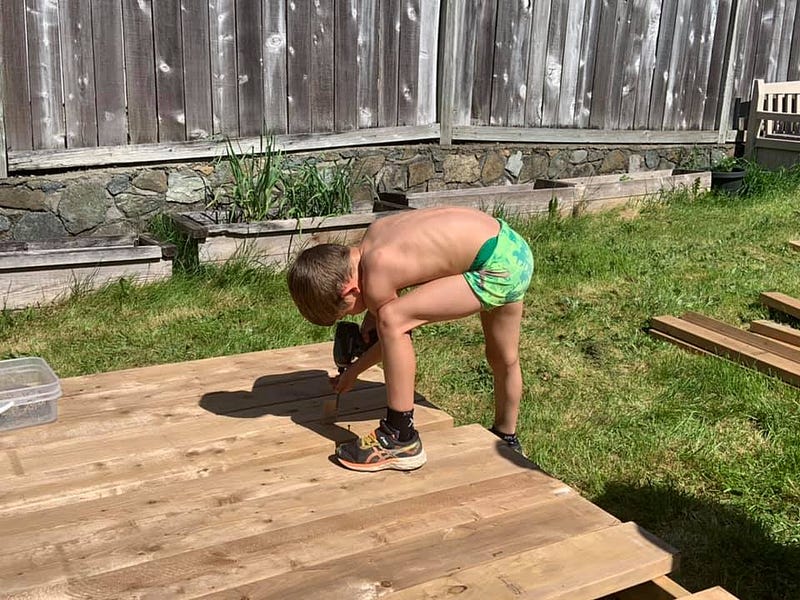
Takeaway
There’s no magic formula for parenting.
For my family, I take a very intentional approach to parenting and family life. It’s one that’s consuming and redefines me as a person.
I am fine with that.
But, it’s an approach that I know doesn’t work for others.
Parenting is hard and full of preconceived notations, many of which are wrong. That’s not harsh; that’s just reality.
I am not by any means saying this approach is the way to parent. It works for my kids — as they are unique individuals.
What works for you?
Check out these pieces from other parents writing on Medium:
CL Huth describes how kindness is not a transaction; give from the heart:
Kalyn Denham writes about the realities of parenting and the mind running at all hours:
Brenda Mahler highlights the importance of comprise and shares several fabulous stories of adventures with her granddaughter that are sure to make you smile:
Another parenting perspective:
Enjoyed this article? Continue to be inspired, read unlimited stories on Medium and share in the community for just $5/month.
COPYRIGHT: Absolutely no photos or content may be reproduced without written permission of the author.