A Guided Tour to the German Landscape
Keuper landscape
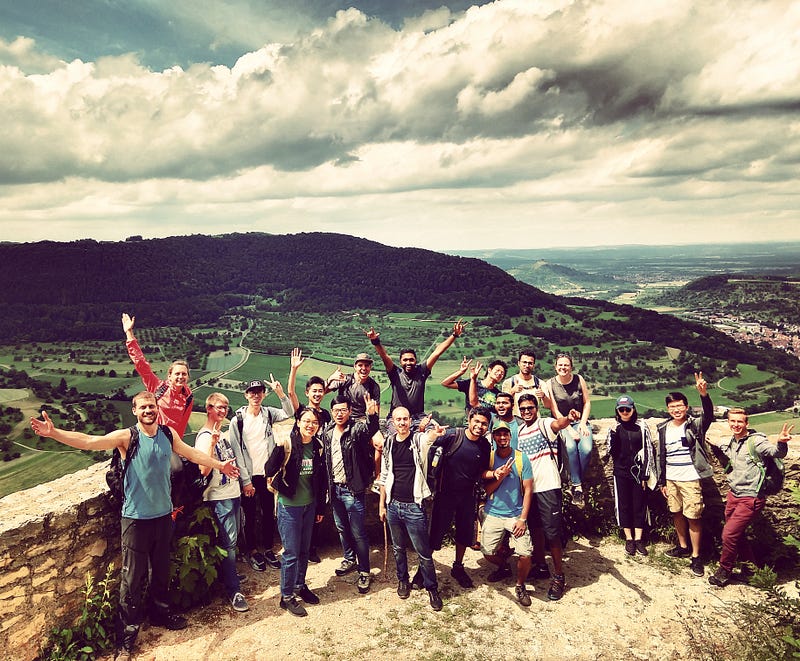
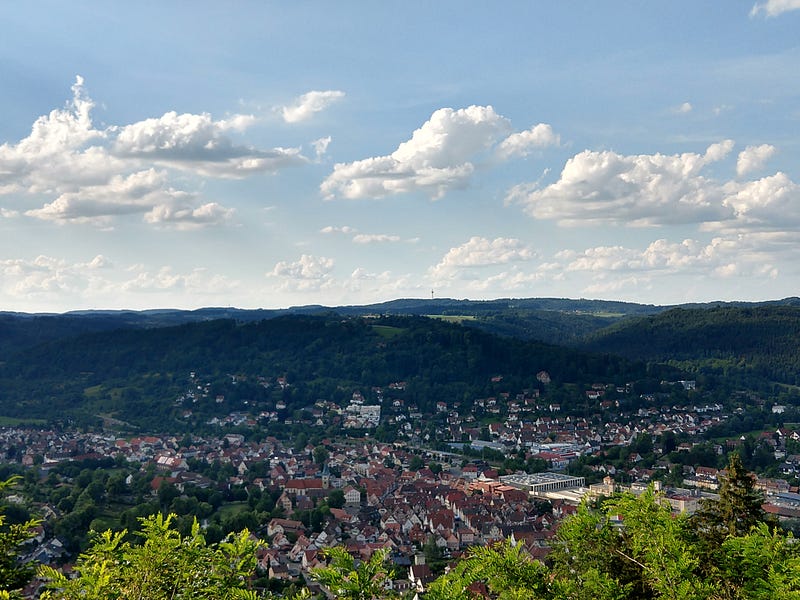
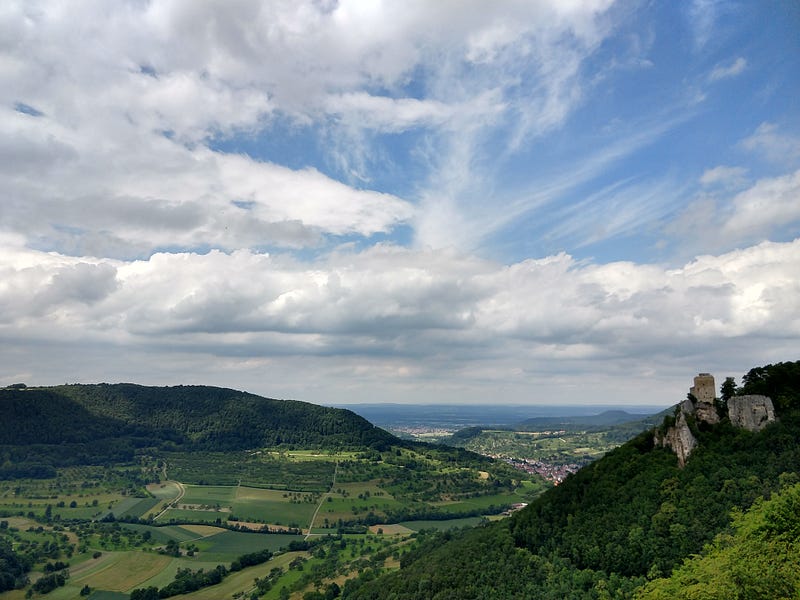
In the region of Stuttgart, a city of the south west of Germany, you can find the Keuper landscape. This region is geologically interesting with many layers of sandstone of various colors showing their tips on the ground. These rocks are hundred of million years old and give beautiful colors to the buildings of the region.
In Europe, the ground is often covered with loess, a very fine mineral created by past and present glaciers. Rocks were degraded by the subsequent cold periods and the fine particles were transported from the northern regions of Europe. The soils formed in this region are fertile “chernozem” in dry cold environment and “luvisol” in wet climate. Both soil are very fertile but limited by the cold temperature of Central European winter.
In the land which are not used for agriculture, usually the steep highlands, beech-oak and oak forests are dominating. Compared to beech, oak is a more friendly tree. While the multilayered leaves of beech tree stop all the light, oak’s leaves let the the sun reach the ground. For this reason, more bushes and herbs can grow under oak trees. The oak forest is species rich with plants like Stellaria holostea and Scilla bifolia. The community of plants growing in the oakwood depends on the oceanity conditions like warmth and wetness.
Both the Keuper and Schwabian region of southwest Germany have large grasslands. Historically many shepherds used to bring their sheep and cattle to graze in these valleys. Herbs and grasses coevolved with this human practice and now German grasslands are rich in species. Unfortunately the shepherd’s way of life is not attractive and fewer people want to live wandering with sheep on the hills of south Germany. The government even pay shepherd to make the sheep graze on the hills to conserve rare grass species.
These artificial and historical grasslands are nowadays managed as pastures or meadow. A meadow is cut few times a year to harvest straw and biomass for biogas and bioplastic production. A meadow is often fertilized and needs large machinery for cutting the grass. After the cut, the microclimatic condition changed due to the sudden removal of the vegetation cover. Plants get used to the cut and adapt by flowering between the cut, this creates a stunning flowering aspect of the meadow especially in spring. Very beautiful!
A pasture doesn’t have impressive flowering aspect because each plant species can flower at different time. Sheep only eat few parts of the plants and when they poop, they fertilize the grassland. Sheep select which plants to eat and some plants are not appreciated or even poisonous, these plants are called pasture weeds. The farmer has to be careful of these weeds because once a weed has invaded the grassland, it is not usable for pasture anymore.
Tall oat grass is the most common meadow. It spreads on moist, nutrient rich planar colines. It is moderately fertilized and cut 2–3 times a year starting in June. It is highly productive and produces a high quality fodder, 5–8 T/ha. This meadow becomes species poor when over fertilized and nowadays it is often transformed into arable land for agriculture.
Foxtail grass meadows grow on very wet and nutrient rich soils, especially on floodplains. It produces an abundant high quality fodder.
Schwabian alb
The Schwabian alb are a small mountainous range in the south west of Germany.
These mountains were raised by tectonic forces which pushed old rocks from the Jurassic period at the surface making them vulnerable to erosion. This is a cuesta landscape, a landscape of high plateaus layers.
These plateaus have different ages, heights and names. The highest and thus youngest, is the white Jura, then comes the intermediate brown Jura and the lowest plateau is the black Jura. The color of these plateaus is inherited from the past marine environment and biological activity.
In the past million years, a shallow ocean was covering the region. The climate was tropical, similar to the Bahamas and the gulf of Mexico today. The bioactivity of algae and animals created the accumulation of dead shells which today form the calcareous rocks of the Schwabian alb. Marl and limestone rocks largely dominate the geological landscape of this region.
By definition limestone is composed of more than 75 % of carbonate while the marl is made of between 5 % and 75 % of carbonate. Carbonates come from the shell of dead marine organisms.
Rocks rich in carbonates are very porous and create a network of caves. The water easily infiltrates in these rocks, therefore the large valleys of the Schwabian region are safe from flooding and suitable for agriculture. The water infiltration makes water scarce and was probably a problem for the first human coming in the region who needed water to drink and cultivate crops. For this reason, the first human settlements of the region were built on volcanic rocks which are impermeable and able to retain water.
About 200 volcanoes emerged in the region, they are now extinct but still inform us about the past geological activity. Rivers and creeks are today often found on fault lines which were active in the past and shaped the relief of the region.
The soils of the region are fast to develop because of the soft marl rock which is quickly altered by heavy rains. Because of this, landslides are common in the region.
The relief of the landscape highly influence the soil quality. At the top of the Schwabian alb are shallow soil on limestone, while the valley at the bottom of this mountainous region is covered by thicker soil rich in organic matter, Umbrisol, fertile and ideal for agriculture.
The dominant tree of the Schwabian alb is the beech (Fagus sylvatica). This species is highly competitive in mountainous area because tolerant to many site factors (e.g : moisture, acidity, temperature). The numerous tree leaves organized on different layers are very efficient to capture the light and shade the ground, therefore beech woods are often species poor.
On acid soil with wet conditions, the beech leaves are slow to decompose creating a thick humus rich in ammonium.
On dry limestone slope where the beech is at the limit of its distribution, the canopy is not completely closed and light can reach the ground. This is an opportunity for some photophilic and drought tolerant herb species to grow on the rocky shallow soil. This environment has many species of sedges such as Carex digitata, Carex flacca, Carex montana, Carex alba.
On even dryer crests and highlands which were marine sponges millions years ago, beech is replaced by oak, ash and pine trees. Light is available so mountainous grasses and herbs can grow. This warm environment has a climate similar to the Mediterranean region.
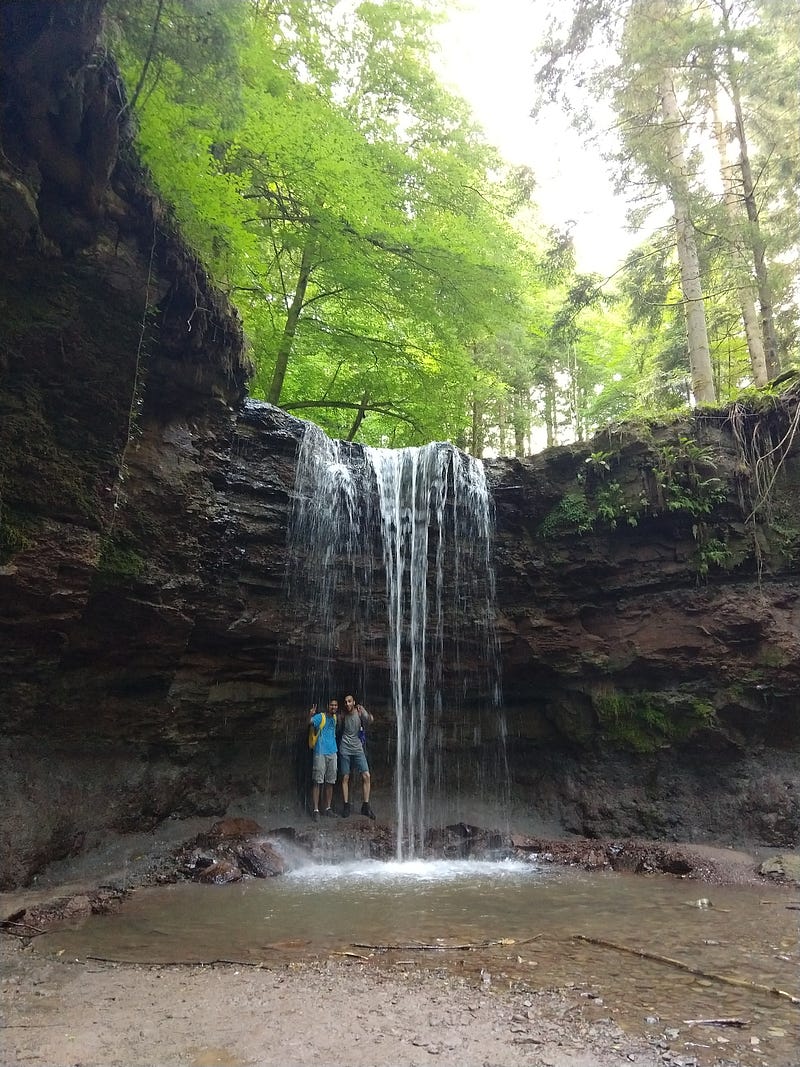
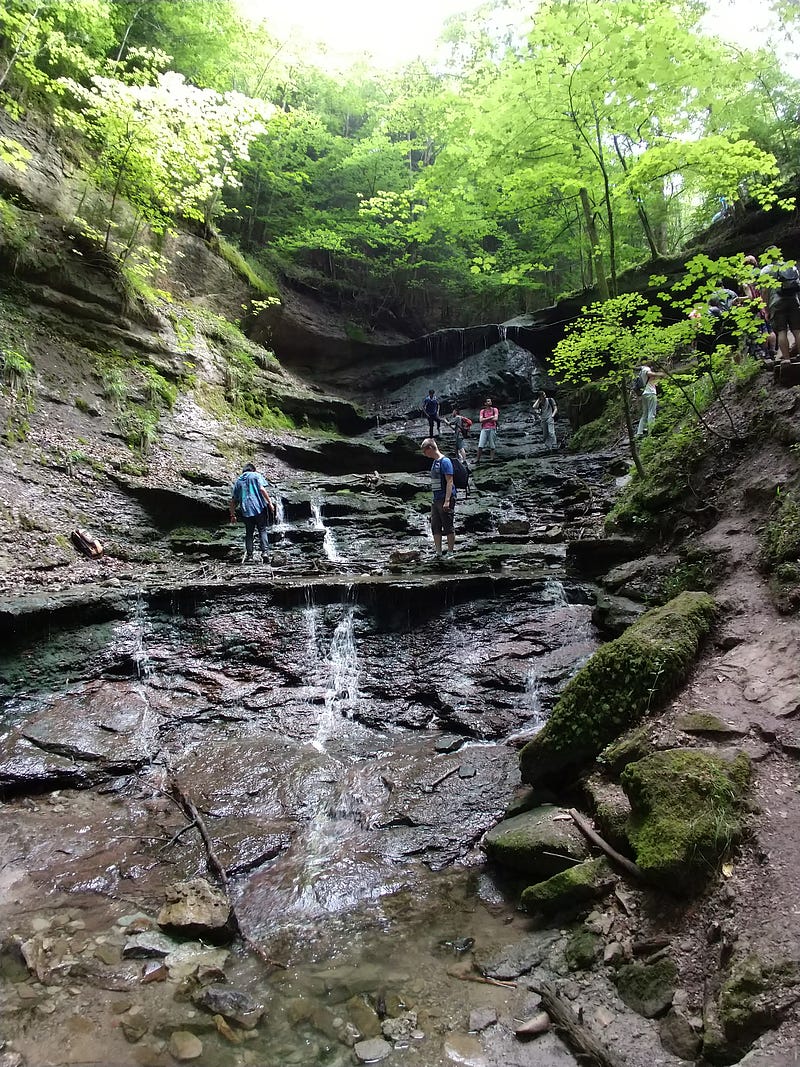
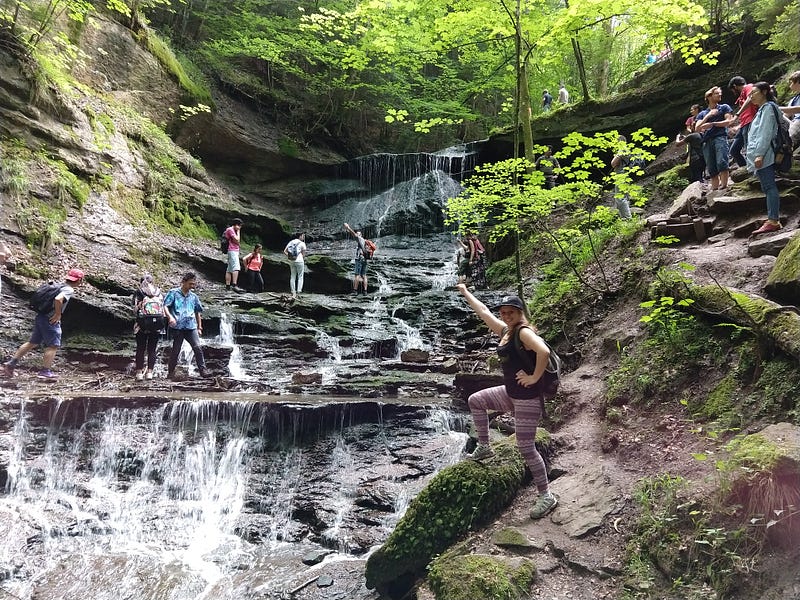
At lower altitudes, on shadowed slopes in humid environment, other trees can appear for example ash, maple and lime trees. These trees are especially common next to waterfall like Bad Urach in the south of Stuttgart.
On the flat valley at the bottom of the Schwabian alb, there are pastures with Juniperus bushes very typical of the region. Farmers receive subsidies to make their sheep graze there and conserve this traditional and lovely landscape.
Kaiserstuhl
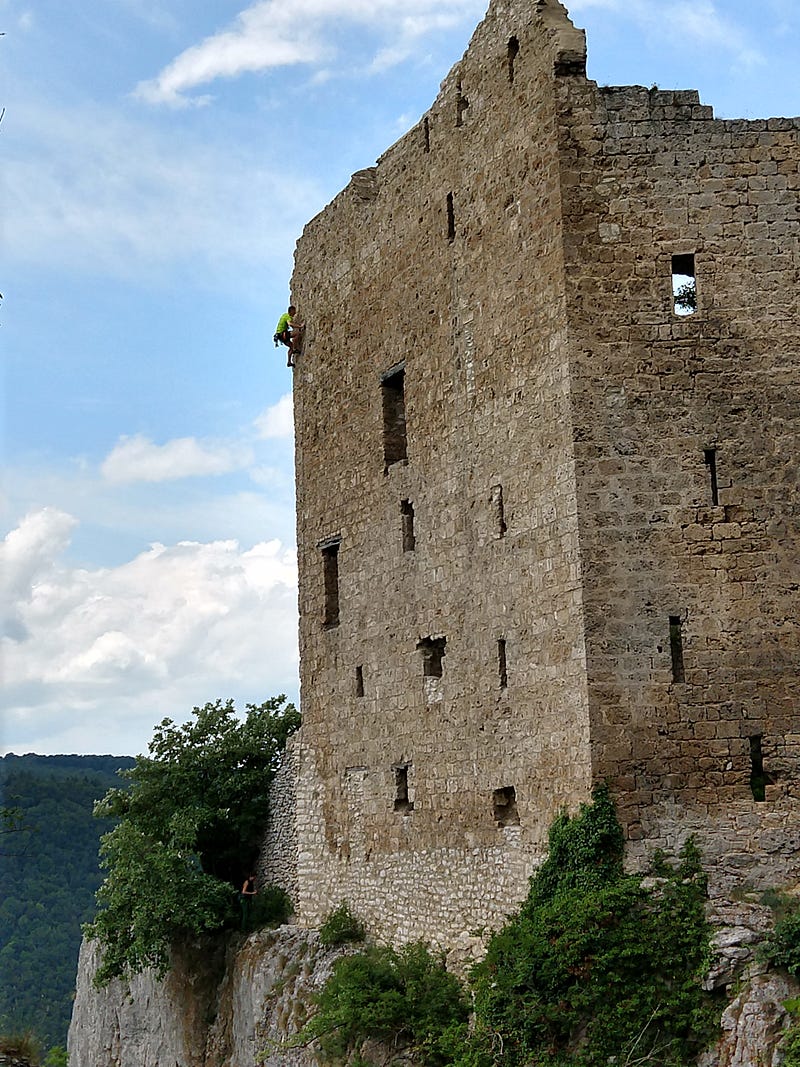
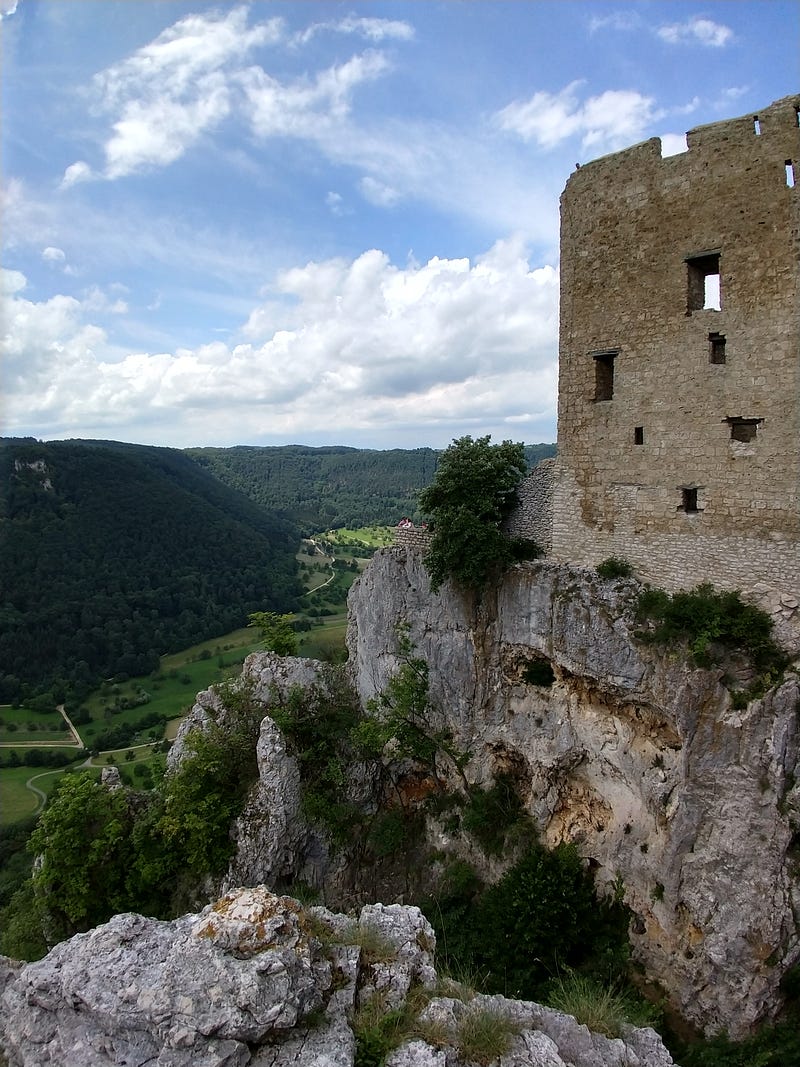
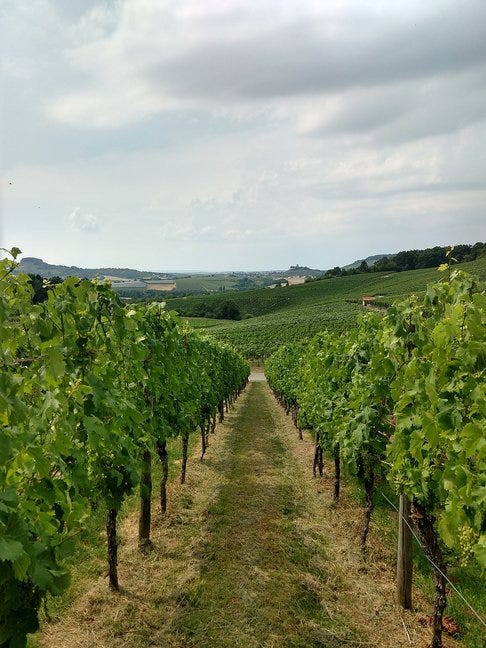
This region in the southwest of Germany, directly on the border with France, is the warmest region of Germany. Its soil, rich in loess, has also enabled farmers to grow wine on sunny sloppy hills. Soil covered by fine particles of loess are very fertile
The natural vegetation of this area is mainly composed of plants loving dry, warm and light rich conditions. Downy oak wood and box tree wood are the most common vegetation. Thermophile herbs and bushes grow under these trees.
The grasslands of the area are dry and therefore contain grasses adapted to xeric conditions such as bromus erectus, carex humilis, orchis etc…
Black Forest
The Black Forest is a dark area in the south west of Germany. Dark because of the dense spruce and fir trees growing there. In the north of the black forest, the rock is mainly sandstone while in the south rocks are granite and gneiss. The latter are richer in nutrient and produce more fertile soils. In the south where water cannot infiltrate through the granite, soils are often saturated in water and therefore acid and rich in gley. In higher lands and steep slope, the soil is thin and less water saturated.
The vegetation is dominated by fir which distribution is linked to mountainous ranges. The juvenile trees are tolerant to shading and therefore more competitive to grow tall before the saplings of other species. It’s also tolerant to continental cold winter. Its deep taproot and low need in oxygen make it more tolerant to stagnant water.
Humans also influenced the forest with clear-cuts. These clear-cuts impaired firs which are less competitive in open landscape than light demanding species like spruce and pine trees. These two species are faster to resettle in the cleared areas.
Young firs are sensitive to deer browsing, therefore it is more complicated for foresters to grow them. Despite the high quality of their wood, foresters neglect the fir and prefer to cultivate more convenient species like spruce.
Fir-spruce wood are high wood dominated by conifers with an herbal layer of mesophile plants tolerant to acidity.
Blueberry spruce wood have acid soil and therefore the herbal species are Vaccinium myrtillus and Vaccinium vitis-idaea which are blueberries species indicators of acidity.
On high mountainous shaded slopes with a flowing humid air, maple and elm are dominating. Montane tall forbs and ferns are growing under these trees.
On shallow acid soils, there are mixed oak coppice woods. Oak bark was very valuable in the last centuries for leather tanning and fence building. The ground is covered by acid plant indicators like blueberry, sedges and mosses: Vaccinium myrtillus, Carex pilulifera, Polytrichum formosum.
In the lower part of the Black forest, there are hazel shrub which were introduced by human for timber rafting. Hazel shrub are the preferred habitat of the hazel hen which probably got its name from the shrub.
Montane pastures on the black forest hills have acid tolerant species. They often degenerate into heathland when pasturing is stopped, for example the Scotch broom and the Eagle fern are common pasture weeds. They take over on the Juniperus community traditional landscape.
Mires from glacial environment
During the last ice age, glaciers shaped Europe creating hills, lakes and bringing huge rocks kilometers away from their place of birth. On the lake created by the glaciers, vegetation succession occurred and species of herbs and mosses adapted to water saturated soil started to grow.
A moss is particularly successful in this environment, its name is Sphagnum. Sphagnum moss is a key species capable of storing a huge amount of water and therefore tolerant to wet conditions. It doesn’t require much nutrient and survive on nutrient brought by the rain. Sphagnum acidifies its environment and so avoid competition from other plants which cannot stand highly acid conditions. The moss grows fast and its dead parts accumulate without being decomposed due to extreme acid conditions. This accumulation of organic matter gives its shape to the raised bog. It is also a carbon storage and therefore an asset to mitigate climate change.
The special conditions of such ecosystem makes it home for many endemic and rare plant and insect species which couldn’t survive without bogs. My favorite example are carnivorous plants like sundews (Drosera). Bogs are also a library of pollen giving us information of past vegetation growing there hundred of thousand years ago.
Bogs and peatlands are threaten by agriculture which drained them and transform them into arable lands. Draining peatlands emit lots of greenhouse gases due to the activation of bacteria which decompose the organic matter accumulated during thousand years. Not good for climate change!
Rhine valley
The rhine river takes its source in Switzerland at an altitude of 2500m above the sea. Then it crosses the alps creating deep V-shaped valleys on its path. Down the alps, it takes a rest in Constance lake and then continues its journey to the north of Germany. It passes by the Black forest and the east of France to finish its way in the north sea.
Along the Rhine are the most beautiful landscape of Germany, made of canyon, fluvial valley and historical castles.
The physical conditions around this river are very special. The soil is very often wet and rich in rocks and sand which were transported from the mountainous region to the lower valleys. Plants growing there have to be adapted to these anoxic conditions, where oxygen is scarce due to the abundance of water.
Hardwood floodplains which are submerged by water at least 20–50 days a year, are dominated by Alnus and Ulmus trees.
Floodplain inundated more than 3 months a year are the ideal environment for black alder and silver willow trees. In this wood, the water is always close to the soil surface. Willows and black alder also grow well in fenwood which have the same properties than floodplain but can develop apart from rivers, in bog and peatland for example.
Small plants and herbs growing in these floodplain are resistant to disturbance and use the strength and violence of the stream to reproduce vegetatively: each piece of plant cut by the stream can create a new individual.
Last words
The landscape of any region is first drawn by the geological history. Which tectonic moved where? Any volcanoes shouting around? This geological event bring the first minerals which are mistreated by the climate and give birth to the first soil. The properties of the soil promote a certain kind of plants: acid tolerant, wet lovers, sunbathers etc…
Finally come us, humans. By our activity, mainly agriculture, we shape the landscape, cut the forest and promote a different vegetation.
The ecology of the landscape depends on the interaction of all these factors. That’s big and that’s hard to understand. I hope you understand it better now. Tschüss!