
A FILM TO REMEMBER: “THE SNAKE PIT” (1948)
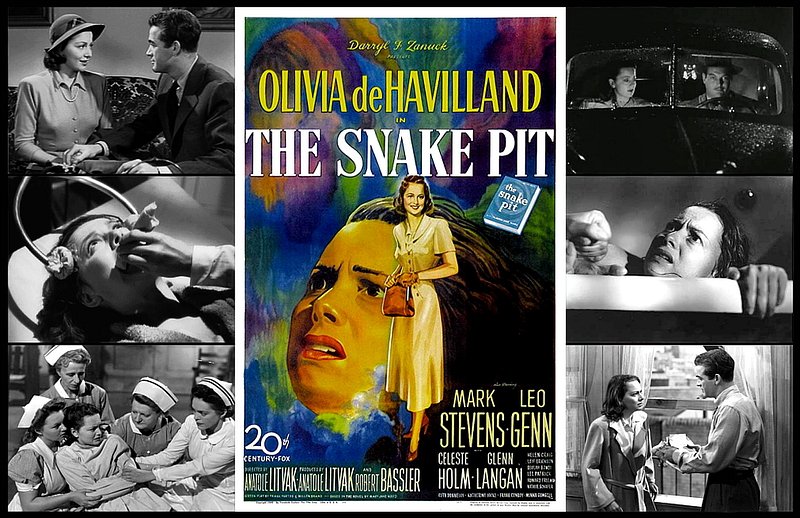
Before I get into this, I want to make mention “A FILM TO REMEMBER” will be a series about films that have reached a milestone anniversary since their origin in being culturally, historically, or aesthetically significant. The articles will contain the film’s plot outline, director, cast, a compilation of trivialities, various photos, movie trailer, critical reception and more. So, let’s start:
We are here to mark the celebration of the 70th Anniversary of Anatole Litvak’s “The Snake Pit”. Let’s take an inside look at the film:
PLOT OUTLINE:
A detailed chronicle that tells the story of a woman who finds herself in an insane asylum and cannot remember how she got there.
STUDIO:
20th Century Fox Pictures
DIRECTOR:
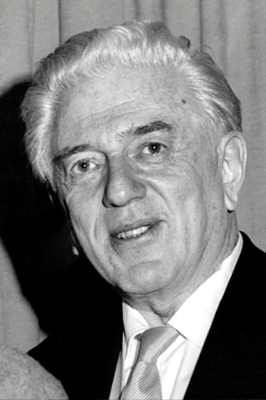
Anatole Litvak
CAST:
- Olivia de Havilland … Virginia Stuart Cunningham
- Mark Stevens … Robert Cunningham
- Leo Genn … Dr. Mark H. Van Kensdelaerik / “Dr. Kik”
- Celeste Holm … Grace
- Glenn Langan … Dr. Terry
- Helen Craig … Nurse Davis
- Leif Erickson … Gordon
- Beulah Bondi … Mrs. Greer
- Lee Patrick … Asylum Inmate
- Howard Freeman … Dr. Curtis
- Natalie Schafer … Mrs. Stuart
- Ruth Donnelly … Ruth
- Katherine Locke … Margaret
- Celia Lovsky … Gertrude
- Frank Conroy … Dr. Jonathan Gifford
- Minna Gombell … Miss Hart
- Betsy Blair … Hester
GENRE(S):
Drama | Mystery
TAGLINE:
Married and in Love…with a Man She Didn’t Know or Want!
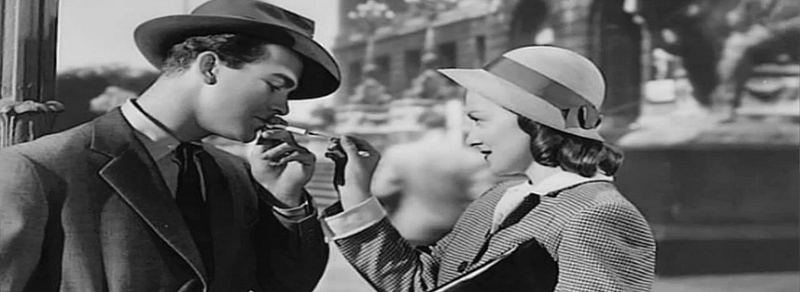
The film is known for being one of the first to take a serious look at chronicling life with the mental illness of schizophrenia (also known as dementia praecox) and living in an insane asylum that touches on various subjects from the forms of treatments like electro-shock and hypnotherapy, to the hospital’s organized spectrum of “levels” and the “snake pit,” where patients considered beyond help are simply placed together in a large padded cell and abandoned. Director Anatole Litvak makes no compromises with the shocking and painstakingly facts as presented in the novel to the screen which results as a drama that builds to a fever pitch of tension and clutches itself there with a compelling artistry and a particularly, terrifying performance from Olivia de Havilland. The film is based from Mary Jane Ward’s semi-autobiographical novel of the same name, it was critically taken kindly but some like Herman F. Weinberg, a noted psychiatrist and a few women’s rights authors have taken issue towards this cinematically lurid and psychological exemplarism.
Here’s what some of the critical receptions have been for the film over the years:
TV Guide Staff from TV Guide says: “This remains one of the best screen explorations of mental illness and its treatment.”
Emanuel Levy from EmanuelLevy.com says: “As one of Hollywood’s first ‘serious’ chronicles of life in an asylum, the film is uneven, containing some intelligent observations but also lurid sequences and simplistic psychological explanations.”
Leonard Maltin from TCM.com says: “It’s one of the first films to deal intelligently with mental breakdown and the painstakingly slow recovery process.”
Geoff Andrew from Time Out says: “It’s entertaining enough in a hysterical sort of way, even if it never matches up to the excesses of Samuel Fuller’s later ‘Shock Corridor.’”
Bosley Crowther from New York Times says: “It must be said to the credit of Anatole Litvak and Twentieth Century-Fox (in the person of Darryl F. Zanuck) that they approached this extraordinary job with a sense of responsibility to treat fairly a most delicate theme. They followed the book with rare fidelity. They stuck rigidly to documented facts, and they shunned the obvious temptation to melodramatize insanity.”
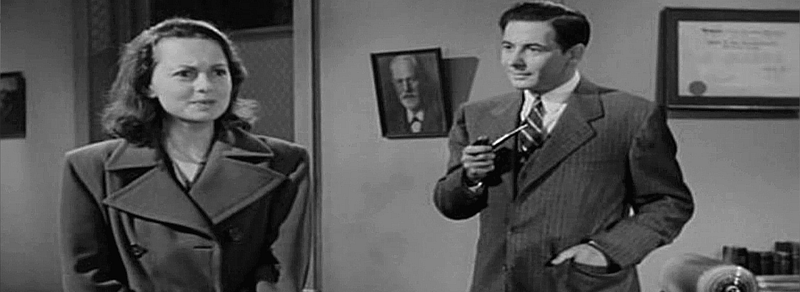
As you can tell by the critical reactions, the film was generally taken kindly from critics overall though some pundits felt it was uneven and noted psychiatrist, Dr. Weinberg was unimpressed calling it “superficial” while certain women’s rights authors disagreed with the seeming mis-portrayal of de Havilland’s character’s difficulties and the implication that accepting a subservient role as a wife and mother is part of her “cure”. But others, consensually viewed it as successful in conveying Ward’s view of the uncertainties of post-World War II life and women’s roles in this mental exploration of a grippingly straitjacket, out of touch with reality, deep-rooted cinema specialty. But I’ll let you decide…
So, to get a better look at the film, here’s a link to the movie trailer of Anatole Litvak’s “The Snake Pit”:
Here I have provided 12 interesting and intriguing trivia facts (I wanted to keep it limited) about “The Snake Pit”:
- Mary Jane Ward’s novel, the basis for this film, was an autobiographical account of the author’s experiences in psychiatric hospitals. The book caused considerable controversy upon its publication in 1946, as it was a scathing indictment of the treatment of psychiatric patients, a subject considered taboo in the 1940s. Naturally, the book was a runaway bestseller.
- Gene Tierney was the first choice for the role of Virginia Stuart Cunningham, but was replaced by Olivia de Havilland when Tierney became pregnant.
- Director Anatole Litvak insisted upon three months of grueling research. He demanded that the entire cast and crew accompany him to various mental institutions and to lectures by leading psychiatrists. He did not have to convince Olivia de Havilland who threw herself into the research with an intensity that surprised even those who knew her well. She watched carefully each of the procedures then in vogue, including hydrotherapy and electric shock treatments. When permitted, she sat in on long individual therapy sessions. She attended social functions, including dinners and dances with the patients. In fact, when, after the film’s release, columnist Florabel Muir questioned in print whether any mental institution actually “allowed contact dances among violent inmates,” she was surprised by a telephone call from de Havilland, who assured her she had attended several such dances herself. Much of the film was filmed in the Camarillo State Mental Hospital in California.
- Anatole Litvak, an early adopter, and master of the whip pan scene transition device, used the whip pan no fewer than eight times in this film.
- The title stems from an ancient practice of dealing with the mentally ill where they were thrown into a pit of snakes. The theory was that something like that would make a normal person insane, therefore it must work in reverse.
- The character of the gentle psychiatrist Dr. Mark H. Van Kensdelaerik (played by Leo Genn) was based on the real-life career of Dr. Gerard Chrzanowski, who told his patients to call him simply “Dr. Kik.” Dr. Chrzanowski died in November, 2000 at age 87.
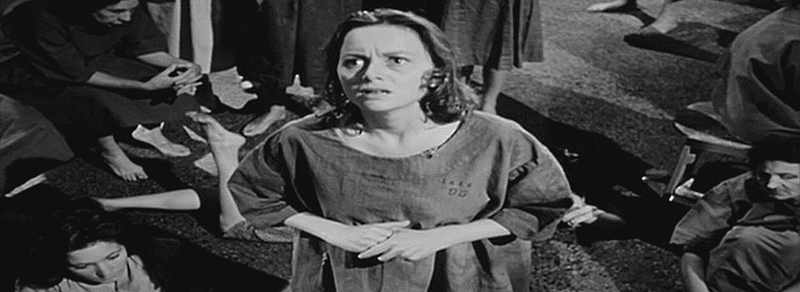
- “The Snake Pit” compelled 13 states to change their laws concerning mental health issues following the film’s release.
- Often described as the first film to deal seriously with mental illness and mental institutions.
- In an interview, Olivia de Havilland described her research: “I met a young woman who was very much like Virginia…a schizophrenic with guilt problems. She had developed…a warm rapport with her doctor, but what struck me most of all was the fact that she was rather likable and appealing…it was that that gave me the key to the performance.”
- For the flashbacks to Olivia de Havilland’s character’s life before institutionalization, she wore clothes two sizes too large. Anatole Litvak also had her dark eyebrows blotted with powder to de-glamorize her look.
- Ginger Rogers wrote that she turned down the lead in this film, as well as “To Each His Own” (1946), both of which Olivia de Havilland accepted. De Havilland won an Academy Award for “To Each His Own” and was nominated for this film. Rogers wrote: “It seemed Olivia knew a good thing when she saw it. Perhaps Olivia should thank me for such poor judgment”.
- Famed author Stephen King has said that watching this film on TV as a child deeply disturbed him and made him feel that he could suddenly go insane, directly contributing to his macabre interests and subsequently his writings.
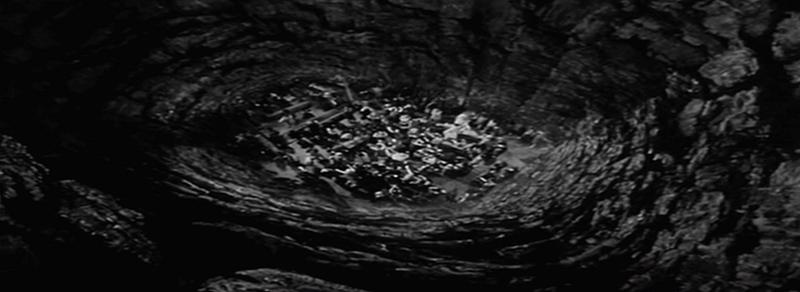
To conclude, Anatole Litvak’s “The Snake Pit” will go down in the annals of cinema as one of the most unusual subjects ever attempted, and what is more to the point, successfully accomplished on this chronicle about an insane asylum and the mental illness of schizophrenia that is intelligently geared as a taut and suspenseful narrative in a first-person dramatic account. Anatole Litvak’s tempo achieves in his direction in moving his story relentlessly from one psychological peak to another as it’s a directorial feat for which much credit must be given as well as the meticulousness which governs in a solid cast led by Olivia de Havilland and her culminating psychotropic performance in this cerebrally arresting, emotionally frenzied and institutionally entrenched cinematic touchstone.
NOTE: The article contains sources from IMDb and Wikipedia.
Follow me and check out other articles of mine: