
8 Amazing Japanese Fast Food Restaurants That You Should Try
Yes, Japan does have their own fast-food chains
To read this entire story and others by me and amazing authors at Medium, please consider a membership that gives you unlimited reads on this website.
We’ve all most likely heard of and eaten at global fast-food chain restaurants like McDonald’s, KFC, Subway, Wendy’s, Carl’s Jr., and Taco Bell. Most American fast-food chains have restaurants located all around the world. It’s common knowledge that pretty much anywhere you go in the world you are bound to find an American fast food joint.
Japan is no different.
Although Japan is known for its authentic and healthy Japanese food like sushi, tempura, tofu dishes, and miso soup, Japanese people do love fast food as well. As American culture spreads, not only in big cities like Tokyo or Osaka but in every small town or suburb around the country, you can find American fast-food restaurants.
To rival these major chains, Japan has its own fast-food chains for people looking for quick, cheap, and convenient food to eat on the go. Japanese fast-food chain restaurants, some of which I would argue are healthier, more delicious, and cheaper than American chains, are so popular that much like American chains, they are spreading to other countries and becoming well-known globally.
Here are ten of the most popular and famous Japanese fast-food restaurants that you should try while you are in Japan or if one opens up where you live.
Mos Burger
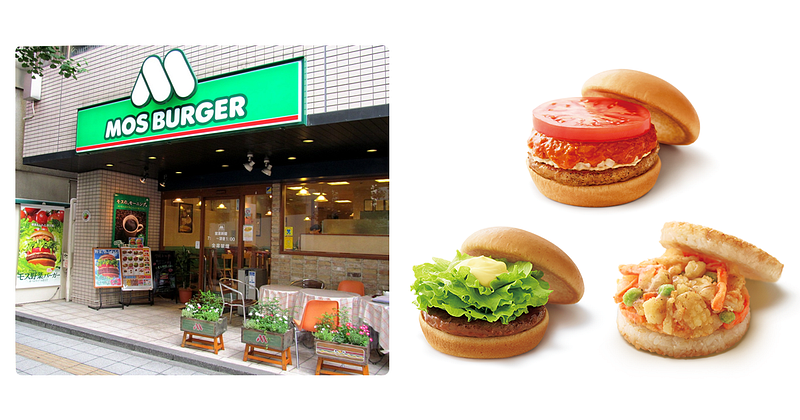
Mos Burger is Japan’s biggest fast-food chain with over 1700 stores. Mos stands for mountain, ocean, and sun. The creator, Atsushi Sakura used to live in Los Angeles in the 1960s and was obsessed with chili burgers. After returning to Japan he decided to open his first store in 1972.
Along with its signature “Mos Burger ‘’ which is a beef burger with chili sauce, the restaurant also became popular because of its teriyaki chicken burger and its rice burger. A rice burger uses rice instead of bread as buns.
Mos Burger was the first restaurant to offer its food in all 47 prefectures of Japan and in 1991 spread beyond Japanese borders to Taiwan. It also has shops in Singapore, Thailand, Indonesia, China, Korea, the Philippines, and Australia.
A healthier version of McDonald’s, Mos Burger uses the basic idea of an American hamburger, uses fresh Japanese meat and vegetables, and creates a Japanese-style burger. Most burgers use original sauces, Japanese influences like soy sauce, wasabi, and teriyaki as well as things like daikon and rice to give it a Japanese twist.
The price is just a little more expensive than McDonald’s and it takes a few minutes more for the order, but the ingredients are fresher and domestic giving it a more homegrown taste.
Yoshinoya
Yoshinoya is one of Japan’s oldest fast-food chains with the first store one opening in Tokyo in 1899. Despite opening the first shop in Tokyo, the owner is actually from the town of Yoshino in Osaka Prefecture.
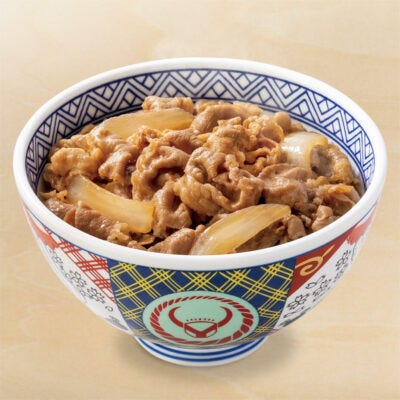
Yoshinoya sells something called gyudon. Simply put, gyudon is a bowl of rice topped with beef and onions which have been simmered in a sweet and soy sauce. It can sometimes come with toppings like eggs, cheese, kimchi, or leek.
Much like McDonald’s, Yoshinoya prides itself on the price and speed of service. As a person enters the restaurant, they choose their gyudon set using a vending machine that spits out a ticket. As they sit down, the staff takes the tickets and within minutes serves the gyudon. The price for a bowl of gyudon can be as cheap as $3 US.
Most Yoshinoya restaurants have only counter seating so this restaurant is for those who are on a quick lunch break and need to quickly eat some food and head back to work. Lunch times and dinner times are the busiest but Yoshinoya is 24 hours and there are always customers coming and going.
Over the years, the popularity of Yoshinoya has created a demand for shops outside of Japan. Yoshinoya has over 1100 locations across Japan, the US, Hong Kong, Cambodia, China, Indonesia, Malaysia, Philippines, Singapore, Taiwan, and Thailand.
Because of Yoshinoya’s image of cheap and convenient service, it mostly caters to men and those looking for a filling meal for a cheap price. There aren’t any real vegetarian options and not much variety beyond different meat and rice combinations so those who don’t eat meat or carbs, might not like Yoshinoya.
CoCo Ichibanya Curry
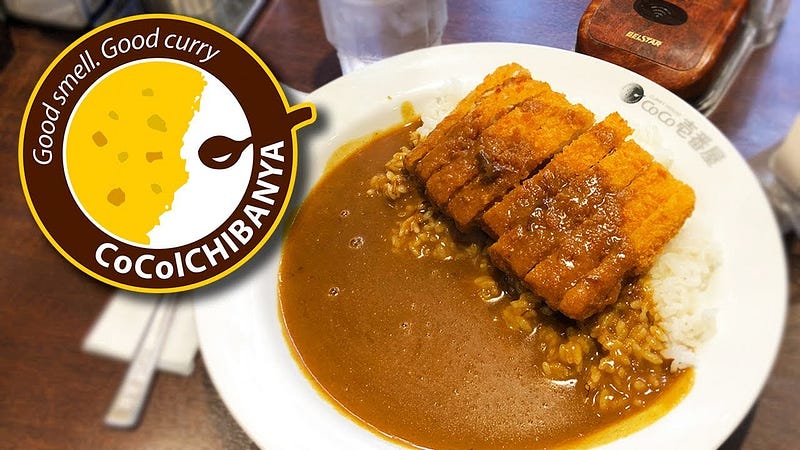
CoCo Ichibanya Curry is a Japanese-style curry and rice shop that was established in 1978 and is Japan’s top curry restaurant chain. Personally, it’s my favorite on the list and has 40 different varieties of curry according to its website.
The biggest difference between Japanese curry and Indian curry is the make-up of the curry powder. Where Indian curry powder uses a bigger variety of spices and is generally spicier, Japanese curry powder is more sweet, thick, and uses fewer spices.
CoCo Ichibanya curry also adds many more vegetables, meats, and other topping options. One of it’s most famous curry styles is Japanese pork-based curry with a breaded chicken cutlet called katsu.
The selection at this restaurant is very customizable making it great for people with different tastes. There are also many side dishes and salads available which make it a healthier option than most fast food places.
Curries can be beef or pork-based, have chicken, pork, beef, seafood, or vegetable toppings, and even include interesting toppings like cheese, egg, natto, or sausages. The restaurant also has vegetarian curries and halal dishes.
CoCo Ichibanya has over 1400 shops around Japan, United States, China, Taiwan, South Korea, Thailand, Malaysia, Hong Kong, Singapore, Philippines, Indonesia, Vietnam, and the UK. Most locations are usually open until 11 pm and have sit-in dining, counters, and take-out.
Marugame Seimen
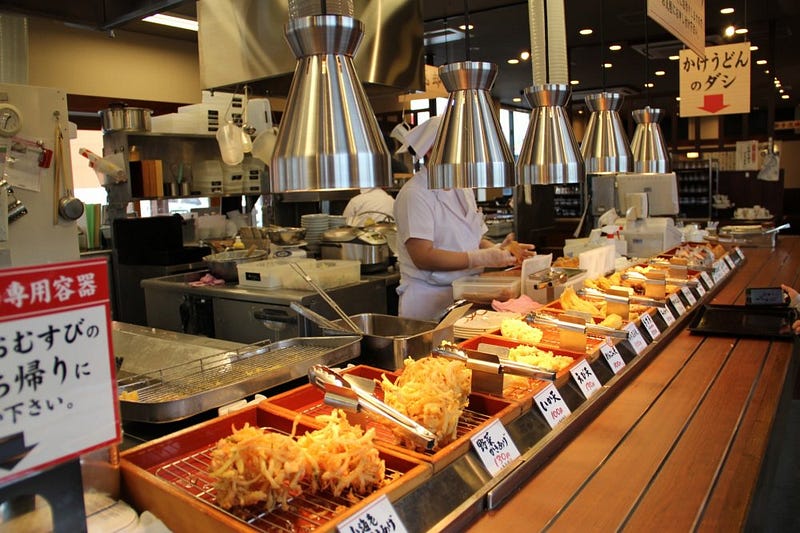
Although the name is hard to pronounce, the restaurant is quite simple. Marugame Seimen is a place to get quick, hot, udon noodles. Just over 1000 locations, this restaurant chain is the biggest udon noodle chain restaurant in Japan.
The most interesting thing about this restaurant beside the delicious food is the open kitchen concept that allows you to see the entire process from cutting the noodles to boiling and serving them.
When entering, the customer orders a hot or cold udon dish option. The staff takes your order and begins adding the soup base, hot noodles, and toppings in front of you. They then pass you the bowl. Much like a cafeteria-style design, customers then take their bowls and choose which side dishes they want.
Side dish options include many tempura seafood and veggies, rice balls, fried chicken and fish, and vegetables. Once you have chosen your side dishes, you proceed to the cashier and pay for your meal. Prices are very cheap and are usually under $10 US for the set.
Marugame Seimen gives authentic Japanese food served in minutes for a very budget-friendly price. When you are finished, you place your tray and bowl on a return shelf and leave the restaurant making it very easy and convenient even if you don’t speak Japanese.
Ringer Hut
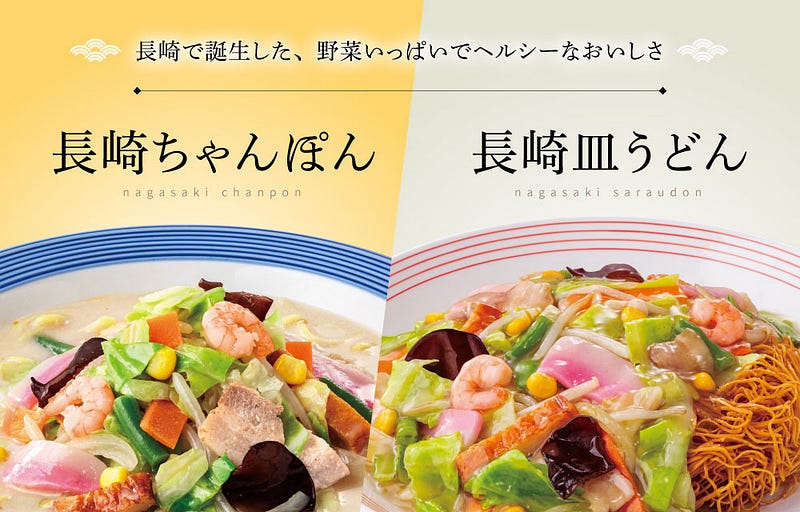
Some of you might be thinking this is the Japanese version of a Pizza Hut but there is no pizza served at this shop. Ringer Hut is actually a shop that sells Nagasaki-style champon. Champon is a style of ramen noodle but differs a bit. Instead of cooking the noodles and soup base separately, champon is combined when cooking.
Champon also uses a lot more vegetables and seafood, making it the healthy ramen. The soup is also a lot more creamy looking. Ringer Hut is also famous for something called sara udon which uses crunchy noodles topped with meat and vegetable sauce mixture.
Ringer Hut opened in 1974 in Nagasaki and now there are over 700 locations across Japan. Popular in shopping mall food courts, near train stations, and shopping streets, Ringer Hut is a go-to food for many people stopping for lunch during shopping.
Unlike regular ramen spots where the clientele is mostly men and has a blue-collar vibe, Ringer Hut aims more for a family style or cafe style look making it more accessible to women. A large number of vegetables and other toppings make it more appealing to those looking for a healthier alternative to ramen.
Freshness Burger
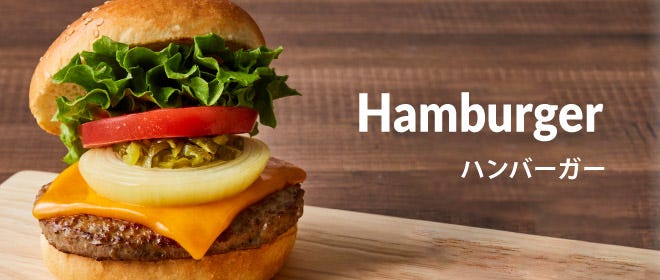
Freshness Burger is one of Japan’s newer and trendy fast-food chains. First established in 1992, it aims to be more “fresh” and “organic” and according to its website, has the slogan, “Freshness Food, Freshness Serving, Freshness People, Freshness Planet.”
Serving burgers, sandwiches, hot dogs, and cafe style drinks, Freshness Burger has around 160 shops across Japan and some locations in Hong Kong and Singapore. Unlike Mos Burger and McDonald’s, Freshness Burger aims to market fashionable adults and those looking for a place to relax.
With a more elegant interior, higher prices, and more trendy-looking food, the prices are a bit higher than other fast food places on this list. But the burgers are bigger, the veggies fresher, and the place even serves alcohol giving it a bar vibe as well.
Gindaco
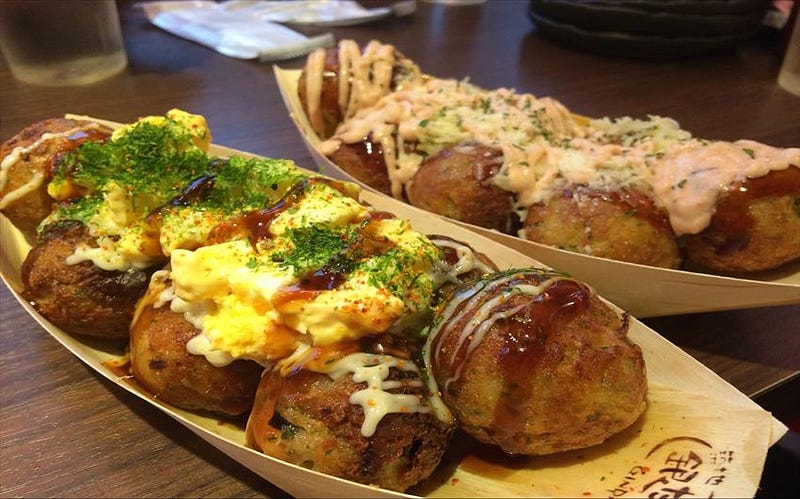
If you love takoyaki, then you will probably love Gindaco. Takoyaki is usually translated as octopus balls. This does not mean octopus testicles. Takoyaki is bits of octopus cut and placed in a wheat-flour based batter and then cooked in a sphere shaped mold.
The batter usually contains tempura powder, ginger, and green onion along with octopus. They are then topped with mayonnaise, takoyaki sauce, or other flavored condiments.
Takoyaki is a traditional Japanese food made popular in Osaka and the Kansai region but is popular around Japan. Most people enjoy eating takoyaki while at summer festivals as street food. Food stalls at festivals quickly place the batter in the molded iron cookers and serve the golf ball sized takoyaki in packs of six or eight.
Gindaco also started as a food stand but now has over 400 locations across Japan some of which are food carts, while others are eat-in restaurants, stalls at food courts, and even standing bar-type restaurants that serve takoyaki with high ball whiskey.
A hot, salty, and filling snack, many people stop in after work for some beer and takoyaki after a long day. Gindaco sells packs of eight or even large packs to be shared between friends. A pack of eight takoyaki usually costs around $6 US and there are a variety of flavor choices like cheese, mentaiko, citrus ponzu, and teriyaki.
Takoyaki is very delicious and addictive so if you are trying to lose weight, they might not be a good choice. Each ball is about 80 calories and has lots of fat and carbs so unless you are eating a pack of eight as your entire meal, it’s best to share with someone.
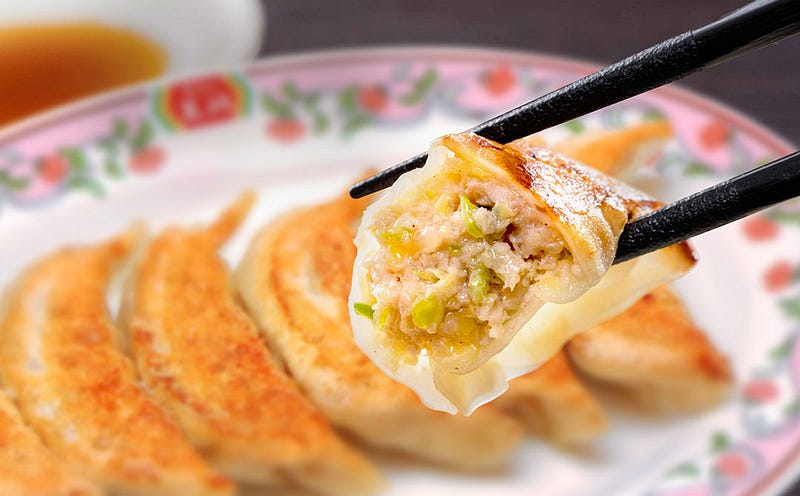
Gyoza no Ohsho
The final fast-food chain on the list is Gyoza No Ohsho. Gyoza are Chinese dumplings and Ohsho means king, so this restaurant is called the King of Dumplings. A Chinese-food-based chain restaurant, it began in 1974 in Kyoto Japan, and now has over 700 locations around Japan.
Their website claims to serve 600 million dumplings each year to its customers. Along with dumplings, Gyoza no Ohsho serves many Chinese dishes like noodles, fried rice, spring rolls, dim sum, stir fry, and sweet and sour dishes.
Much like the other fast-food restaurants on the list, dishes are quite cheap and usually, a person can dine for less than $12 US for a set meal. The food is also cooked and served relatively quickly making it a good place for a quick lunch.
If you like Chinese food, and especially gyoza dumplings, then you will like Gyoza no Ohsho. The food is served hot, is very filling, and can be healthy depending on what you order. There are many vegetable and chicken stir fry dishes that are good for those avoiding carbs.
The best part about this restaurant is the food is made fresh and even the dumplings are not frozen but created in the shop. The restaurant lives up to the name of King of Dumplings.
There are many more fast food shops that could be on the list like Sukiya or Mastsuia which are gyudon shops, or Lotteria, which is a burger joint. And ofcourse, every corner in Japan has a mom-and-pop ramen shop where you can sit at a counter and get a big bowl of steaming ramen noodles in minutes for less than $10 US. But the list above gives the highlights of some of the best variety of fast food choices and the most popular food enjoyed by Japanese people looking for cheap fast food.
If you liked this article and want more articles about Japan, check out these stories:


