
22 Rumors You’ve Heard About Japan
And which ones are actually true
If you want to read all articles by me and others on this website with no limitations, consider getting a membership and joining the Medium gang.
For those who haven’t been to Japan and don’t know much about the country, you have probably heard many things about it. Sushi, sumo, ninjas, geisha, anime, and tentacle porn are known worldwide. Through the popularity of anime like Pokemon, and movies like The Last Samurai, there is an image of Japan that is both traditional, exotic, quirky, weird, and bizarre.
Lots of information is spread through media outlets, the internet, and word of mouth about Japan, so here is a list of some of the most popular rumors or assumptions about Japan and Japanese people and which ones are true.
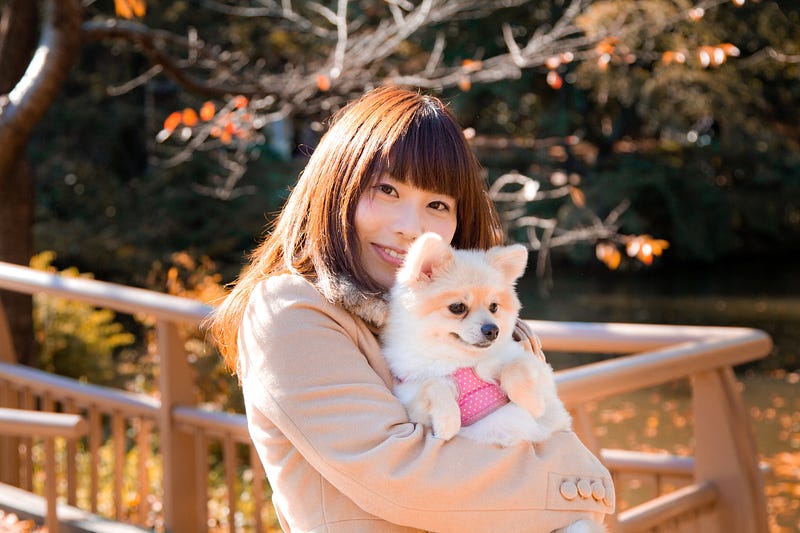
1. There Are More Pets Than Children [TRUE]
According to the Statistics Bureau of Japan, “the child population (0–14 years old) in Japan amounted to 15.21 million, accounting for 12.1 percent of the total population.” This is a declining yearly trend which means Japanese people are having fewer children and the aging population is increasing.
Along with this downward trend in children, pets are on the rise with the JPFA(Japanese Pet Food Association) finding that in 2020, there were more than 20 million dogs and cats registered as pets in Japan.
Despite Japan being a small country, with the population packed tightly and living in cramped accommodations, Japanese families prefer pets to children. Cats and small breed dogs are really popular with pet cafes, salons, shops, hotels, and tourist destinations dedicated to pets.
Cost-wise, raising children has become expensive, and as the aging population increases, child-rearing has been replaced with pets becoming part of the family. Many schools have been drastically decreased or shut down while pet-friendly services are on the rise.
Covid-19 has further pushed this trend as people at home are lonely and can’t go out so they have a pet to keep them company. Younger people who don’t have a chance to date or meet new people have also opted for a pet because they don’t have a partner.
2. Gambling Is Illegal [FALSE- Kind of]
Technically, most forms of gambling are banned in Japan according to the Criminal Code. However, there are plenty of exceptions, loopholes, and pushes to make it legal. Forms of gambling that are already legal are horse racing, car and motorcycle racing, and boat racing.
In the grey zone, there is something called Pachinko. The equivalent to slot machines, these centers have rows of machines where Japanese people insert coins and pull levers in hopes of getting tokens or metal balls. These balls or tokens can then be exchanged at the pachinko center for prizes like food, electronics, etc. They can also be exchanged for special pieces of plastic.
Outside the pachinko parlor is a small booth that will accept those pieces of plastic for cash. Since the booth is technically not inside the pachinko parlor building, it’s not illegal. This makes winning at pachinko a chance at winning money, so technically it's gambling but using a loophole so not considered gambling.
And for the last few years, many casino operators have been bidding to create the first casinos in Japan. However, due to Coronavirus issues, the talks have been delayed. But soon casinos should be popping up in big cities like Tokyo and Osaka.
3. Trains Arrive Exactly On Time [TRUE]
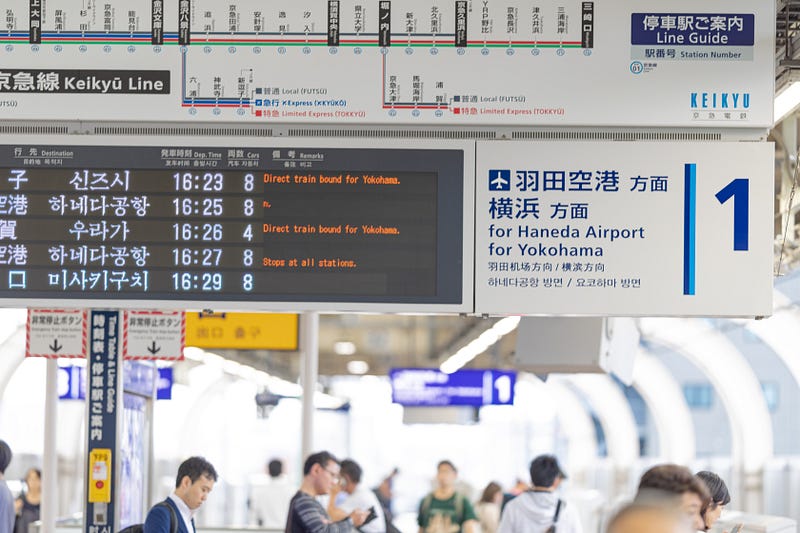
Unlike some countries whose public transportation is often delayed or doesn’t post exact arrival and departure times, Japan’s bus, train, and subway systems are exact, down to the second. Unless there is an accident or some sort of weather or sickness-related incident, trains arrive and depart at the minute posted. If a train or bus is early, it will wait until the exact departure time before leaving.
In case of delays, an announcement apologizing and explaining the reason will be broadcast. And during power outages, emergencies, or long delays, the rail service provides apology letters to passengers which they can show as proof to their employers for being late.
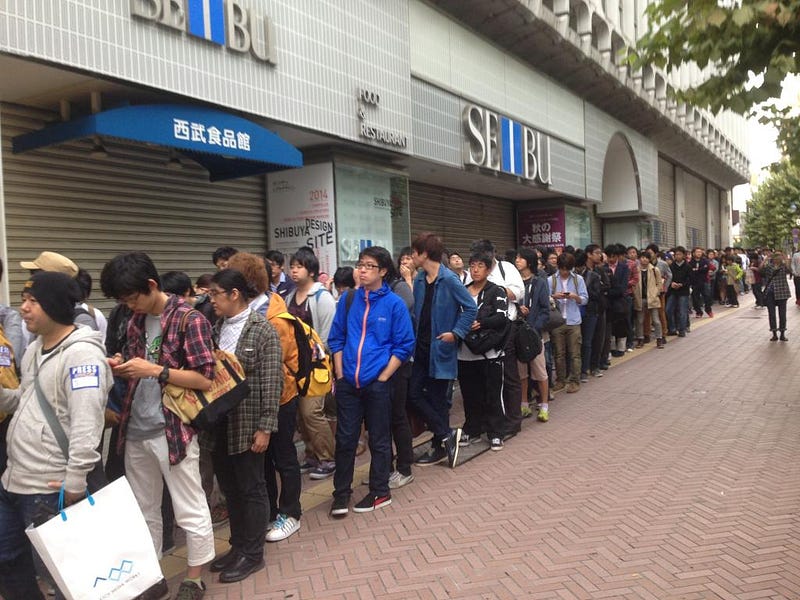
4. Japanese People Line Up For Everything [TRUE]
If Japanese people see a line, they will join it without a second thought. If you come to Japan, you will definitely see a lineup in obvious and not-so-obvious situations. Some obvious places will be for the bus, for a tourist attraction or for the bathrooms. Lines to board a ride at Tokyo Disneyland or purchase tickets at a movie theater are normal.
But you will also find lines at ramen shops, cafes, restaurants, or shops even before opening. Sometimes because of limited seating, special offers, or rave reviews, Japanese people will stand outside hours before a shop opens so they can ensure entrance. Imagine the lineups for an Apple store before a new iPhone opening, but every day.
Like lines outside nightclubs signaling the quality of the establishment, line-ups outside ramen shops, bubble tea cafes, clothing shops, and restaurants mean they are popular and attract even bigger crowds of people to join in.
Even places you wouldn’t expect a line like a pachinko parlor (slot machine) or arcade have lines. My local cafe has a line every morning as people line up to eat their famous waffles. The shop only has 4 tables so people wait to get their chance to grab a seat.
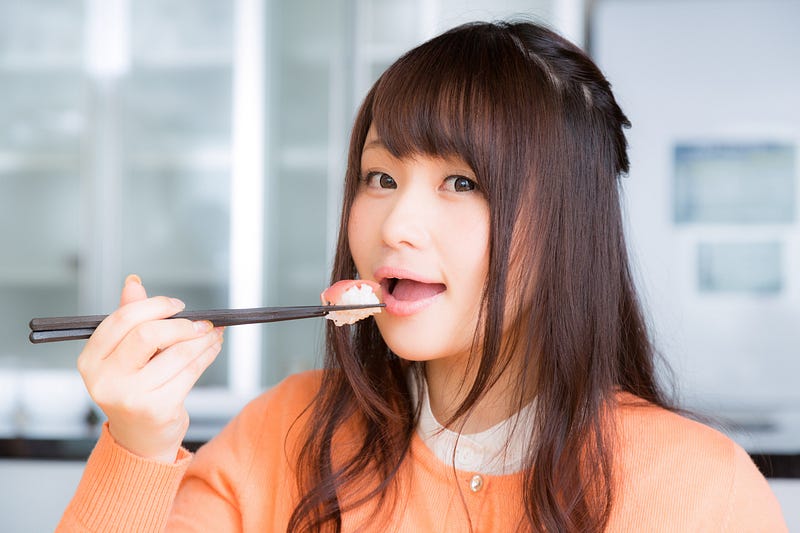
5. Japanese Eat Sushi All The Time [FALSE]
Sushi is a popular Japanese food found in restaurants, supermarkets, and convenience stores. You can pretty much find sushi anywhere food is sold. But despite its popularity and availability, it’s not the “go-to” food for Japanese people.
For businessmen on the run, most of them will opt for something called gyudon, which is a bowl of rice topped with simmered soft beef. There are also lots of ramen shops which are small, counter spaces for people to eat and run.
Women might make bento lunches with chicken karaage, rice balls, or grilled fish. Sushi is not typically made at home and most families will either go out to fast food places like McDonald’s or KFC or eat at family restaurants such as Saizeriya, Gusto, or CoCo’s. These restaurants have a variety of food choices and are budget-friendly.
Sushi is popular for parties where giant trays of sushi are ordered for groups. Revolving conveyor sushi restaurants are also popular as well as more traditional sushi restaurants. These traditional restaurants are seen as more fancy and tend to be more expensive than conveyor belt sushi.
Sushi is seen more as something to be eaten on special occasions or once in a while.
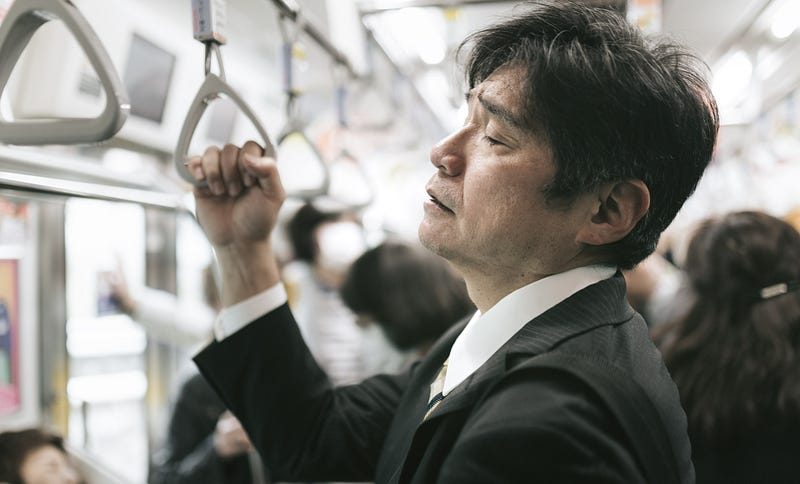
6. Japanese People Sleep On Trains [TRUE]
Tokyo and many other big cities in Japan are commuter hubs with most people living in the suburbs coming into the city for work. And many Japanese companies demand long hours, overtime, and often working weekends. Japanese people have very little time to relax or even sleep.
Even student’s demands of early morning school club practice and after-school juku (cram schools for extra tutoring) take a toll on their sleep habits. Everyone wakes up early, goes to bed late, and is working, studying, or riding the train. It really is a hectic schedule for Japanese from as young as kindergarten.
Therefore, the train is actually a great place to sleep as it is quiet, comfortable, and convenient. Instead of the hard plastic seats, you might find in other countries, even subways in Japan are cushioned and often have heated seats during the winter.
Trains are filled with commuters reading manga, playing on their smartphone, and dozing off. The Japanese have gotten so good at these power naps that they magically seem to be able to wake up exactly at the right stop.
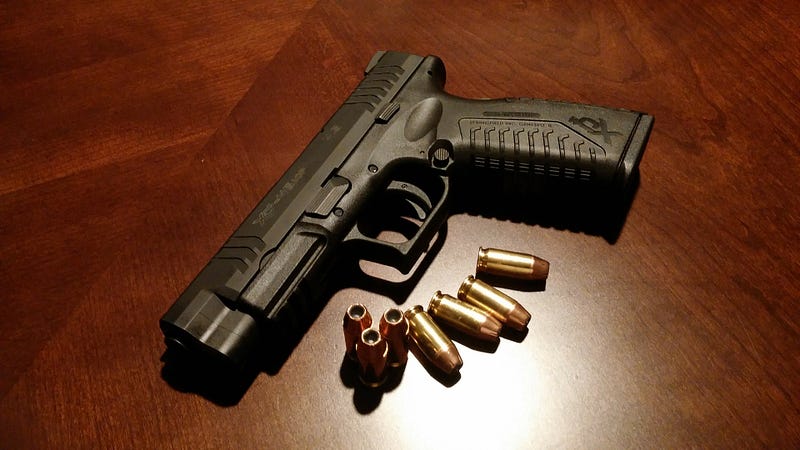
7. There Are No Guns In Japan [FALSE]
Japan has very strict gun laws, a low crime rate, and very few guns in the general population but virtually all police on the street carry a firearm as part of their standard police uniform. People are allowed to own guns for hunting if they have the proper license and Japan does have shooting ranges for those interested in shooting guns.
Wikipedia reported only 3 gun-related deaths in 2017 compared to over 15,000 in the US. Fewer than 400,000 guns in Japan are owned by private civilians in a population of 127 million people (according to the Small Arms Survey based in Switzerland).
Because of low gun violence, few guns in circulation, and tough regulations including having to re-test and renew the license every year, owning a gun is difficult and requires both skill and safety training which has to be updated regularly.
Most people don’t want to bother with the steps to own a gun so instead gun enthusiasts own air guns. These air guns that shoot pellets are designed to resemble real guns and many hobby shops, shooting bars, and airsoft clubs are active in Japan.
So despite the difficulty in attaining a gun, those who really want to own and shoot a gun do have an option to attain a license and own guns. And police all do carry guns but hardly use them.
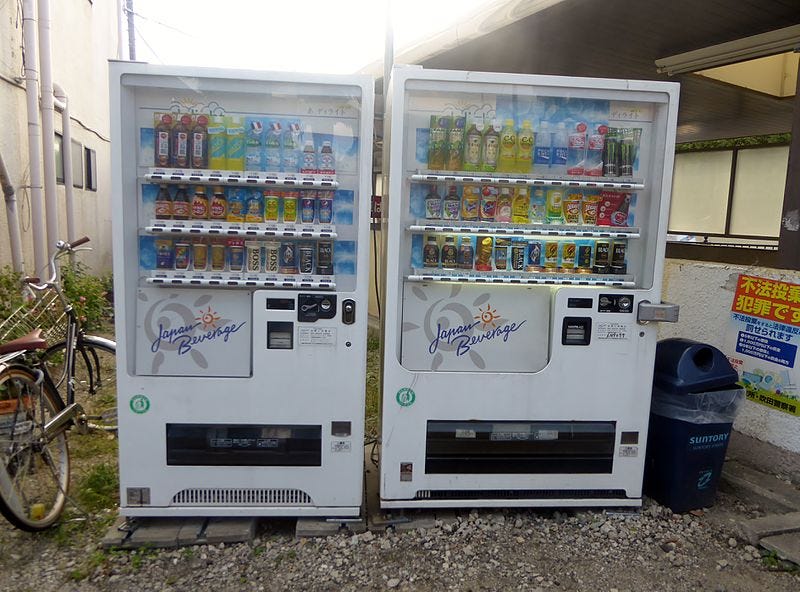
8. Vending Machines Are Found Everywhere [TRUE]
From Tokyo to the most remote forests of Japan, and even around farms and fields, it seems there is a vending machine selling drinks and other items.
With over 5 million vending machines across Japan providing drinks, food, stationery, cosmetics, cigarettes, alcohol, books, and even underwear, there really is a vending machine around every corner.
They can be found near stations, schools, offices, tourist attractions, and residential areas, and 24-hour machines are perfect for those out working or partying late. There are even vending machines in remote mountainous zones and next to temples ensuring everyone is hydrated at all times.
Vending machines in Japan are quite smart as well, as they require special age I.D. to buy alcohol and tobacco. They also have touch screens, accept payment via smartphone, and train payment cards like Suica and Pasmo. The modern touch screen type also displays products, weather, news, and other helpful information.
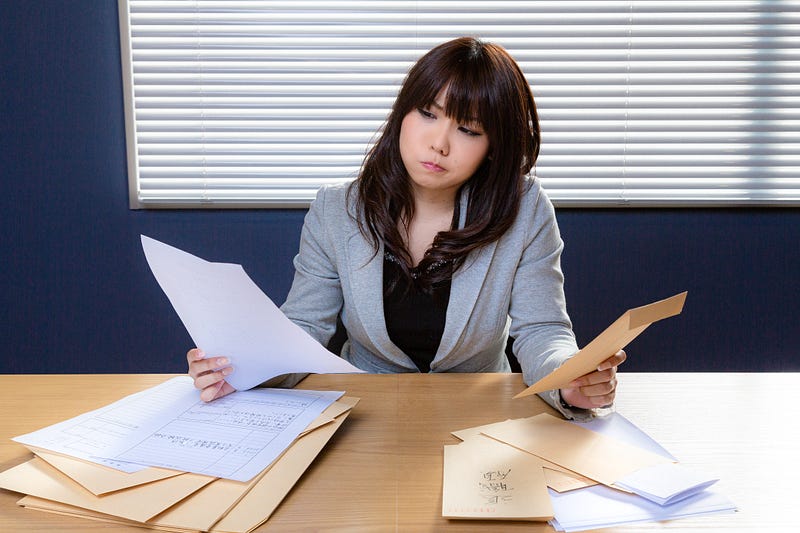
9. Japanese People Are Workaholics [TRUE]
The work culture in Japan is so stressful and demanding that there is even a Japanese word for dying from overwork: karoshi. The pressure is so high that many Japanese who can’t take it anymore and want to quit are not allowed and their resignation is denied.
Companies in Japan require many Japanese people to wake up early and commute far distances only to return late at night and with little chance to sleep or decompress. As Japan’s biggest resource, people are the backbone of the economy and the country’s prosperity.
Depending on the industry, overtime and working weekends are not uncommon and many workers opt not to take personal days, vacation days, or even sick days — despite changes to laws to encourage otherwise.
And interestingly, the overwork culture starts right from kindergarten where kids wake up early, go to school, clean the school, then attend different club activities before heading to their evening cram school.
Students usually go to school on weekends and have many responsibilities in school along with classes. They are in charge of organizing events, preparing for recitals, cleaning up after lunch, and preparing materials for the classroom. Teachers are also expected to come in early and leave in the evening hours supervising the students.
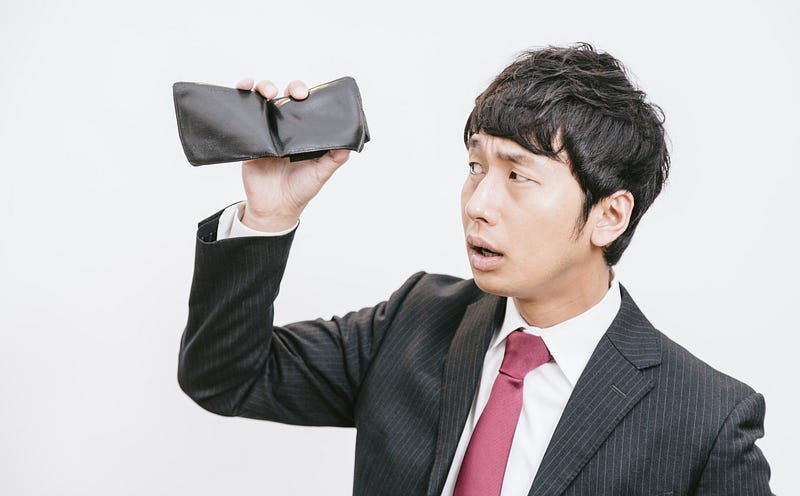
10. Lost Items Actually Get Returned [TRUE]
Japan is recognized worldwide as a safe place not only for people but for their belongings as well. You will hear many stories of people losing their wallets, jewelry, phones, or other valuable possessions in Japan only to have them returned quickly and intact. Wallets are returned with the money, purses and bags returned with nothing missing and even money itself is turned in to the police.
Many objects such as keys, clothing, shoes, and canes that might be forgotten or lost are usually untouched. Returning to the place where you dropped it, you might even find someone has left a note, hung the object to a wall or post for easy access, or even taken the time to place the object in a bag to guard against rain.
If the item is not where you dropped it, most likely someone has found it and taken it to the local Koban (police box) or lost and found center. Rarely do lost items remain lost.
That being said, in tourist areas, you might not be so lucky with valuables as these places might have people who target tourists. Also, tourists from other countries may not have the same virtue when it comes to returning lost items.
11. Suicide Is Rampant [FALSE]
Most people who have read or watched videos about the dark side of Japan have heard of Japanese people jumping in front of trains to commit suicide or trekking to the Aokigahara Forest also known as the suicide forest.
However, despite the eerie connection to suicide, according to the World Health Organization’s studies, Japan ranks 49th highest of 183 countries in the list of suicide rates. Though Japanese people do commit suicide, it’s much less compared to many other countries including India, Korea, Russia, and the United States.
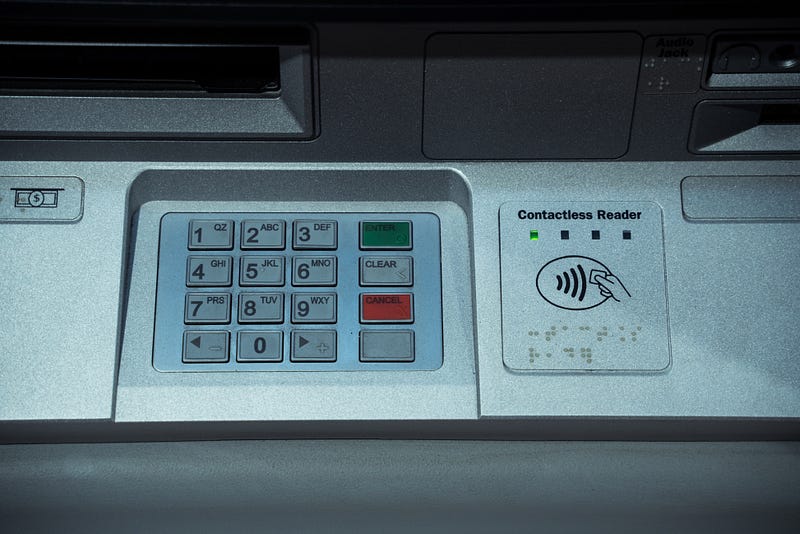
12. Many ATMs Aren’t 24 Hours [TRUE]
Unlike many countries, where ATMs are available 24 hours to provide cash during the bank’s off-hours, you’ll find that many ATMs in Japan also shut down in the evening. Many banks in Japan that close their doors to the public late afternoon also close their automated systems late evening.
And during long Japanese holidays like Oshogatsu (New Year) and Obon (summer holidays), many people will not have access to their bank accounts and must withdraw money ahead of time.
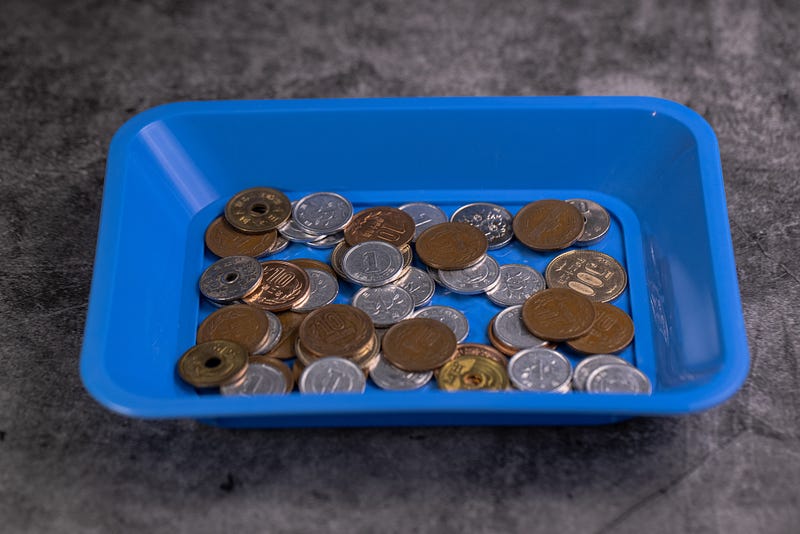
Recently, the bigger banks have extended their hours and many convenience stores have 24 hour ATMs but depending on your bank even the 24-hour machines may not accept your card. Just in case, it’s a good idea to always have Japanese cash on hand, especially during vacation periods. Also be aware that many places still don’t accept credit cards, even in tourist areas so make sure to keep Japanese yen handy.
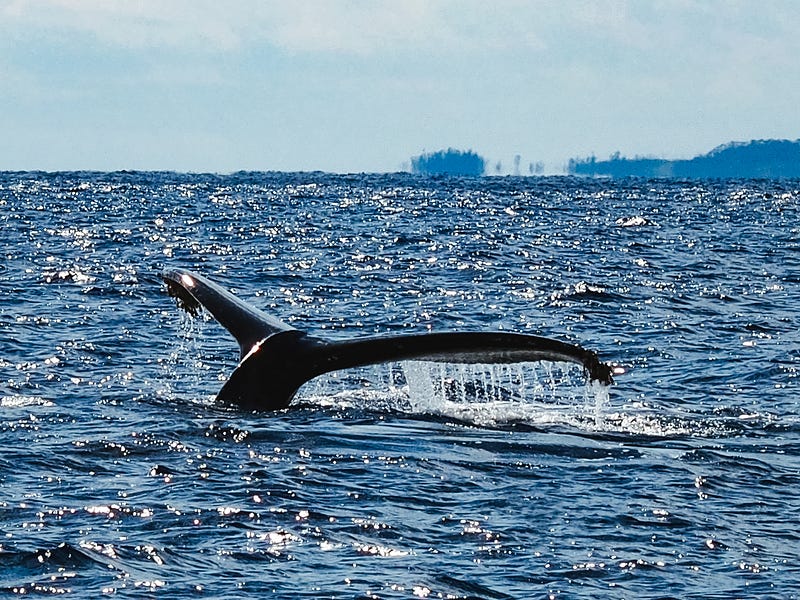
13. All Japanese People Eat Whales [FALSE]
With the controversy that surrounds the whaling ships in Japan that hunt whales, Japan has a bad reputation for cruelty toward the whale population. And though, whales are still being caught both for food and “scientific research”, the truth is most Japanese people don’t eat whale meat. At least not regularly.
Stating that whale hunting is part of the culture, Japan has continued to fight most of the world on the banning of whale hunting. After World War II when meat was scarce, whale meat was a big part of the Japanese diet and it was even served in school lunches.
However, since 1987, schools no longer have whale meat in their plan and most families don’t consume whale meat. Only some specialized restaurants, markets, and areas of Japan still have whale meat options.
Especially for the younger generation, any person under 30 has most likely never seen or tried whale meat. It’s available if you’re looking for it but it’s rare.
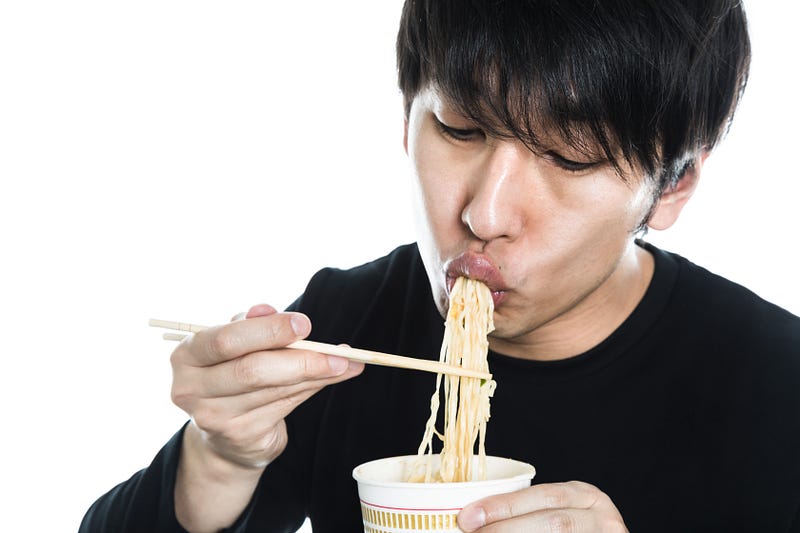
14. People Slurp Noodles Loudly [TRUE]
Noodles are one of the few foods where it is socially acceptable to make loud slurping noises while eating.
Japanese foods are usually served and eaten in the most polite and proper ways using chopsticks, placemats, and pretty dishes. However, noodles seem to be the exception as the most common and recommended way to eat noodles is to suck up as many noodles as possible while making loud slurping noises.
The Japanese believe that slurping noodles rather than chewing them serve two purposes. First, slurping the noodles enhances the aroma and flavors making the noodles taste better. Second, noodles are served extremely hot and by slurping are cooled down and easier to eat rather than eating them directly from the hot soup.
Personally, I have tried to slurp the way Japanese people do but I can’t quite get the hang of it. I prefer to blow on my noodles, slurp a bit, and then cut them using my teeth rather than slurping them all into my mouth. But if you are a slurper, you won’t have to worry about sounding rude.
15. Tipping Is Not Popular [TRUE]
Despite being one of the top countries in service excellence, tipping is not customary in Japan. Not leaving a tip at a cafe or restaurant in North America may lead to dirty looks or even an argument, but the staff in Japan only expect a “thank you.”
Not only restaurants but most places you would expect to leave tips do not require or even accept tips. Hotels, taxis, hair salons, and food delivery staff all provide services and refuse and sometimes are not allowed to accept tips.
In some countries tipping is customary and staff is paid less and rely on tips, but in Japan, wages are higher and exemplary service is required at all times for all customers. Also, in many restaurants and izakayas (Japanese pubs), a table charge called Otoshi is added to the bill in exchange for a tip and a small appetizer is provided in exchange.
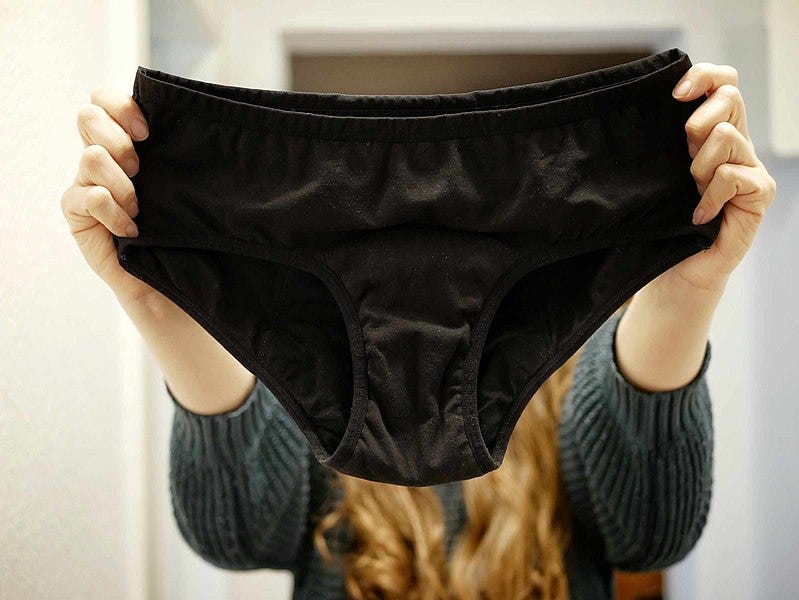
16. You Can Buy Used Underwear From Vending Machines [TRUE]
Since there are vending machines around Japan selling drinks, food, stationery, clothes, rice, toys, hot meals, ice cream, alcohol, and tobacco, there are definitely vending machines selling used underwear.
However, unlike vending machines out in the open near the station or by buildings, these naughty vending machines are located either in red-light districts, manga and anime hubs like Akihabara and Nakano Broadway, or in adult shops.
For example, if you visit Akihabara, the Otaku capital of the world that prides itself on anime, manga, hentai, cosplay, and maid cafes, you will see vending machines in the basement of one of the biggest adult shops in Japan.
The vending machines charge anywhere from $5 to $50, have a capsule containing used underwear, as well as a picture of the person to who the underwear belongs. The higher the price, the more rare the underwear is and usually comes with a signed polaroid of the wearer.
17. Garbage Cans Are Hard To Find [TRUE]
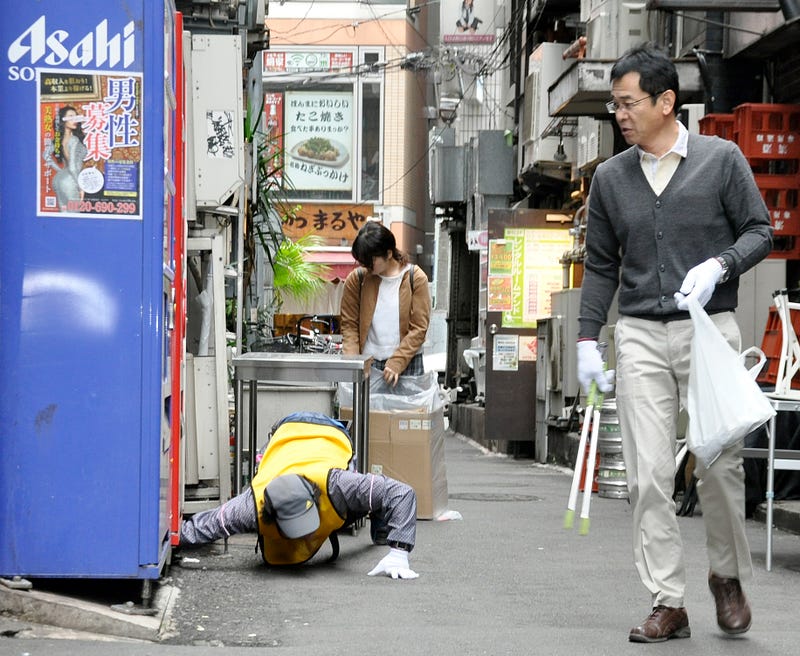
Walking around, both city and country, people will notice the lack of garbage cans in Japan despite the city being so clean. Even in big cities or major tourist attractions, it is hard to find places to throw away your garbage. The exception being receptacles for plastic bottles, which are usually located beside vending machines.
Instead, eco-conscious Japanese people keep their garbage, take it home with them and dispose of it at home. This may sound like a ridiculous suggestion but surprisingly you will find many Japanese bagging up their garbage and taking it with them.
Alternatively, those who decide to litter and throw their garbage on the ground or leave it on a ledge or bench will find that by the end of the day it will be cleaned up by groups of senior citizens who have been hired by the city to pick up garbage. Some are paid by the city, others are volunteers of the neighborhood who collect and dispose of trash to keep the area clean.
18. Japanese People Live Longer Than Other People [TRUE]
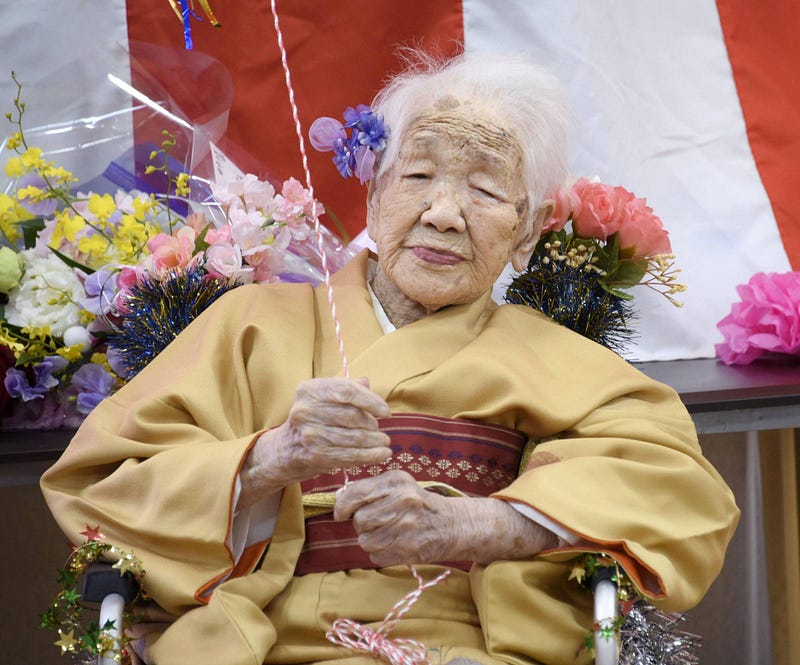
Japan’s life expectancy is one of the highest being 81.4 years for men and 87.5 years for women. Both of these being in the top four of the highest life expectancy in the world. So Japanese can expect to live longer compared to most other countries in the world.
Some of the reasons for this seem to be “the low prevalence of obesity in Japan; low intake of red meat, specifically saturated fatty acids; and high intakes of fish, specifically n-3 polyunsaturated fatty acids, plant foods such as soybeans, and non-sugar-sweetened beverages such as green tea.” (EJCN)
Japan also houses the highest number of people over the age of 100 per capita and has the oldest living person in the world, Tanaka Kane at age 118. The secret of long life seems to be the balance of small portions, a healthy diet, lots of physical activity, and staying mobile and working for as long as possible.
Despite the aging population, there are very few wheelchairs, scooters, or other devices that are used for seniors who aren’t mobile. Seniors in Japan tend to stay active and mobile longer and continue to work and play into their 80s and 90s.
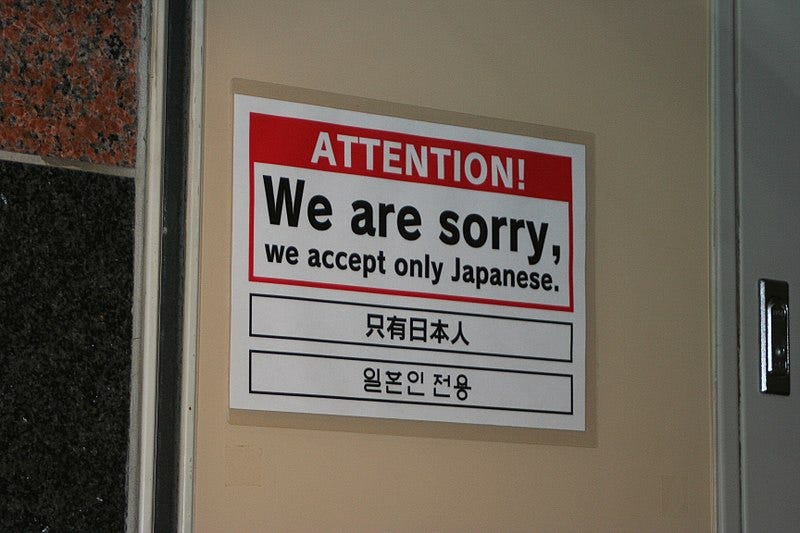
19. Japanese People Hate Foreigners [FALSE]
It’s very hard to explain the way Japanese people feel towards outsiders as each person has different feelings and experiences. Overall though, Japanese people tend to welcome and get along with foreigners that visit Japan, especially tourists.
Japanese culture tends to strive to be polite and cordial to everyone, especially elders and guests. So when tourists come to Japan, they tend to be treated with a smile. And even with the language barrier, Japanese people try to understand and make tourists feel comfortable in their country.
That being said, you will always come across people who are ignorant or racist towards other people and aren’t afraid to show it. Some people might avoid talking to you, sitting next to you on the train, and might refuse you service. But these places and people are far and few between.
Though there is a national pride here that feels like Japanese people think they are superior to others, once you actually talk to them and get to know them you will find it’s nuanced. Rather than feeling superior, because Japan is a small isolated island that is mostly homogenous, they feel unique and isolated.
Japan is the only country where Japanese is spoken predominantly and as the first language, so Japanese people feel they are apart from the rest of the world; sometimes in a positive way, sometimes as a negative.
After living as a foreigner in Japan for 14 years, I have only come across a handful of people who have treated me rudely or negatively because of my race. Japan is no utopia so racism does exist, but most people in Japan are open and understanding of new cultures.
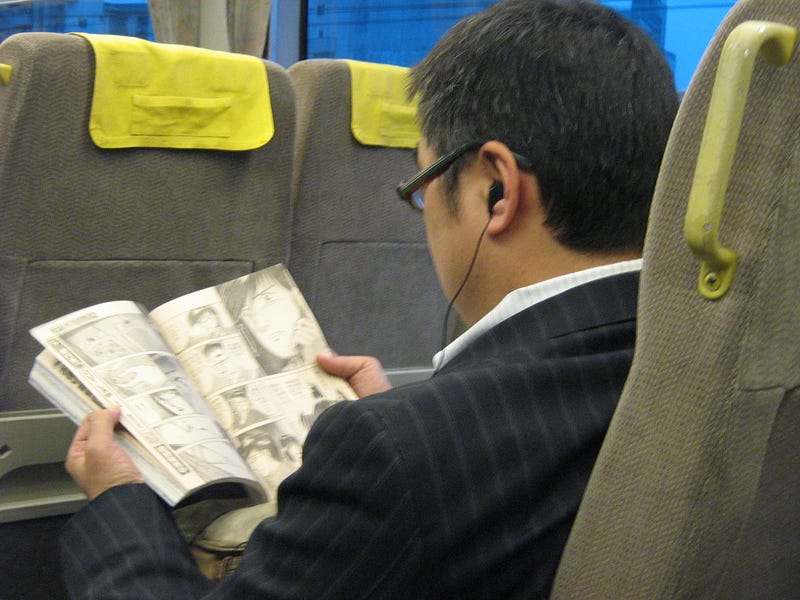
20. All Ages Read Comic Books [TRUE]
In North America, you will see many teenagers or kids reading superhero comics on the bus or during their lunch breaks but it is highly unlikely to see an adult engrossed in a Marvel Comic adventure.
However, in Japan, not only children and teens but both men and women of all ages can be seen on trains, cafes, and even standing at bookstores and convenience stores reading their favorite comics.
Japanese manga, like video games and movies, is an escape for Japanese people from their everyday lives and is cheap, easy to find, and can be consumed anywhere. Japanese manga comics are also quite varied and specific in the genre, giving them mass appeal. There are comics written for every taste.
Much like movies and tv shows, Japanese comics have stories that deal with love, relationships, sports, comedy, horror, suspense, crime, history, business, work, and everyday life. Many manga deal with everyday jobs and characters who are chefs, insurance agents, lawyers, or athletes.
If you have a certain taste or fetish, you are bound to find a manga to fit that craving.

21. Japanese People Take Shoes Off Almost Everywhere [TRUE]
Everyone in Japan from a young age learns quickly that there are “shoes on” and “shoes off” places that are strictly followed.
The most obvious place is Japanese homes and the reason is cleanliness. Rooted from ancient times when roads were not paved, shoes were removed before entering a home to prevent mud and dirt from entering the house.
Also, the floors were made of tatami, a Japanese mat type flooring, which is quite delicate so to avoid damage shoes were removed. Japanese people also sit on the floor to eat or have futons on the floor to sleep so it is natural to keep these spaces clean.
Similarly, schools require everyone to bring indoor shoes and many workplaces also require slippers instead of outside shoes to be worn. A surprisingly large amount of places across Japan require you to remove your shoes before entering such as Japanese-style restaurants, sports gyms, dressing rooms, temples, Japanese-style hotels (ryokan), and hot springs.
22. Japan Has Free Healthcare [TRUE and FALSE]
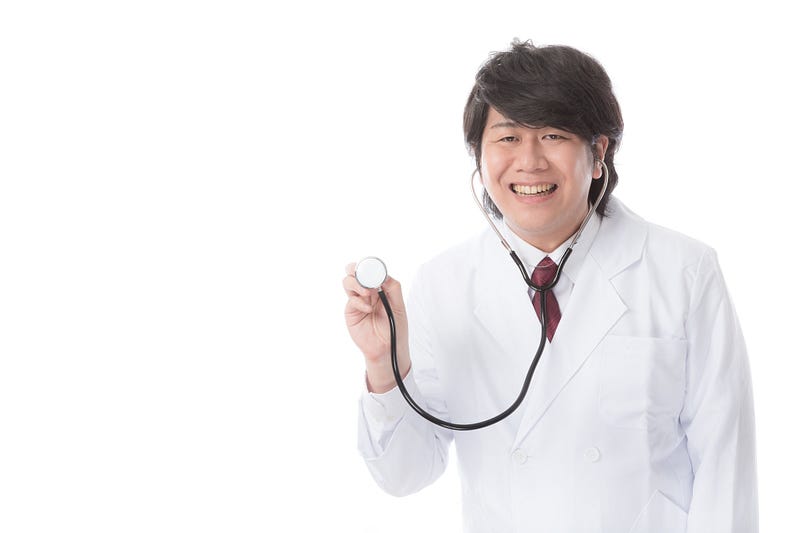
Unlike countries like Canada, Japan does not have 100% universal healthcare. Instead, it has 70% universal healthcare with costs covered by the government through taxes and 30% paid by the individual. So if you visit a doctor, dentist, or health care facility, you will only be responsible for paying a portion.
That is a pretty good deal but even better is the price of healthcare in Japan. It is much cheaper to visit a doctor, buy medicine, or have things like x-rays, MRIs, or surgeries. Because hospitals are non-profit, costs are kept to a minimum and highly regulated nationally to ensure everyone has access.
Also, depending on the size of the family, income, and other circumstances, some individuals can pay as little as 20% or 10% and many costs can be reimbursed by the government for those who end up requiring more treatments.
For example, a regular check-up for me runs about US$30 and medicine is about US$10. Getting an x-ray last month cost me US$25 and an MRI cost me US$40. The prices are very affordable and allow people to visit the hospital whenever they need it, rather than holding off because it’s too expensive.
Wait times are not very long and the quality of healthcare is high as Japan has one of the highest quality medical systems in the world. However, in terms of healthcare for mental illness, Japan is not very good and there is still a stigma behind seeking medical care for mental issues.
As you can see, until you actually visit a country, it’s hard to tell how the culture operates and what the general feeling is of the people who live there. We often hear rumors or stories of countries and the “weird” things about them. Once you dive deeper and understand the history and reasoning behind it, you can see it’s not that weird after all. Hopefully, this article gave you a deeper understanding of Japanese culture and practices.
If you liked this article, here are more articles about Japan that might interest you:


.jpg)
.jpg)