
12 Best and Most Authentic Japanese Experiences
Add these to your bucket list when you come to Japan
If you want to read all articles by me and others on this website with no limitations, consider getting a membership and joining the Medium gang.
Those who have visited Japan before will know that it is a small island country filled with many different landscapes, foods, cultural sites, and things to do. Those looking for adventure have mountains, waterfalls, volcanos, and lush forests to trek. Foodies will never be out of options as Japanese cuisine is so varied and unique. Whether you are looking for traditional temples, modern skyscrapers, or authentic experiences, Japan has something for everyone.
Here is a list of things I think people who have never been to Japan or who hope to return again should experience. There are hundreds of unique places and things to do in Japan, but this list has some of the most authentic, unique, and traditional experiences that you should take advantage of while in Japan.
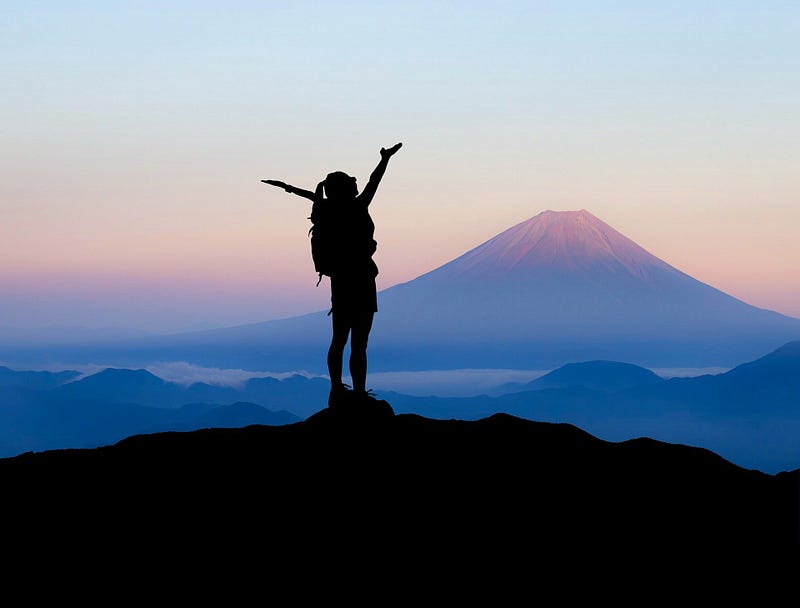
Climb Mt.Fuji
One of the iconic symbols of Japan, Mt. Fuji is in the center of Japan and is the highest mountain in the country standing at 3,776 m (around 12,390 ft). It is actually an active volcano though it hasn’t erupted since the 1700s and is part of UNESCO’s World Cultural Heritage Sites.
A significant icon in art, history, and culture, you will find images of Mt. Fuji with the snow-covered peak on everything from souvenirs, artwork, and even on the 1000 yen currency note of Japan.
According to National Geographic, over 400,000 people climb Mt. Fuji every year. The prime minister of Japan said,
“Mt. Fuji has been not merely a natural object, but has been a spiritual home and a source of courage for all the Japanese people throughout Japan’s history.”
The climbing season is from July to September and many people climb during the night so they may reach the peak in the early hours of the morning to see the sunrise. The climb is not very steep so people of all ages can hike up the mountain as long as they are wearing proper hiking shoes, clothes, have rainwear, snacks, and water for the journey.
There are four routes to choose from and it usually takes about 5 to 10 hours depending on your climbing ability. There are huts where you can stop for rests as well. Along the hike, not only can you enjoy nature, but there are cultural artifacts like shrines and teahouses. For Japanese people, the climb is not only for the view but for the cultural experience and as a spiritual pilgrimage. On your climb, you will be sure to meet many Japanese people who will welcome and support you and give you more perspective about Japan and its people.
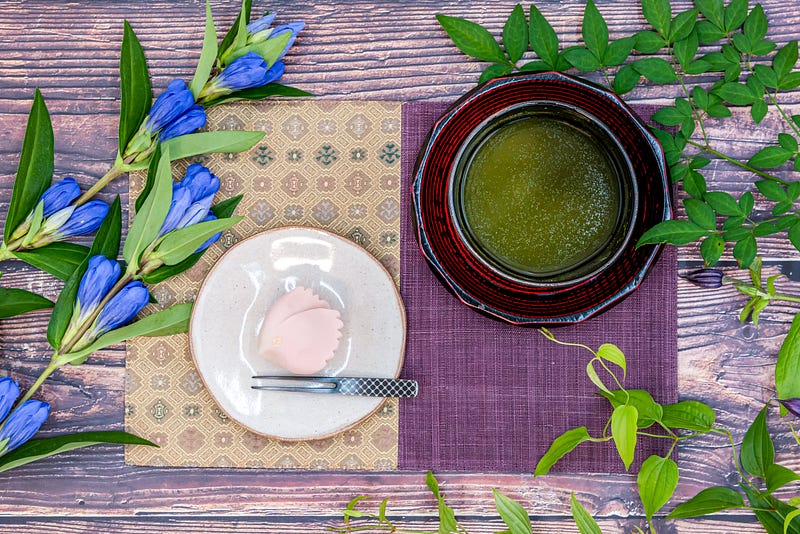
Tea Ceremony
For lovers of tea and more specifically matcha, a tea ceremony experience is more than just trying authentic Japanese tea. The process and ceremony that is involved give foreigners a peek into the ancient art and practice of green tea.
Dating back from 9th Century Buddhist culture, although making tea originated from China, Japan used powdered matcha added to hot water for Buddhist ritual use in the 12th century. From the 13th century, it became a popular drink for the elite classes of Japan, and the tea ceremony as we know it today was created.
Usually set in a Japanese authentic tea room with a tatami mat, everyone sits on the floor and watches as the kimono-clad tea preparer performs a variety of actions to make the tea. Very detailed rules such as hand movements, the direction of the teacup, and the method to hold the tea are used during the ceremony.
Using a tea whisk, tea container of matcha powder, a tea scoop, and bowl, the preparer makes the tea and serves it in a Japanese traditional kettle. The tea is served with old-fashioned sweets.
More than the drinking of the tea, the serving, receiving, and returning of the teacup has significant traditional meaning and the entire experience from entering the tea room to the final bow and leaving is said to be a time of reflection, tranquility, and calmness.
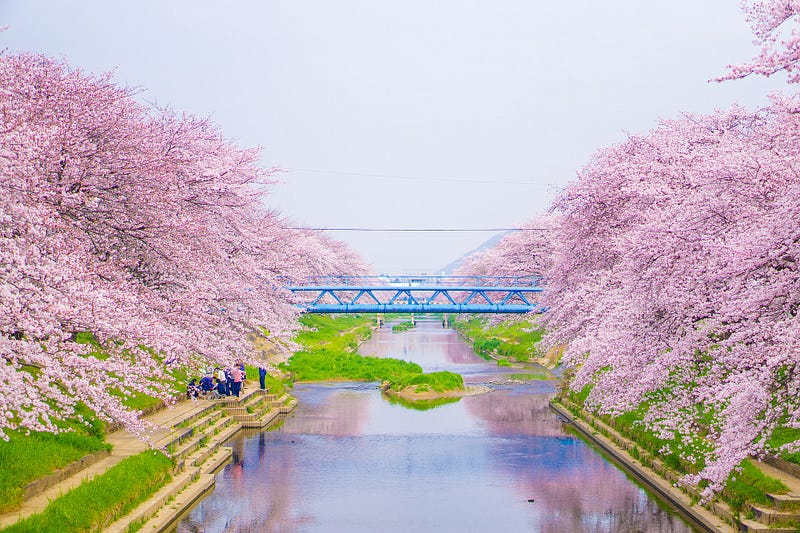
See The Cherry Blossoms
Cherry Blossoms also known as Sakura, are the national flower of Japan and much like Mt. Fuji have significant cultural significance. Not to be confused with the cherry fruit, cherry blossoms are light pink flowers that bloom for only a short period of time (usually from the end of March) and fall within 3 weeks to a month.
Because of this short span when the trees are filled with beautiful flowers, Japanese people hold this time as a short but important season. Much like the fragility and fleeting time of life, these flowers are seen as a representation of the beauty of life.
Not to be ignored, the sakura flowers are cherished and everyone around the country celebrates the cherry blossoms by having hanami, or flower viewing parties. Friends, families, coworkers, all get together with larges tarps and blankets laid out under these trees and have picnics filled with alcohol, food, and singing.
If you are lucky enough to be in Japan during the sakura season, it is highly recommended you visit parks or areas of Japan that have cherry blossom trees so you can be part of the celebration. Just walking along the treelines and watching the wind blow the pink petals as they fall to the ground is a heart-warming and romantic experience.

Sing Karaoke
Although karaoke is probably available in your local bar or somewhere close to where you live, going to karaoke in Japan is a fun and unique experience. Not only because karaoke (which is Japanese for empty orchestra) started in Japan, but the fun and euphoric feeling you get in a Japanese karaoke box is unforgettable.
Unlike some countries that have restaurants or bars set up where people come to the front and sing karaoke in front of strangers, karaoke in Japan is done in private booths or rooms. There is a charge per hour and rooms are available for singles, small groups, and even party and event size rooms.
Karaoke places usually have all-you-can-drink soft drink and alcohol options, have rooms that have songs in English, Japanese, and Korean, and usually have full food menu options as well. Many Japanese karaoke places also provide tambourines, maracas, and cosplay costumes so you can dress up as your favorite anime character as you sing.
Karaoke booths are also open 24 hours and have up to 12-hour packs if you miss the last train and want to spend the night in the room singing or sleeping. You will find everyone from high school students to groups of seniors enjoying belting out their favorite tunes.
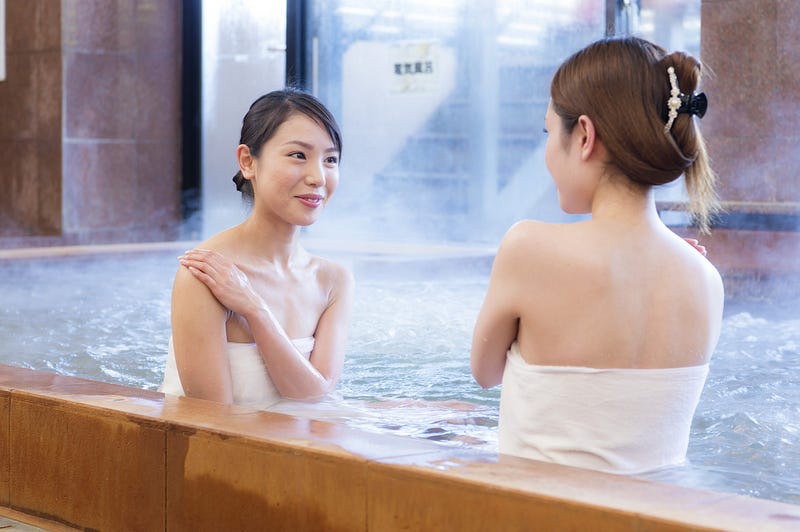
Bathe In A Hot Spring
Hot springs or onsens are naturally heated spring water baths where Japanese people go to soak. Because Japan is a volcanically active country, there are thousands of hot springs all across Japan.
There are many natural outdoor onsens where you will see Japanese people naked and soaking in the natural mineral-enriched water. Some onsens are public and run by the local government, while others are part of private hotels and ryokans (Japanese Inn).
Recently many luxury hot spring hotels have taken over hot spring heavy towns and even have private hot spring baths in each room. There are still some onsens that are co-ed and both women and men can bathe together, but most are divided between gender.
Clothes are not permitted in the hot spring and only a small hand towel can be taken with you into the actual bath. To ensure cleanliness, each bather first takes a shower before entering the communal bath area.
Depending on the area and type of water, certain hot springs have certain healing qualities. Although you may feel a bit nervous about being naked around a group of Japanese people, you will find that once you get over the initial shyness, soaking and decompressing in a hot spring is not only relaxing to the body but to the mind.
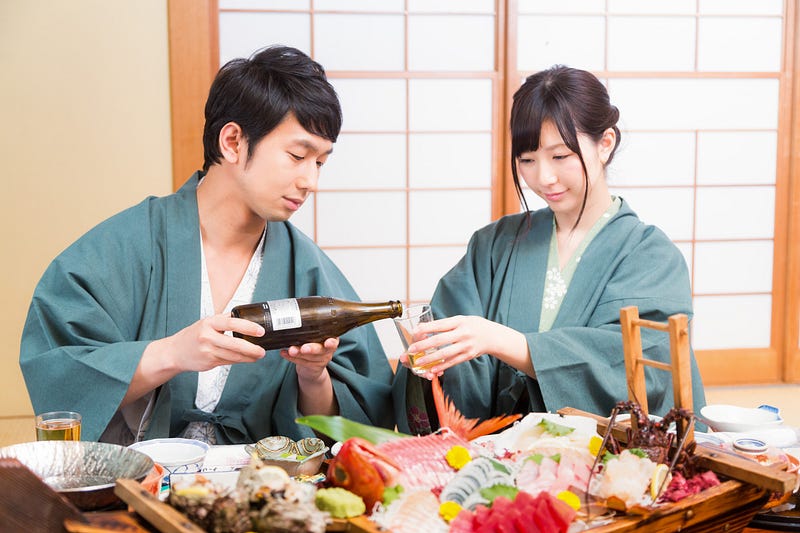
Stay at a Japanese Ryokan
As mentioned previously, ryokans are Japanese-style hotels. Similar to a bed and breakfast, most provide an authentic Japanese dinner and breakfast. The rooms are decorated in tatami mat flooring, Japanese architecture, sliding doors, and futons to sleep on rather than beds.
The host dressed in a kimono usually greets guests at the entrance, escorts them to the room, makes them green tea and explains the rules and schedules for the ryokan, and sets up the futons when guests are taking a bath in the public bath area.
Most ryokans don’t have beds or in-room bathrooms. There is a shared public bath divided between men and women, and dinner and breakfast are either brought to your room or served in a Japanese dining room.
Prices for ryokans are usually not by room but by the number of occupants and depending on how fancy the ryokan is can be anywhere from US$50 dollars a night. If you are hoping to go to a hot spring, most ryokans have their own hot spring which is free for guests.
If you want to step away from the usual western-style hotels and experience a place where Japanese people stay when traveling, then a ryokan is a good opportunity. Along with the appearance of authentic Japan, you will also get a local Japanese meal and have chances to talk to local Japanese people.
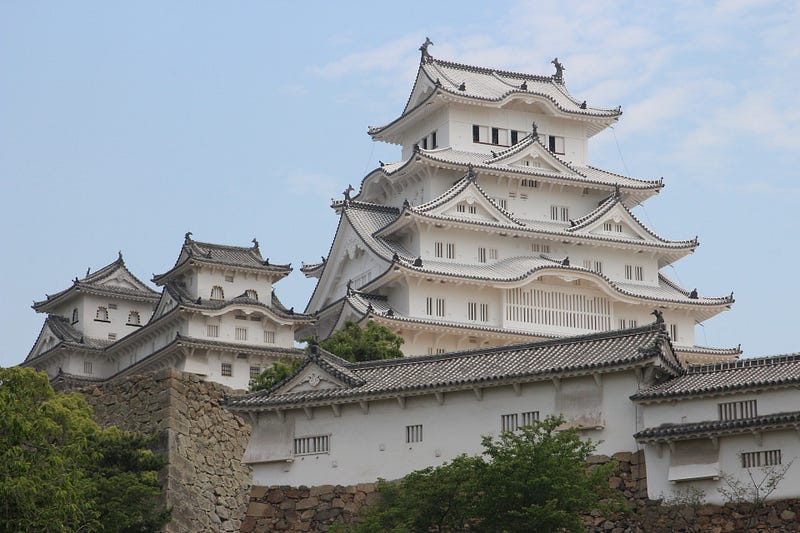
Visit a castle
Japanese castles are different than the image you have of castles located in Europe or at Disneyland. But they are just as majestic and interesting to visit.
According to The Japan Guide, Japanese castles were built on hilltops for defense purposes but as Japan unified, many were built in large expanses in central areas as a headquarters for authority. The closer you lived to the castles, the higher rank you were in society.
At one point there were said to be 5000 castles across Japan but now there are only about a hundred. And most castles that were built with stone and wood were destroyed either partially or completely. The current castles in existence have either been rebuilt or are only contain partial sections that are from the original. There are only 12 castles in Japan that are categorized as the original.
Despite that, visiting a castle is an educational experience. Entering the gates, seeing the moat around the structure, and even being able to enter and ascend to the top of the castle is a treat for anyone interested in history and architecture.
Some castles like Himeji castle are huge and take hours to explore, while others are small and have been converted into museums inside with artifacts dating back to the samurai periods. Whether you visit one of the original castles or a rebuilt one, the beauty of the structure and experience is interesting.
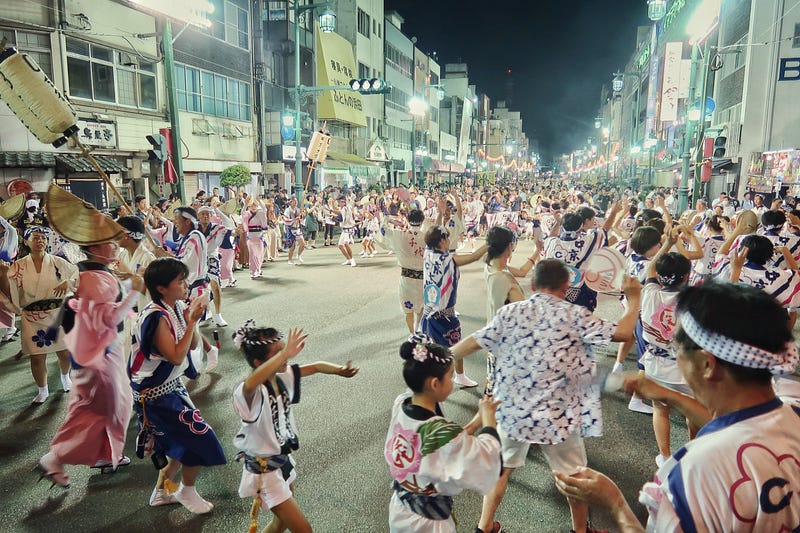
Attend a summer festival
Japan is famous for its summer festivals. Whether you are in the heart of Tokyo or in a small local town, there is always a summer festival going on during the months of July and August. At these summer festivals, you will find children, families, couples, and friends dressed in summer kimonos called Yukata.
Rows of food stalls selling food, drinks, and Japanese snacks fill the streets and usually, there are dance performances and the night ends with fireworks. Depending on the festival, you will find traditional floats being carried by groups of Japanese people.
The music playing is usually traditional Japanese music filled with Japanese drumming, flutes, shamisen string instruments, and singing. During Obon season ( in August), many festivals have a dancing circle commemorating the spirits of the dead.
Good food, games, music, and beautifully dressed people, festivals are the best part of a Japanese summer and should not be missed.
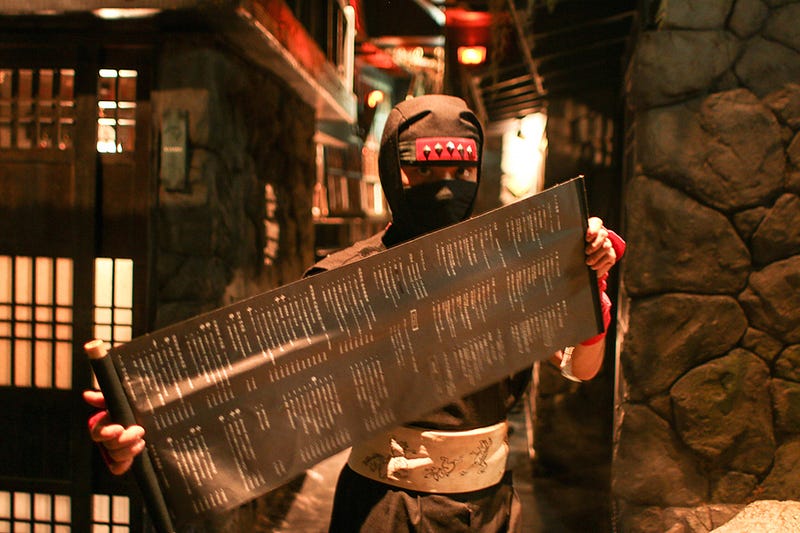
Eat at a Theme Restaurant/Cafe
Though not a traditional Japanese thing, themed restaurants and cafes are one the most fun, unique, bizarre, and interesting places you might visit in Japan. Depending on your tastes of food and fun, there are so many choices of the theme.
For example, if you are looking for something that is rooted in Japanese culture then you might enjoy restaurants like the Samurai or Ninja restaurants. There is also a restaurant called Zauo that resembles a large wooden ship. Here you can fish for your own food and cooks will prepare and serve it to you.
In Tokyo, you will find maid cafes where staff in maid outfits treat you like their master, cafes that are based on famous characters like Hello Kitty, Godzilla, and Moomin, and even a Robot Restaurant.
You can experience darker-themed restaurants like a Vampire cafe, E.R. Haunted Hospital restaurant, or Lock-Up Prison-themed restaurant. Or if you are into animals, spots like a cat, dog, owl, hedgehog, pot-bellied pig, snake, otter, and bird cafes allow you to eat and drink while petting and admiring a cute animal also exist all throughout major cities in Japan.
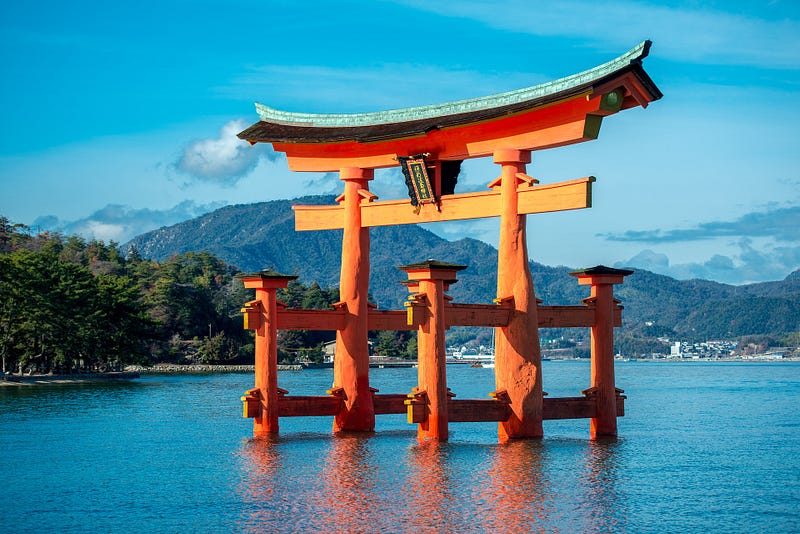
Visit A Temple/Shrine
Probably the most traditional aspect of Japan will be your visit to a temple or shrine. Whether you are in traditional Kyoto, Northern Hokkaido, near the beaches of Okinawa, or traveling through central Japan, each area has small and big shrines and temples.
Some of the most famous temples and shrines you might want to visit are Asakusa in Tokyo, Kiyomizu Temple in Kyoto, or Itsukushima shrine which has a giant red gate in the water that can only be reached when the tide is down.
Entering this sacred area, not only can you feel the spiritual energy from the sculptures, design, and smell of incense, but you can experience the history and importance of these places for Japanese people.
Sometimes you might experience a wedding or funeral ceremony or monks chanting during certain religious holidays and events. And though Japanese people aren’t very religious, they still have a deep respect and superstitious belief in Buddhist and Shinto. Temples and shrines often sell little trinkets and good luck charms that the Japanese carry for a variety of reasons from long life, happiness, true love, safe travels, and even passing exams.
When at a temple or shrine be sure to keep quiet, respect the surroundings, and follow the lead of Japanese people whether it be where to walk, how to cleanse your hands, and how to give an offering to the Gods. Even if you are not religious, the experience will leave you calm and peaceful.
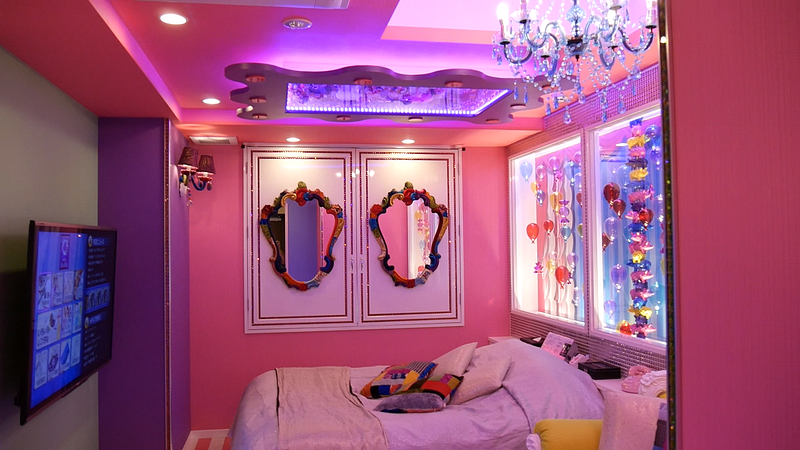
Stay at a Love hotel
Stepping away from ancient ways of life, going to a love hotel is a fun and quirky experience. Love hotels are a popular place for those who need a discreet place to have a rendezvous and provide privacy.
These hotels are located all across Japan, near highway exits, train stations, and drinking districts. They charge either by short stays ( less than 3 hours) or overnight. There is no identification required and everything is electronic so there is no front desk clerk.
From the entrance to exit, you will never come across staff or other guests as there are separate entrances and exits, and once you enter, you can only leave after paying. The rooms are usually decorated in elegant, fun, or strange decor. You can find rooms that are designed like a prison, a circus, outdoor forest, classroom, or inside a train, depending on your preference.
Love hotels are usually wider than regular hotels, have bigger beds, TVs, jacuzzi baths, free food, drinks, and amenities. Many rooms also provide cosplay outfits, adult goods, and free adult videos. A popular place for many couples on the weekend after a night of drinking and partying, most hotels are full by the end of the night.
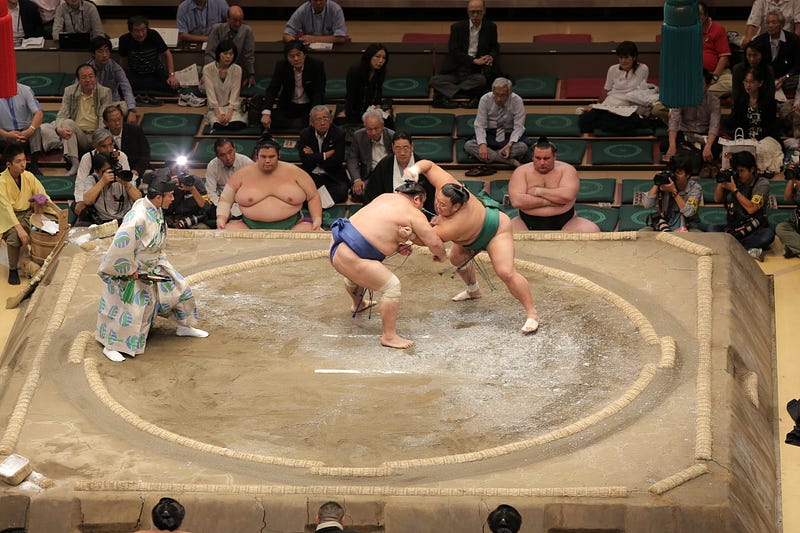
Attend a Sumo Tournament
Watching sports, in general, is fun if you are a sports fan. Whether you go to a soccer or baseball game, you will find the crowds are much more excited and vocal. Fans wear the team jersey, wave around flags and towels with the team logo, and chant cheers for their favorite team.
But if you are looking for a more traditional sport that is just as exciting, then sumo wrestling should be at the top of your list. You may have seen the sport on TV, but watching it live is really a treat.
That stadium is usually full and the seats in the front where you sit on pillows are the most expensive with the most die-hard fans. You will hear people in this section yelling and cheering on their favorite sumo wrestler.
The actual sport involves two overweight men wearing cloth garments called mawashi. In sumo, the official Japanese sport, the purpose is to push, throw, or knock the opponent off his feet or out of the ring.
Originating in Japan it is a sport that only allows men to compete. The wrestlers must follow a strict set of rules and regulations and live in a sumo training stable. Everything from their dress to their food is regulated and strictly adheres to sumo tradition.
If you have a chance to see a sumo match ( the six grand tournaments are held in January, March, May, July, September, and November) it is highly recommended. The tournaments usually last around 4 hours and run for 15 days and each fight has a traditional Shinto ceremony of the throwing of salt to purify the ring.
Even if you don’t speak Japanese or know the rules of sumo wrestling, you can still enjoy the atmosphere and the general concept of the sport without knowing too much about the athletes.
Whether you are in Japan for just a few days or for a longer stay, there is always something to see or do that is unique and different from your own country. For those in major cities, you can enjoy the food, nightlife, and fun places like themed restaurants. For those who trek to smaller towns and local areas, you can enjoy the outdoors and local customs. No matter what age, there is something enjoyable for everyone. Most places are easily accessible, are budget-friendly, and are rich in Japanese culture and way of life.
If you liked this article and want more information about Japan, here are some recommended articles:


