
7 Worst Moments In History That You’d Never Want to Experience
Horrific history that you wouldn’t want to experience.
Throughout history, there have been many moments that were truly horrific to live through.
From natural disasters to wars and acts of violence, some of these events have been so devastating that they have shaped our world and its culture forever.
In this article, we will be discussing the seven worst moments in history that you would never want to experience.
We will explore the horror, tragedy, and destruction that these events brought to the people who lived through them. Prepare yourself for a journey through some of the most difficult times our world has ever seen.
7- Taken Prisoner — The Nanjing Massacre
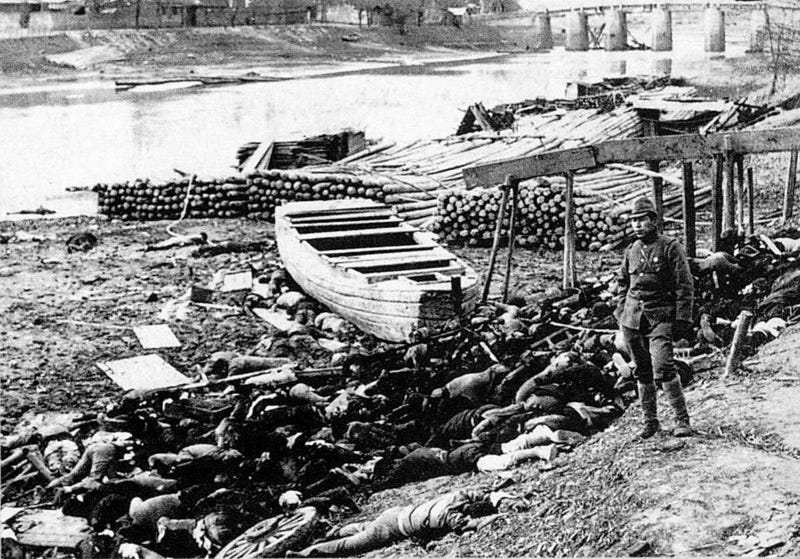
The Nanjing Massacre of 1937–1938 was one of the worst atrocities in human history. During this period, Chinese citizens were taken prisoner by the invading Japanese Imperial Army and subjected to some of the most horrific acts imaginable.
Thousands were brutally killed, with mass executions, rape, and torture all commonplace. Those who survived the initial onslaught were often taken prisoner and subjected to a whole range of abuses, including starvation, forced labor, and medical experiments.
Many of those who were taken prisoner during the Nanjing Massacre were civilians, including women, children, and elderly citizens who had no part in the conflict.
For these individuals, being taken prisoner was a terrifying experience. Those taken prisoner were typically herded together and marched away from their homes, their families, and their lives with no idea of what awaited them.
Those that resisted were killed on the spot or subjected to inhumane torture. Once taken prisoner, prisoners were subjected to horrific conditions and treatment.
In some cases, they were forced into labor camps where they were deprived of food, water, and proper clothing. They were also routinely abused, beaten, and humiliated.
Those that survived the camp were either taken to Japan as slave labor or released back to their home country with little chance of survival after such a traumatic experience.
For those that lived through it, the Nanjing Massacre was undoubtedly one of the most horrific experiences of their lives.
Unfortunately, we will never know the full extent of what these people endured as much of it remains shrouded in mystery. But one thing is certain: the memories of those who lived through it will never be forgotten.
6- Being Separated From Your Family — Entering Auschwitz
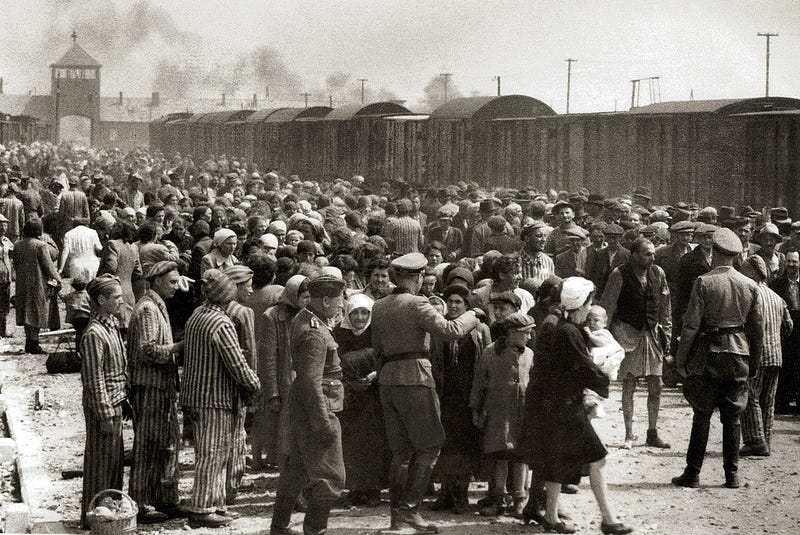
One of the most devastating moments of World War II was the separation of families as they entered Auschwitz.
As soon as prisoners arrived, their belongings were taken away and they were forced to line up for a selection process. Families have split apart and assigned to separate camps based on gender and age.
Many were then immediately killed. It was a heartbreaking moment for many as they were torn away from their loved ones with no idea if or when they would ever see them again.
The process of separation was traumatic for all involved. Parents had to say goodbye to their children and spouses were ripped apart from each other.
Many of those who survived the Holocaust remember this moment as the worst of the entire ordeal. The horror of being forced to part ways with their families and not knowing what the future held was too much for many to bear.
The separation at Auschwitz was a tragedy beyond words. It is a testament to the brutality of Nazi Germany and a reminder that human suffering knows no bounds.
The pain felt by those who were separated will never be forgotten, and we must honor their memory by learning from this dark chapter in history.
5- The Jallianwala Bagh Massacre — Stray Dogs
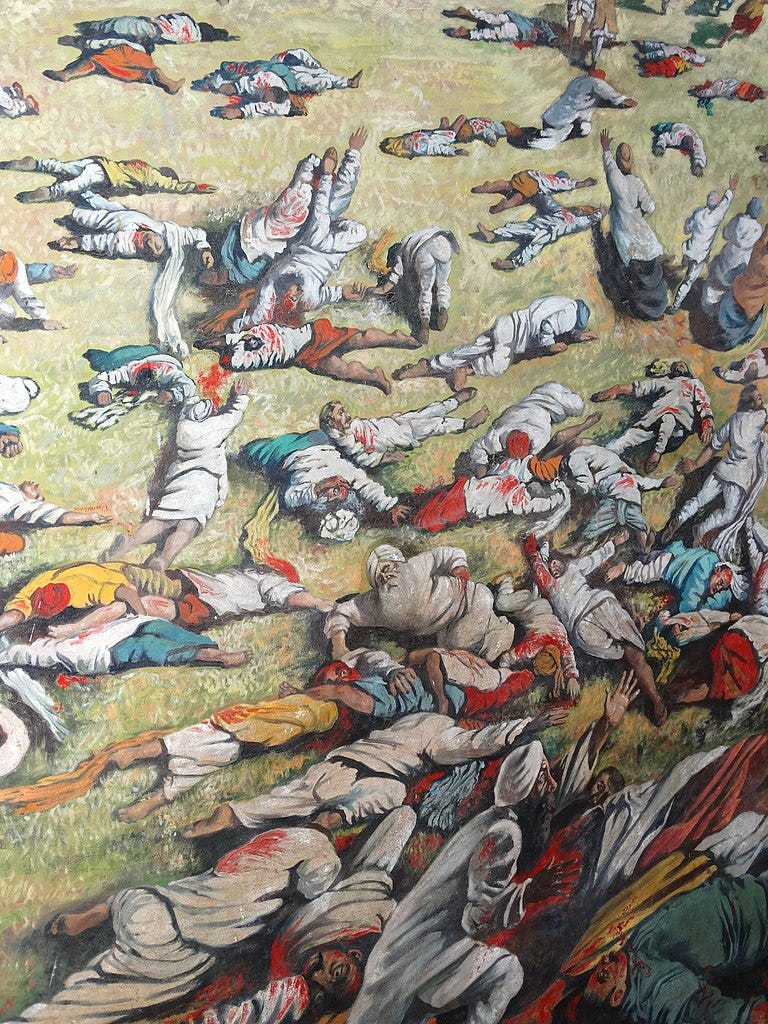
The Jallianwala Bagh massacre was an atrocity committed in 1919, when British Indian Army forces opened fire on unarmed men, women, and children in Amritsar, India.
The slaughter claimed the lives of hundreds of innocent people and left the city in a state of shock and grief. The aftermath of the massacre was even more heartbreaking as survivors were forced to deal with the remains of their loved ones.
Many of these bodies were left unattended in the open area, where wild animals and stray dogs roamed freely. Families had to bravely face these creatures to retrieve and protect the remains of their loved ones.
This must have been an incredibly painful experience as they grieved the loss of their family members while also struggling to protect them from animals.
This event is one of the darkest moments in history and serves as a reminder of the immense pain that war and violence can bring. It is a heartbreaking tragedy that no one should ever have to live through.
4- The Black Death — Entire City Slowly Succumb
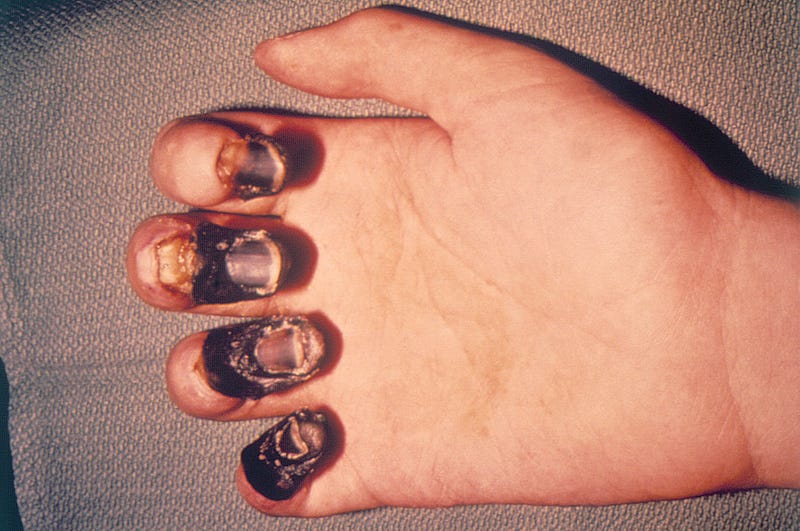
The Black Death is one of the worst moments in history, and it would have been horrific to witness. During the Middle Ages, Europe was devastated by the plague, killing an estimated 75–200 million people worldwide.
The pandemic spread quickly, killing entire cities in a matter of weeks. To those who lived through it, the effects were devastating.
One of the worst sights during the Black Death must have been watching your entire city slowly succumb to the plague. With no known cure or treatment, all people could do was try to survive as long as they could.
The smell of death was everywhere, and the cries of pain and suffering echoed throughout the streets. People died in droves, and those who managed to survive had to watch helplessly as their loved ones succumbed to the disease.
The effects of the plague are still felt today. Even after hundreds of years, the emotional trauma of watching your city slowly die due to the Black Death is still palpable.
It was an experience that nobody wanted to endure and one that no amount of time can erase from our collective memory.
3- The Siege — The Black Hole of Calcutta
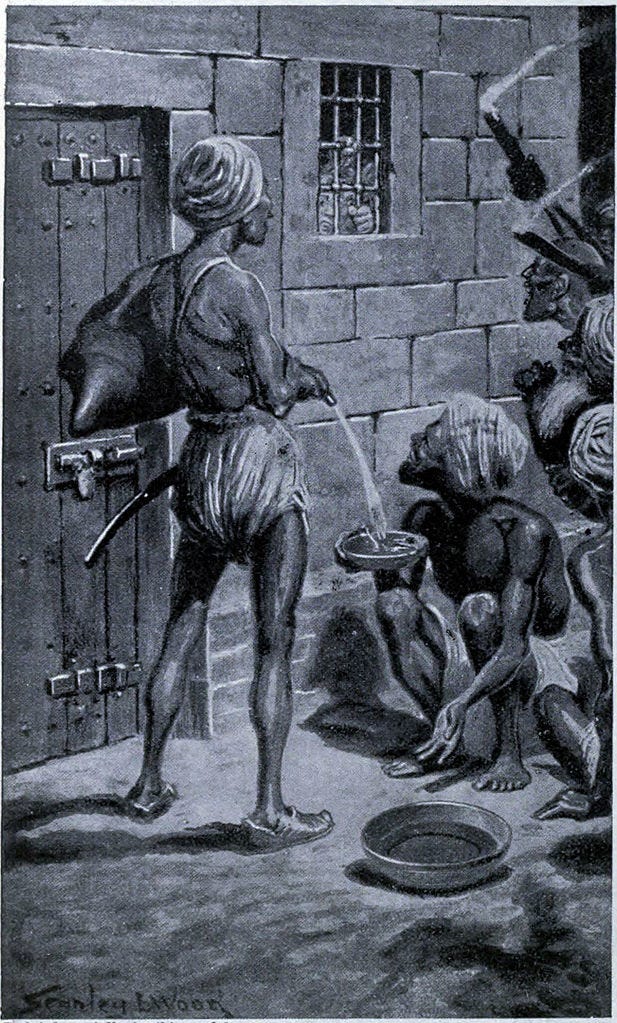
The Siege of Calcutta was a harrowing event in Indian history. During the siege, the British were forced to lock 150 British and Indian people in a small dungeon, known as the “Black Hole of Calcutta”.
The dungeon was only 14 feet by 18 feet and contained no bedding, food, or water. It is estimated that at least 123 people died from suffocation or heatstroke during the night, with many of them being soldiers who had bravely defended the city.
Those who survived the night reported being packed so tightly they couldn’t move and being unable to breathe due to the intense heat and lack of air circulation.
Witnesses also reported seeing people being trampled to death in the rush to escape the dungeon. This horrific event serves as a stark reminder of how quickly a situation can spiral out of control and the importance of taking action to prevent it.
It also serves as a reminder of how our actions have consequences, no matter how far away they may seem.
2- People Get Swept Away — The Volcanic Waves of Krakatoa
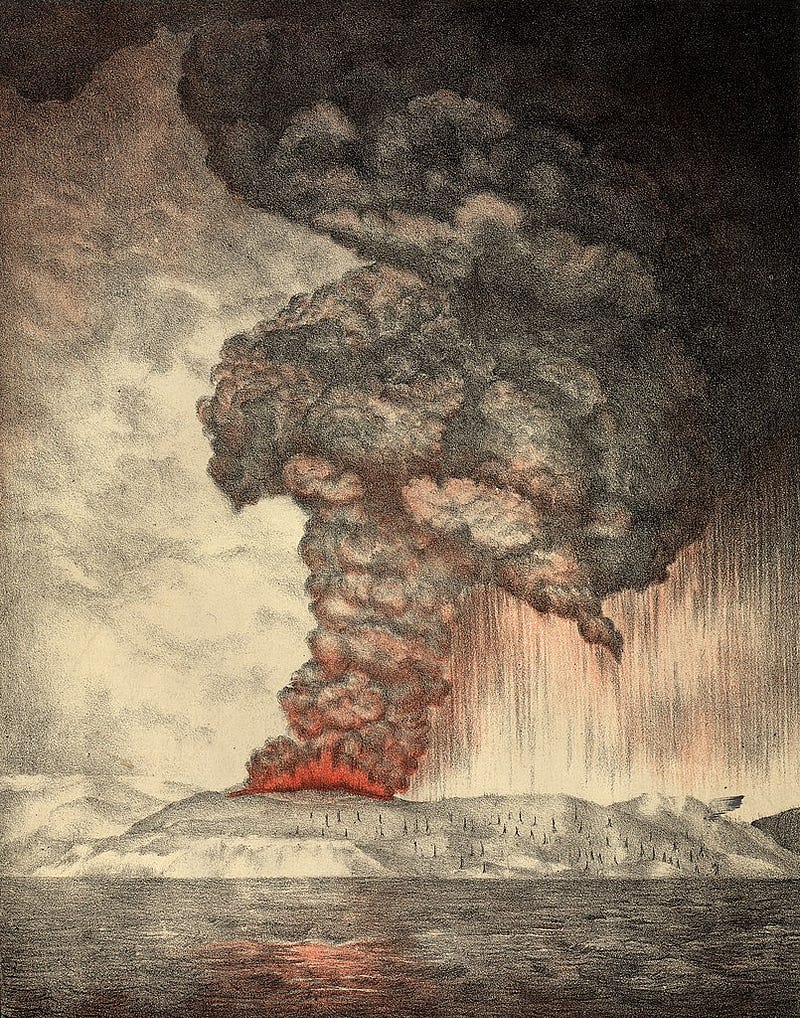
The volcanic eruption of Krakatoa in 1883 was one of the most devastating natural disasters ever recorded.
Located in the Sunda Strait between Java and Sumatra, the island of Krakatoa had long been a source of eruptions and seismic activity. But nothing could have prepared locals for the cataclysmic explosion that would follow.
The explosion produced a loud sound heard for thousands of miles and resulted in massive tsunamis that caused widespread destruction in the region.
The waves reached heights of over 130 feet, causing devastation to all those who were unfortunate enough to be in their path. As people fled from the waves, they were forced to make desperate attempts to outrun them.
Unfortunately, many of them failed and were swept away by the rushing waters, never to be seen again. It was an utterly devastating scene, one that no one should ever have to experience.
1- A Prisoner at Andersonville — Something to Eat
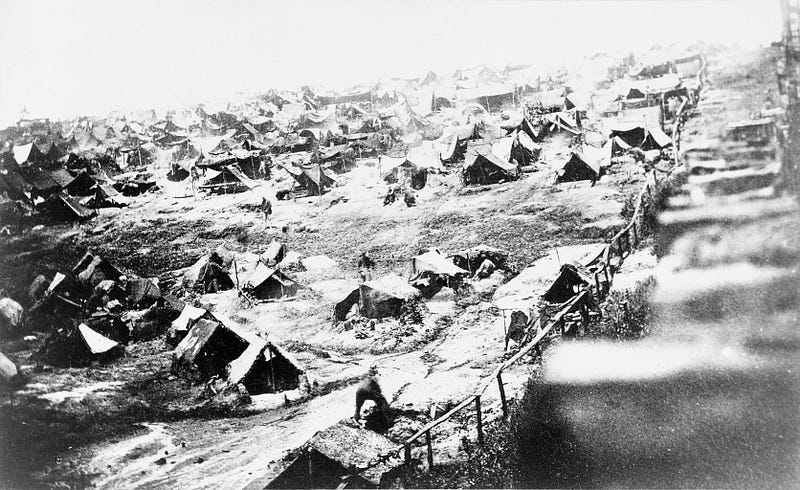
Andersonville, also known as Camp Sumter, was a Confederate prison camp during the American Civil War. Over 45,000 Union soldiers were held in the camp, of which 13,000 died from disease, exposure, and starvation.
Prisoners at Andersonville were allowed to purchase food with their own money if they had any, or they could trade items with other prisoners or guards. But those who had no money or items to trade were forced to scavenge for something to eat.
They would search the campgrounds for wild plants like onions, turnips, and radishes. They would also dig through animal droppings and garbage piles in hopes of finding a morsel of something edible.
At night, some prisoners would even sneak outside the prison walls to steal food from nearby farms. The food was never enough to sustain them, and most prisoners suffered from malnourishment and starvation.
This harsh reality made Andersonville one of the worst moments in history, and it’s a moment you wouldn’t want to experience for yourself.
Points To Ponder
No one would ever want to experience any of the horrific moments in history that we have discussed.
Unfortunately, these events were real and some of them are still relevant to this day.
We must remember and learn from our past so that we can create a better future. It is important to keep our heads held high and strive for a world without such horror.
Join Medium Today
More from the author:


