
7 Historical Facts You Won’t Believe Are Not True
You’ll be shocked by these misleading historical stories.
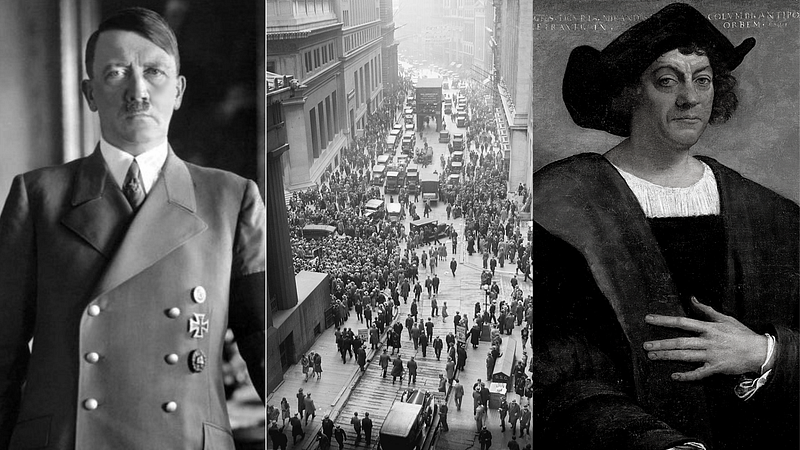

Do you think you know a lot about history? Think again! You may be surprised to learn that many of the facts you thought were true are false.
In this article, we will explore seven of the most commonly believed historical facts that have no basis in reality.
Discover which stories you’ve been believing all these years and why they’re not true. Read on to find out more!
7- Christopher Columbus— Columbus Was The First European To Discover America
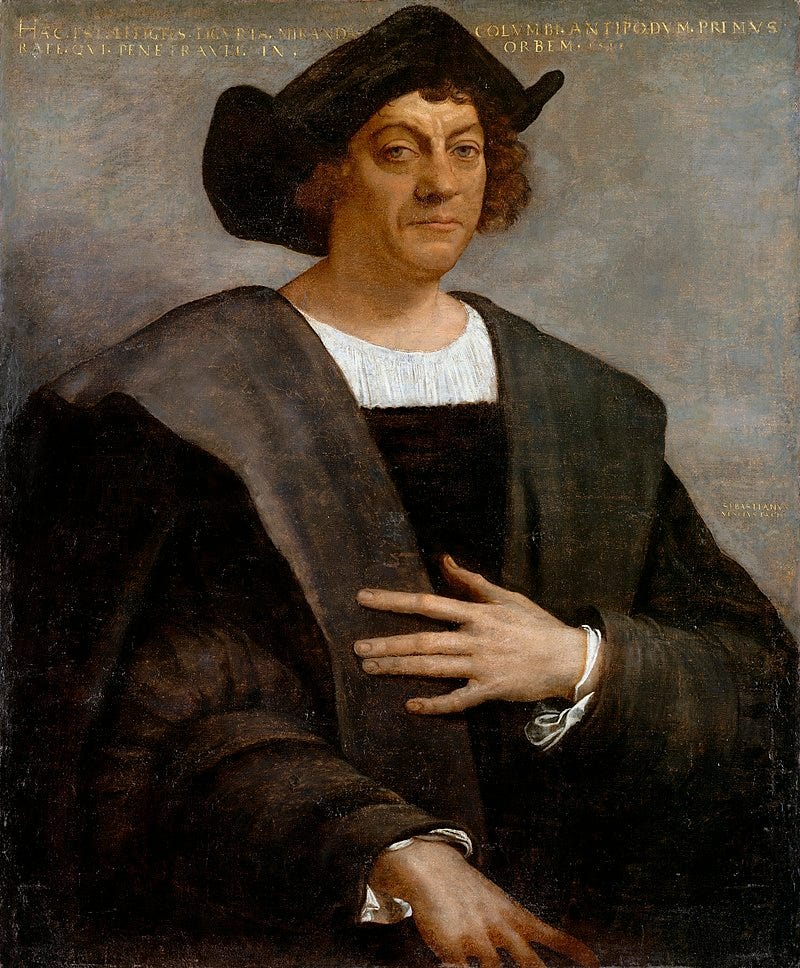

It is often said that Christopher Columbus was the first European to discover America in 1492, but this is not entirely true.
While Columbus is often credited with being the first explorer to find a route to the continent, he wasn’t the first European to land there.
Norse Vikings had settled in Newfoundland and Greenland centuries before Columbus arrived.
Despite this, Columbus’s voyage marked the beginning of the transatlantic slave trade, the colonization of America, and the exploitation of its resources.
6- The Age Of Discovery — People in Columbus’ Time Thought The World Was Flat
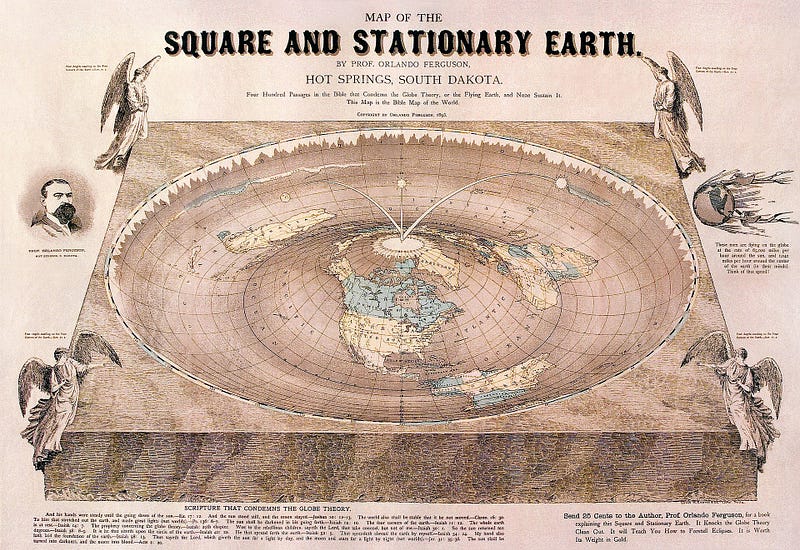

This is one of the most common misconceptions about the age of discovery. While it is true that some believed the world was flat, they were in the minority.
Most people living in Columbus’ time had a fairly sophisticated understanding of geography and knew that the world was round.
The Greeks had already theorized that the earth was a sphere almost 2,000 years before Columbus’ journey.
As evidence mounted over time to prove this theory, the idea that the world was flat began to diminish in popularity.
So, while it is widely believed that Columbus and his contemporaries thought the world was flat, that is not accurate.
5- Dictatorship — Hitler Seized Power in Germany by Force

The idea that Hitler seized power in Germany by force is one of the most widely believed historical myths. The reality is that he did not have to use any force at all.
Hitler was appointed chancellor of Germany in January 1933 and was able to gain more power after the Reichstag fire in February 1933.
This allowed him to pass the Enabling Act, which gave him the power to create laws without the approval of the Reichstag.
By the time the elections came around in November 1933, Hitler had already established his dictatorship. Though violence was used to oppress and eliminate opposition, it was not necessary to seize power.
4- The Global Economic Downturn — The Stock Market Crash Of 1929 Started The Great Depression
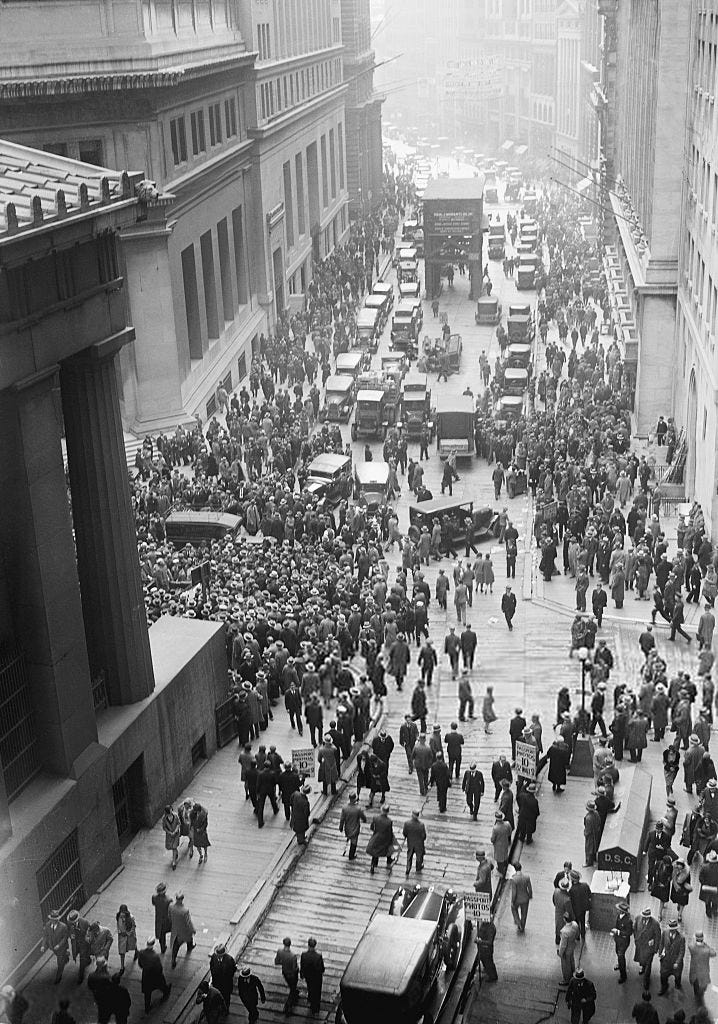

This is one of the most widely-believed historical facts, but it’s not true. The crash of 1929 certainly had an enormous effect on the US economy, but it wasn’t the sole cause of the Great Depression.
Factors like economic inequality, lax financial regulations, and banking failures all contributed to the global economic downturn. The stock market crash of 1929 only exacerbated an already declining economy.
The Dow Jones Industrial Average fell more than 22 percent in October 1929, and by 1933, nearly half of the banks in America had failed.
This contributed to an even greater economic decline that would last for more than a decade.
3- Pearl Harbor— Japan Had To Attack America If It Wanted To Survive Economically
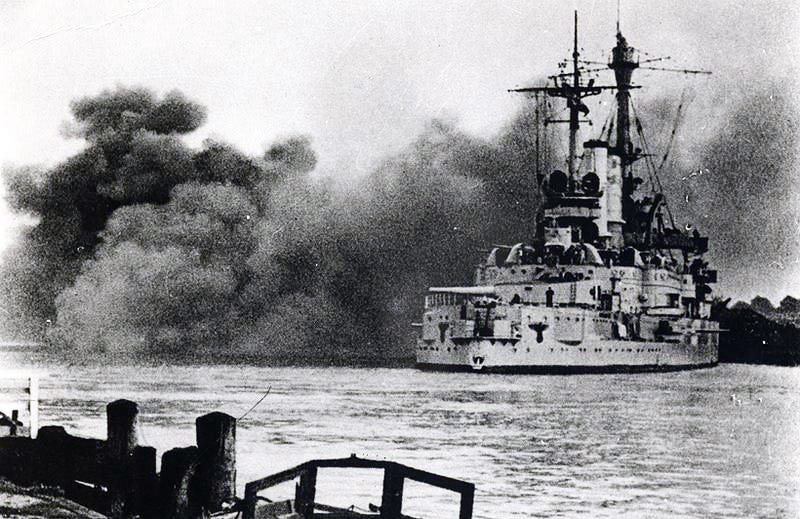

This is one of the most enduring myths about World War II and the attack on Pearl Harbor.
Japan was indeed suffering from an economic depression in the 1930s, but this did not mean they had to attack America to survive.
The Japanese government was hoping that by attacking America they could gain access to natural resources, such as oil and rubber, which were necessary for their economy to survive.
The Japanese had also been secretly planning to attack America long before their economy began to suffer.
Japan had the plan to invade the Pacific islands, which included Hawaii, and they had already started making military preparations before their economy faltered.
The attack on Pearl Harbor was not a desperate attempt to save their economy but rather a calculated strategic decision by the Japanese government.
2- If Lee Had Won At Gettysburg The South Would’ve Won The Civil War
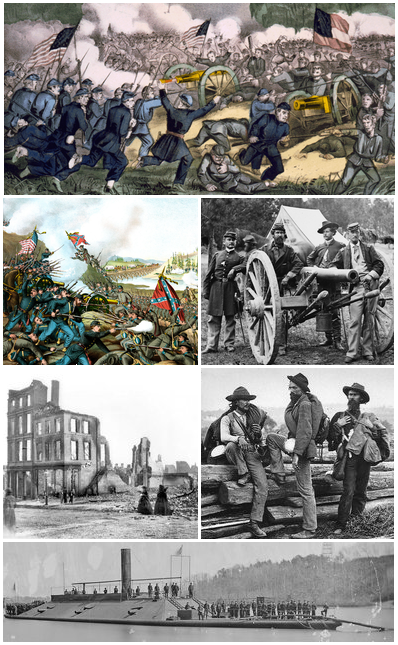

This is a widely accepted belief, but it’s simply not true.
The Civil War was long and complicated, and even if the Confederacy had won the Battle of Gettysburg, they would still have faced other battles and odds that they may not have been able to overcome.
The truth is, even if Lee had been victorious at Gettysburg, the South would have still had to face the Union’s numerical advantage in terms of soldiers and weapons.
It would also have had to deal with the Union’s superior navy, which would have made any further military campaigns difficult for the South to win.
In addition, even if Lee had won at Gettysburg, he would still have had to contend with President Lincoln’s determination to preserve the Union, as well as the growing support for the Union among foreign nations such as England and France.
All of these factors combined would have made it virtually impossible for the Confederacy to achieve its goal of independence.
Therefore, it is safe to say that even if Lee had won at Gettysburg, it would not have guaranteed a victory for the Confederacy in the Civil War.
1- The USA Was Chiefly Responsible For Defeating Germany In WWI And WWII — Role In Both Wars


This commonly-held belief is false. In World War I, the Allied forces, including France, Britain, Russia, and Italy, were instrumental in Germany’s defeat.
In World War II, it was the Soviet Union that did most of the heavy lifting when it came to taking down Germany. The United States played a major role in both wars, but it wasn’t solely responsible for either victory.
In World War I, the United States did not join the Allied forces until 1917, two years after the war had already begun.
The American forces were mainly used as a complement to the existing Allied forces rather than as a primary weapon against Germany.
In World War II, it was the Soviet Union that bore the brunt of the war against Germany, with the United States playing a supporting role.
The U.S. provided crucial assistance in terms of financial aid and military equipment, but it was the Red Army that ultimately defeated Germany on the ground.
The contribution of the United States to the defeat of Germany in both World War I and World War II should not be overlooked, but it’s important to recognize that it was not the only factor in either victory.
The Allied forces and the Soviet Union both played a crucial role in bringing an end to German aggression.
Points To Ponder
History is often romanticized or simplified in textbooks, movies, and even conversations. In reality, the past is much more nuanced and complex than we may realize.
It’s important to recognize that many of the stories and facts about history that we have been told for generations may not be entirely accurate.
By examining these seven historical “facts” that are untrue, we can gain an appreciation for the value of critical thinking and skepticism when it comes to understanding the events of our past.
It’s essential that we actively challenge the accepted narrative to gain a more accurate understanding of history. With this knowledge, we can move forward with an appreciation for the truth.
More from the author: