
7 Ways WWII Left An Important Mark On Our Lives
How World War II shaped the way we live now.
World War II is often thought of as a distant event, yet its consequences are still felt to this day.
From advancements in technology to international relations, the war has left an indelible mark on the way we live our lives.
In this article, we will explore seven ways that WWII still shapes our lives, from the infrastructure of our cities to the culture of our communities.
While we may be removed from the battles of the 1940s, the impact of the war still lingers in our everyday lives.
7- The Creation Of Organizations — The UN And WHO
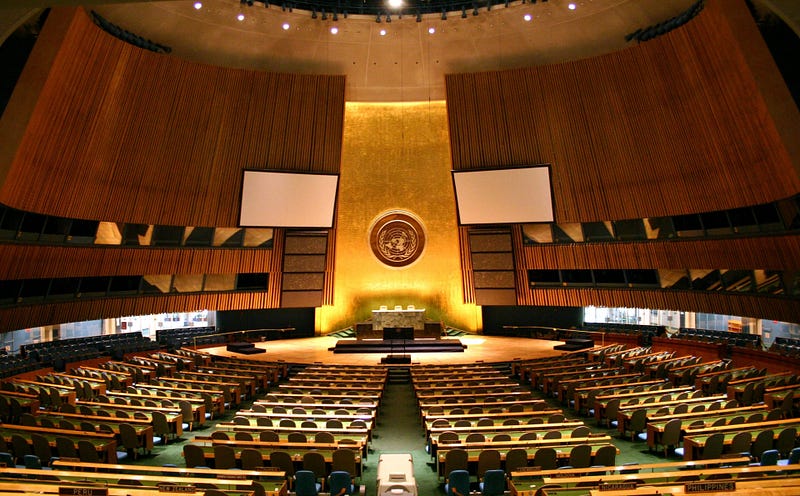
The United Nations and the World Health Organization (WHO) were two of the most influential organizations to emerge from World War II.
Both organizations sought to create a framework for international cooperation and peacemaking that had not been seen before in world history.
The UN was founded in 1945, largely due to the efforts of US President Franklin D. Roosevelt and British Prime Minister Winston Churchill.
Its primary goals were to maintain global peace and security, develop friendly relations among nations, and promote economic, social, and humanitarian cooperation.
The WHO was created three years later, in 1948. Its purpose is to improve health conditions all over the world.
The WHO also works to ensure that everyone has access to quality medical care and education, as well as to promote public health initiatives such as vaccinations and disease surveillance programs.
Both of these organizations have had a profound impact on our lives today. The UN’s aim of creating a peaceful world order has been instrumental in maintaining the peace we currently enjoy.
Meanwhile, the WHO has played a crucial role in fighting deadly diseases, particularly in developing countries.
6- Advancement In Technology — The World’s First Real Computer
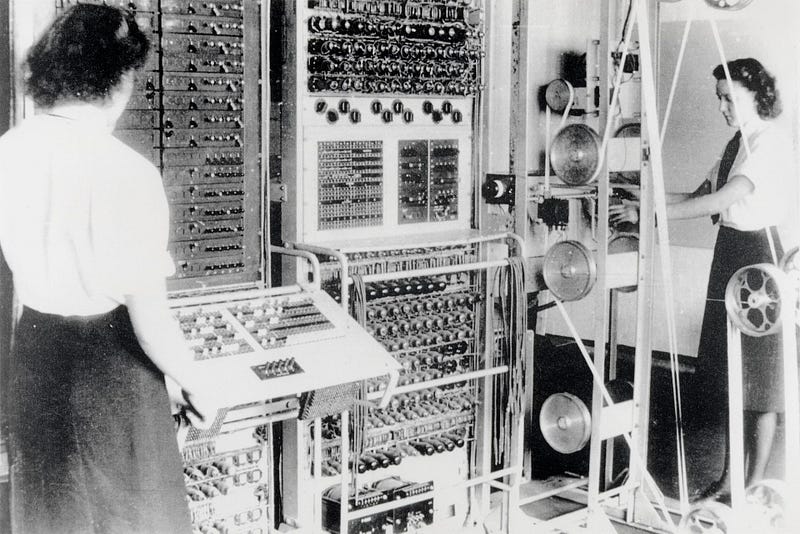
In 1941, the world’s first programmable computer was developed by the British during World War II. The Colossus was built for code-breaking and cryptographic analysis, and its impact was felt far beyond the war effort.
This early computer ushered in the era of modern computing, revolutionizing both the military and civilian world. It would take nearly a decade before computers became available to the general public.
The Colossus used vacuum tubes instead of transistors and could store up to 2500 characters of data. It was capable of doing basic calculations and could be programmed to perform specific tasks.
This early version of a computer laid the foundation for machines that are much more powerful several the Colossus, several other technologies were developed including magnetic core memory, high-speed counting machines, and computers capable of processing speech.
All of these inventions have shaped our lives in numerous ways, making it easier to store, access, and use information. The first computer helped create a world where technology is an essential part of our daily lives.
5- Demand For Rubber — Synthetic Rubber
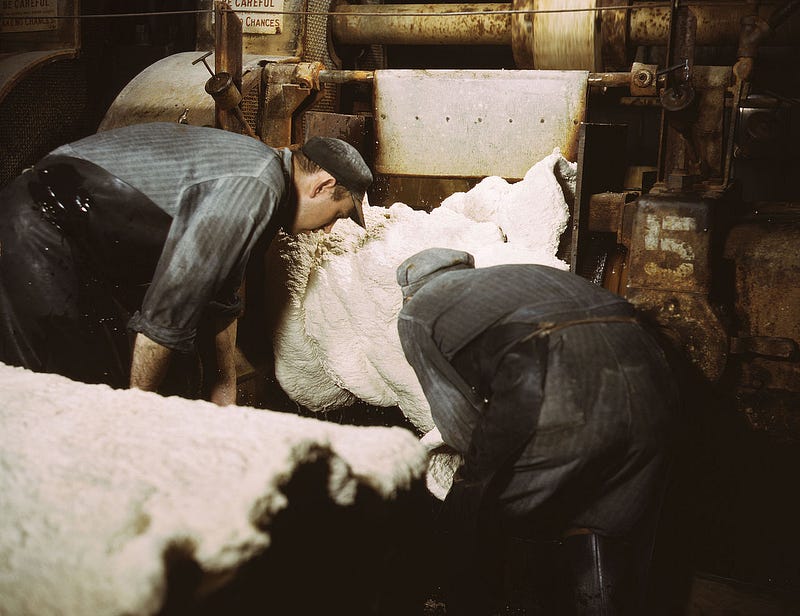
During World War II, the demand for rubber was greater than ever before, as it was needed to make tires for airplanes and other war machines.
However, supplies of natural rubber were unable to keep up with the demand, leading to the creation of synthetic rubber.
This new form of rubber was created in the United States and used during the war to produce tires, hoses, gaskets, and other materials needed by the military.
The invention of synthetic rubber enabled the production of more efficient, longer-lasting tires, which made vehicles more reliable.
The success of synthetic rubber during the war led to its use in everyday, items such as tires, hoses, and footwear.
Even today, synthetic rubber is used in these and many other products, allowing us to enjoy greater comfort and durability than would otherwise be possible.
Synthetic rubber also continues to be used in the medical field for a variety of applications, from joint replacements to prosthetics.
Thanks to World War II, we now have access to this amazing material that has revolutionized modern life.
4- M&M’s — America
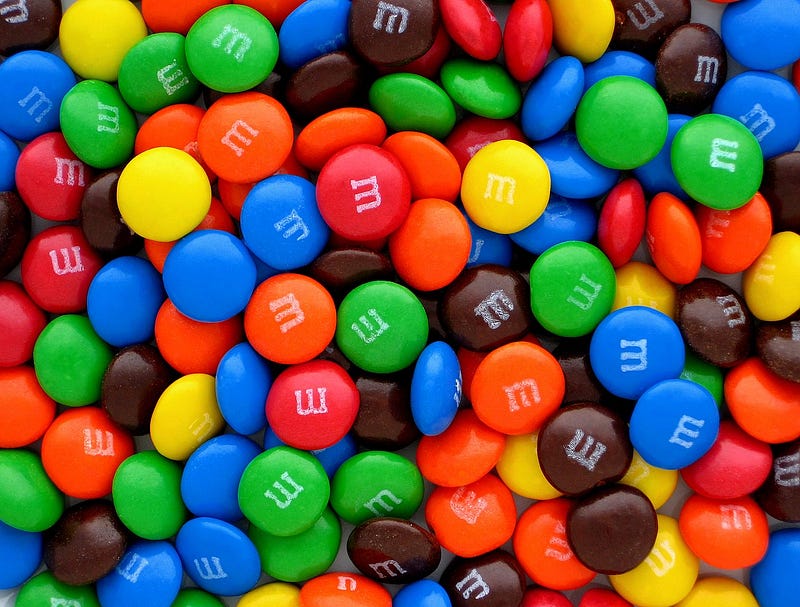
One of the most surprising ways World War II shaped our current lives is through the popularity of M&M’s candy.
In 1941, M&M’s candies were first produced and soon after began to be distributed by the military. Due to their ease of transport, individual packaging, and unique flavors, M&M’s became a big hit with US soldiers.
It was not long before M&M’s returned to civilian life and started being sold in stores. Since then, it has become an iconic American snack, beloved by many generations.
This would not have been possible without the backing of the US military during WWII. Thanks to their support, M&M’s made its way into popular culture and can now be found in any store.
So the next time you enjoy a pack of M&M’s, remember that without WWII this treat might never have become so popular in the United States.
3- Genocide — Systematic And Planned Killing
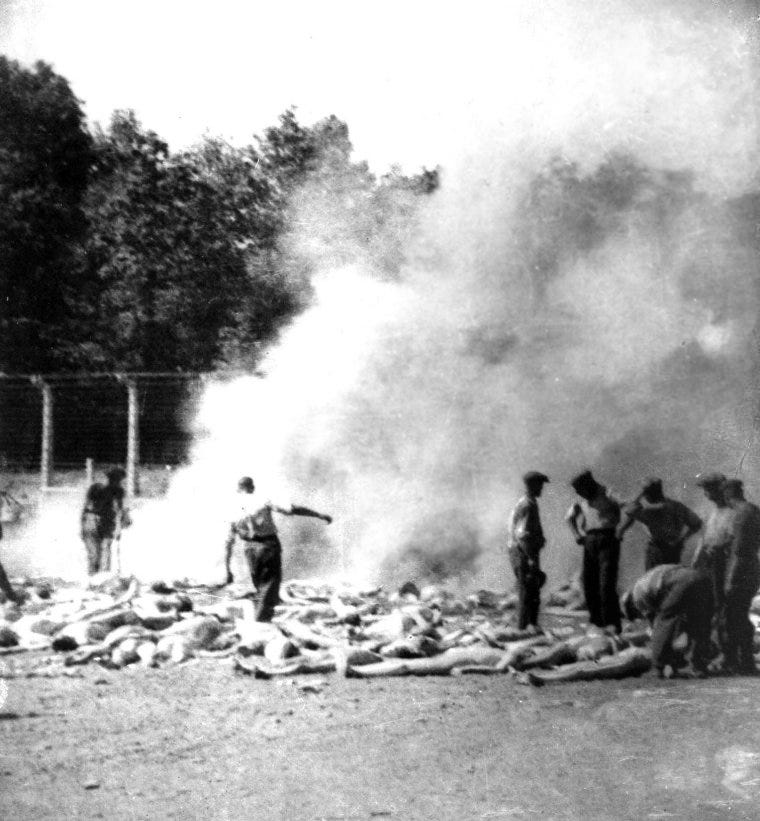
During World War II, the word ‘genocide’ was first used to describe the systematic and planned extermination of a particular group of people.
The term was coined by the lawyer Raphael Lemkin in 1943 as he sought to describe the atrocities being committed against the Jewish population in Europe.
The word genocide is derived from two Greek words: ‘genos’ which means race or tribe, and ‘cide’ which means killing.
Lemkin argued that it was necessary to have a word to represent the atrocity that was occurring during the war and this term eventually became the legal definition of genocide.
In 1948, the United Nations General Assembly officially adopted the Convention on the Prevention and Punishment of Genocide, which made it a crime punishable under international law.
Since then, the concept of genocide has been utilized to describe other mass killings around the world, most notably in Cambodia, Bosnia, Rwanda, and Darfur.
The word genocide is an important reminder of how World War II shaped our lives today. It serves as a warning of what happens when unchecked power leads to systematic oppression and destruction of people based on their identity.
It is also a testament to the power of language, as a single word has had a profound impact on our understanding of human rights and justice.
2- Germans — Less Outwardly Patriotic
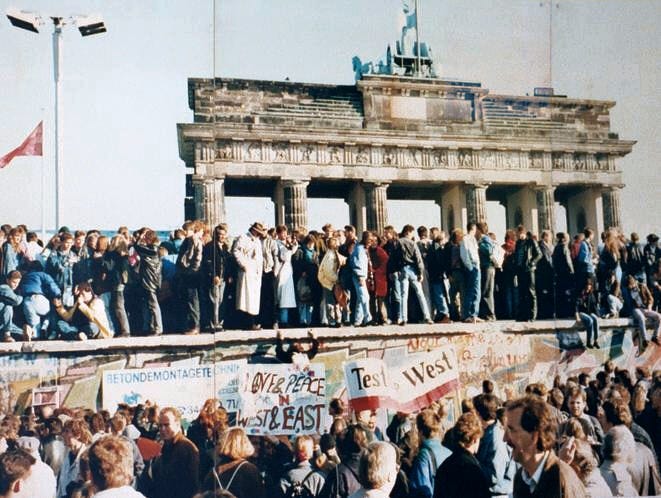
World War II had a profound effect on the national identity of Germany. Before the war, Germans were incredibly proud of their nation and would often express this patriotism publicly.
However, after World War II, the idea of German patriotism was shunned by many. This is because of the atrocities committed by the Nazi party and its affiliates during the war.
The idea of a unified German national identity was no longer acceptable and replaced by a sense of shame and humiliation.
This shift in public opinion has had a lasting impact on Germany and its citizens, leading to a less outwardly patriotic attitude among its people today.
1- Nation Of Readers — People Consuming Information

The Second World War changed the way that people consumed information, especially in the United States. Before WWII, most newspapers and magazines were published in a single language, which limited the readership.
During the war, English-language publications that had been printed in other countries were brought back to the U.S. This provided American readers with more sources of information, which in turn led to an increase in literacy.
The war also made books more accessible to a wider audience as publishers began to produce paperbacks in large numbers.
These pocket-sized editions became popular with soldiers who wanted to read while away from home, as well as with civilians.
The paperback industry allowed authors to reach a much larger audience than before and increased their sales dramatically.
The end of WWII saw the rise of television, which quickly became a popular form of entertainment. However, this did not mean the end of the realize the combination of the two media created what is often called “the nation of readers”.
People of all ages enjoyed reading books and watching TV programs together, often engaging in lively conversations about what they had just seen or read.
Reading is still an important part of our culture today, and we can thank WWII for making it so accessible. It opened up the world of literature to people of all backgrounds, creating a lasting legacy that continues to shape our lives today.
Points To Ponder
World War II was a major turning point in history, and it has had a lasting impact on the way we live now.
From the establishment of the United Nations and the World Health Organization through the launch of the world’s first true computer, the popularity of M&M’s, and the development of synthetic rubber, and even the word ‘genocide’, WW2 still shapes our lives in many ways.
We are fortunate to live in a world that was drastically changed by this conflict and can enjoy the fruits of the peace it eventually brought.
Join Medium Today
More from the author:


