
7 Ways Racism Was Carried in America After The Civil War
Racism In America — The ugly truth about how it’s kept alive after the civil war.
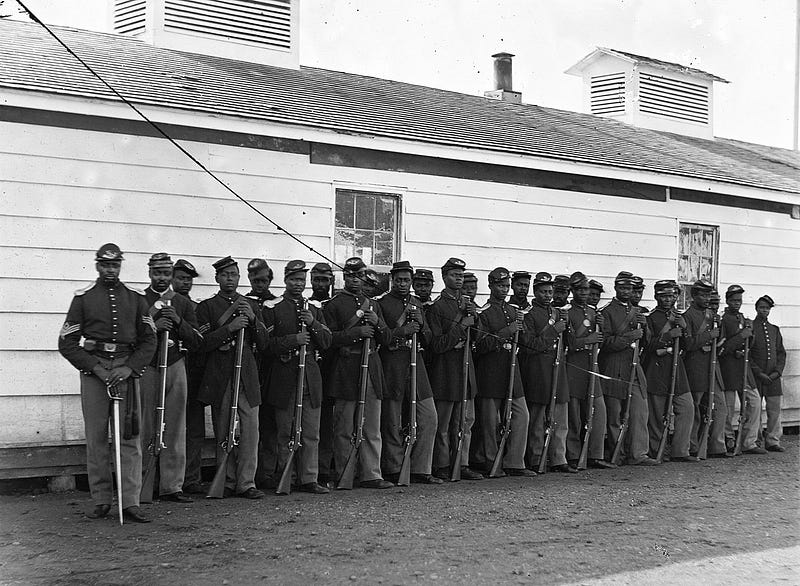
The Civil War ended in 1865, but unfortunately, racism did not end with it.
In the years following the war, many of the same oppressive systems that existed before it remained in place, and new tactics were created to ensure that African Americans remained second-class citizens.
In this article, we’ll look at seven of the most damaging ways racism was kept alive in America after the Civil War.
From Jim Crow laws to Black Codes, and more, we’ll examine how these oppressive structures impacted African Americans for decades and how they continue to shape our society today.
7- Racial Stereotypes — Pullman Porters
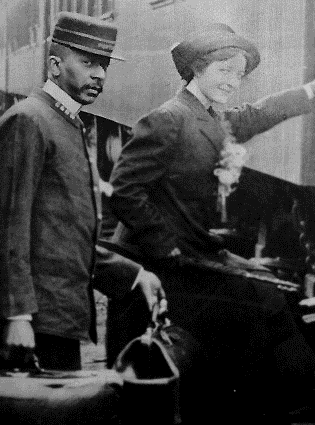

In the post-Civil War period, Pullman Porters were employed by railroad companies to serve passengers in luxurious sleeping cars.
The majority of these porters were African American and were required to wear a tailored uniform with gold buttons. Despite this, they were subjected to racism and segregation.
For example, porters had separate restrooms from passengers and were often assigned to cars for African American passengers. The porters also relied on racial stereotypes in their interactions with passengers.
It was believed that African Americans were naturally suited to service roles, so the Pullman Company trained them in customer service and provided them with scripts to follow when greeting customers.
The company even went as far as to hire an African American man to teach its employees the proper etiquette and language needed to interact with white passengers.
Despite these racist practices, many African American porters endured because they earned a decent salary, which was far greater than what they would have earned doing any other job at the time.
This shows how even in the face of rampant racism, African Americans still found ways to make a living and support their families.
6- Blackface Performances — African Americans For Entertainment
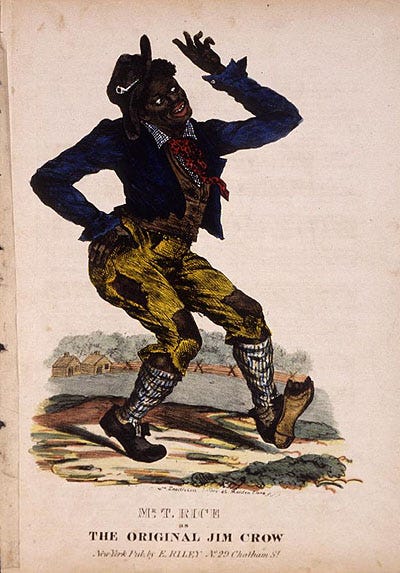
Blackface performances were a form of entertainment that used racial caricatures of African Americans, and they were popular in the decades following the Civil War.
They usually featured white actors wearing black makeup and clothing, portraying exaggerated stereotypes of African Americans.
These performances were often performed in minstrel shows and vaudeville, and they perpetuated dangerous negative stereotypes of Black people as lazy, stupid, and criminal.
Blackface minstrelsy had a huge impact on the way white audiences viewed African Americans. It shaped their perception of Black people as one-dimensional caricatures, instead of actual human beings.
This type of entertainment further justified racism and white supremacy in America. As long as these performances existed, it was easy for white audiences to buy into the idea that Black people were inferior.
5- Literacy Tests And Poll Taxes — Black American’s Voting
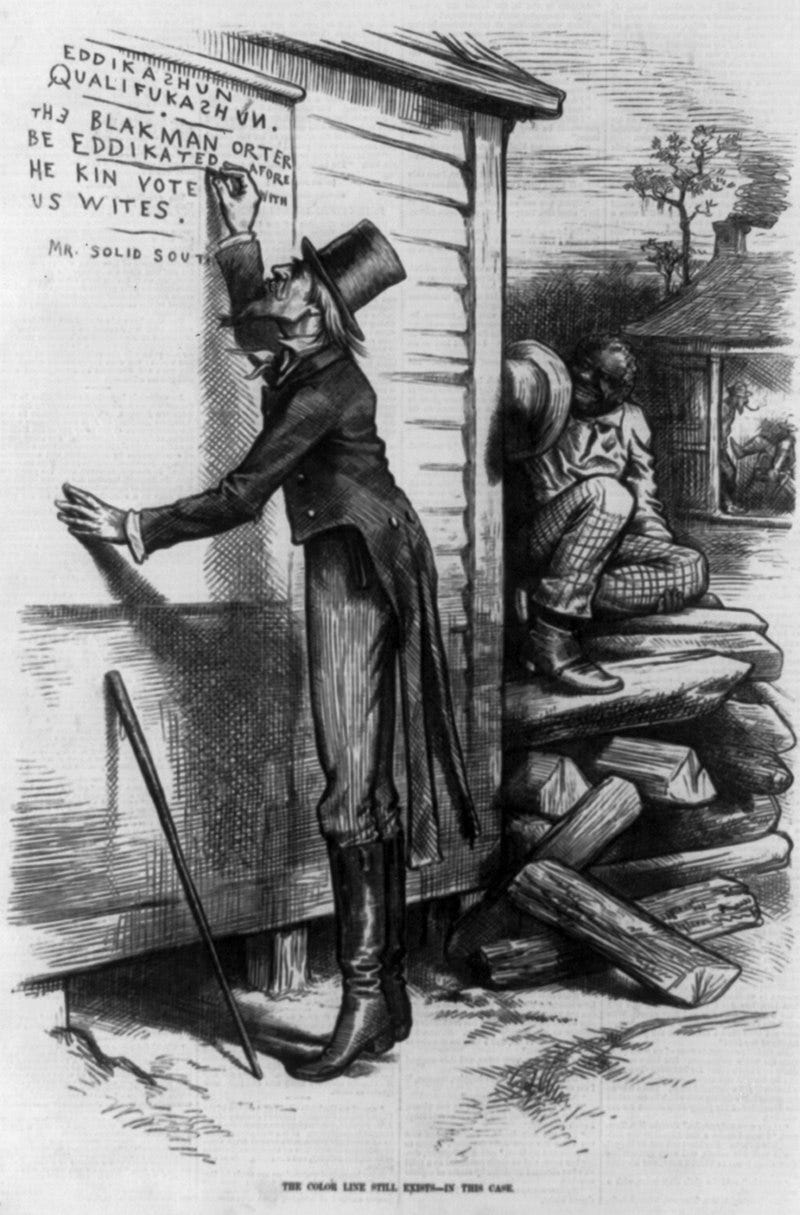

The 15th Amendment, which gave black Americans the right to vote in 1870, was met with fierce resistance from many states.
In response, states created laws that specifically targeted African Americans’ right to vote, such as literacy tests and poll taxes.
Literacy tests were used to determine if a person could read or write at a certain level. These tests were often used to disqualify black voters, as they frequently had limited educational opportunities.
Poll taxes were also used to keep African Americans from voting by charging them an additional fee to register.
Both of these laws disproportionately affected black Americans who were already struggling economically. For many, the costs associated with these tests and taxes meant they could not afford to exercise their right to vote.
As a result, the number of black voters decreased significantly until the Voting Rights Act of 1965 finally put an end to discriminatory practices.
4- Racism In The Federal Government — Woodrow Wilson
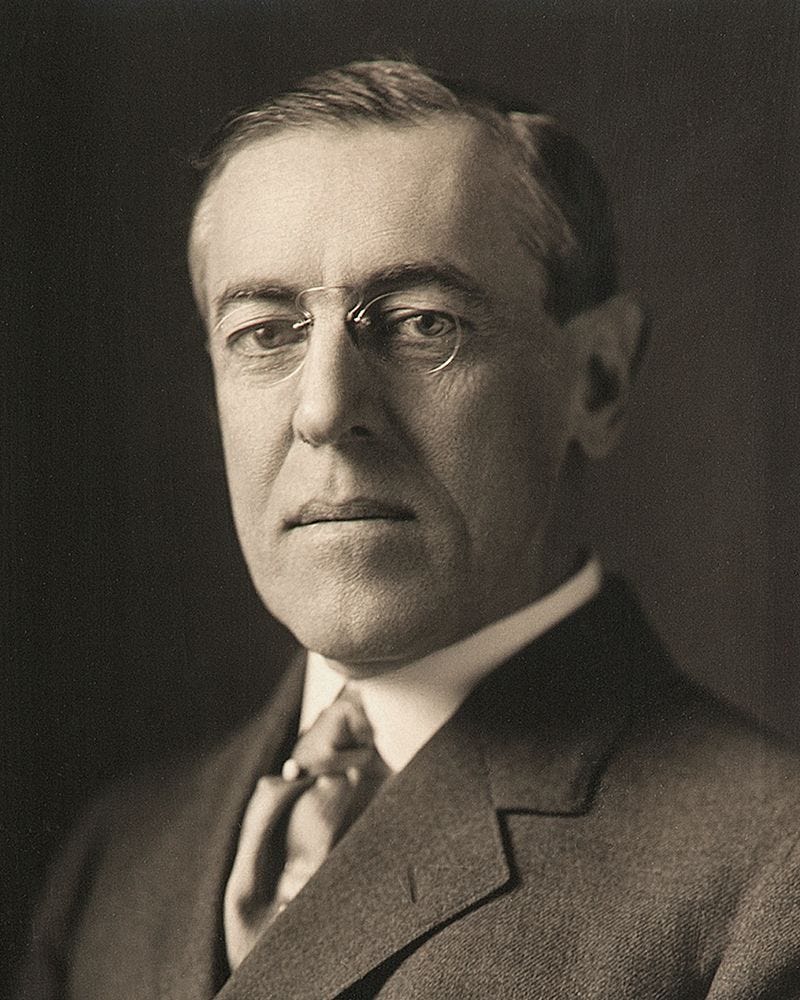

Woodrow Wilson, a southern-born Democrat, was elected President of the United States in 1912. In the office, he made several decisions that further entrenched racism into federal policy.
He appointed segregationists to many positions and re-segregated the Civil Service Commission, which had previously employed some African Americans.
He also placed racial discrimination at the heart of his foreign policy, refusing to appoint Black diplomats to important diplomatic posts in Latin America and the Caribbean.
Furthermore, Wilson upheld the practice of ‘peonage’, a form of debt bondage in which employers could force African Americans to work off their debts without any form of payment or legal protection.
Wilson’s actions exemplified the pervasive racism that remained in the federal government after the Civil War.
3- Segregation Of The Military — The Armed Forces After World War II

In the wake of the Civil War, segregation of the military was enforced by the US government. The official policy mandated that African American soldiers should not serve with white soldiers.
This policy was implemented to maintain a form of racial hierarchy and ensure that white soldiers would not have to interact or serve with African Americans in any capacity.
The policy of segregation was maintained in all branches of the military throughout the first half of the twentieth century.
Even though the US Armed Forces provided training and job opportunities to African Americans during this period, they were still barred from serving alongside white soldiers.
This meant that despite their service, they still faced discrimination and segregation, as well as exclusion from promotions and command roles.
The armed forces remained segregated until after World War II when President Truman issued an executive order to desegregate the military in 1948.
This move provided African American soldiers with more equal footing in the military and opened up more opportunities for them.
However, it would take several more years before African Americans began to rise through the ranks and gain recognition for their accomplishments.
2- Vigilante Lynchings — Punish African Americans
.jpg)
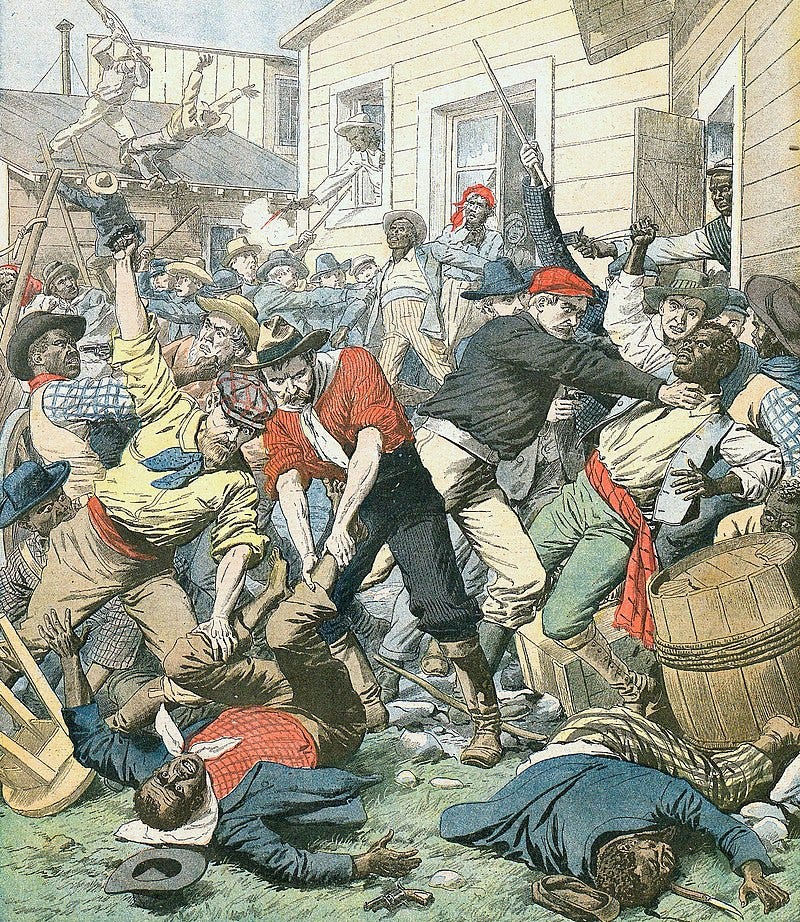
After the Civil War, vigilante lynchings became a frequent form of racial violence against Black Americans in many states.
Vigilante lynchings were a way for white supremacists to punish African Americans for perceived wrongdoings, such as stepping out of their place or refusing to accept a lower social status.
These lynchings could occur without any legal process, and those who took part in them were rarely held accountable. Lynching was often done in public, with large crowds gathering to witness it.
It was a particularly brutal form of racial terror and was used to send a message to other African Americans that this could be their fate if they didn’t conform to white standards.
From 1877 to 1950, there were an estimated 4,743 people who were lynched in the United States, most of whom were Black.
While vigilante lynchings are no longer common in the United States, this horrific form of racial terror is a reminder of the systemic racism that continues to exist today.
1- Chain Gangs — The New Slavery, Voter Suppression
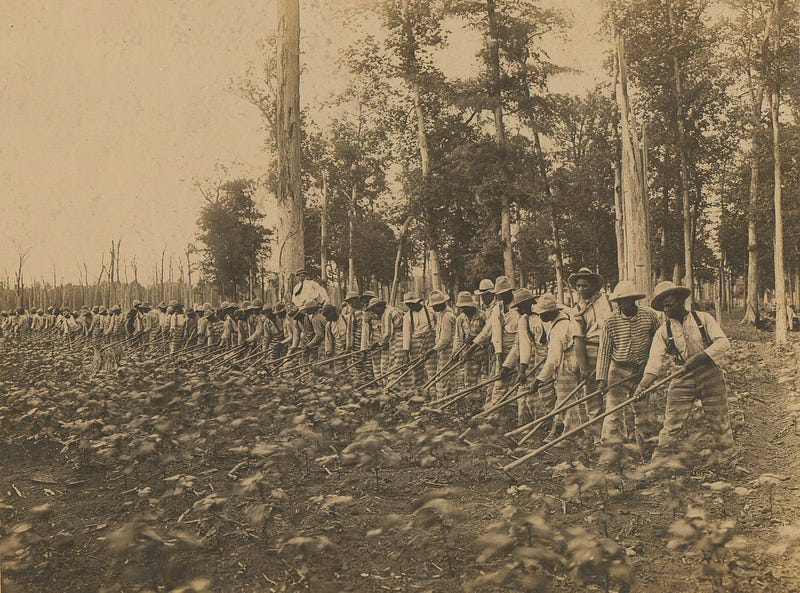

After the Civil War, there was a concerted effort to keep Black Americans from exercising their right to vote. The first tactic was chain gangs, which became a form of forced labor and a continuation of slavery in the South.
These gangs were made up of men who had been convicted of minor offenses, such as vagrancy, and were forced to work on public projects, often with no pay or minimum wages.
As a result, they became virtual slaves, unable to vote or challenge the system that kept them in servitude. The second tactic was mass incarceration, which has only become more prevalent in recent decades.
By criminalizing poverty and locking up minorities for minor infractions, states were able to keep Black Americans from the polls.
Additionally, felons are unable to vote in many states, further entrenching inequality and denying basic rights to those affected.
It’s clear that racism has been a part of American life for centuries, and these two tactics are prime examples of how it was kept alive after the Civil War.
Chain gangs provided free labor and mass incarceration created an atmosphere of fear and intimidation, both of which worked to deny Black Americans the right to vote.
As we continue to fight for equality and justice today, we must remember how racism was kept alive in the past so that we can work to prevent it in the future.
Points To Ponder
The lasting effects of racism in America, even after the Civil War, are undeniable. Racism has been present and kept alive by institutional, legal, and cultural forces that worked to systematically oppress Black Americans.
This includes the Pullman Porters and their reliance on racial stereotypes, blackface performances that served to entertain while simultaneously portraying African Americans in a negative light, literacy tests and poll taxes that were meant to disenfranchise voters, and Woodrow Wilson’s increase of racism in the federal government.
Moreover, these oppressive practices were not limited to the political realm, as armed forces remained segregated for many years, and vigilante lynchings happened across the country.
Chain gangs and mass incarceration also served to keep Black Americans from obtaining their freedom and having a voice in American society.
Though strides have been made to reduce systemic racism in America, much work remains to be done.
Join Medium Today
More from the author