avatarFaze

Free AI web copilot to create summaries, insights and extended knowledge, download it at here

5252

Abstract

onsequences. In response, governments around the world set up campaigns to raise awareness and improve public health measures.</p><p id="1898">In some cases, prevention efforts were successful. For instance, in France, a campaign to educate soldiers about proper hygiene led to a decrease in cases of gonorrhea among military personnel by 50%.</p><p id="f635">In other cases, however, STDs continued to be a major problem. Overall, the war led to a dramatic increase in reported cases of STDs worldwide.</p><h1 id="cbca">4- Fought On The Allied Side — Japan Fought</h1><figure id="3d36"><img src="https://cdn-images-1.readmedium.com/v2/resize:fit:800/0*rYAOBQsIHzkS1XWs.jpg"><figcaption>Source: <a href="https://en.m.wikipedia.org/wiki/2nd_Special_Squadron_(Japanese_Navy)#/media/File:Japanese_navy_officers_at_Marsa,_Malta,_1919.jpg">Wikipedia</a></figcaption></figure><p id="c00e">During World War I, Japan was a major player in the Allied powers, entering the war in August 1914 on the side of Britain and France. At the time, Japan had a strong military and modern naval power, making them a valuable asset in the war effort.</p><p id="4e4f">The Japanese forces quickly established themselves in the Pacific region and contributed to various naval operations and engagements in China, French Indochina, and other territories.</p><p id="7a57">In November 1914, they successfully captured the German island of Tsingtao, near Qingdao in China, and maintained a presence in the region until the war ended.</p><p id="6769">Japanese forces also made an important contribution to the Battle of Jutland, the largest naval battle of World War I.</p><p id="adec">After the British fleet ran low on ammunition, the Japanese assisted with additional ships and supplies. This assistance helped the Allies win the battle and ultimately secure victory.</p><p id="5c03">Overall, Japan’s involvement in World War I was essential in securing an Allied victory. Their participation not only allowed for success on the battlefield but also served to strengthen relations between Japan and other nations involved in the conflict.</p><h1 id="b57e">3- Ataturk, Refused To Give Up — Ottoman Commander</h1><figure id="647f"><img src="https://cdn-images-1.readmedium.com/v2/resize:fit:800/0*b1yP00ttAN01t_06.jpg"><figcaption>Source: <a href="https://en.m.wikipedia.org/wiki/Mustafa_Kemal_Atat%C3%BCrk#/media/File%3AAtaturk1930s.jpg">Wikipedia</a></figcaption></figure><p id="68a9">Few people are aware of the story of Mustafa Kemal, an Ottoman military commander and eventual president of Turkey who defied the armistice agreement and refused to surrender after World War I.</p><p id="3a41">Following the Allied victory, the armistice was signed between the Ottoman Empire and the Allied forces in October 1918.</p><p id="5d80">However, instead of agreeing to surrender, Mustafa Kemal rallied a small force of Ottoman troops and launched a counter-offensive against the occupying forces.</p><p id="c69c">This ultimately led to the establishment of the Republic of Turkey, with Mustafa Kemal as its first president.</p><p id="0231">His commitment to continuing fighting despite his defeat made him an icon among Turks for generations and he was officially known as “Ataturk” or “Father of the Turks.”</p><p id="807c">He is still remembered as a leader who refused to accept defeat and fought for the Turkish people until they achieved their independence.</p><h1 id="5e99">2- Served In The US Army — Native Americans</h1><figure id="06f5"><img src="https://cdn-images-1.readmedium.com/v2/resize:fit:800/0*Koqyj4Jw78tSbNUH.JPG"><figcaption>Source: <a href="https://en.m.wikipedia.org/wiki/Native_Americans_and_World_War_II#/media/File%3AGeneral_douglas_macarthur_meets_american_indian_troops_wwii_military_pacific_navajo_pima_island_hopping.JPG">Wikipedia</a></figcaption></figure><p id="8b2e">At the start of World War I, nearly 12,000 Native Americans enlisted to serve in the US Army. Native American soldiers served in Europe and the US, even though Native Americans were not given full US citizenship until 1924.</p><p id="9eae">They fought in major battles such as the Battle of Meuse-Argonne, one of the largest and deadliest battles of the war.</p><p id="4e86">The Native American soldiers had a wide range of roles including machine gunners, snipers, and scouts. The use of camouflage was commonplace amongst the troops and some Native American soldiers even worked on secret intelligence missions.</p><p id="be19">Despite their patriotism, Native American soldiers experienced discrimination from their fellow soldiers and officers.</p><p id="f3e2">Native American soldiers, who often had a deep connection to nature, also used plants as healing remedies while serving in the trenches.</p><p id="0b97">They carried tobacco with them as a sign of friendship and shared it with their comrades in arms. These unique experiences helped forge a bond between Native American soldiers and their non-native counterparts.</p><p id="329e">When World War I ended in November 1918, Native American soldiers returned home with a new sense of pride and identity, setting the stage for the civil rights movements that would follow in the coming decades.</p><p id="4028">The bravery

Options

of these 12,000 Native Americans and their commitment to the war effort should never be forgotten.</p><h1 id="ee10">1- Allies Busy In East Africa for the Entire War — German Army</h1><figure id="769a"><img src="https://cdn-images-1.readmedium.com/v2/resize:fit:800/0*flpU52pUW8_Nt6Bp.jpg"><figcaption>Source: <a href="https://en.m.wikipedia.org/wiki/File:Bundesarchiv_Bild_146-1974-118-18,_Mobilmachung.jpg">Wikipedia</a></figcaption></figure><p id="909c">The East African Campaign of World War I was largely overshadowed by the major conflicts on the Western Front and in other parts of the world.</p><p id="fc83">However, it was a strategically important theater, and the German forces there were determined to fight to the end.</p><p id="1a15">From 1914 to 1918, a small but powerful German force fought against a combined British, Belgian, and Portuguese army in the region.</p><p id="5874">Despite being outnumbered, the Germans were able to keep the Allies at bay for much of the war.</p><p id="01e4">This was due in part to the fact that they had superior weapons and technology, and their commander, Colonel Paul von Lettow-Vorbeck, was an experienced tactician.</p><p id="289d">The Allies made several attempts to take control of the region, but they were often thwarted by von Lettow-Vorbeck’s guerilla tactics.</p><p id="9427">It included ambushes, raids, and surprise attacks on Allied troops. Von Lettow-Vorbeck even managed to capture two British battleships.</p><p id="ae37">The Allies eventually managed to gain control of much of East Africa by 1918, but the German forces continued to resist until November 14th when they finally surrendered. By then, the war had ended and they could no longer continue fighting.</p><p id="5273">Despite their limited resources, the German forces in East Africa were able to hold off a much larger Allied army for four long years. This is an incredible testament to their skill, determination, and bravery.</p><h1 id="8c1a">Points To Ponder</h1><p id="2e83">The First World War was a bloody, destructive conflict that changed the course of history. There are countless stories about those who served and sacrificed for their countries, and many more that remain untold.</p><p id="d28b">From an American politician running for president from prison to a small German army in East Africa, there is no shortage of interesting tales of courage and ingenuity.</p><p id="e326">These seven stories demonstrate the diversity and bravery of all those involved in the war effort and remind us of the sacrifices made to bring peace to the world.</p><h1 id="91f4">Join Medium Today</h1><div id="9486" class="link-block"> <a href="https://medium.com/@faze17/membership"> <div> <div> <h2>Join Medium with my referral link - Faze</h2> <div><h3>As a Medium member, a portion of your membership fee goes to writers you read, and you get full access to every story…</h3></div> <div><p>medium.com</p></div> </div> <div> <div style="background-image: url(https://miro.readmedium.com/v2/resize:fit:320/0*fnwnLKPbjpszy0Gs)"></div> </div> </div> </a> </div><p id="dfaf">More from the author:</p><div id="682c" class="link-block"> <a href="https://readmedium.com/7-myths-about-world-war-ii-that-you-actually-believed-1ccd308a4138"> <div> <div> <h2>7 Myths about World War II That You Actually Believed</h2> <div><h3>The truth behind misconceptions — Books have been lying to you.</h3></div> <div><p>medium.com</p></div> </div> <div> <div style="background-image: url(https://miro.readmedium.com/v2/resize:fit:320/0*J52x6CLoGiX9gSlT.jpg)"></div> </div> </div> </a> </div><div id="df46" class="link-block"> <a href="https://readmedium.com/7-amazing-coincidences-that-will-make-you-question-everything-61ec5928d1a2"> <div> <div> <h2>7 Amazing Coincidences That Will Make You Question Everything</h2> <div><h3>Are they just crazy coincidences or something more?</h3></div> <div><p>medium.com</p></div> </div> <div> <div style="background-image: url(https://miro.readmedium.com/v2/resize:fit:320/0*w0VTBTX8wBx11gLV.jpg)"></div> </div> </div> </a> </div><div id="c5fa" class="link-block"> <a href="https://readmedium.com/7-most-evil-prisoners-in-the-world-one-will-regret-meeting-ca383804277"> <div> <div> <h2>7 Most Evil Prisoners In The World One Will Regret Meeting</h2> <div><h3>Heinous crimes that will leave you astonished.</h3></div> <div><p>medium.com</p></div> </div> <div> <div style="background-image: url(https://miro.readmedium.com/v2/resize:fit:320/1*vjpI_T2ilP-hR6QYoEalNw.png)"></div> </div> </div> </a> </div></article></body>

7 Incredible Stories About World War I You Haven’t Heard

World War I — The most significant event of the 20th century.
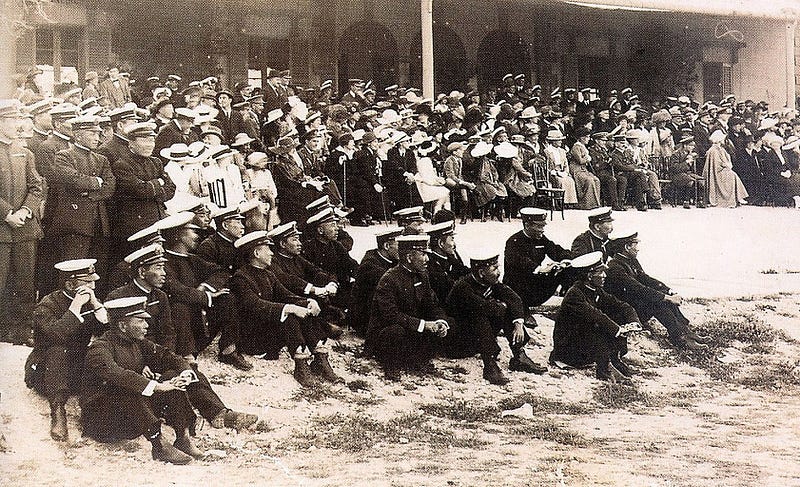
Source: Wikipedia

World War I is one of the most devastating wars in human history. It’s no surprise, then, that its stories are still told and retold in classrooms and history books across the world.

However, there are some lesser-known tales about World War I that you may not have heard before. In this article, we’ll explore seven incredible stories about WWI that you likely haven’t encountered.

From tales of brave heroes to heartbreaking tragedies, these stories bring the war to life in ways that you won’t soon forget. Read on to discover seven tales of World War I that you may not have heard before.

7- Ran for President from Prison — Eugene V. Debs
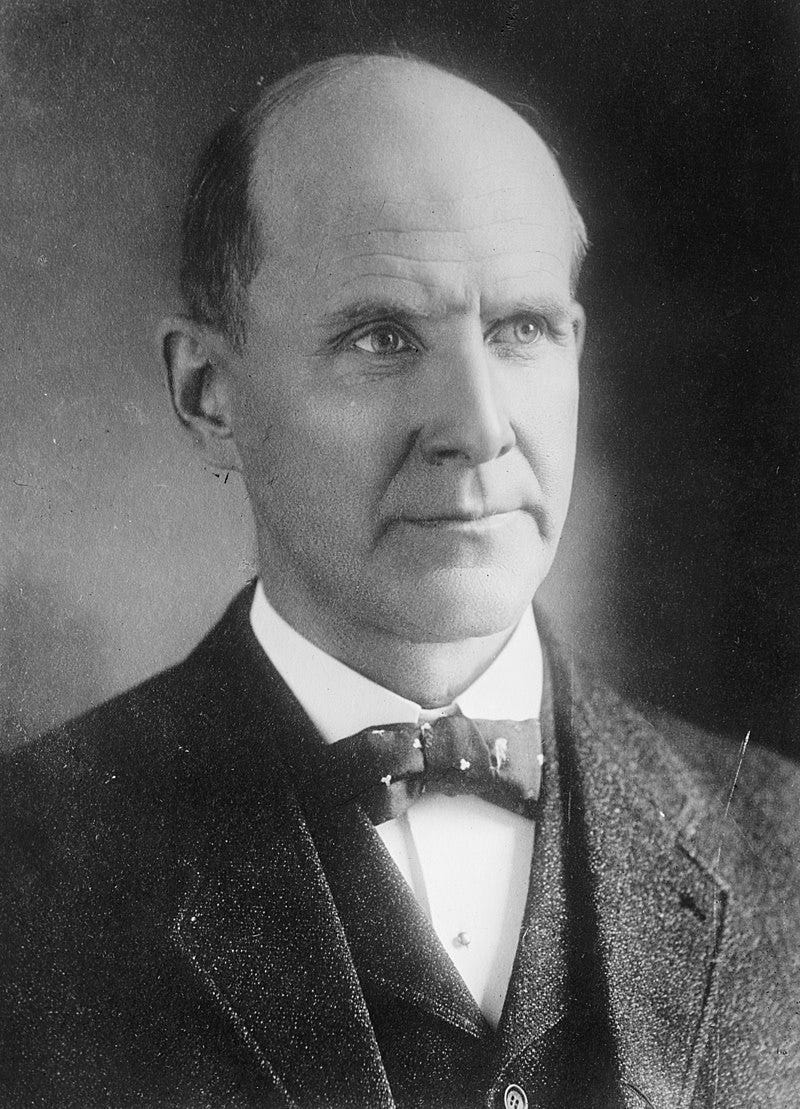
Source: Wikipedia

During World War I, Eugene V. Debs was an outspoken political leader who was critical of the war and the government’s handling of it.

His opposition to the war landed him in prison, where he was sentenced to 10 years in the federal penitentiary.

In 1920, while still in jail, Debs ran for President of the United States with the Socialist Party. Despite his incarceration, he managed to gain over one million votes, coming in fourth overall.

He made history by becoming the first presidential candidate to ever run for office from behind bars. Debs was released from prison in 1921, but his legacy lives on.

He is remembered as an important figure in American politics and a symbol of freedom of speech and thought during wartime. His case also highlighted the power of a single individual to have an impact on the national conversation.

6- Royal Navy — Naval Battles
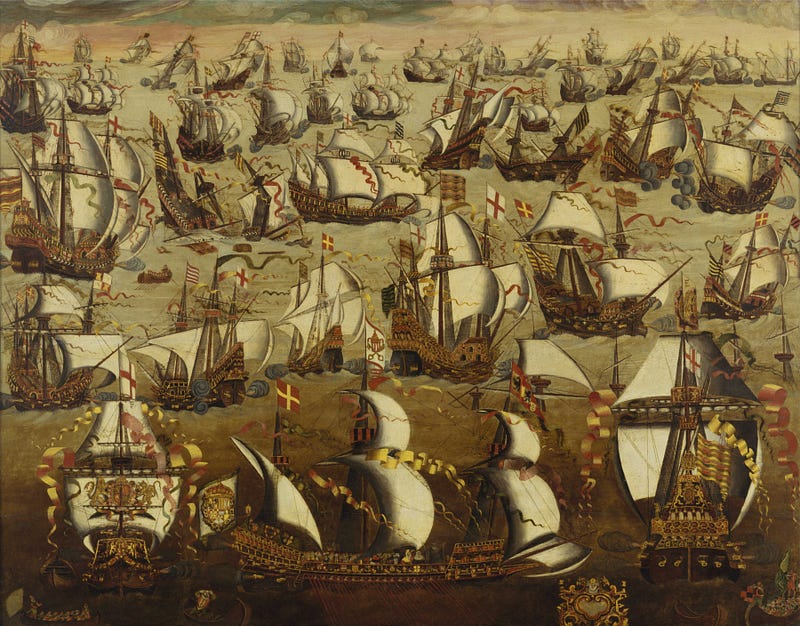
Source: Wikipedia

The Royal Navy was a major contributor to the Allied victory in World War I, yet they were involved in a few naval battles.

This may come as a surprise to many, as the Royal Navy was an integral part of the Allied victory, particularly its ability to enforce a naval blockade that prevented Germany from receiving vital supplies.

Though the British fleet never engaged in a single sea battle with the Germans during the conflict, their presence was essential in maintaining the blockade of Germany and ultimately contributing to the Allied victory.

The sheer size of the Royal Navy was also instrumental in allowing the Allies to keep the seas safe for merchant shipping, protecting convoys of cargo ships and troops heading toward France.

This is not to say that there were no naval engagements during World War I; several occurred between the British and German navies, but all took place on a much smaller scale than what we usually associate with naval warfare.

These engagements generally occurred in coastal waters or one-on-one battles between submarines and destroyers. Despite the lack of major naval engagements, the role of the Royal Navy in ensuring Allied victory was critical and cannot be underestimated.

By enforcing the naval blockade, they effectively prevented Germany from receiving essential resources, which played a key role in their eventual defeat.

5- STDs — Major Problem
Source: Wikipedia

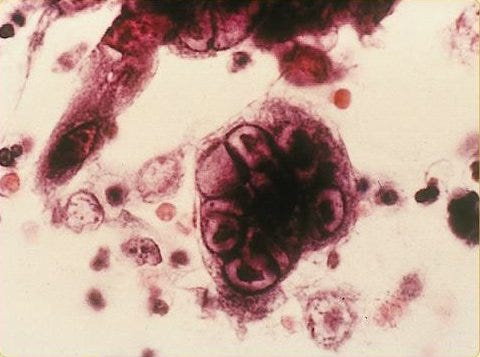
World War I had a profound effect on the way war was waged and experienced. One of the lesser-known impacts of the conflict was its effect on the spread of sexually transmitted diseases (STDs).

Throughout the war, STDs ran rampant, particularly among the troops. Unsanitary conditions in the trenches, combined with a lack of access to medical care and limited knowledge of sexual health, all contributed to an outbreak of STDs.

The most common STDs during the war were gonorrhea, syphilis, and chancroid, although soldiers and civilians also contracted other infections such as trichomoniasis, human papillomavirus, and herpes simplex virus.

As awareness of these issues increased, so did public concern about the potential long-term consequences. In response, governments around the world set up campaigns to raise awareness and improve public health measures.

In some cases, prevention efforts were successful. For instance, in France, a campaign to educate soldiers about proper hygiene led to a decrease in cases of gonorrhea among military personnel by 50%.

In other cases, however, STDs continued to be a major problem. Overall, the war led to a dramatic increase in reported cases of STDs worldwide.

4- Fought On The Allied Side — Japan Fought

Source: Wikipedia

During World War I, Japan was a major player in the Allied powers, entering the war in August 1914 on the side of Britain and France. At the time, Japan had a strong military and modern naval power, making them a valuable asset in the war effort.

The Japanese forces quickly established themselves in the Pacific region and contributed to various naval operations and engagements in China, French Indochina, and other territories.

In November 1914, they successfully captured the German island of Tsingtao, near Qingdao in China, and maintained a presence in the region until the war ended.

Japanese forces also made an important contribution to the Battle of Jutland, the largest naval battle of World War I.

After the British fleet ran low on ammunition, the Japanese assisted with additional ships and supplies. This assistance helped the Allies win the battle and ultimately secure victory.

Overall, Japan’s involvement in World War I was essential in securing an Allied victory. Their participation not only allowed for success on the battlefield but also served to strengthen relations between Japan and other nations involved in the conflict.

3- Ataturk, Refused To Give Up — Ottoman Commander
Source: Wikipedia

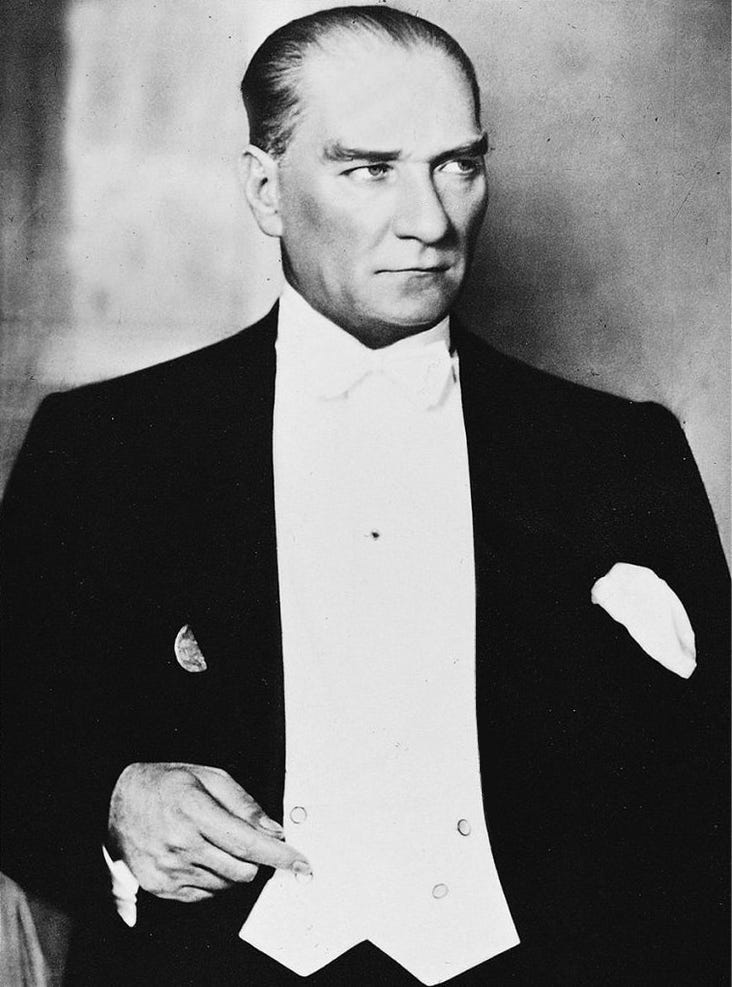
Few people are aware of the story of Mustafa Kemal, an Ottoman military commander and eventual president of Turkey who defied the armistice agreement and refused to surrender after World War I.

Following the Allied victory, the armistice was signed between the Ottoman Empire and the Allied forces in October 1918.

However, instead of agreeing to surrender, Mustafa Kemal rallied a small force of Ottoman troops and launched a counter-offensive against the occupying forces.

This ultimately led to the establishment of the Republic of Turkey, with Mustafa Kemal as its first president.

His commitment to continuing fighting despite his defeat made him an icon among Turks for generations and he was officially known as “Ataturk” or “Father of the Turks.”

He is still remembered as a leader who refused to accept defeat and fought for the Turkish people until they achieved their independence.

2- Served In The US Army — Native Americans
Source: Wikipedia

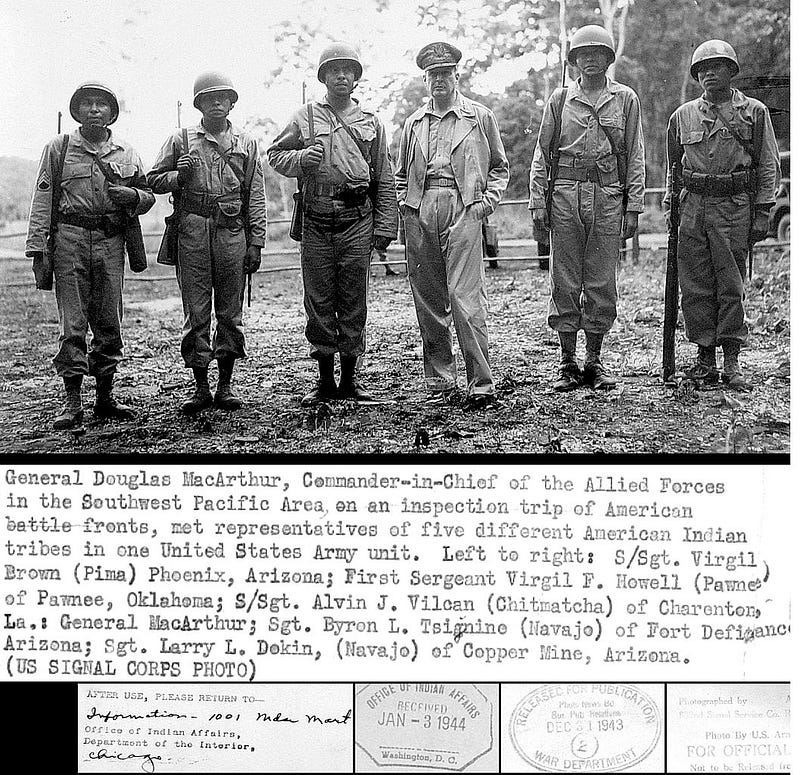
At the start of World War I, nearly 12,000 Native Americans enlisted to serve in the US Army. Native American soldiers served in Europe and the US, even though Native Americans were not given full US citizenship until 1924.

They fought in major battles such as the Battle of Meuse-Argonne, one of the largest and deadliest battles of the war.

The Native American soldiers had a wide range of roles including machine gunners, snipers, and scouts. The use of camouflage was commonplace amongst the troops and some Native American soldiers even worked on secret intelligence missions.

Despite their patriotism, Native American soldiers experienced discrimination from their fellow soldiers and officers.

Native American soldiers, who often had a deep connection to nature, also used plants as healing remedies while serving in the trenches.

They carried tobacco with them as a sign of friendship and shared it with their comrades in arms. These unique experiences helped forge a bond between Native American soldiers and their non-native counterparts.

When World War I ended in November 1918, Native American soldiers returned home with a new sense of pride and identity, setting the stage for the civil rights movements that would follow in the coming decades.

The bravery of these 12,000 Native Americans and their commitment to the war effort should never be forgotten.

1- Allies Busy In East Africa for the Entire War — German Army
Source: Wikipedia

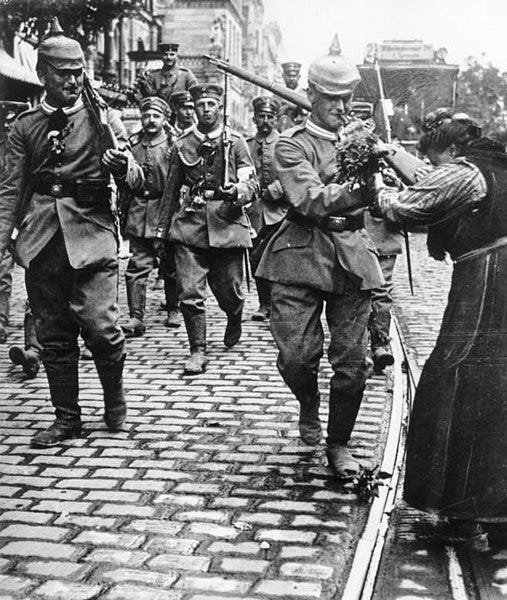
The East African Campaign of World War I was largely overshadowed by the major conflicts on the Western Front and in other parts of the world.

However, it was a strategically important theater, and the German forces there were determined to fight to the end.

From 1914 to 1918, a small but powerful German force fought against a combined British, Belgian, and Portuguese army in the region.

Despite being outnumbered, the Germans were able to keep the Allies at bay for much of the war.

This was due in part to the fact that they had superior weapons and technology, and their commander, Colonel Paul von Lettow-Vorbeck, was an experienced tactician.

The Allies made several attempts to take control of the region, but they were often thwarted by von Lettow-Vorbeck’s guerilla tactics.

It included ambushes, raids, and surprise attacks on Allied troops. Von Lettow-Vorbeck even managed to capture two British battleships.

The Allies eventually managed to gain control of much of East Africa by 1918, but the German forces continued to resist until November 14th when they finally surrendered. By then, the war had ended and they could no longer continue fighting.

Despite their limited resources, the German forces in East Africa were able to hold off a much larger Allied army for four long years. This is an incredible testament to their skill, determination, and bravery.

Points To Ponder

The First World War was a bloody, destructive conflict that changed the course of history. There are countless stories about those who served and sacrificed for their countries, and many more that remain untold.

From an American politician running for president from prison to a small German army in East Africa, there is no shortage of interesting tales of courage and ingenuity.

These seven stories demonstrate the diversity and bravery of all those involved in the war effort and remind us of the sacrifices made to bring peace to the world.

Join Medium Today

More from the author:

History
Culture
Life
Entertainment
War
Recommended from ReadMedium